I am an occupational therapist by day, but on the weekends I trade my scrubs in for my hiking boots and go exploring. Follow along with my adventures as I attempt to travel to all 63 National Parks in the United States!
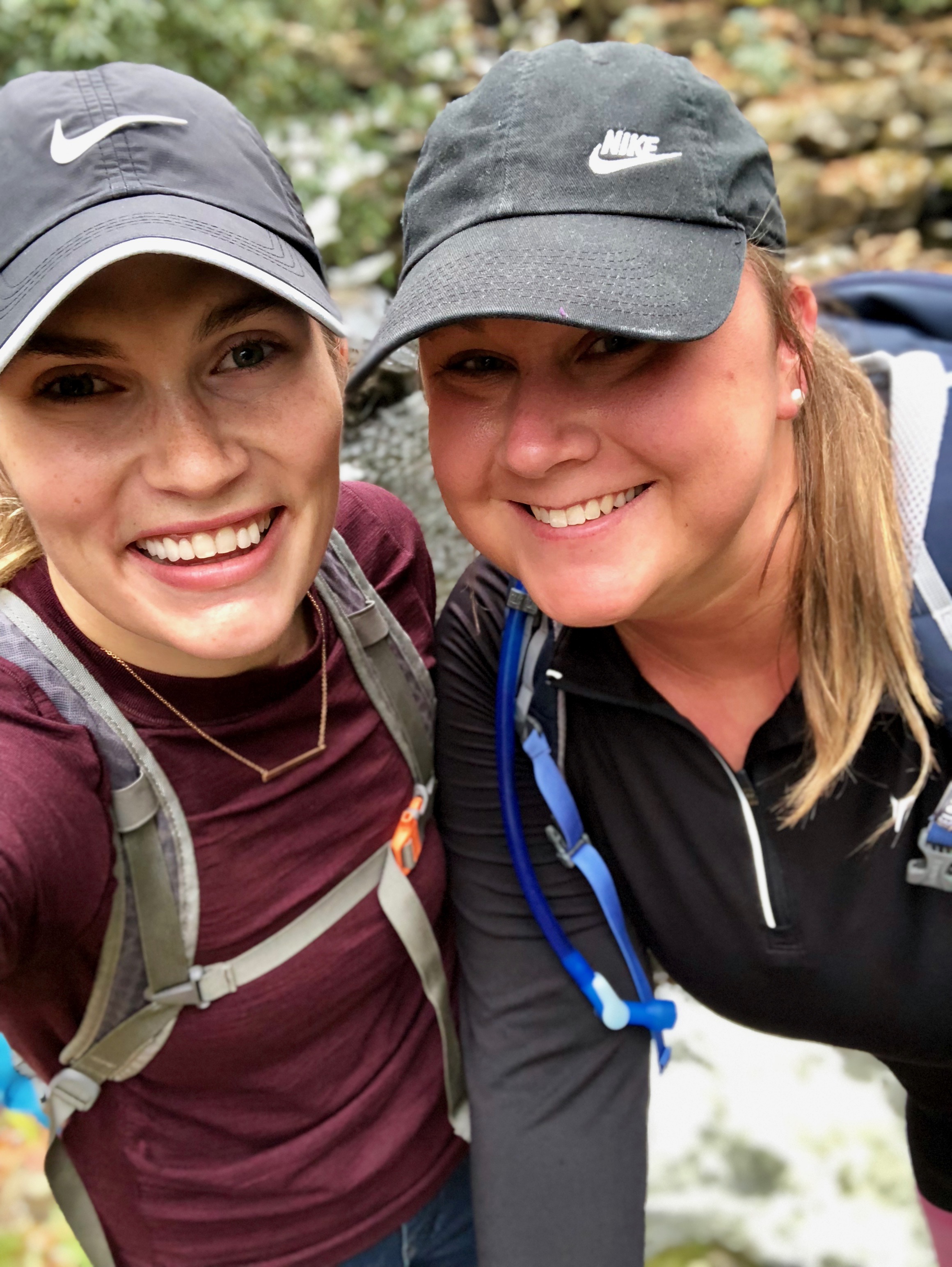
Believe it or not, Great Smoky National Park is the most visited national park in the country, with over 11 million visitors annually. This park lies on the Tennessee/ North Carolina state line, and is pretty much equally split between the two states. My friend and I explored a small portion of the Tennessee side while I was visiting her and her family in Nashville.
We left Nashville in the morning, well before the sun came up. Our first stop was in Gatlinburg, TN where we grabbed some Starbucks for a caffeine recharge, and rode the scenic ski lift to admire the fall colors. Next, we headed towards the park, driving the popular Newfound Gap Road to the Sugarlands Visitor’s Center. We had done some brief research on the park and were fairly certain we wanted to spend our time in the park hiking Ramsay Cascade Falls.
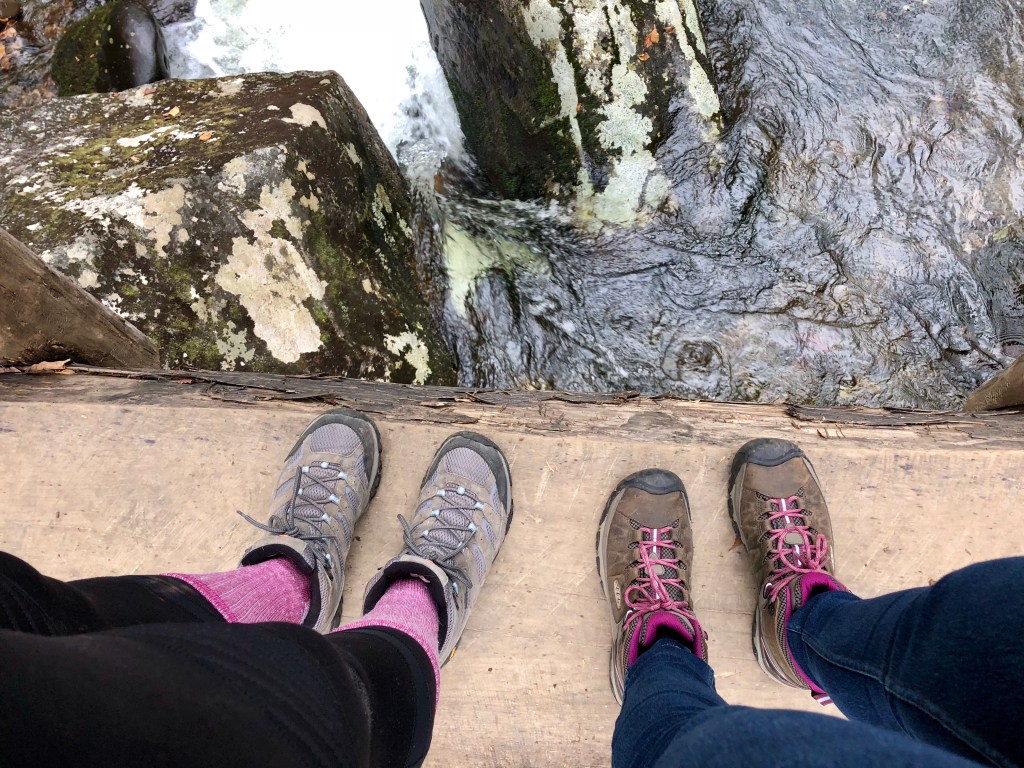
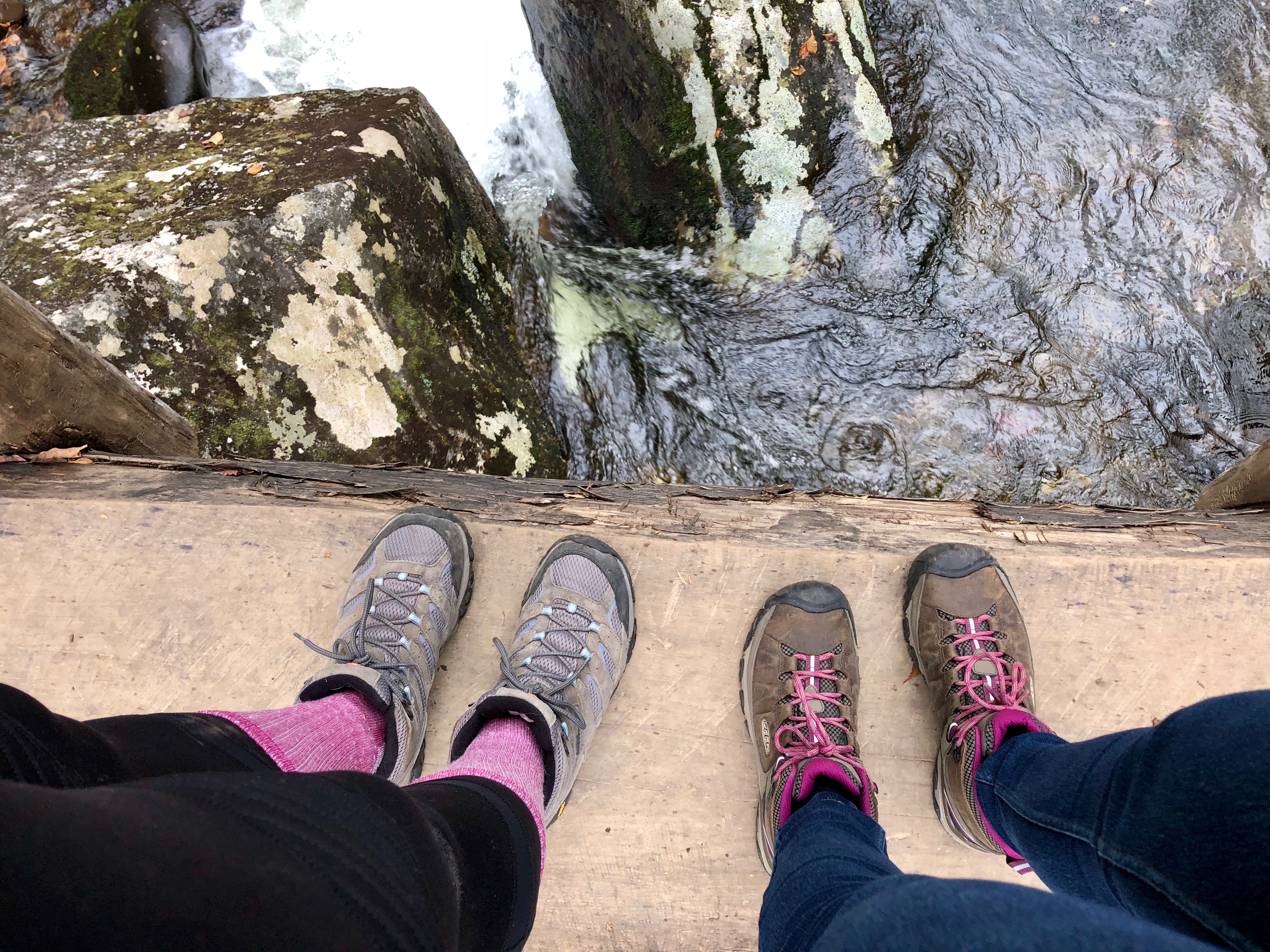
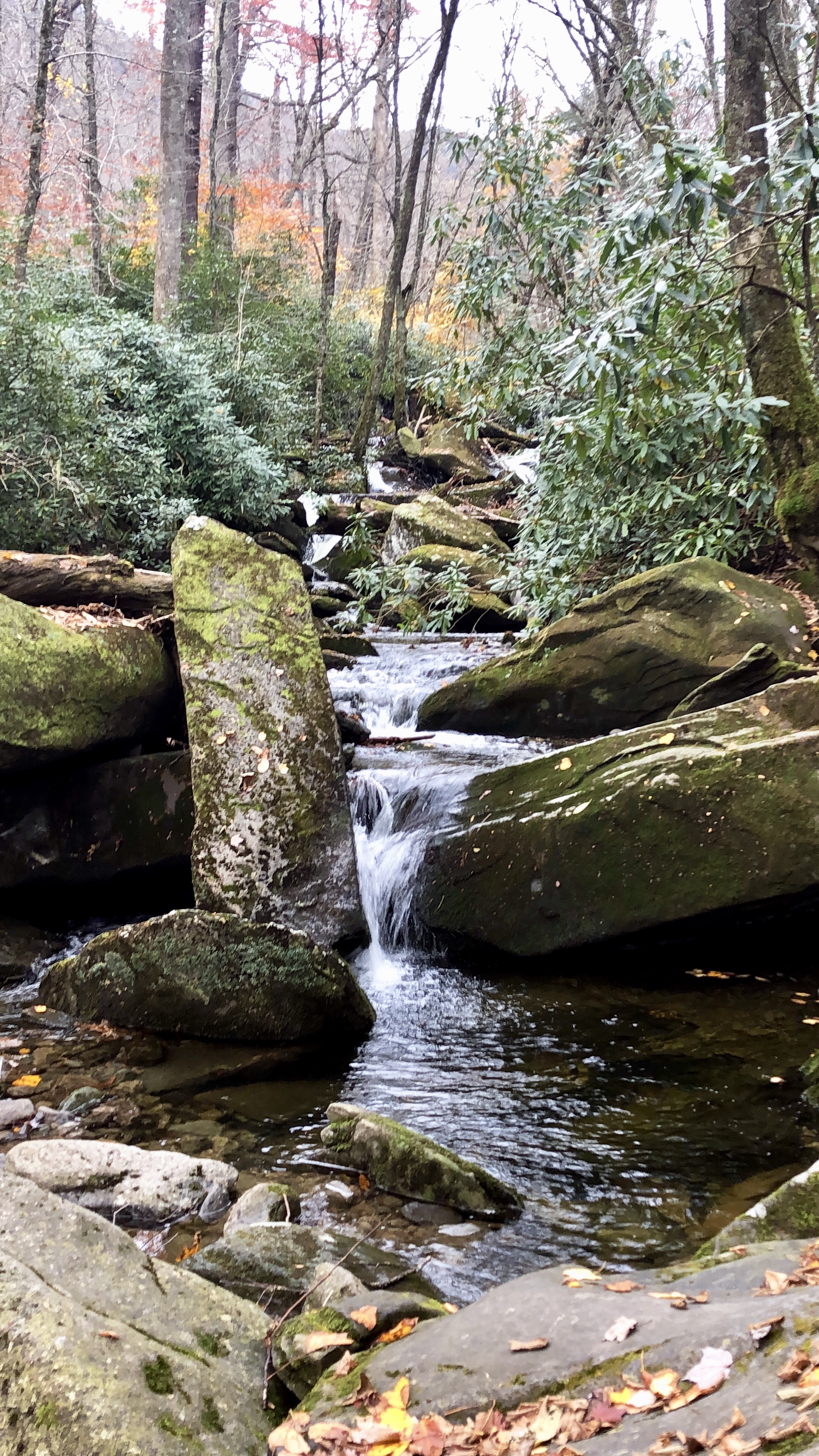
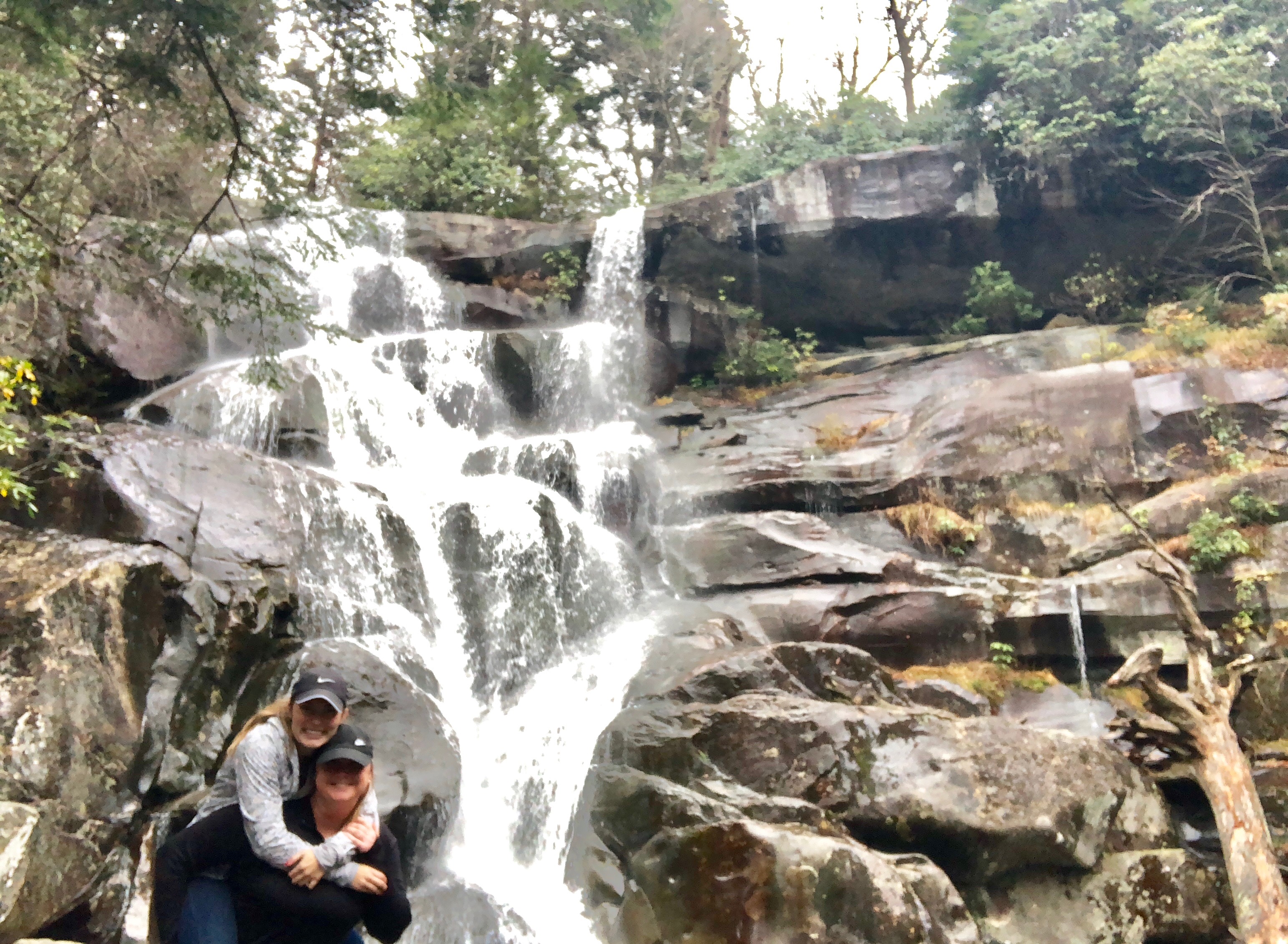
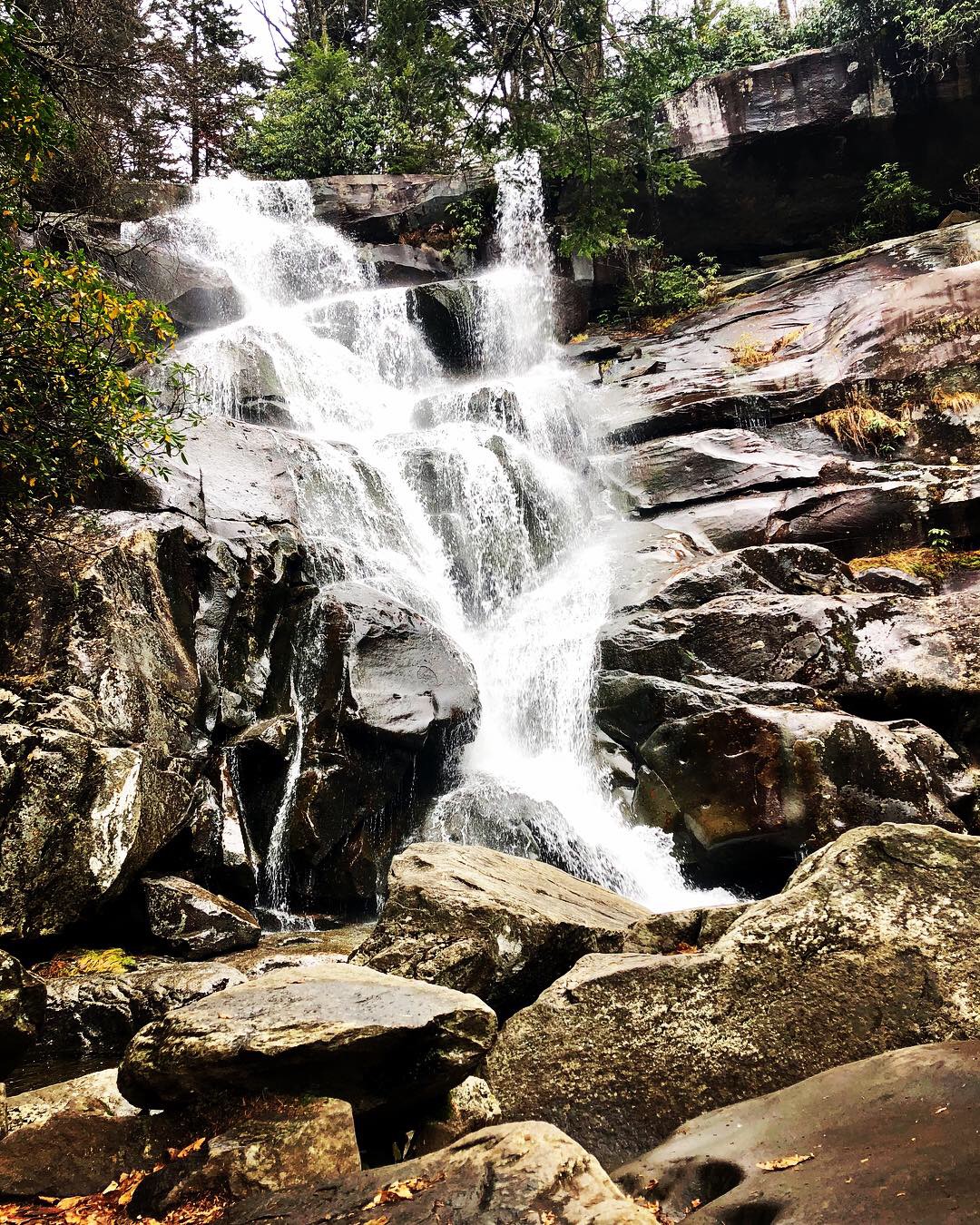
Ramsay Cascade Falls is around 8 miles round trip with about 2200 ft elevation gain. This hike is to the tallest waterfall in the park, and is considered strenuous. The trail takes you through a dense forest, along streams/rivers, across a bridge, and scrambling up some big rocks near the end. The nice part about visiting in late fall was that we nearly had the trail to ourselves, maybe crossing paths with a dozen people our whole hike. The fall colors were past peak, but they were holding on and oh so beautiful!
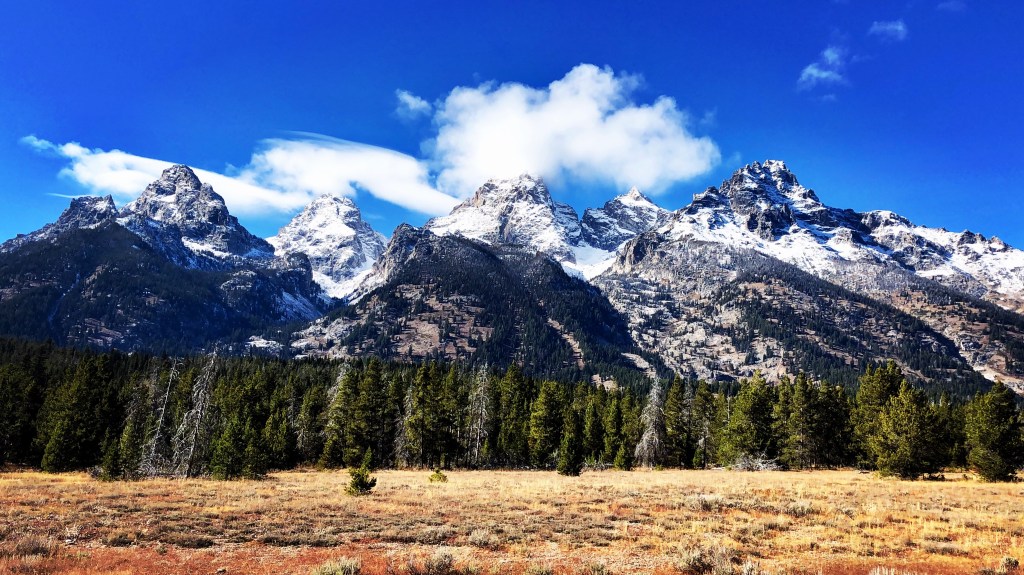
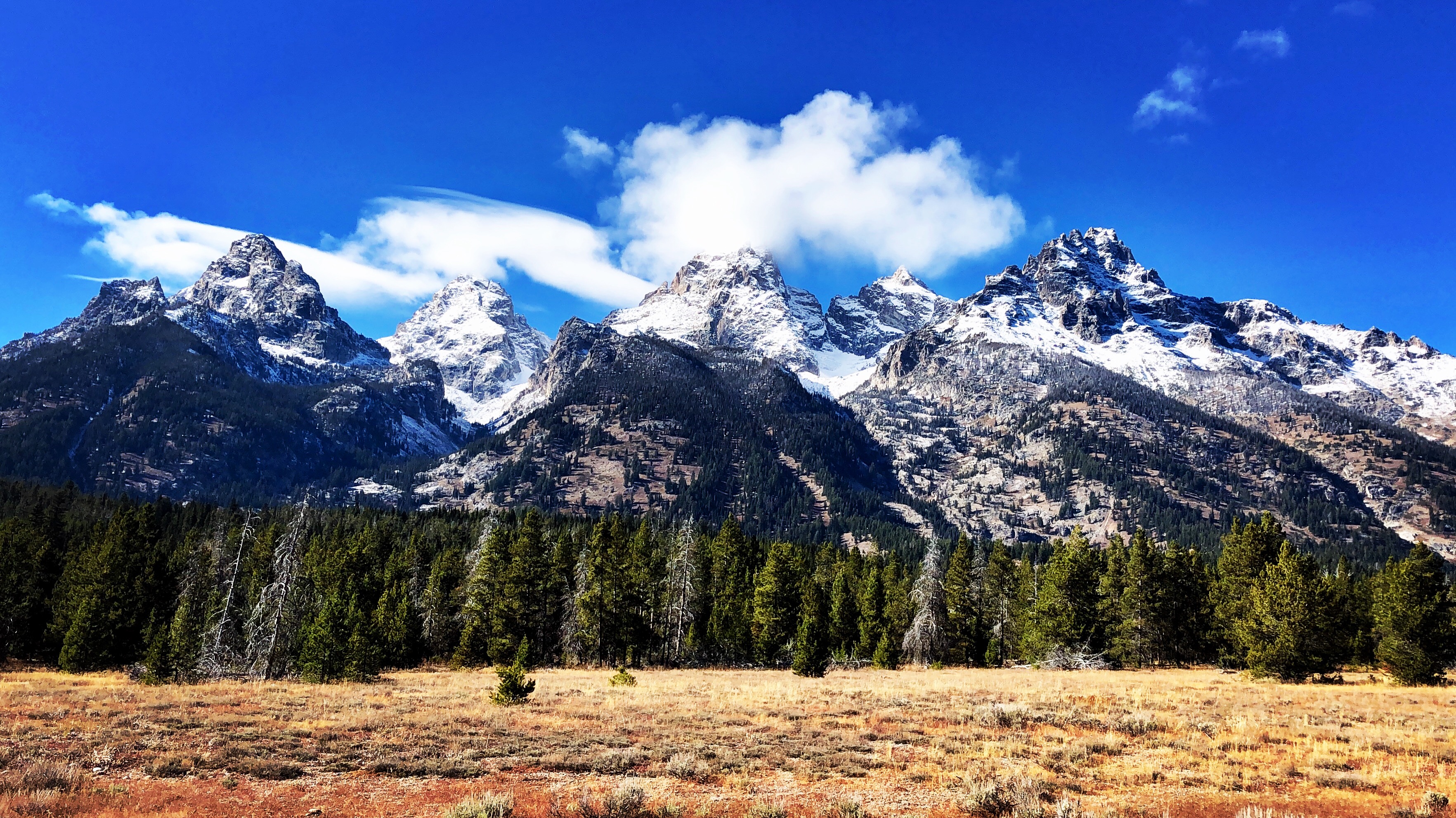
Grand Teton National Park borders Jackson Hole, Wyoming and lies just south of Yellowstone National Park. It’s an easy 4.5-hour drive from Salt Lake, and I was lucky enough to explore the Tetons with my brother while he was visiting me in Utah. Side note: after writing a few blogs, I’ve started to notice a trend… basically, if you come visit me, be prepared to explore 😉
Even though it was only October when we visited, the scenic road was already closed past Signal Mountain. However, a positive to visiting in October was missing a majority of the crowds, which is always a plus. The Jackson Lake Overlook was probably my favorite view of the entire park—cue all the heart eyes. The pristine views of the mountains and alpine lakes made this trip worth it, even though some of the activities were unavailable. In the summer your opportunities are pretty much endless: hiking (230 miles of trails), wildlife viewing (grizzlies!), camping, backpacking, climbing, fishing, swimming, boating, canoeing, biking, etc.
I feel so lucky that the Grand Tetons are one of the many National Parks within driving distance of Salt Lake. I know I say this about a lot of parks, but I can’t wait to go back and explore more soon–definitely in the summer when I can go camping, hiking, and boating. I’m also very thankful my brother was willing to make this quick trip with me, especially after just traveling from the Midwest to Salt Lake.
We stayed the night in Jackson Hole, which is a popular ski town. The vibe of this town was awesome. We ate dinner at the Snake River Brewery, stopped by the popular Elk Antler Arch, which was lit up pink in support of Breast Cancer Awareness Month, and then had a drink at the famous Million Dollar Cowboy bar. We capped off our evening by hot tubbing at the hotel- couldn’t have asked for a better day!
This was another one of our trips planned by a cheap flight deal from Salt Lake. There are three national parks in Washington: Olympic, Mount Rainier, and North Cascades National Parks. All three parks are a reasonable drive from Seattle.
Olympic
Our first stop on our fall road trip was Olympic National Park. This is a huge park on the Olympic Peninsula containing coastal, forest, and mountain ecosystems. Unfortunately, we only had one day at the park. However, even with our limited time, we deiced make it a marathon day and drive completely around the park, hitting all the main highlights. It was a lot of driving, and I don’t recommend it, but we wanted to see as much of the park as we could in our short time. We knew we would eventually be back for another visit to give this park the time it deserves, so we were okay with our plan.
Highlights
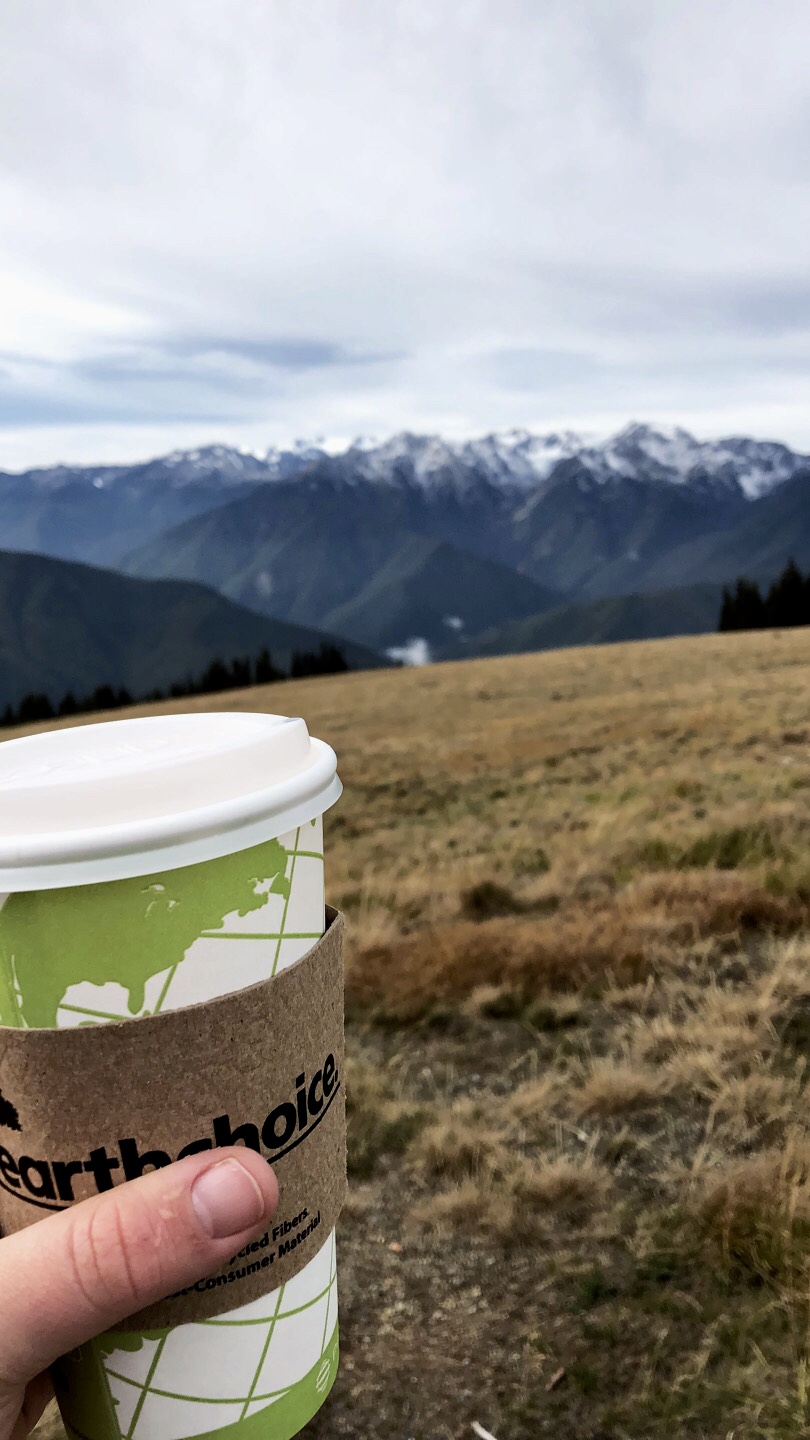
Hurricane Ridge. We stopped at the Visitor’s Center at the top and got hot chocolate with some incredible mountain views. Hurricane Ridge is named for its intense winds and unpredictable weather. I don’t remember a lot of the trails being accessible, but it was still fun to explore the area around the Visitor’s Center.
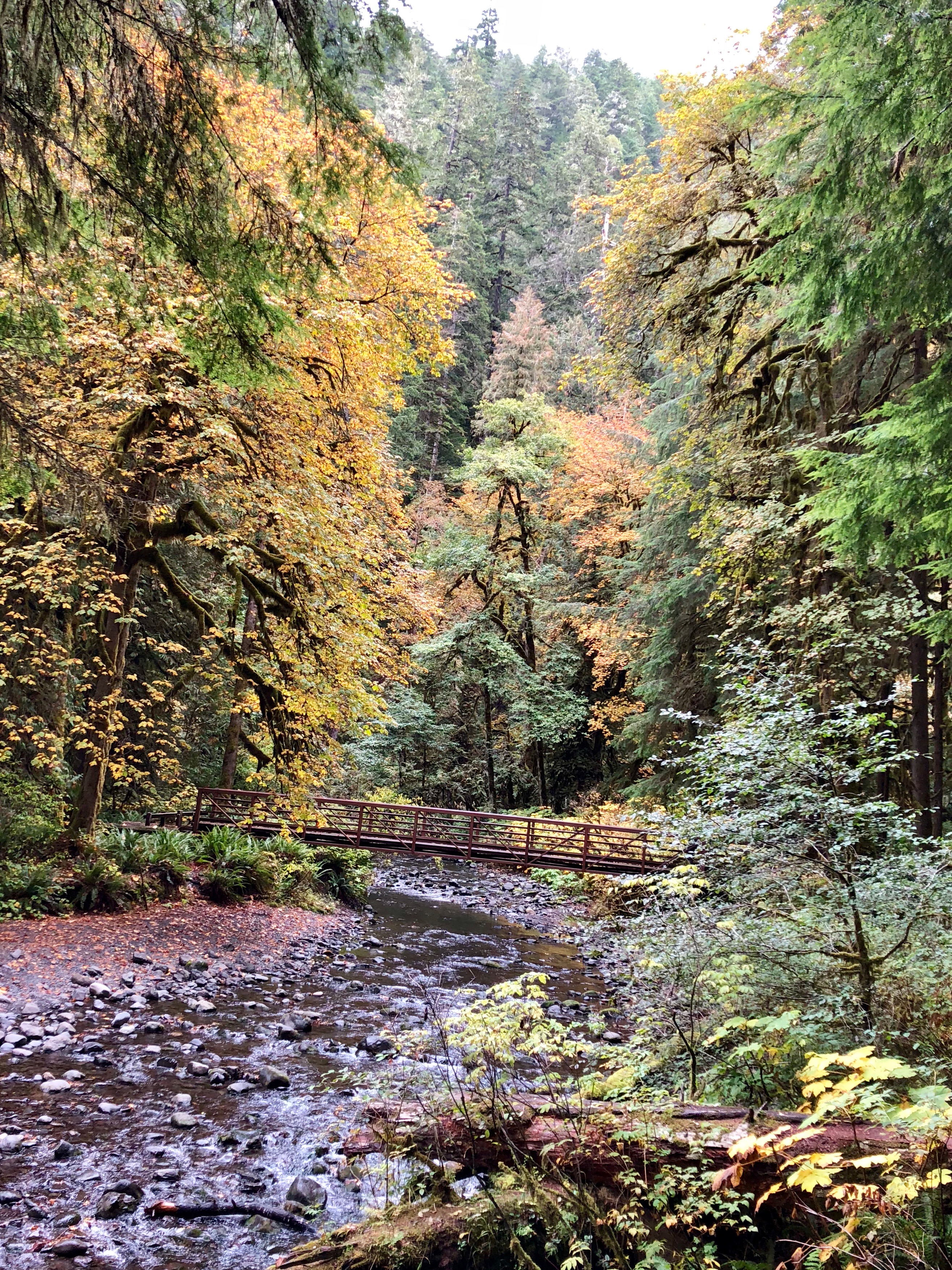
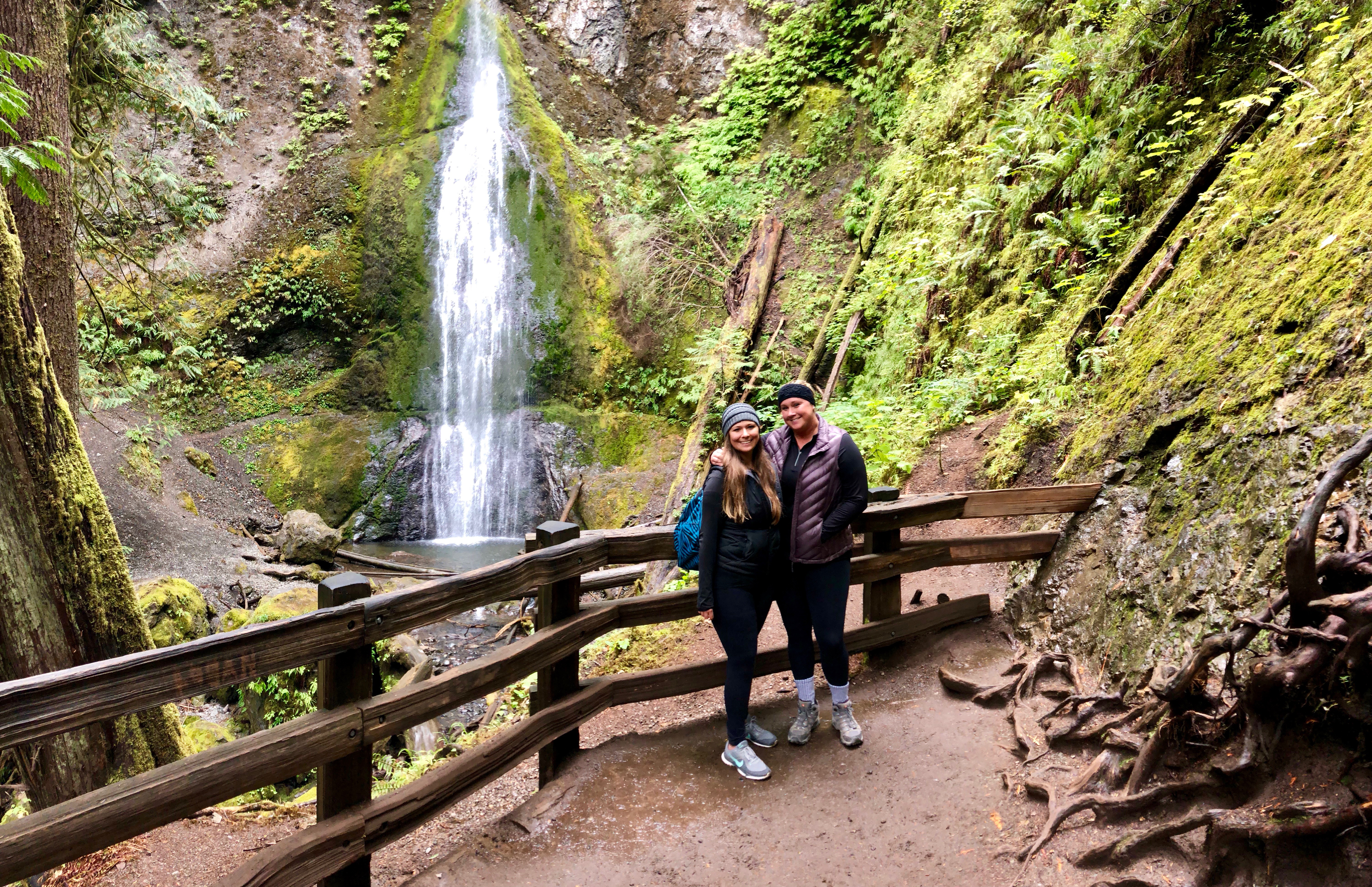
Marymere Falls/Lake Crescent. This hike is located near the shores of Lake Crescent. It is roughly 2 miles long and walks you along the creek, across a bridge, and up some stairs to two different view-points of the 90-foot waterfall. The lush fern, forest atmosphere, fall colors, and waterfall made it a fun hike to get out and stretch our legs.
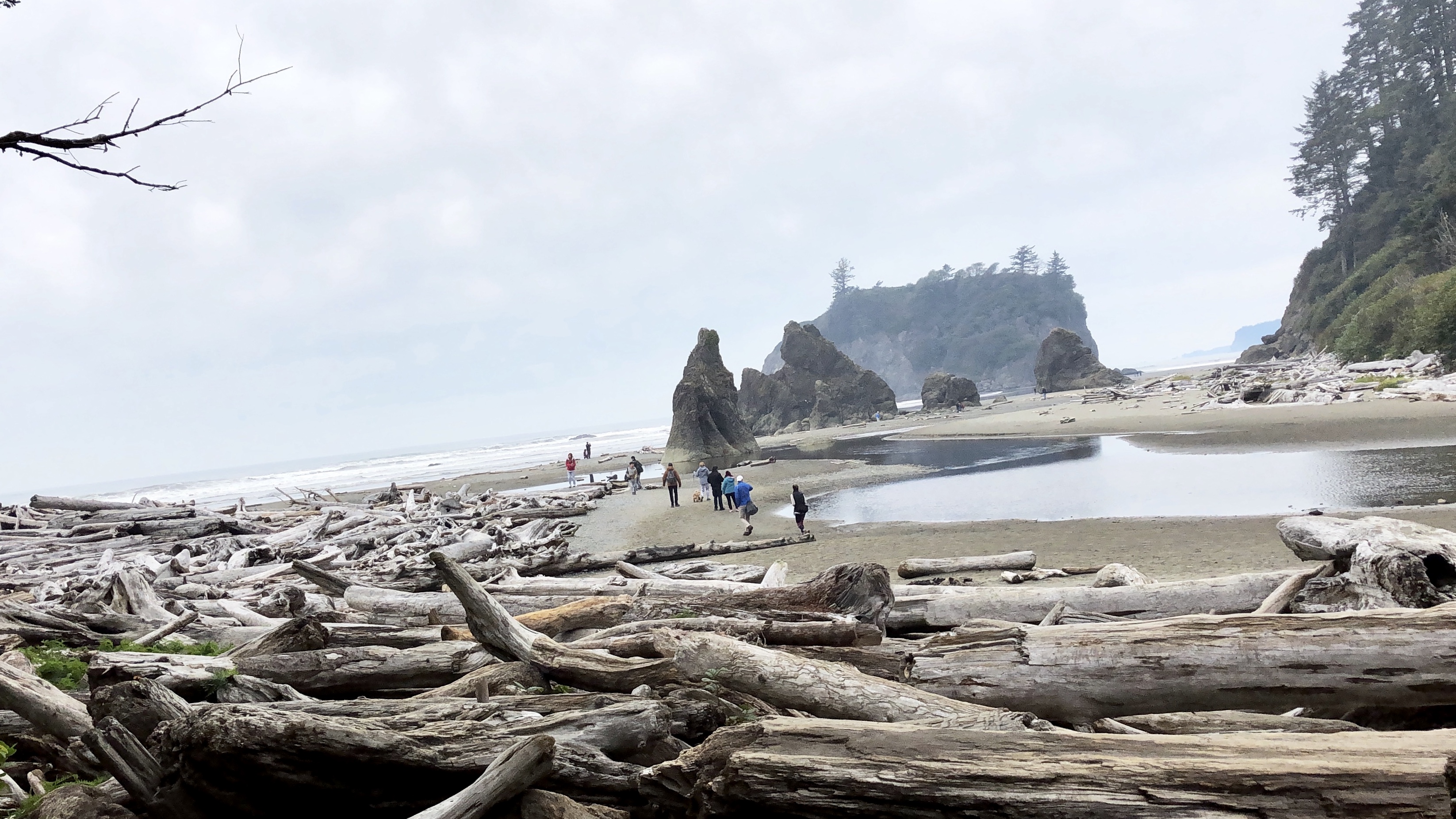
Ruby Beach. We hiked the path leading down to the beach and found many rocks and driftwood along the coastline. Despite the overcast and chilly weather, the beach was still a popular attraction, and there was no denying its beauty.
Hoh Rain Forest. This part of the park was unfortunately closed due to a restoration project, but it will be at the top of my list when I return.
Mount Rainier
I’m a little embarrassed to admit this, but of the three Washington parks, this was the one I was least excited about visiting. I’m not entirely sure why, but a few things contributing to my poor attitude could’ve been that I didn’t think we would even get to see the mountain (it’s often completely cloud covered), and I also didn’t think there would be that much to do… in my head I was basically just there to check it off. Whatever my previous assumptions were, all I can say is I’m so happy I was incrediblywrong!! This park quickly became one of my FAVORITE parks, which still holds true today. Maybe it was because I had had such low expectations and then got completely blow away, but I was literally in awe the entire day. It was an actual dream.
We arrived through the Nisqually entrance and were lucky enough to have some great views of Mount Rainier on our drive to the park, and also briefly after we arrived. Now, I’ve seen big mountains before, but this was just on another level. I felt lucky to be able to see it, even if only for a short amount of time.
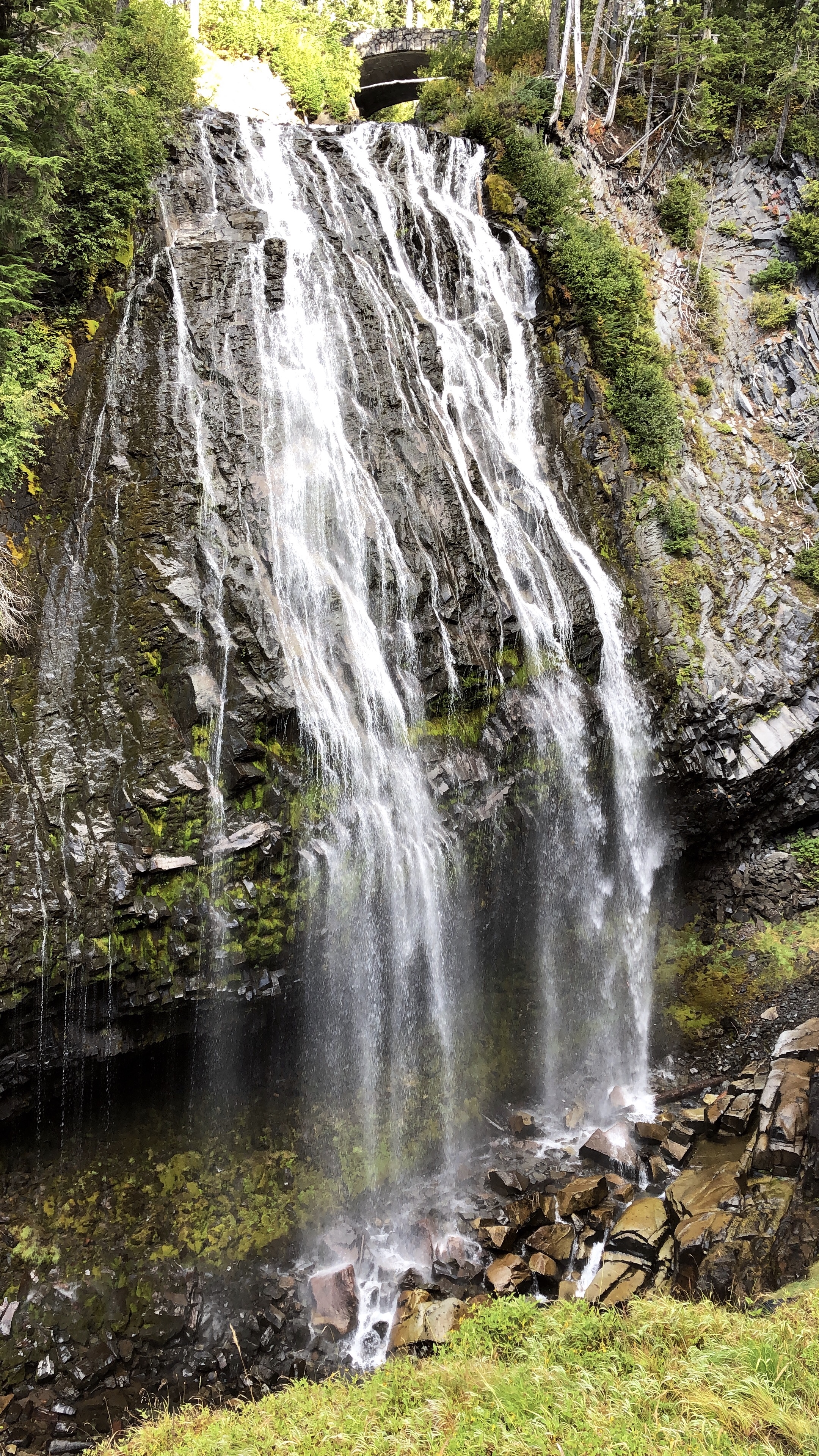
Our first hike was Narada Falls. I’m a sucker for any waterfall hike, and Narada Falls was an easy hike offering a great reward.
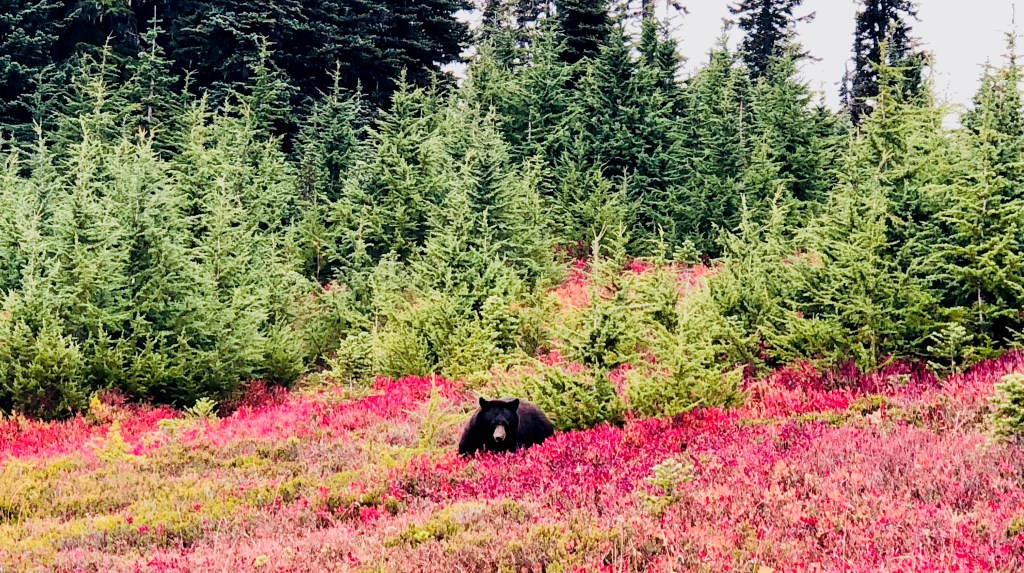
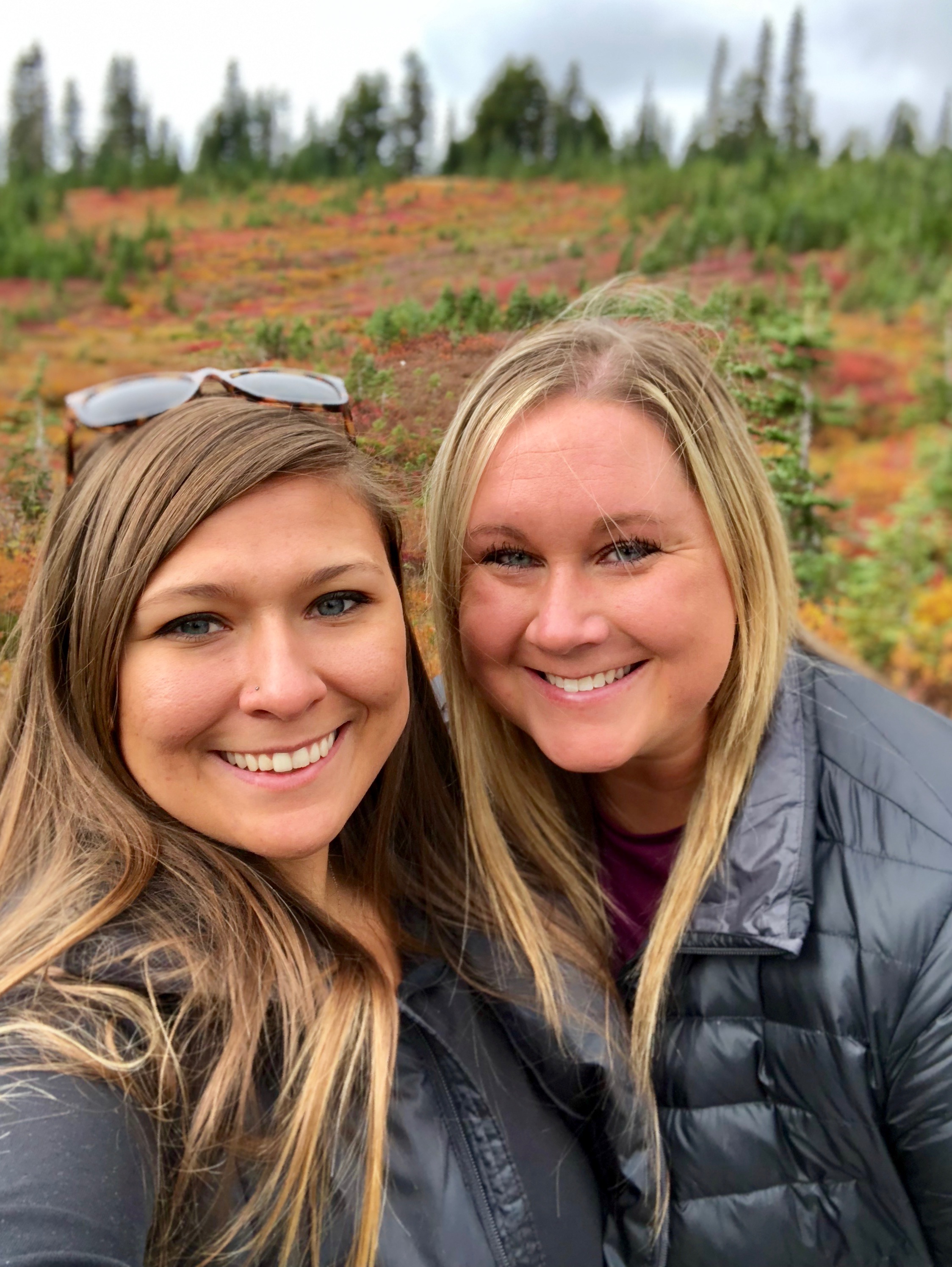
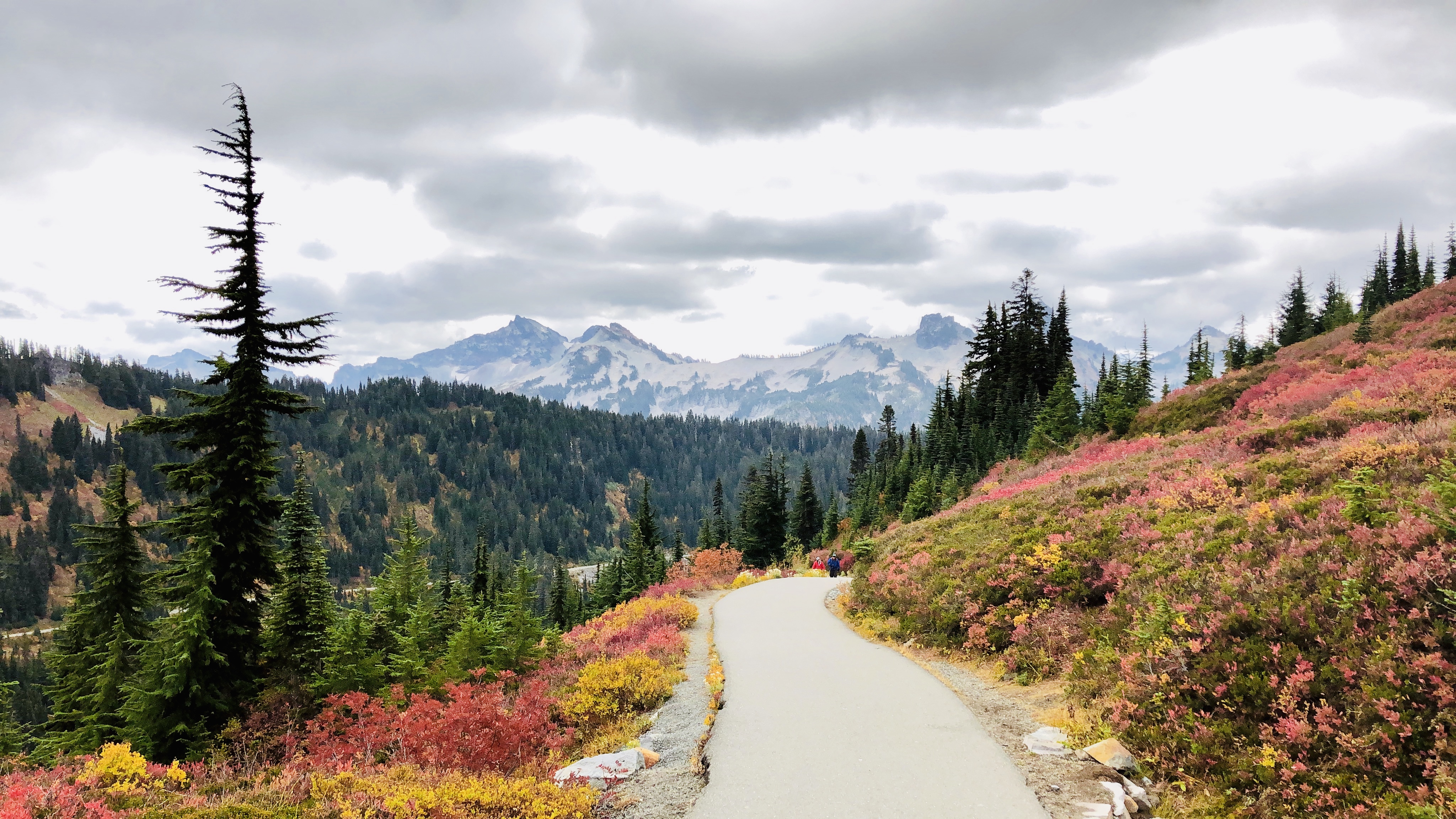
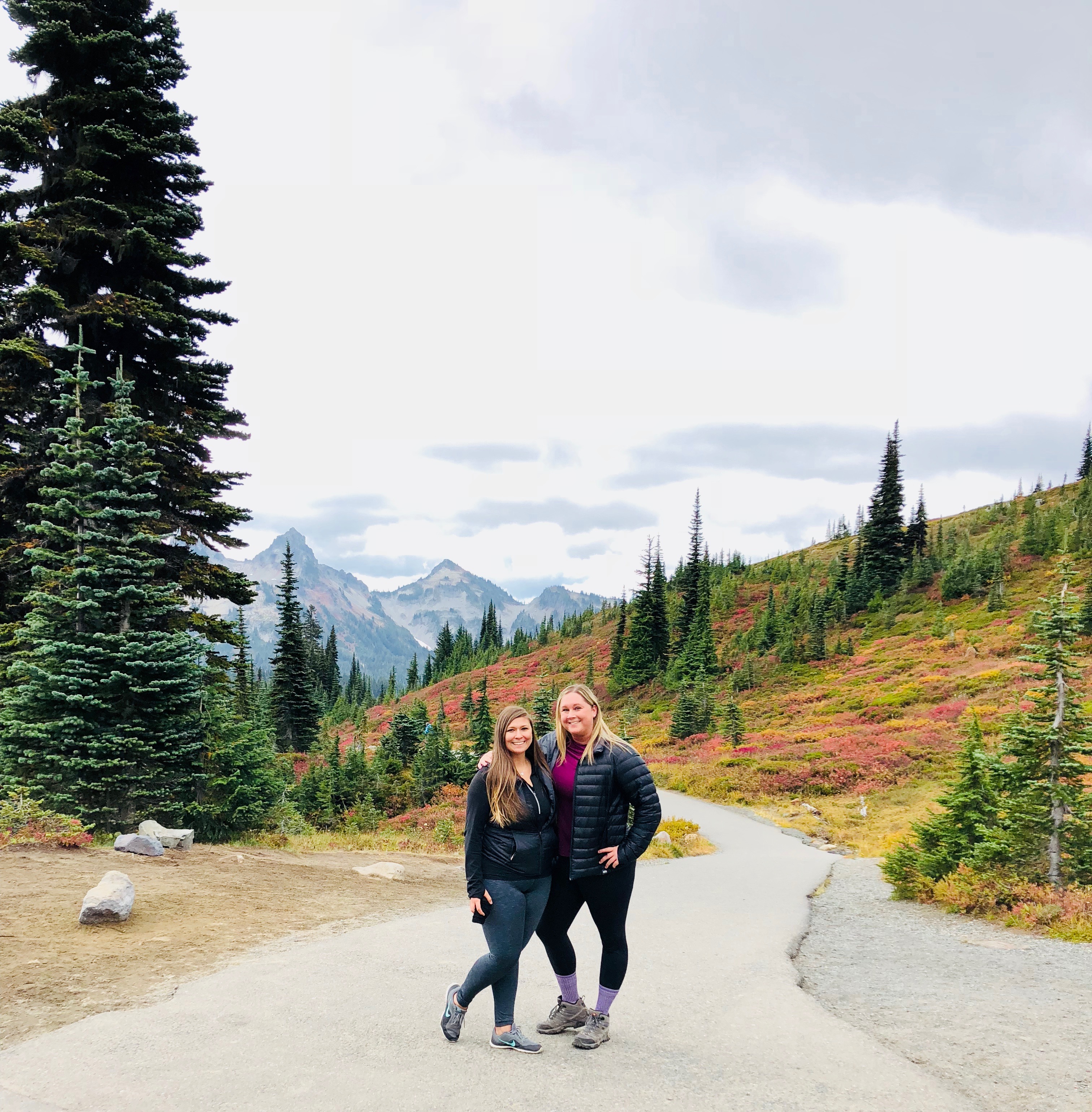
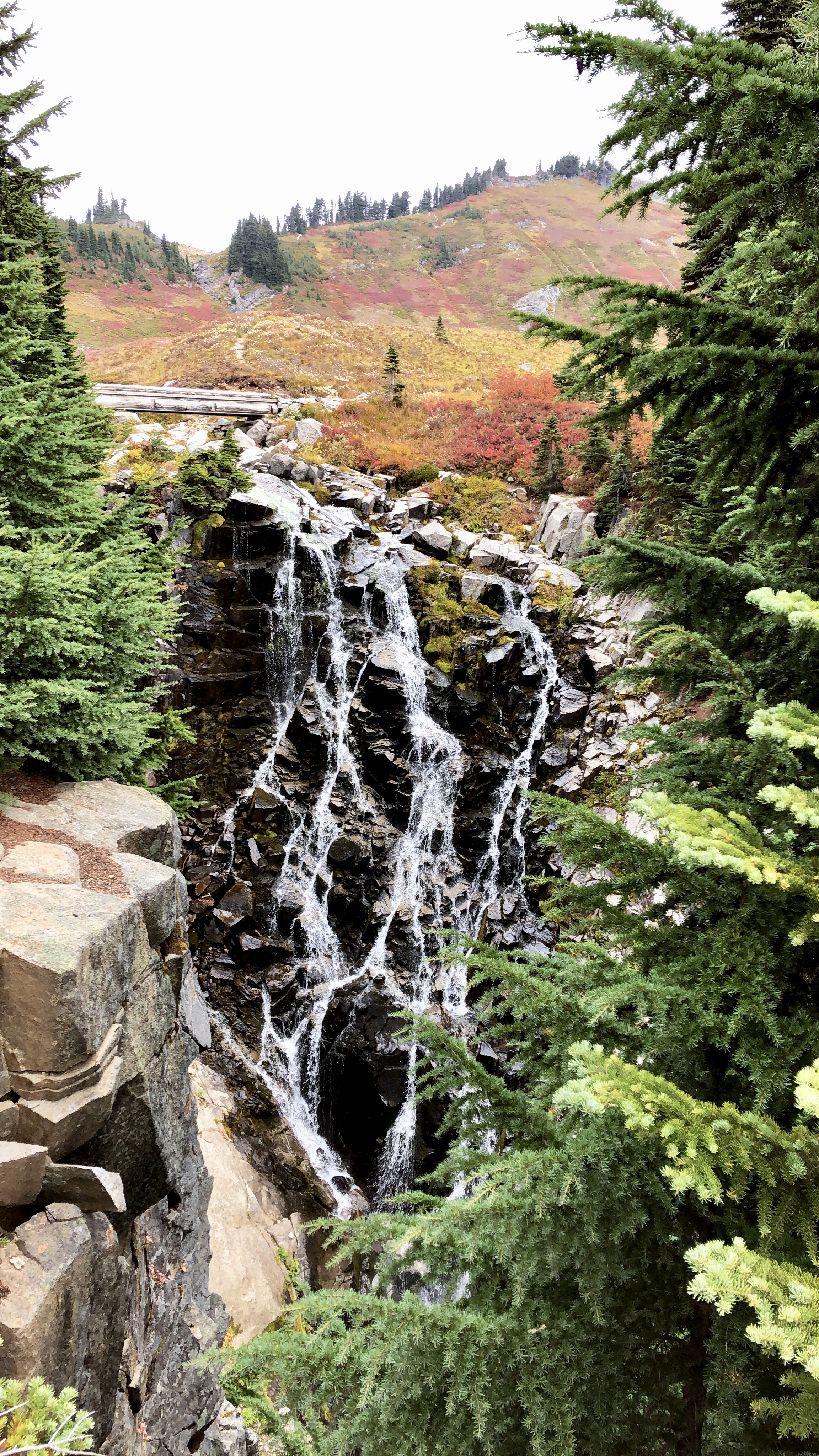
Next, we drove along the scenic route up to the Paradise Visitor’s Center, and were welcomed by an actual fall paradise. We debated back and forth about going on a hike up there, and ultimately decided to. We hiked to Myrtle Falls, but could only make it a few steps at a time before stopping to take pictures of the fall foliage! We seemed to catch the fall colors at their peak, and it was like nothing I had ever seen before. Then, to top it all off, on our way back down from Myrtle Falls, we saw a black bear!! This was the first black bear I’d seen in the wild, and just felt like the cherry on top of a perfect day.
We then drove up to Sunrise Point, but when we got up there we were greeted with flurries, and almost everything was completely cloud covered. Even with the change in weather, this day still felt like complete magic. I often look back on our time at this park and can’t help but smile- thank you, Mount Rainier, for proving me completely wrong.
North Cascades
The North Cascades are often referred to as the American Alps. The jagged peaks in this vast wilderness hold more than 300 glaciers. We were a little past peak season when we arrived at this park, and struggled to find anything that was open, including the Visitor’s Center.
While we had been very fortunate with the weather up to this point on our trip, our time at this park mostly consisted of overcast and rain. We started along the scenic route, stopping at a few overlooks. We explored the Gorge and Diablo Vista Point overlooks. Unfortunately, I don’t think we truly got to appreciate the vast beauty the North Cascades offer. This just means I’ll have to make a trip back! 😉
Seattle
With our flight not leaving until the next evening, we had a
full day to explore Seattle before flying back home.
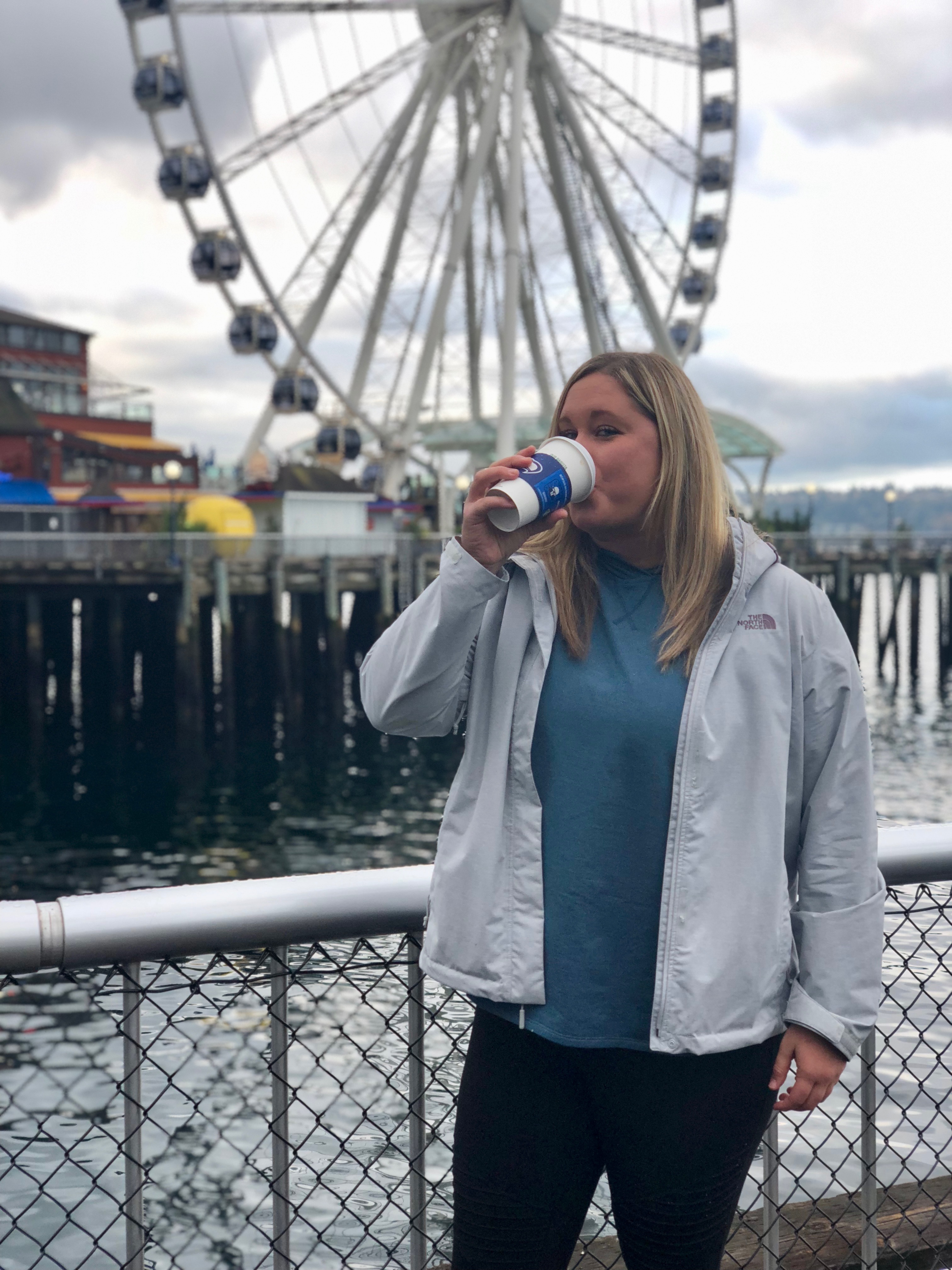
Of course, we had to hit up the first Starbucks before walking around Pike Place Market. We grabbed our coffee, along with some delicious pastries from a bakery, and had breakfast on the waterfront.
We then did a self-guided walking tour through Pike Place Market, and bought a few souvenirs. After walking around more of downtown, we made our way to Kerry Park, and then had lunch at The Queen Bee Café. We both ordered a crumwich, which is a “crumpet sandwich.” Equally interesting and delicious.
We then walked around the shops at Queen Anne for a while before heading to the airport. While we felt a little out of our element exploring a city instead of a National Park, it was still a fun way to end of our time in Washington before heading back to Utah.
On March 1, 1872, Yellowstone became America’s first National Park. This park spans 2.2 million acres and holds half of the world’s geothermal features. The variety of terrain and wildlife is unmatched. Yellowstone can be accessed year-round, but summer (June-August) and winter (December-mid March) are the park’s busy seasons.
My roommate and I made our way towards Yellowstone’s west entrance in West Yellowstone, Montana last September. This is the park’s busiest entrance, and it is open to vehicles from mid-April to early November. Due to heavy snow, only snowmobiles are permitted through this entrance during the winter months.
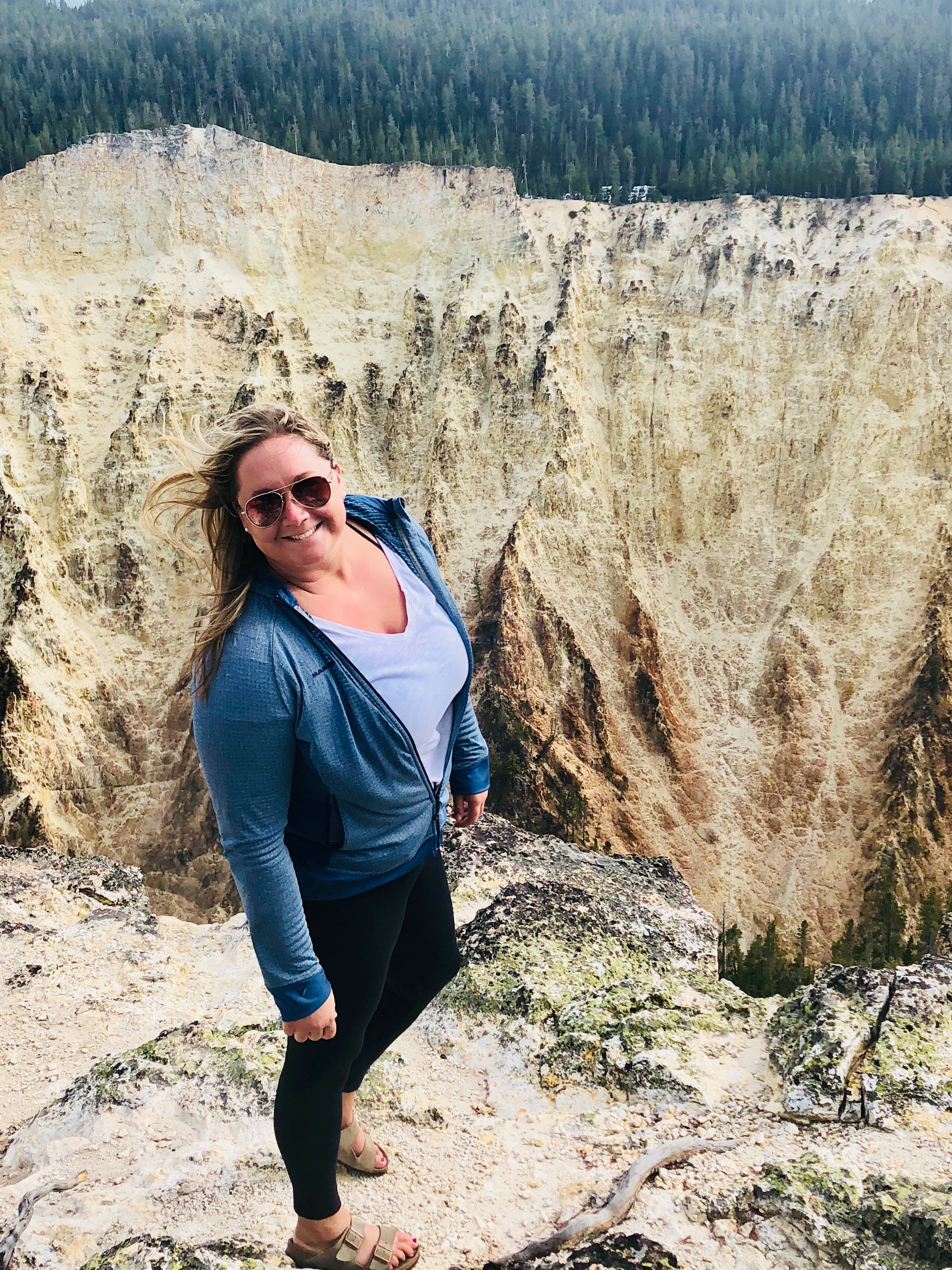
Our weekend was jam packed! The park is configured like a figure-eight, and we accomplished the majority of the bottom loop our first day, and went back for more the next. Our main stops included: Gibbon Falls, Grand Canyon of the Yellowstone, Yellowstone Lake, Lower/Midway/Upper Geyser Basins, and Old Faithful.
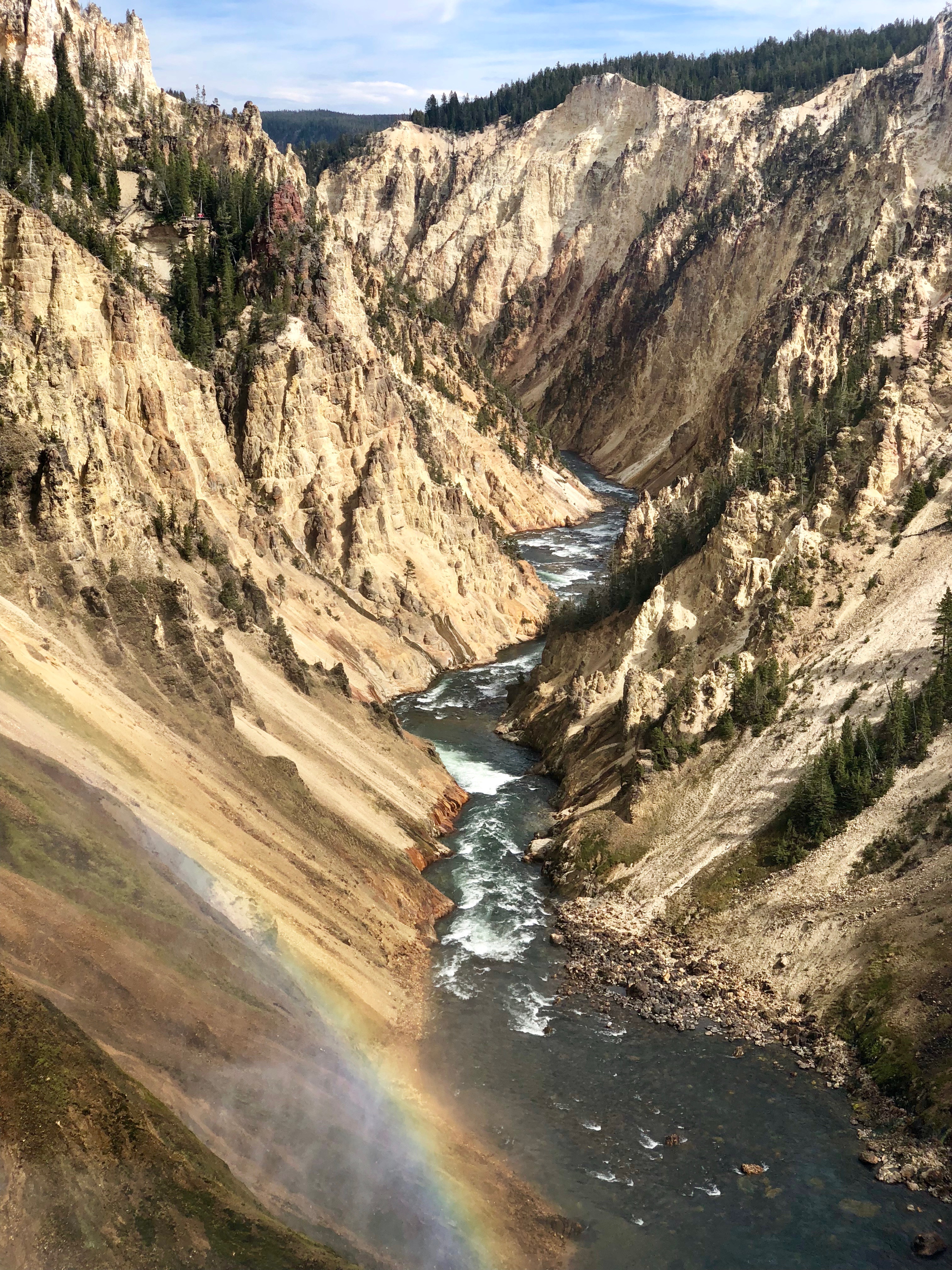
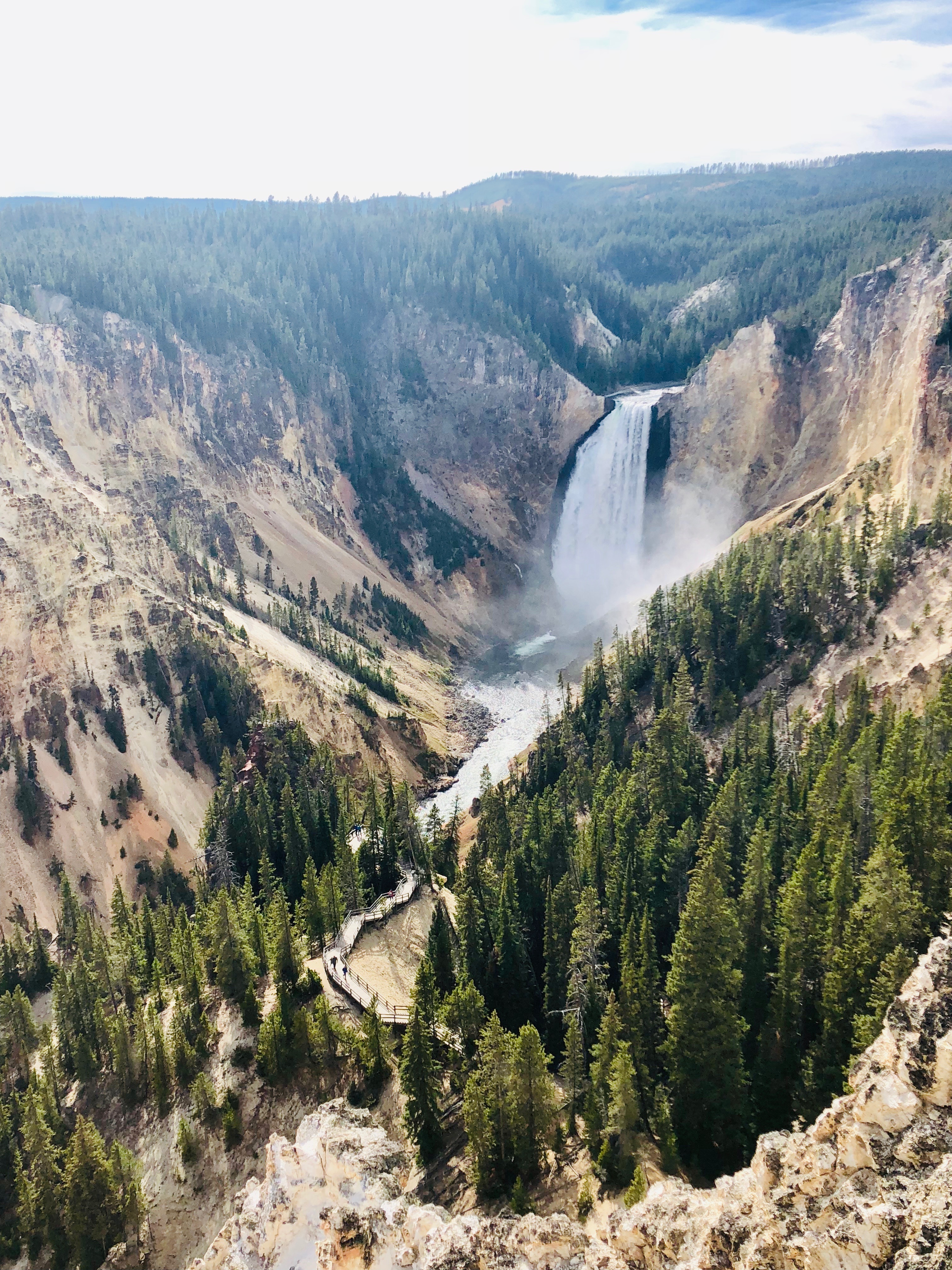
Grand Canyon of the Yellowstone. The North and South Rim Drives offer multiple
viewpoints and overlooks of the canyon and Yellowstone River. Many of the viewpoints include a couple hundred
feet of descent down to the view, making it a steady climb back up… but well
worth it.
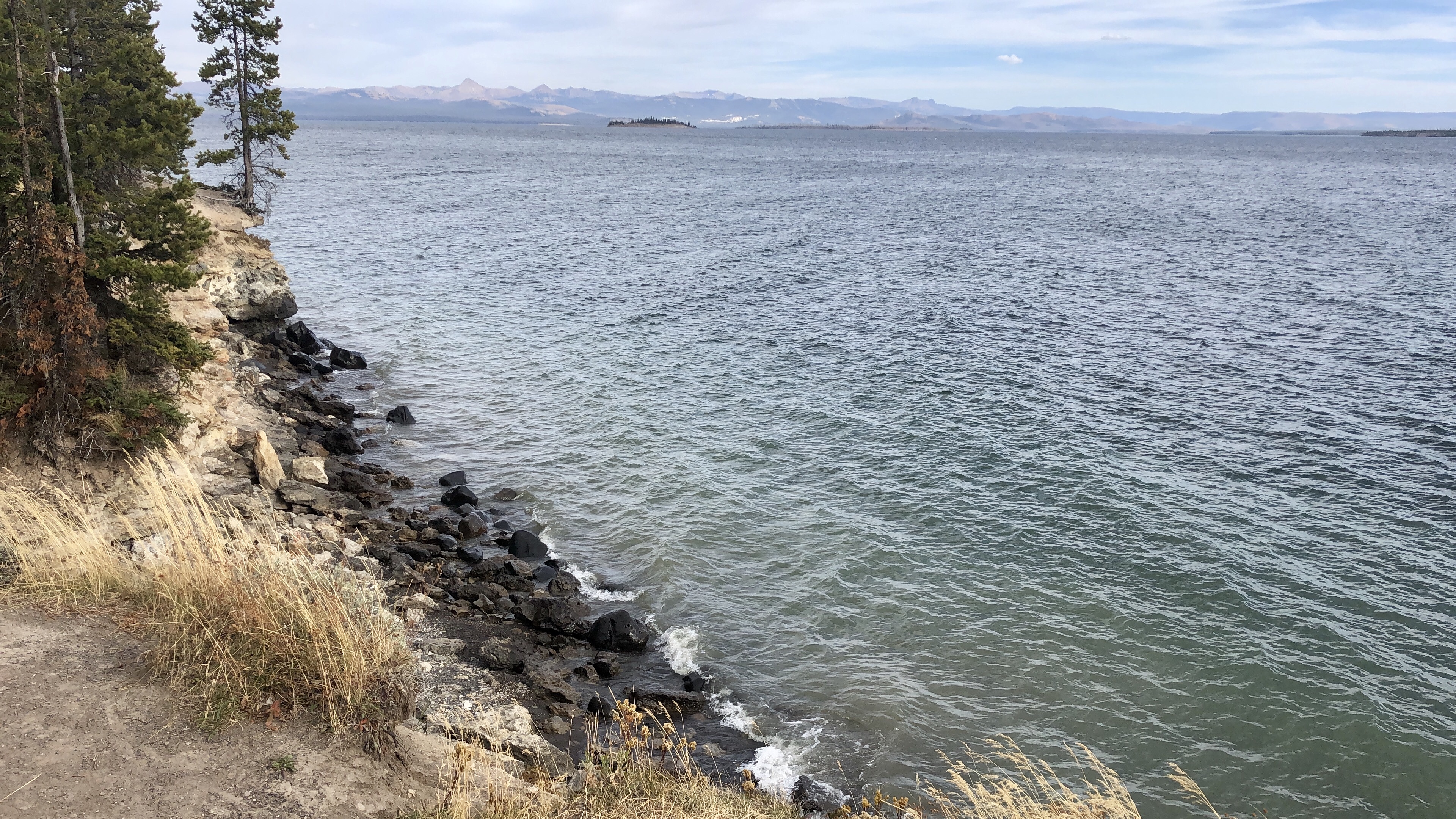
Yellowstone Lake. Known as the largest body of water in Yellowstone and the largest high-elevation freshwater lake in North America. We pulled over at a picnic area and made our way down to one of the shores and explored!
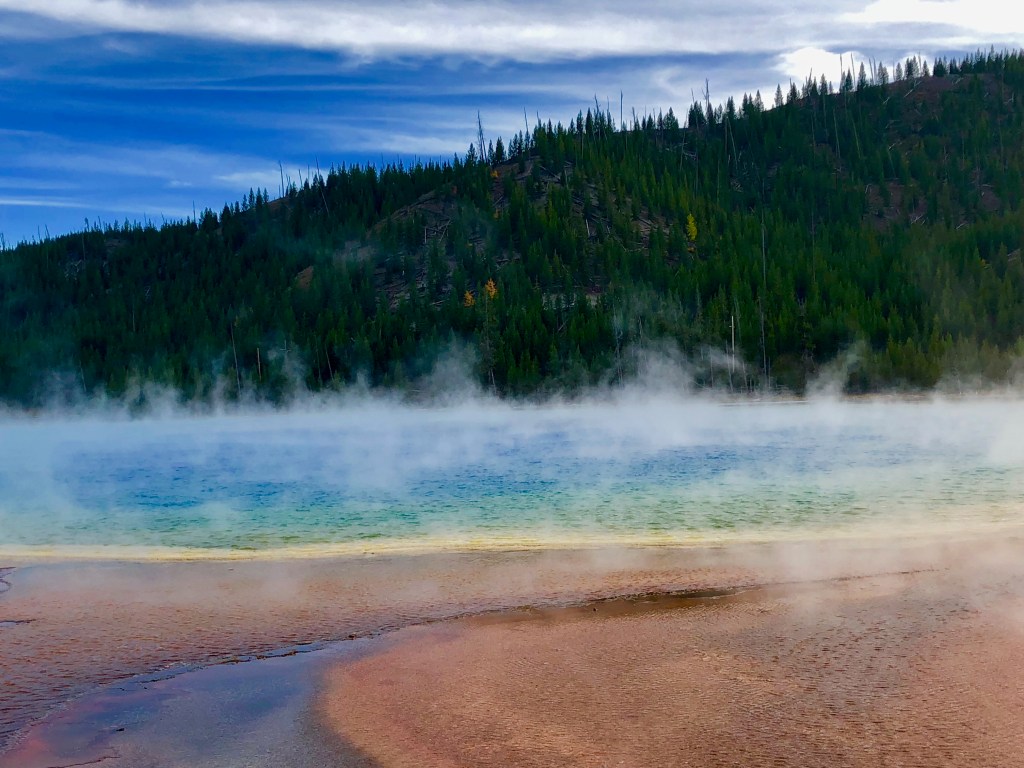
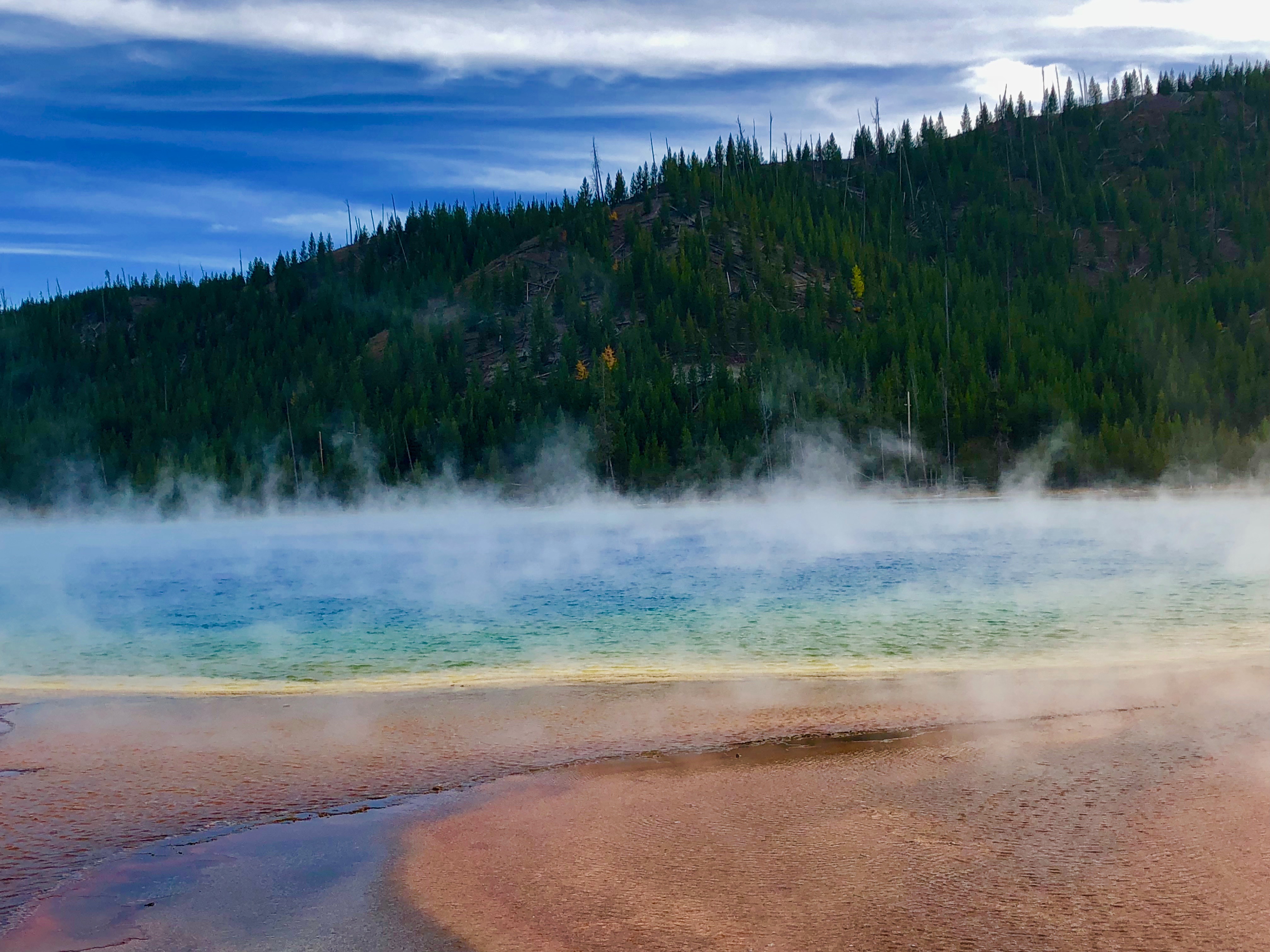
Lower/Midway/Upper Geyser Basin. There are over 10,000 hot springs and geysers in the park, several which can be explored by boardwalk or paved trails. Lower GeyserBasin area holds over 100 geothermal features. Midway GeyserBasin holds the Grand Prismatic Spring, which is Yellowstone’s largest single hot spring, and the world’s third largest hot spring. This is a very colorful hot spring, reflecting many colors from the rainbow. There is also a very cool hike, the Fairy Falls hike, which hikes up so you can see above the Grand Prismatic Spring, offering a different perspective of the hot spring. Upper GeyserBasin is home to Old Faithful. Old Faithful is Yellowstone’s largest geyser basin, and one of the most popular areas of the park.
Old Faithful. This area of the park is awesome. Not only is there the popular geyser, but the Old Faithful Lodge General Store are cool places to explore as well. On average, Old Faithful erupts every 90 minutes, and can shoot water on average 135 feet in the air. They typically have the estimated eruption times listed in the lodge for the day. Fun fact: Old Faithful has erupted more than a million times since Yellowstone became America’s first National Park.
What we missed: Lamar Valley & Hidden Valley
Lamar Valley is often called America’s Serengeti for its large and easily spotted animals. This area is your best chance to spot grizzly bears, wolves, bison, proghorns, badgers, bald eagles, deer, coyotes, etc. There are numerous pull-offs and overlooks along the road surrounding this area so you can scope out the wildlife. Just FYI, animals tend to be most active at dawn and dusk!
While Lamar and Hidden Valley might be your best opportunity for seeing a variety of animals in one place, it is almost guaranteed that you will still see wildlife outside those valleys, especially bison. On our trip, we were stopped in traffic multiple times for bison that were either crossing, or just hanging out in the middle of the road. Don’t forget this is not a zoo, and these wild animals will charge you if they feel threatened! Always keep a safe distance when observing.
Things to bring with you to Yellowstone
Bear spray. Seriously. Especially if you plan on going off the main roads and into the backcountry.
Sturdy shoes. You’ll want shoes that provide good traction and support for hiking.
Jacket. No matter what the season, the weather is unpredictable. At higher elevations, it still cools off in the evenings, even in the summer months.
Binoculars. Good for viewing animals in Lamar & Hidden Valley.
Resusable water bottle. Save money (and the environment) by packing a reusable bottle to fill up in the park.
When I first moved to Salt Lake City, I was nervous for multiple reasons: new city, new job, first time truly living on my own, and to top it off, I didn’t know anyone. This was a big risk, but I knew it was something I needed to do for myself and my career. Turns out, it was one of the best decisions I’ve ever made. I love where I work and what I do, and as a bonus I’ve met some great friends. One day I went on a hike with a nurse I work with (who you’ll see in a lot of my pictures), and through chatting we figured out that we had very similar travel goals- one in particular, to travel to all the National Parks in the United States. This Oregon and Northern California trip was the first trip we planned together, and turns out we travel really well together (thank goodness, haha). Our favorite thing to do is trip plan on trips, so we basically always have an adventure planned 😉
This trip was initially planned with the intention of going to Crater Lake and the Redwoods, but with a little further research, we added in Lassen Volcanic National Park, which is also located in Northern California. We scored cheap flights from Salt Lake to Medford, OR for around $115. Believe it or not, this is how we plan the majority of our trips- we follow a few Instagram accounts that post about cheap flights from Salt Lake City to around the country (and world), and then check to see what national parks are by these cities. Grouping parks together is an added bonus if you can swing it!
Crater Lake
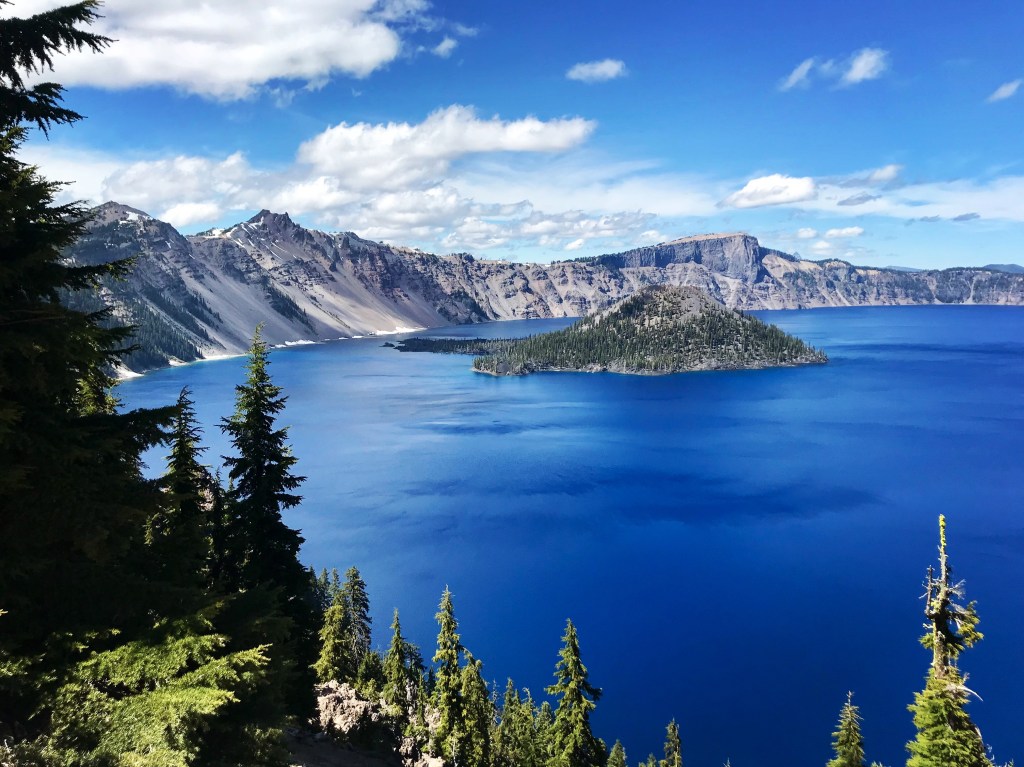
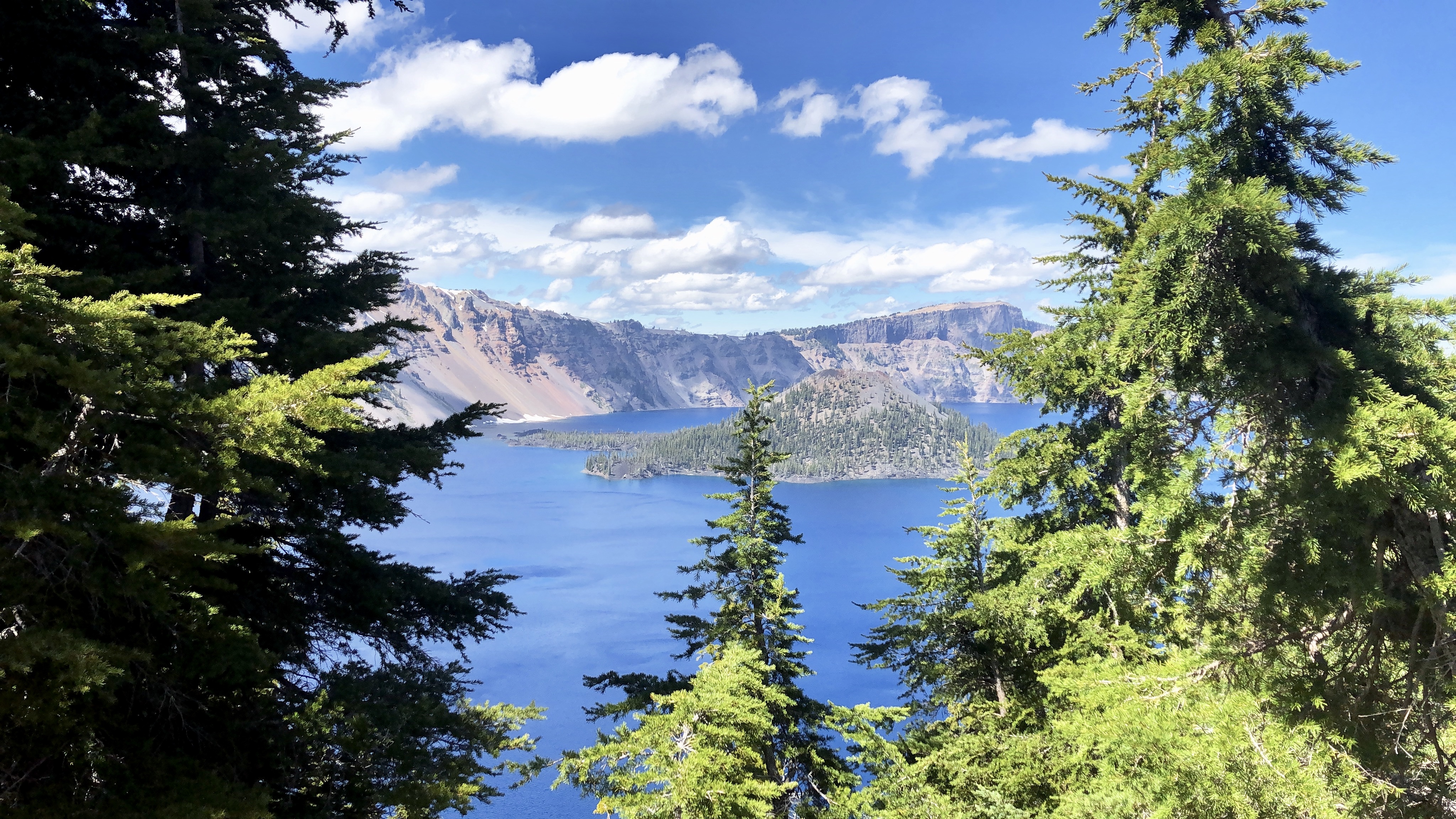
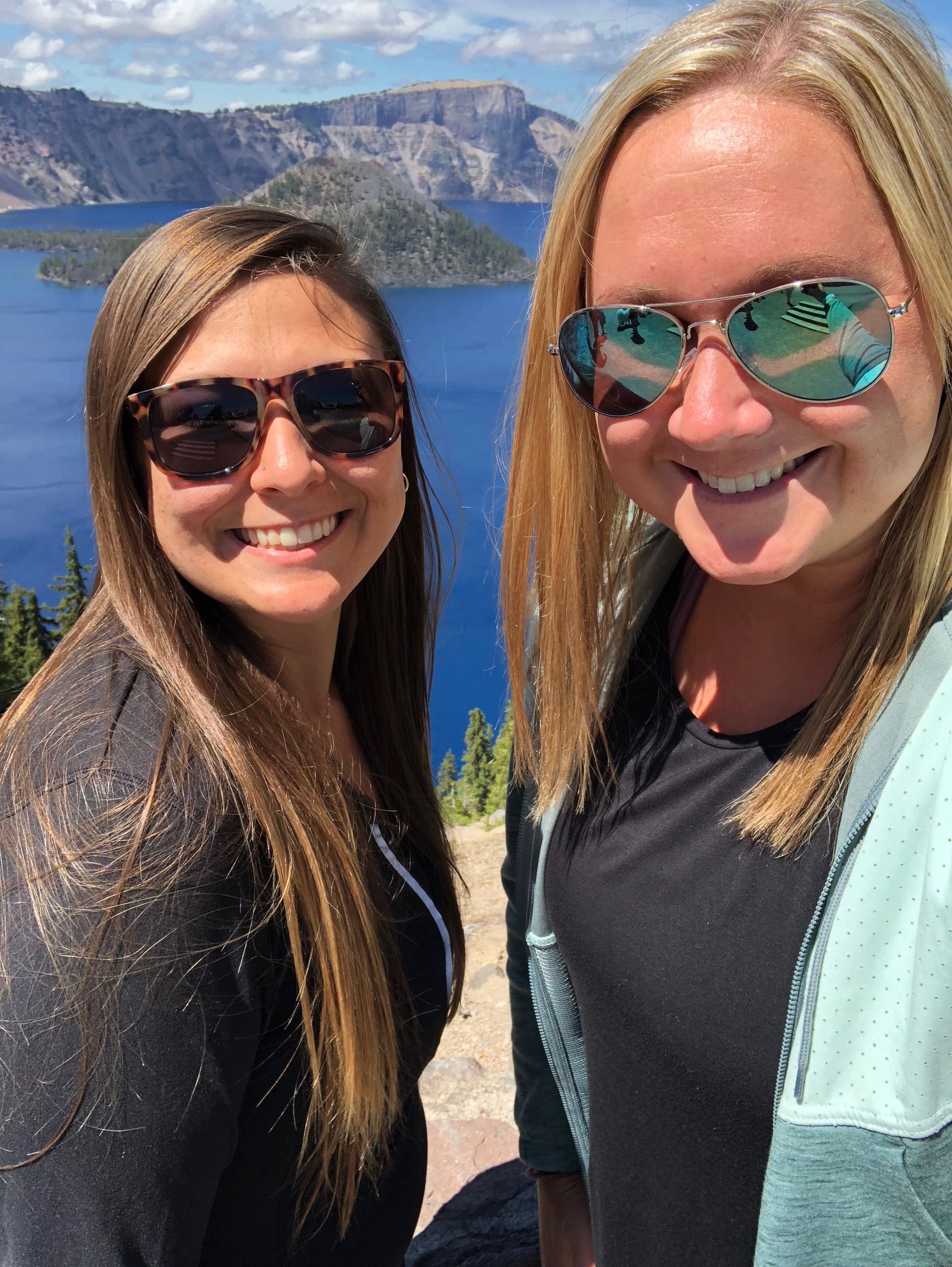
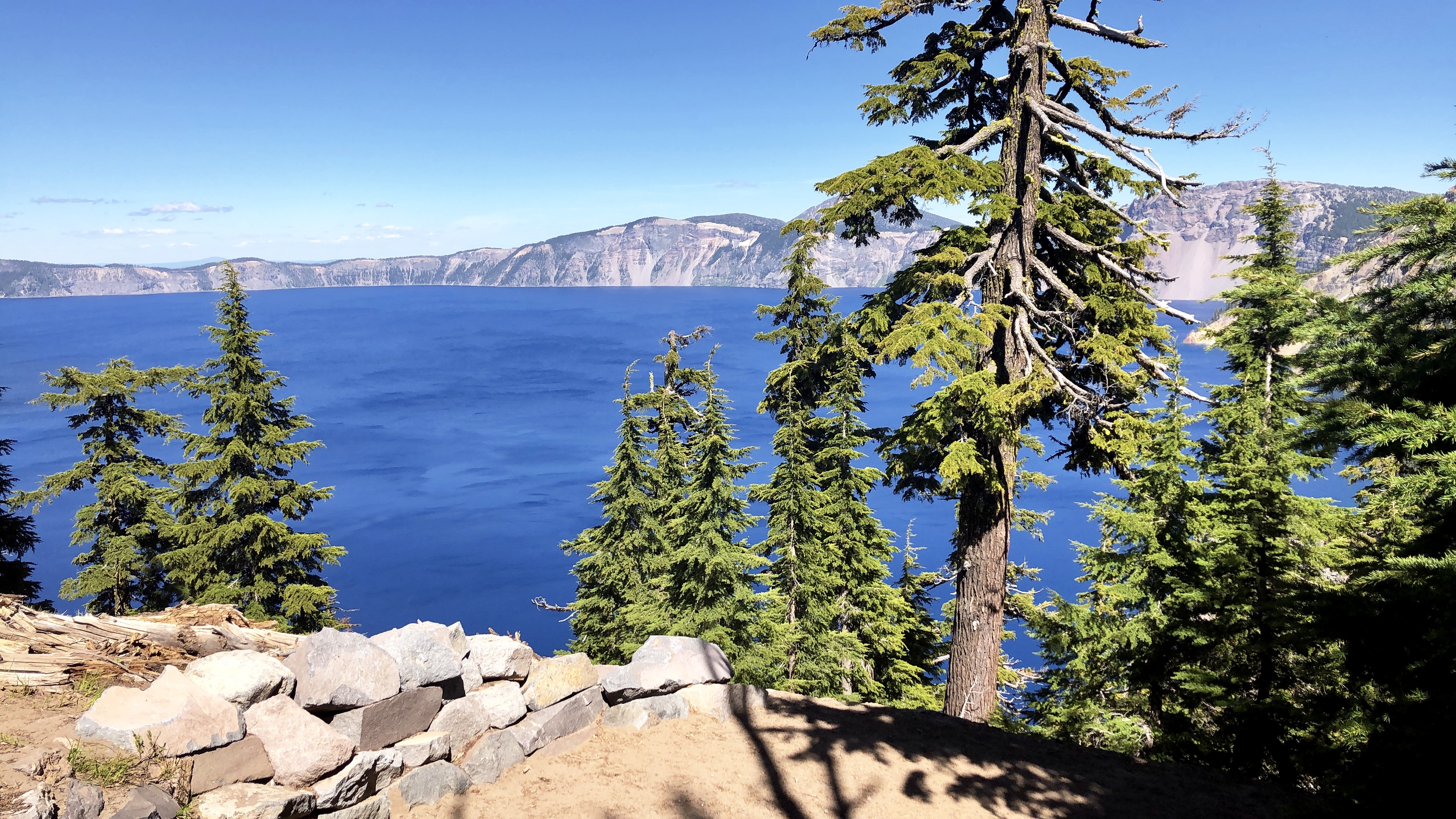
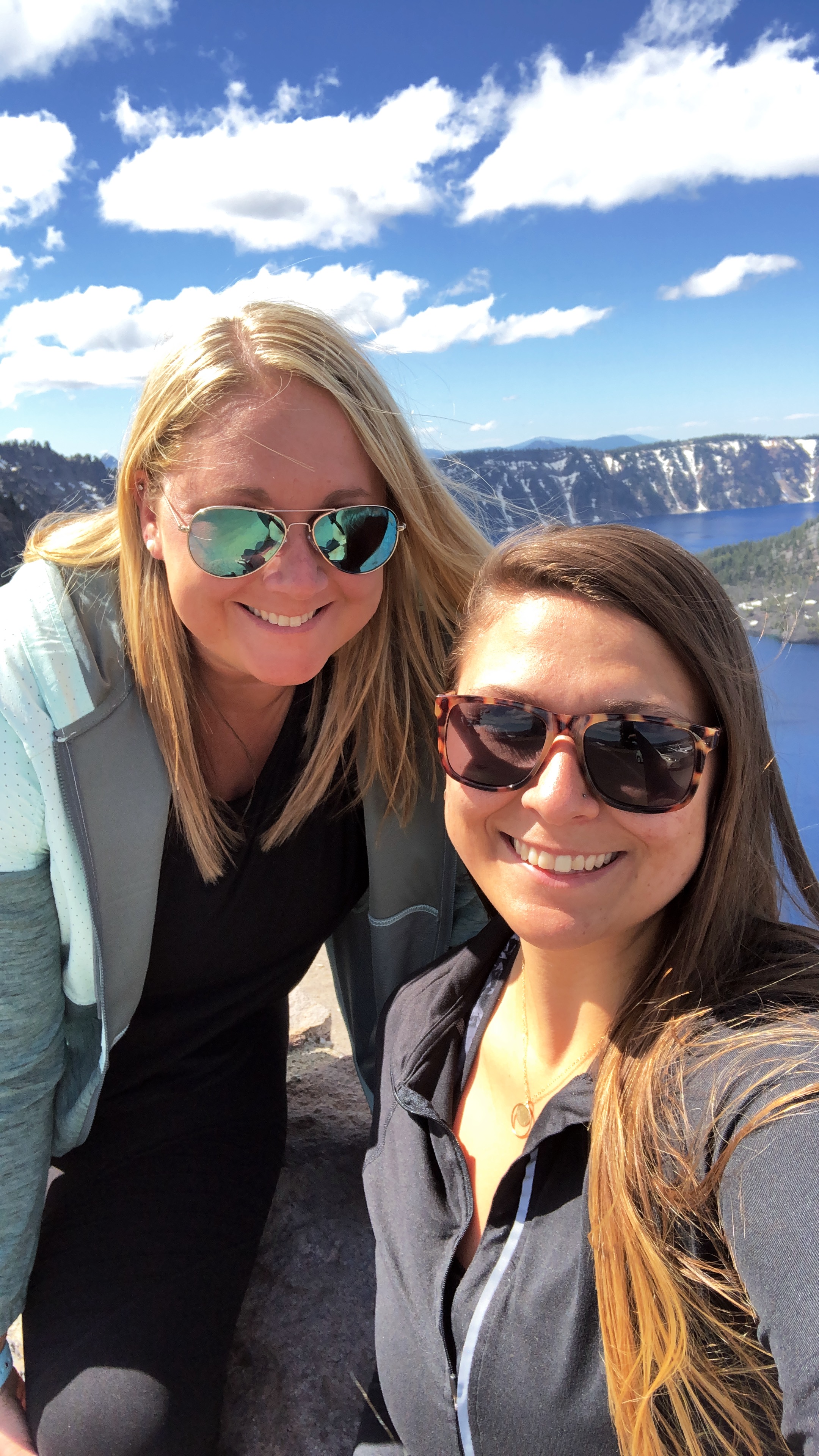
Crater Lake is truly one of the most beautiful lakes on this planet. Its stunning blue color is mesmerizing. It reaches a depth of 1,949 ft, which makes it the deepest lake in the United States. The airport in Medford, Oregon was just over an hour drive from the park, so we made it a day trip. Unfortunately, when we planned our trip, we didn’t realize that so much of the park would still be closed mid-June. Many of the park’s roads, trails, and facilities are closed until mid-late July depending on snowfall, so we were a few weeks early. With our time, we drove as far as we could along the scenic route and pulled off at the various overlooks to get different perspectives of the lake. After exploring the park, we made our way back to Medford, stopping at a few local parks along the way and eventually eating dinner at a local brewery.
Although Crater Lake National Park is open 24 hrs a day, 365 days a year, if you want to take advantage of everything the park has to offer, I recommend going in mid-July through August! Here are a few things you can do during peak season:
Hiking
Park Ranger programs
Driving all the way around the lake (there are 30 different pull-off spots for photo opportunities)
Swimming (although it’s most likely REALLY cold!)
Biking along the paved roads
Boat tour
Fishing
Camping
Redwoods
The next day we drove south from Medford to the Redwoods along the Pacific Coast Highway (US Hwy 101). If driving along this highway isn’t on your bucket list, it should be. So beautiful and highly recommended!!
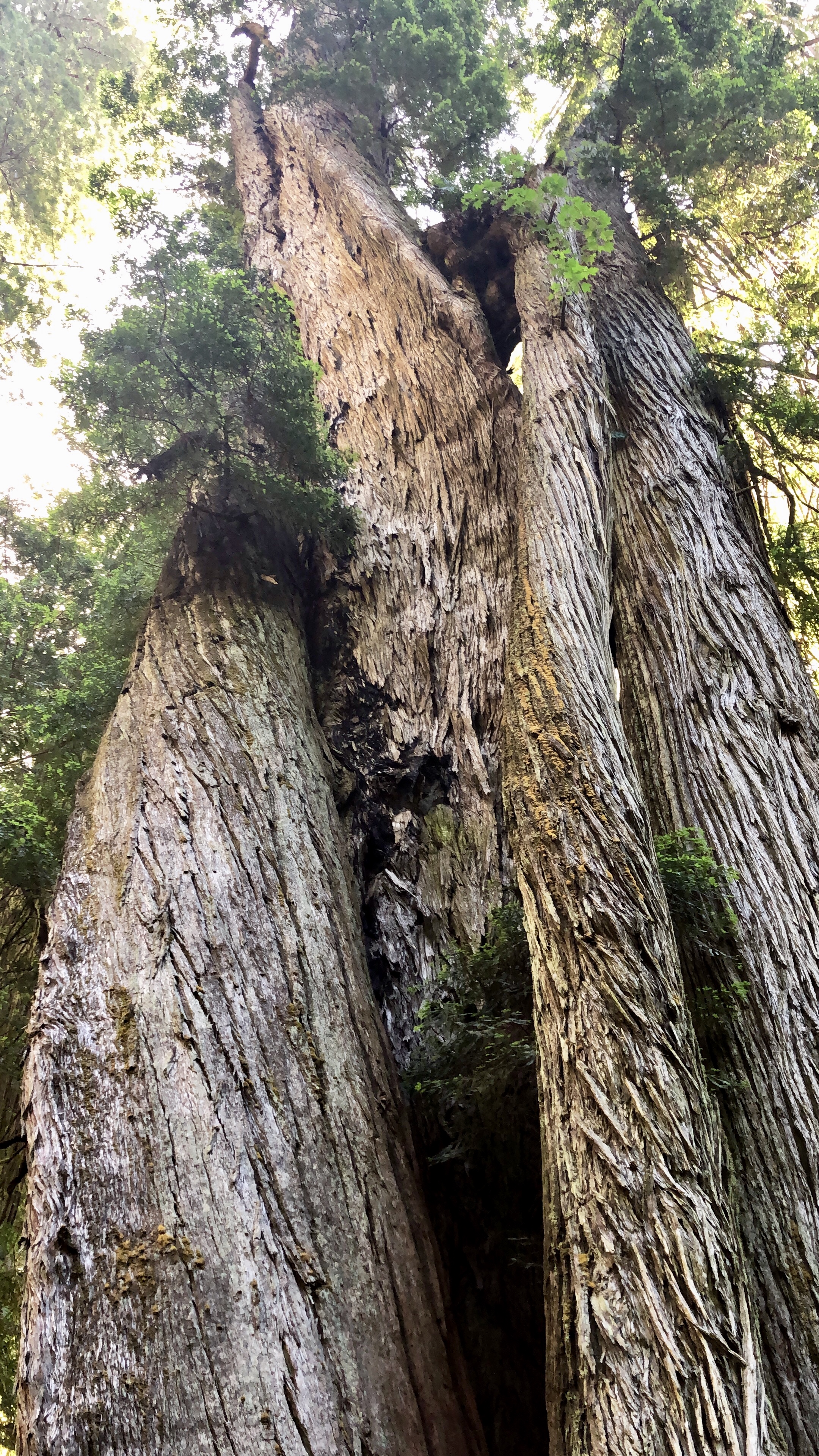
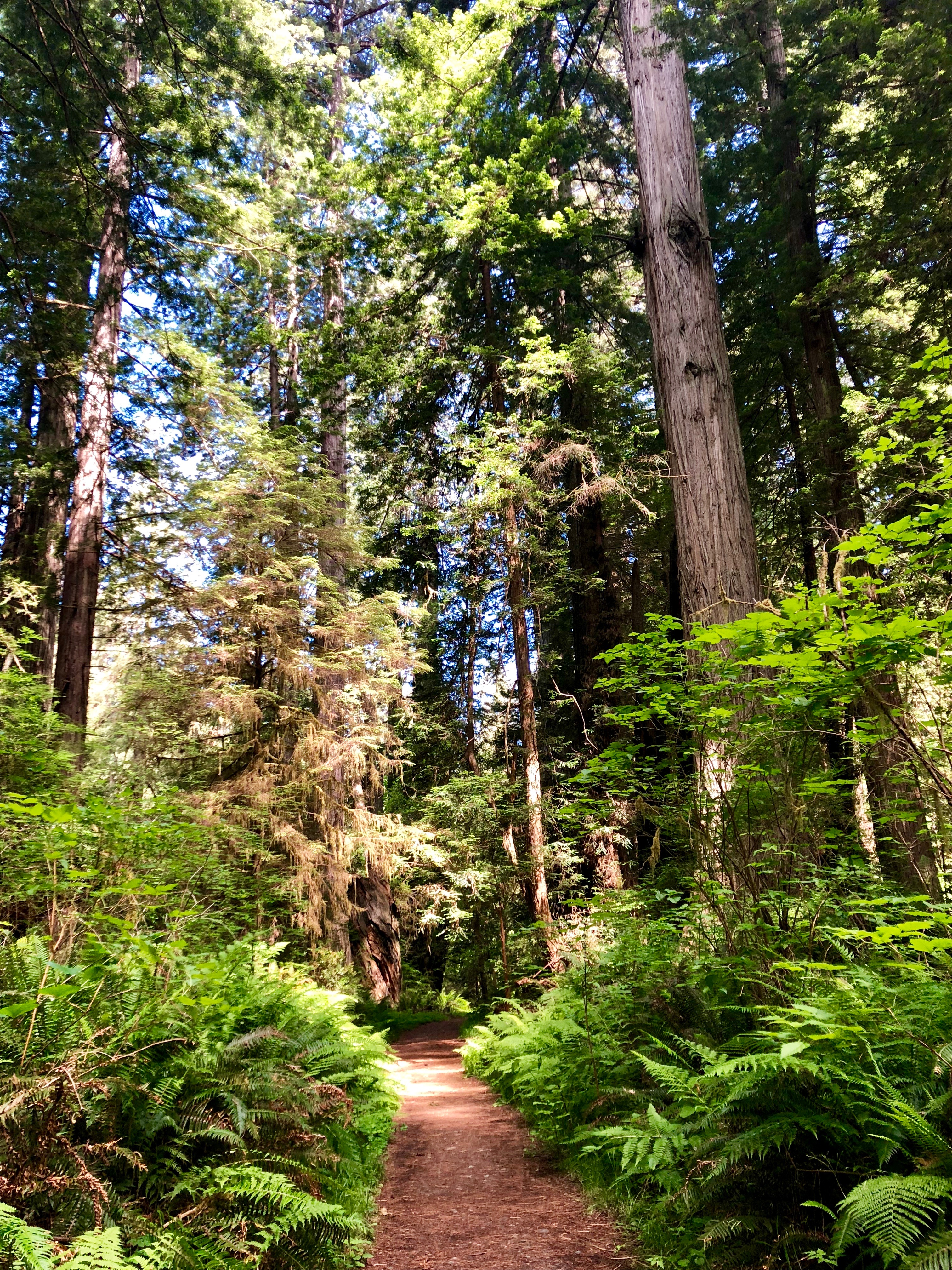
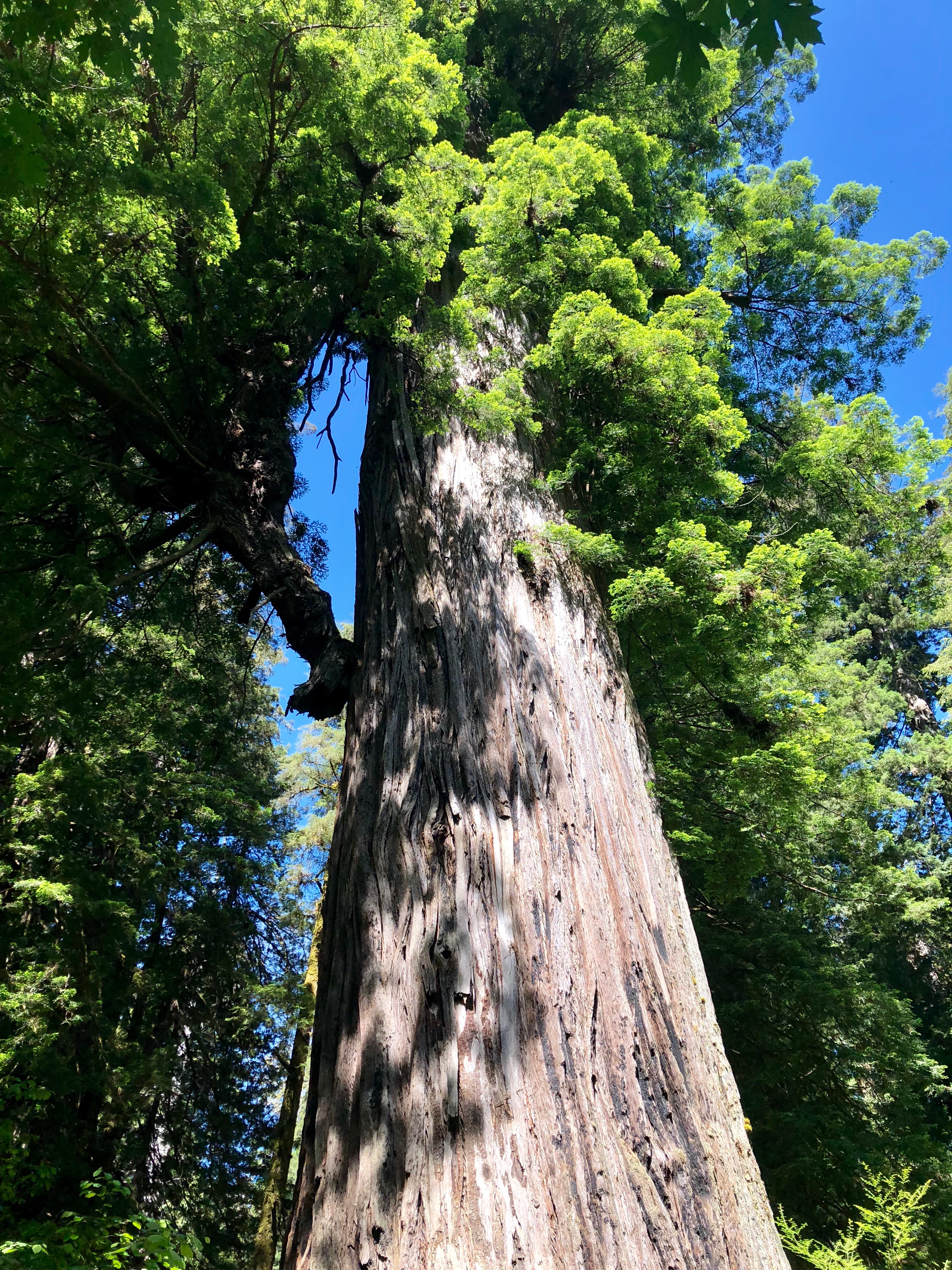
The Redwoods National and State Parks are known for housing some of the tallest trees in the world. However, in the park there are also prairies, rivers, and miles of beautiful coastline. Once we were in the Redwoods, we did a few hikes- Big Tree and Lady Bird, as well as a few other shorter nature trails, and otherwise just drove in awe of these giant trees.
After exiting the park, we continued along our scenic route to Arcata, California, which was our final destination of the day. We grabbed an early dinner and asked our waitress where we could find the best beaches. She gave us a few to choose from, Moonstone Beach being one of them, so we ventured that way after dinner. Moonstone beach was beautiful, but it was a bit crowded for our liking. We decided to pull up our map and drive along a more secluded road in search of more beaches. Well, after driving along a more hidden and winding road, and hiking down a steep trail (these should’ve all been signs), we found ourselves the most beautiful, secluded beach that just happened to also be an undeclared nudist beach. As you can imagine, this was quite the surprise… but it has made for such a funny memory and great story.
The beautiful, infamous beach we stumbled upon.
Lassen Volcanic
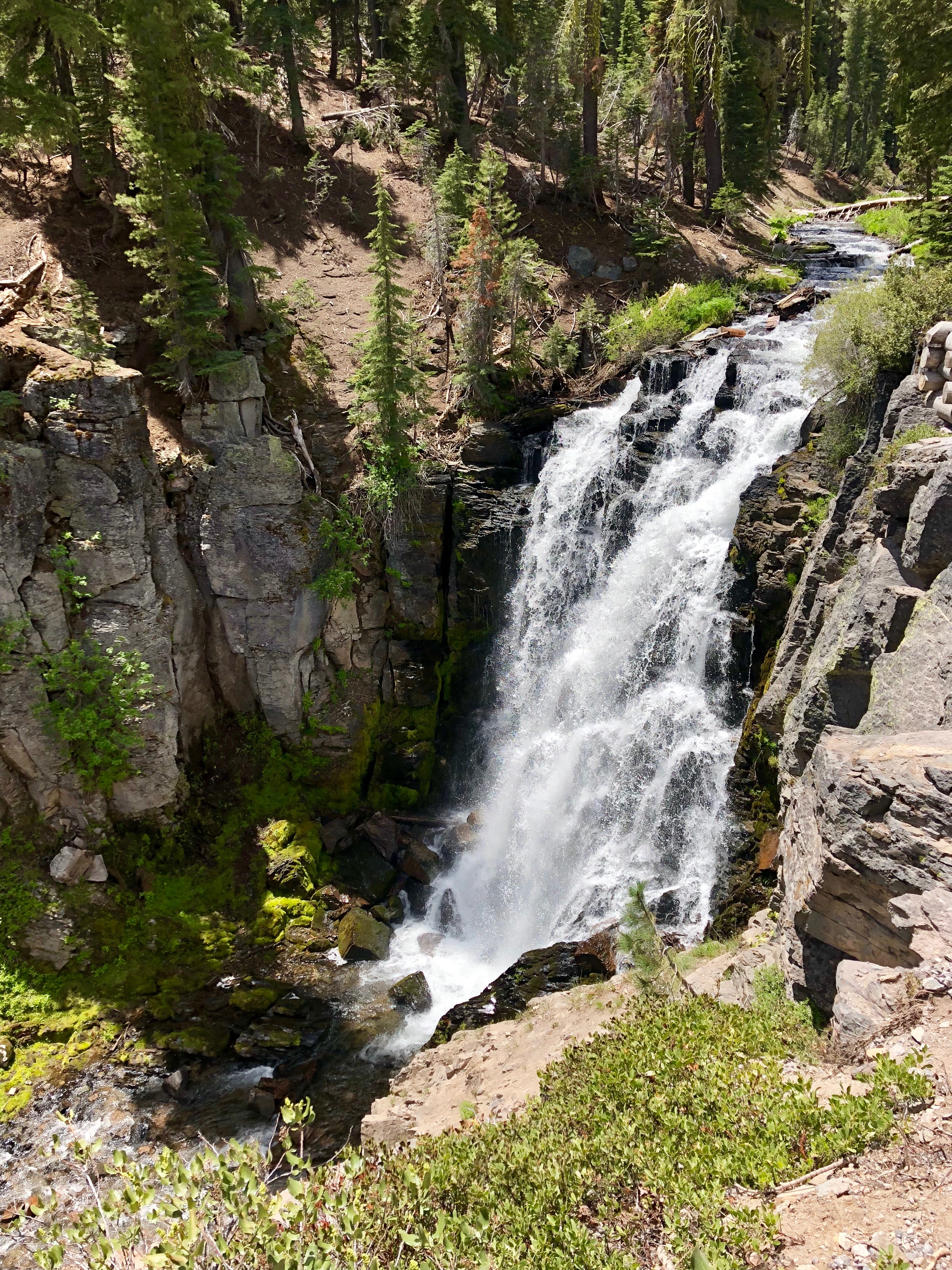
The next day we ventured towards Lassen Volcanic National Park. Even though Lassen Volcanic is one of the oldest parks in the U.S., it isn’t one of California’s more well-known parks. This park was established in 1916, and it is one of the only places in the world where you can see all four types of volcanoes (plug dome, cinder cone, composite, and shield) in one place. At Lassen Volcanic you can also find hydrothermal areas, meadows of wildflowers, and crystal-clear mountain lakes.
This is where we did the majority of our hiking. As a fun incentive, after you complete three different hikes in the park, a Park Ranger will reward you with a bandana at the visitor’s center. We hiked King’s Creek, the Sulphur Works area, Lake Manzanita, and then explored Lake Helen. Unfortunately, one of the main areas we wanted to hike was closed– Bumpass Hell was closed for a multi-year trail reconstruction project. I guess we’ll just have to come back 😉
After our day at Lassen Volcanic, we drove to Redding, California and found the BEST pizza buffet ever. Market Street Pizza is the place to go– $7.99 for gourmet pizza buffet! Since this trip, it has been our goal to find the best pizza buffet’s in all the towns we stay… spoiler alert: so far, none have compared to Market Street Pizza!
The vibe of southern Oregon/northern California is unmatched. Even though we drove almost 1,000 miles in a
long weekend trip, I felt relaxed the whole time. Plus, the beauty is truly remarkable-
seriously, driving the Pacific Coast Highway needs to be on your bucket list!
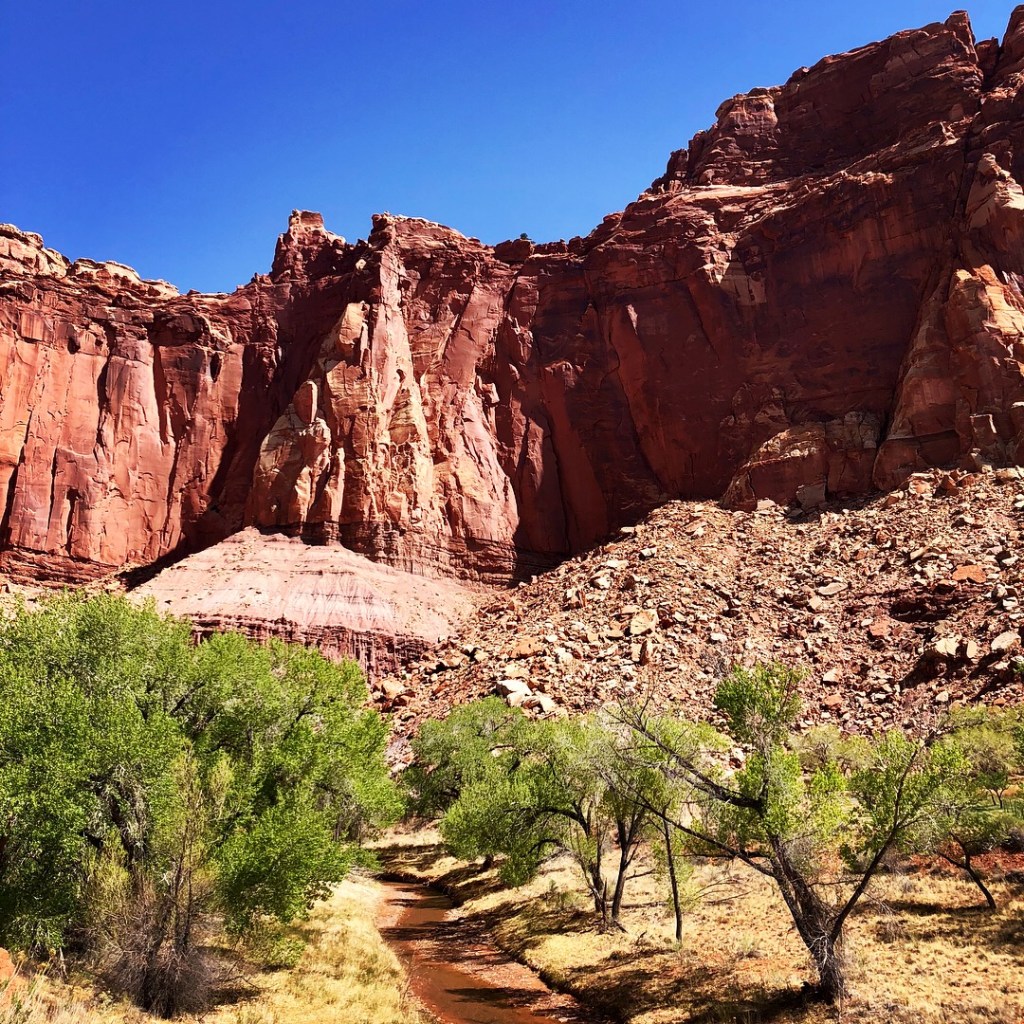
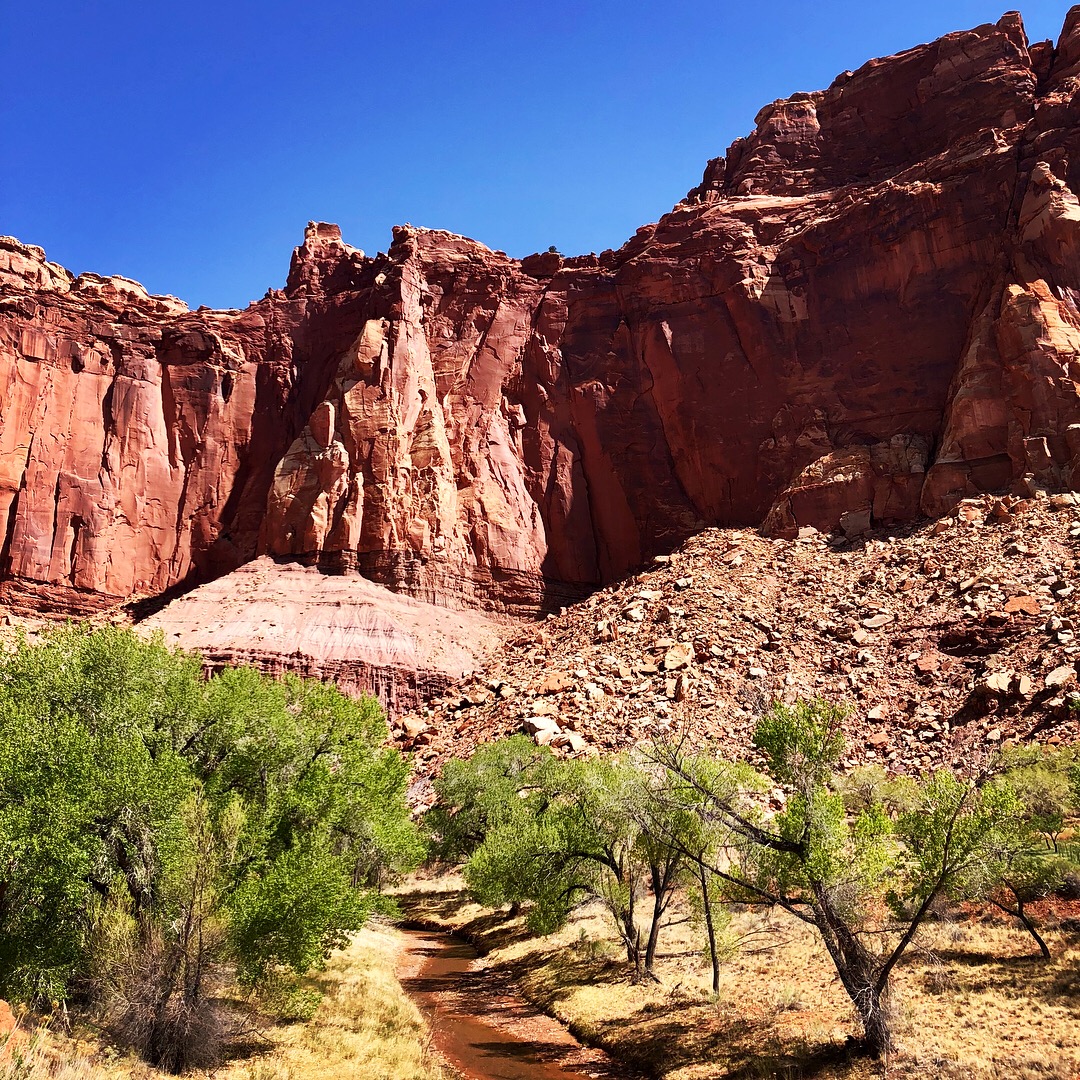
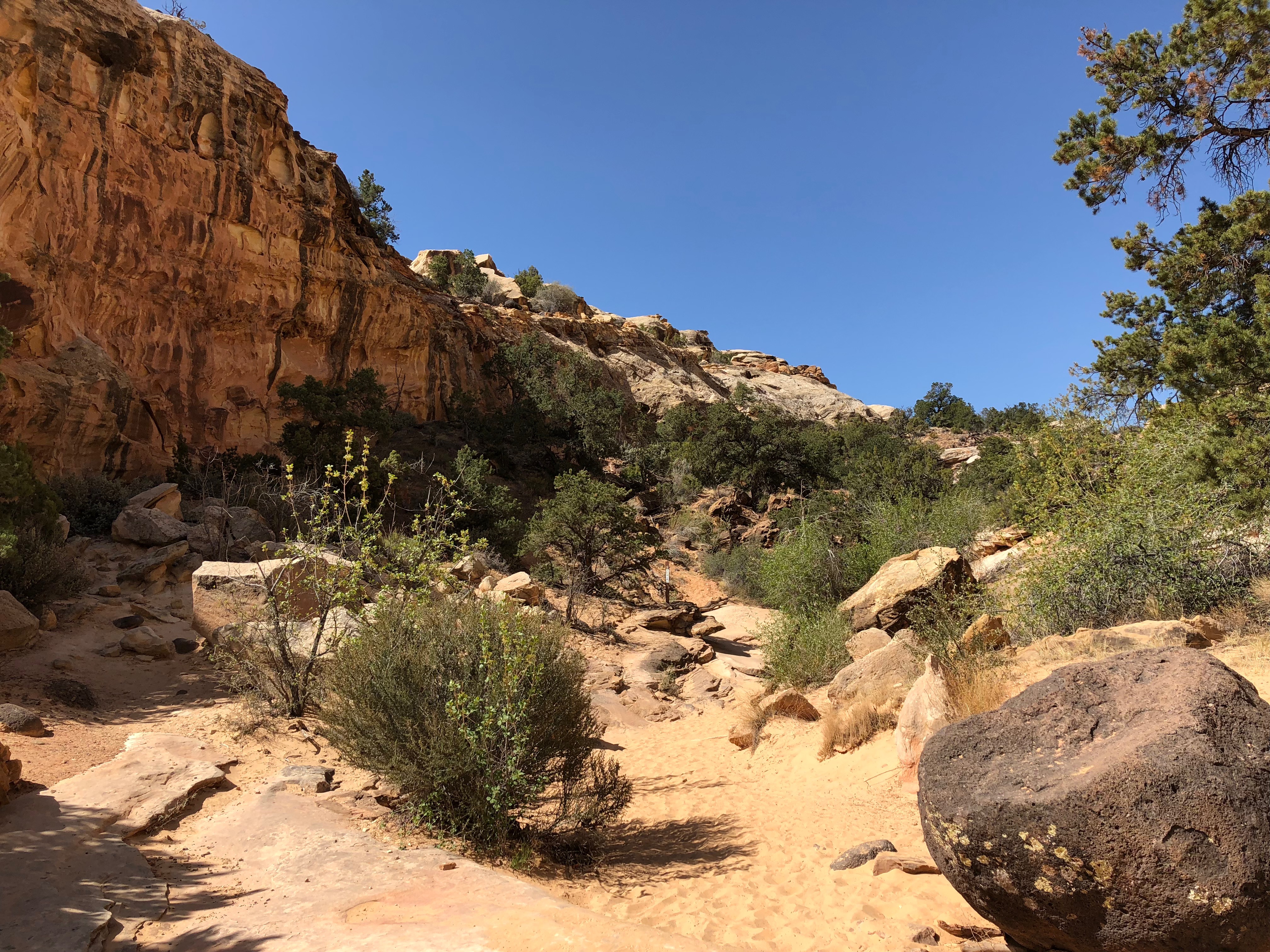
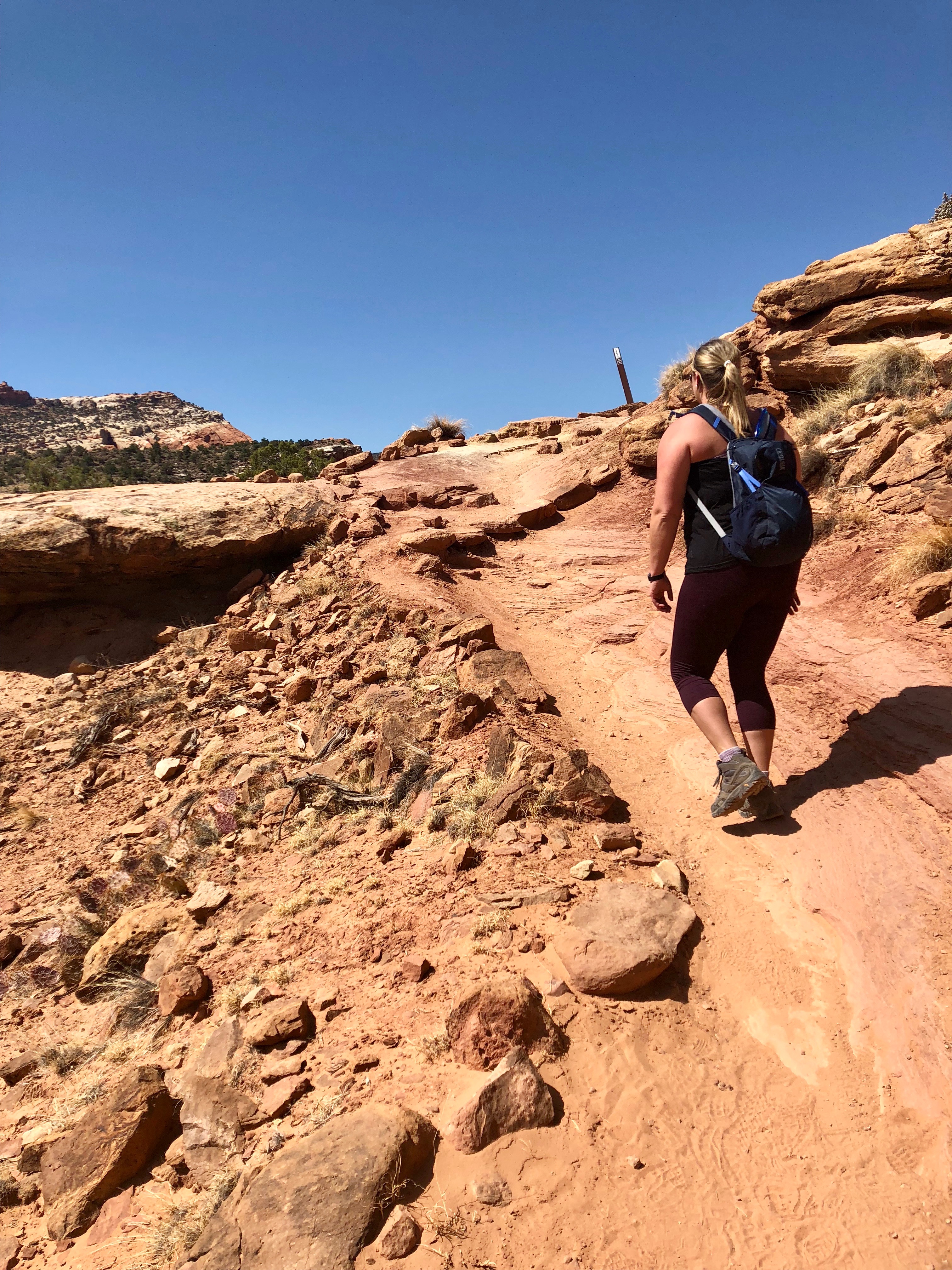
In my opinion, Captiol Reef National Park is Utah’s best kept secret. This is the least visited park of the “Mighty Five” in Utah, but it’s truly a hidden gem. My sister and I made the quick trip down to southern Utah while she was in town visiting me for the weekend. The whole time we were exploring Capitol Reef, I kept thinking about how much it reminded me of Zion, except without the crowds, which was so lovely!
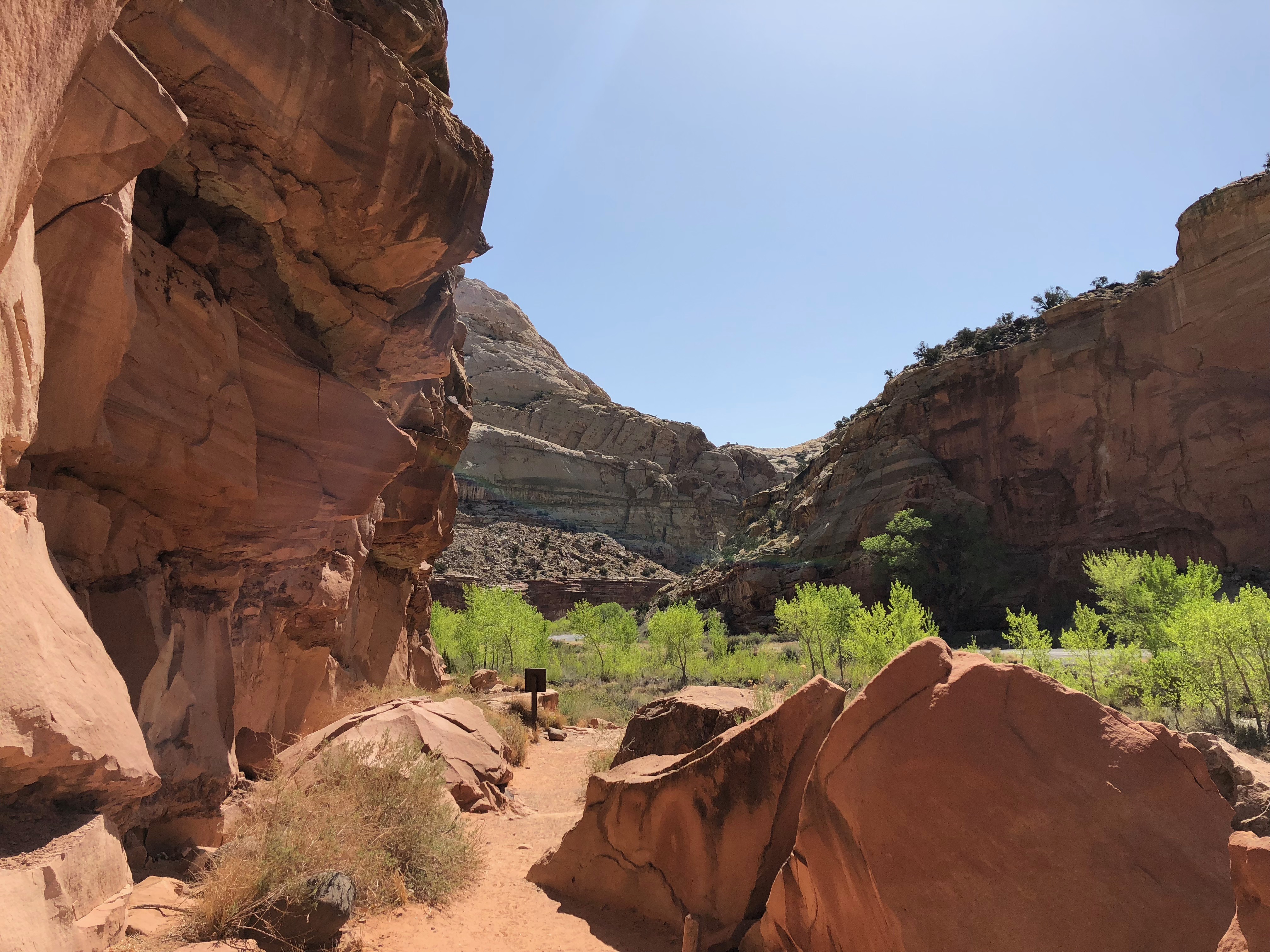
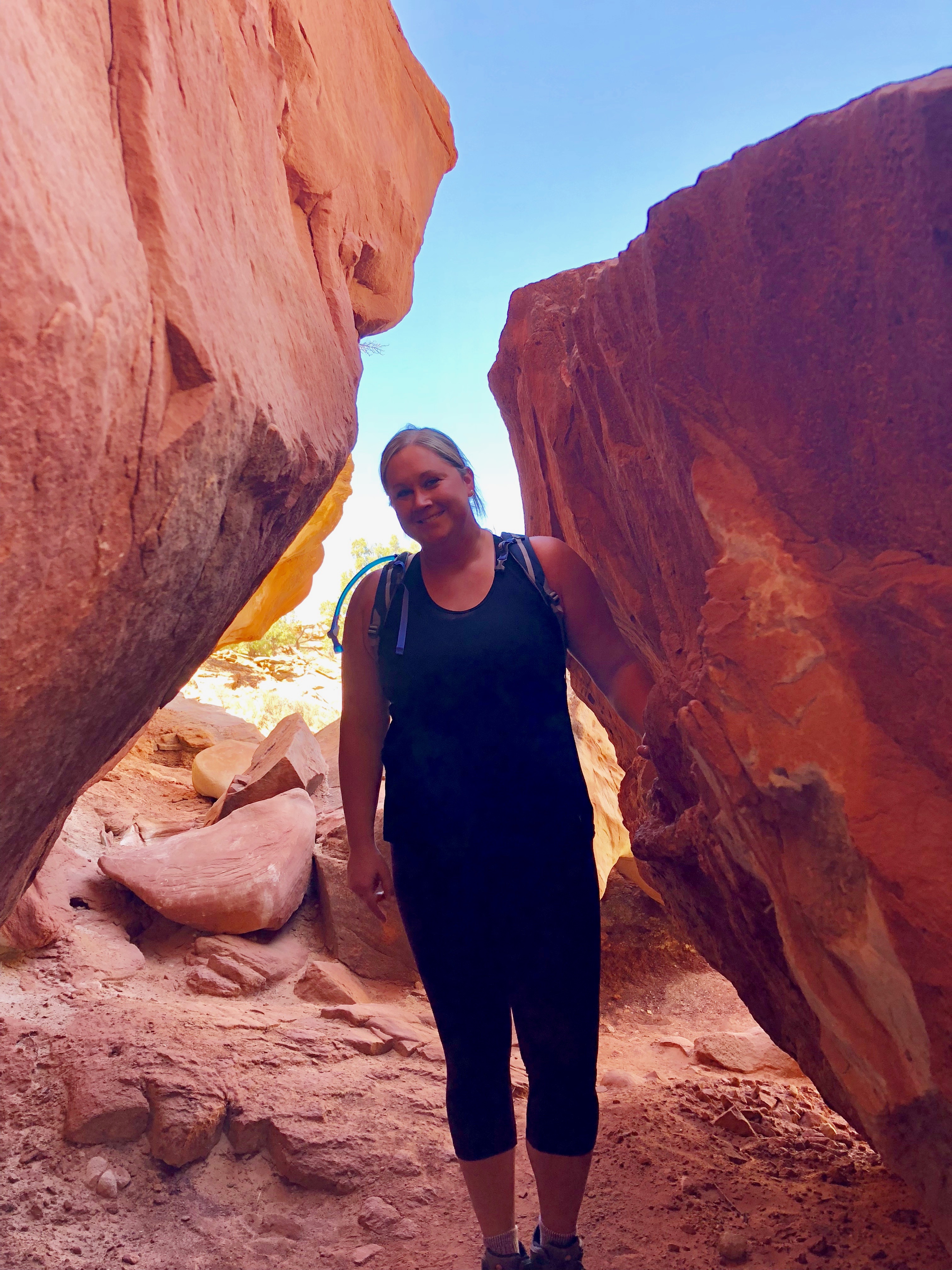
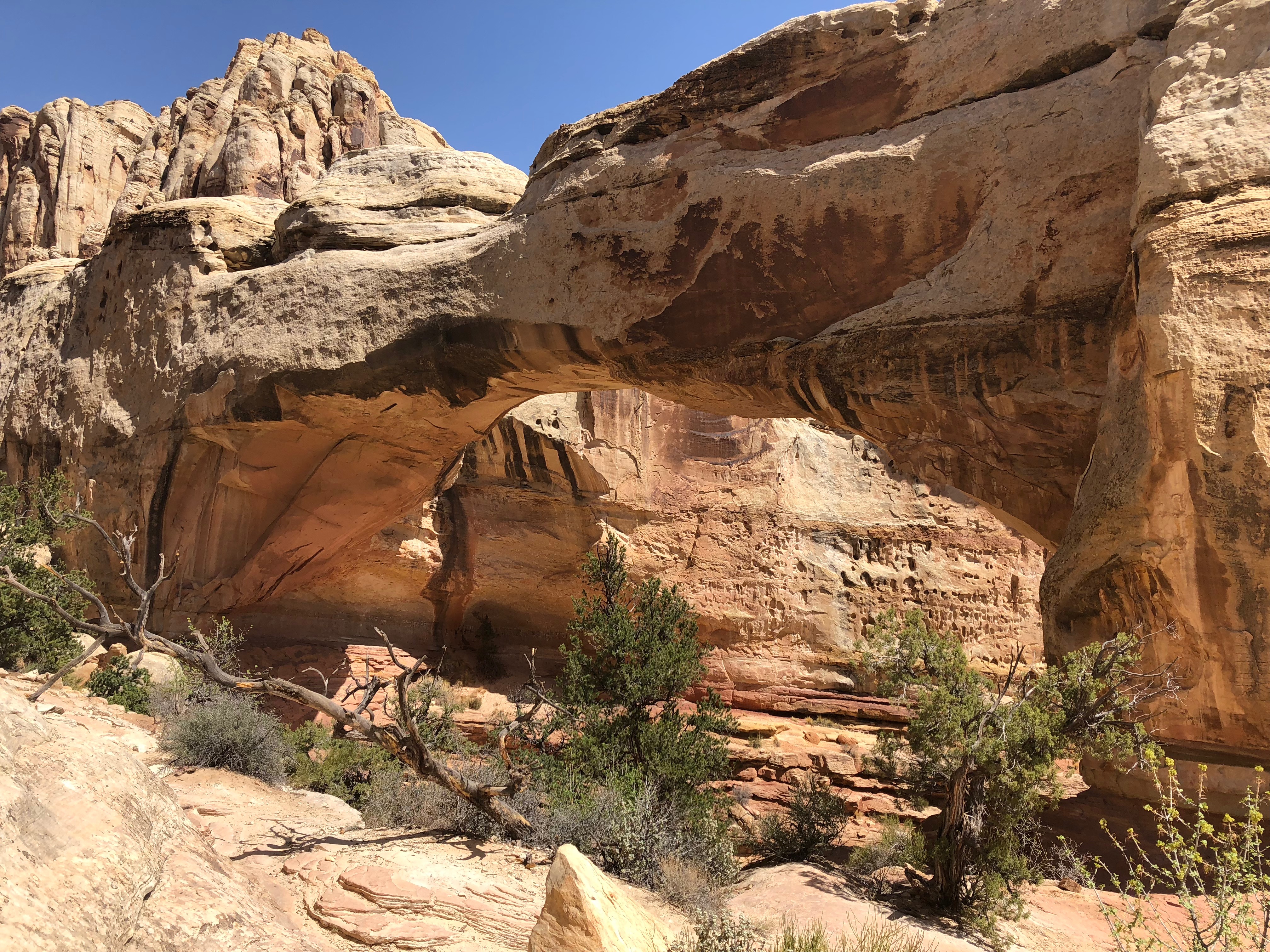
My sister and I left Salt Lake early and arrived to Capitol Reef mid-morning. Our first stop after the Visitor’s Center was the Hickman Bridge Trailhead. This is one of the better-known trails in Capitol Reef, so if any trail was going to be “busy,” it was this one. Hickman Bridge is an easy, yet scenic trail that ends with a beautiful, natural arch. Next, we hiked through the Grand Wash Narrows, and finished the day with 8-mile scenic drive. On our way home we stopped at a cute little sandwich shop outside of the park for an early dinner.
FYI: one thing not to miss at Capitol Reef: the fruit pies.
Years ago, when Mormon pioneers arrived to Capitol Reef, they planted a plethora of apple, pear, and peach trees in what’s known now as Fruita Valley. You can buy fruit pies at the Gifford Homstead, which is located about a mile south of the Visitor’s Center. Hurry fast though, because these pies are so good that they WILL sell out if you don’t get there early enough!!
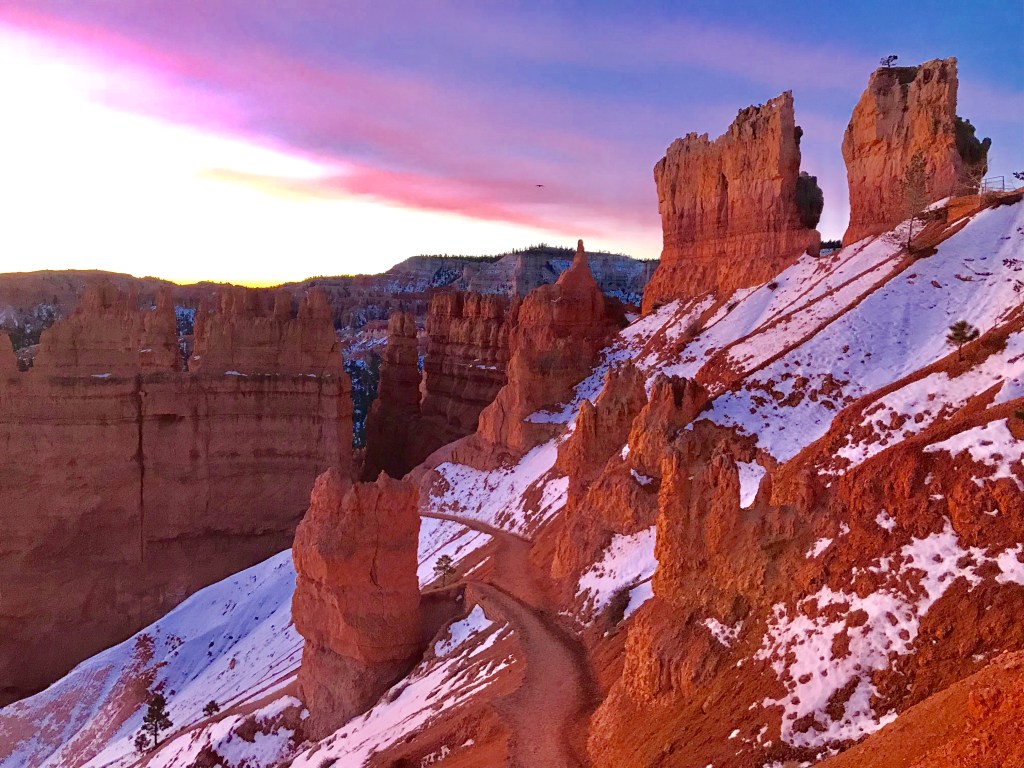
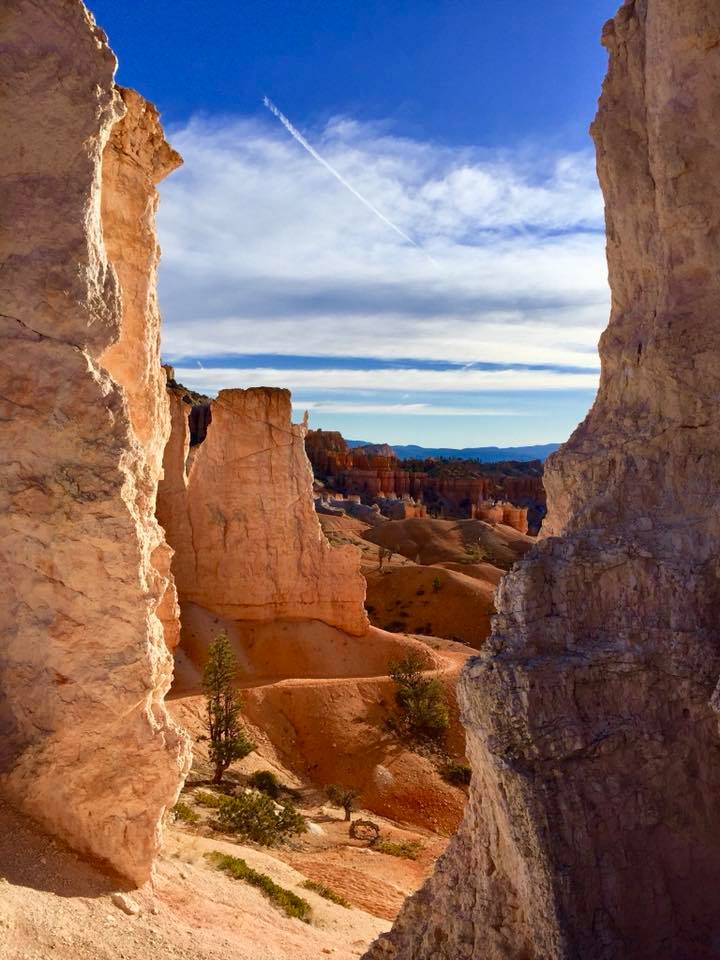
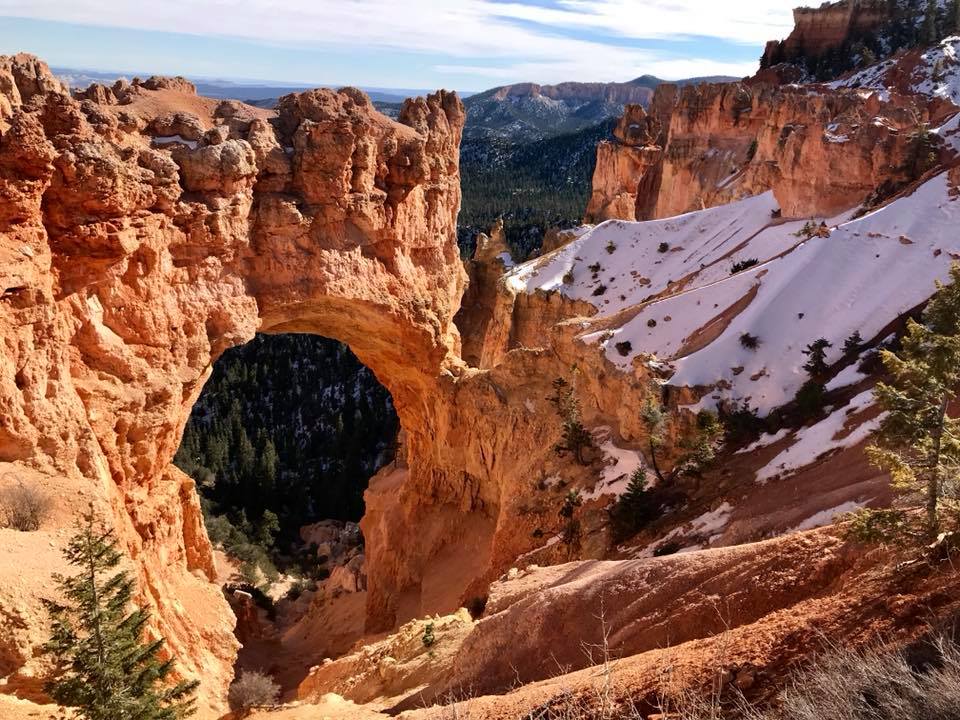
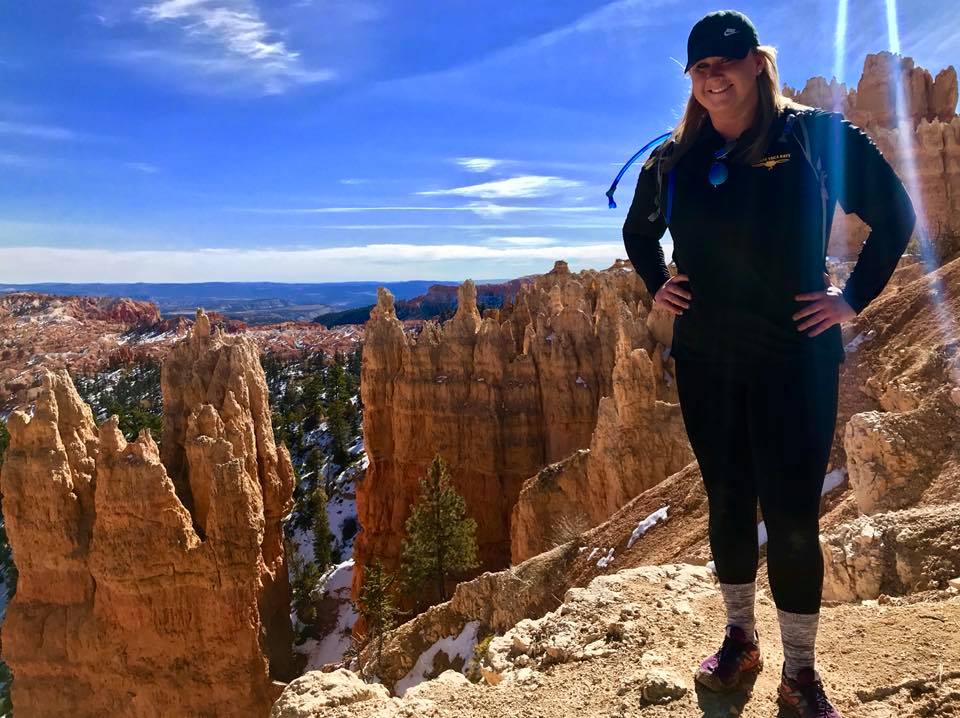
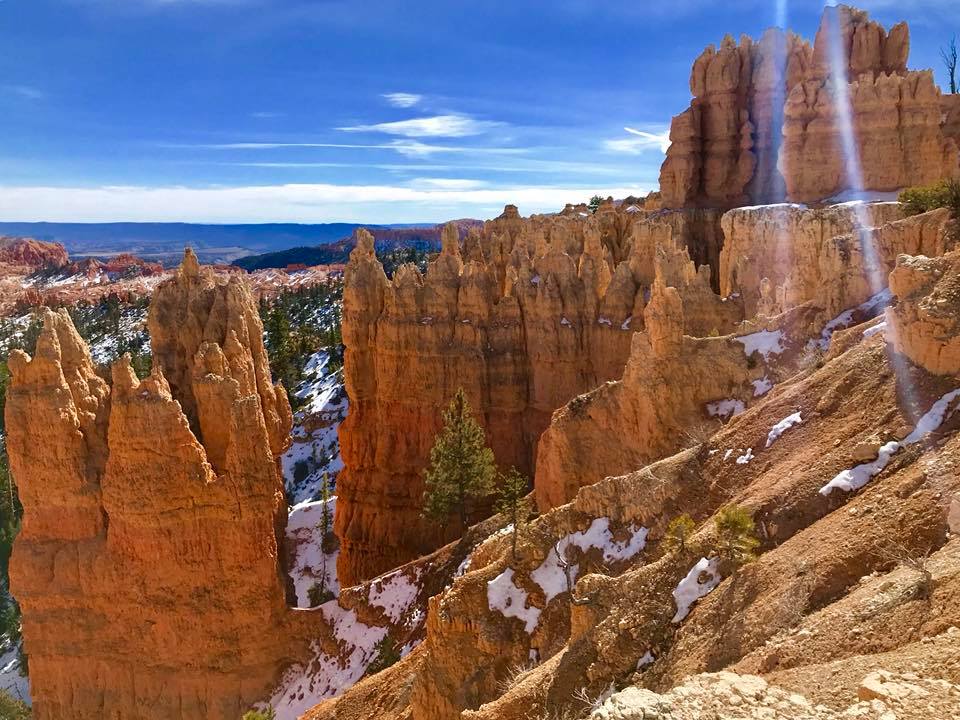
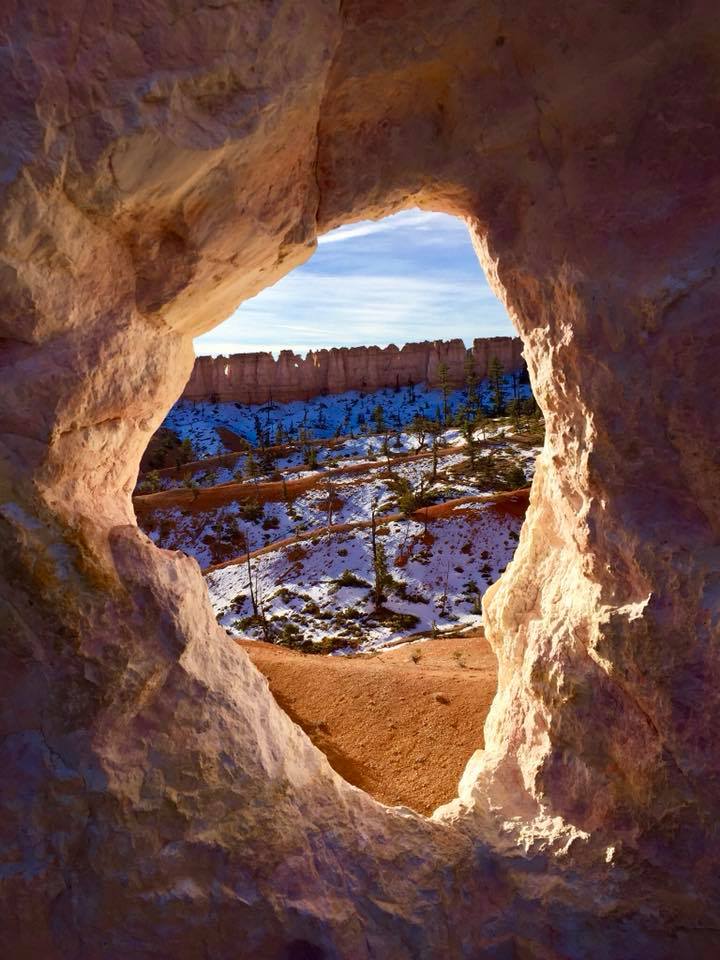
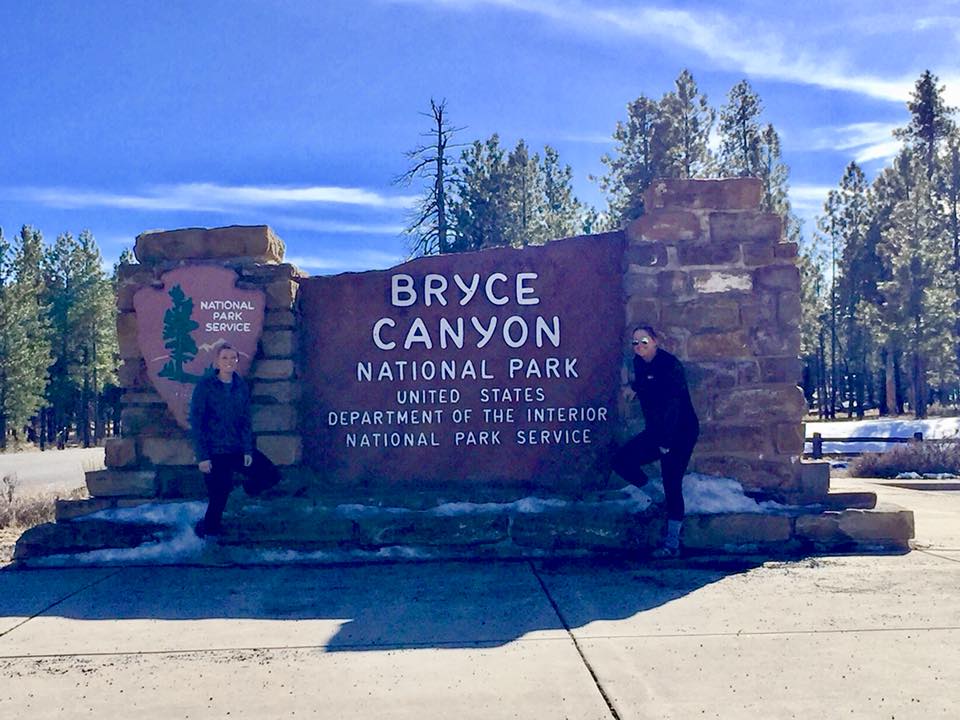
This park is not only my favorite Utah national park, but has also continued to maintain a spot in my all-time Top Five. I’ve said it before, and I’ll say it again, I think every single national park is beautiful in its own way. But man, Bryce Canyon just gives me all the heart eyes.
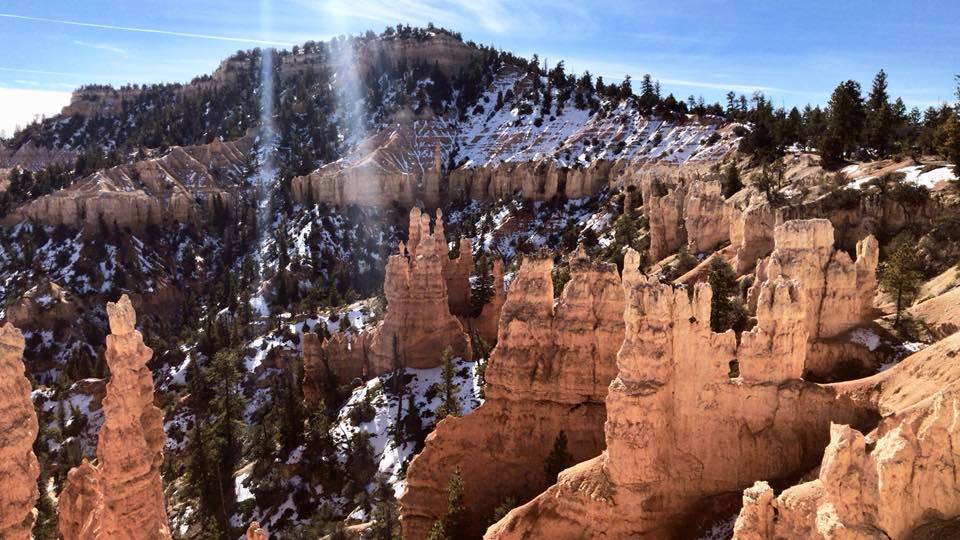
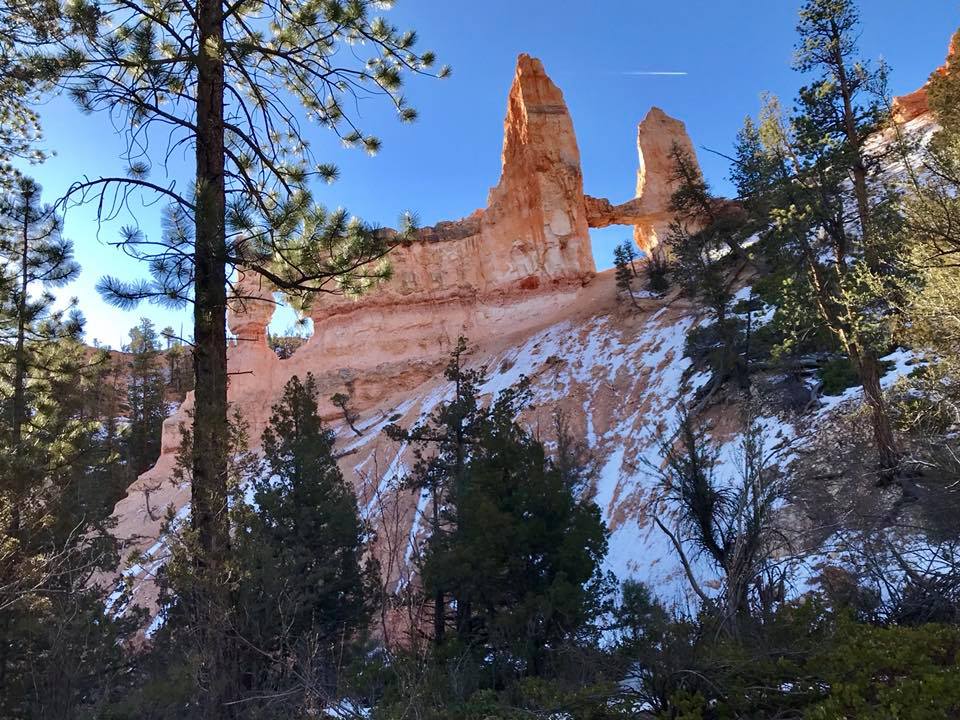
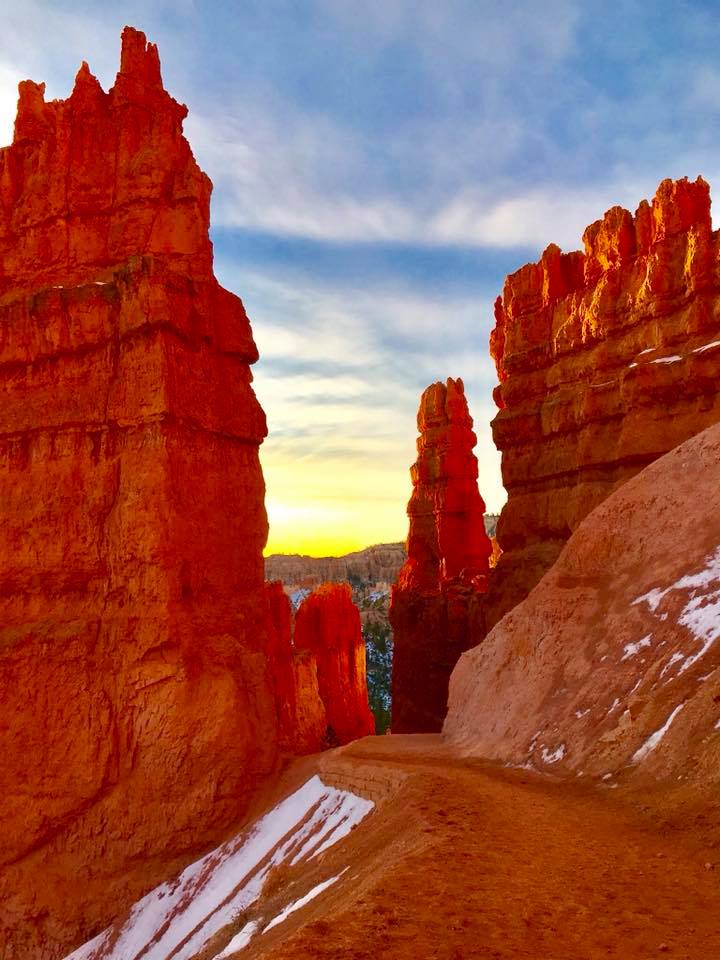
Bryce Canyon was established as a national park in 1928. This park has the largest concentration of hoodoos (irregular columns of rock) found anywhere on earth. Many of the trails are interconnected and can be easily combined with each other. The trails weave through the hoodoos, trek through the forests, and connect along the amphitheater.
There are so many factors that can play into the experience you have at a park. What time of year did you go? Was there a lot of traffic/congestion? Was it crowded? Do you feel like you had adequate time to explore?
A few reasons as to why this trip was the best:
It was spontaneous. I literally texted my friend on a Tuesday afternoon, and asked if she wanted to go to Bryce Canyon with me that Friday. Being the like-minded, adventurous girl that she is, she said, “Heck yeah!”
We went in the middle of winter. This meant that there were basically zero crowds. We saw maybe 5 people on our hike, total.
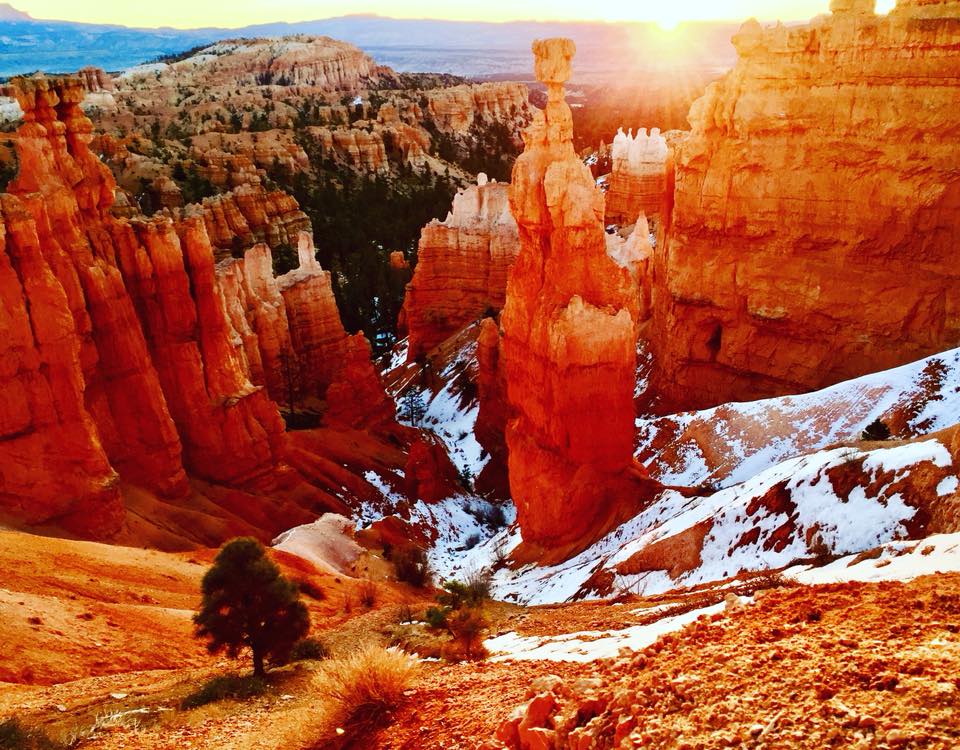
Snow + red rocks. This was really the main reason why I wanted to go Bryce in the winter- the white snow and red rock color contrast is hard to beat!
The amazing night sky we were able to see when we got into town. We were at a high elevation, and finally free from the inversion in the Salt Lake valley.
The gorgeous sunrise. Despite getting into town late the night before, we rose early, and it was 110% worth it.
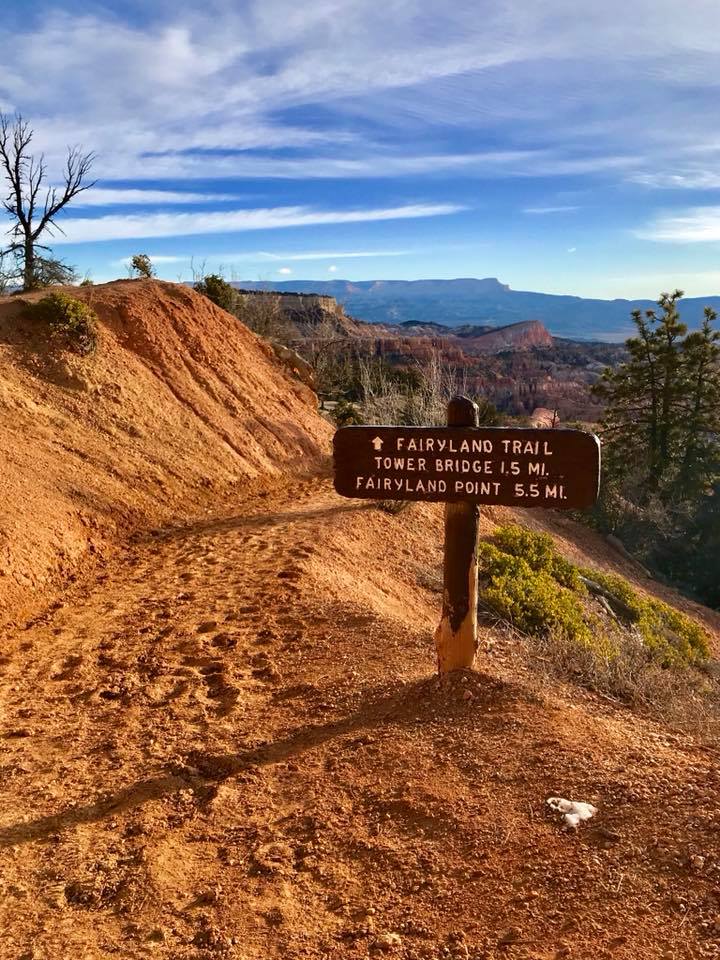
Our hike. The hike we did was about 10 miles long, and the way Monica connected it, I felt like we were able to see such a variety of terrain. The hike we did: we started at Sunset Point prior to sunrise and hiked down the Navajo Loop (which isn’t actually a loop in the winter). After watching the sunrise, we hiked back up the Navajo Loop, connected Sunrise Point to the Fairyland Loop, and then back to the Sunset Point. We were able to see Thor’s Hammer, Two Bridges, Tower Bridge, the Chinese Wall, the Wall of Windows, many tall hoodoos, the Bryce Amphitheater and I’m sure more that I’m forgetting. After this hike we also drove the 18 mile scenic route.
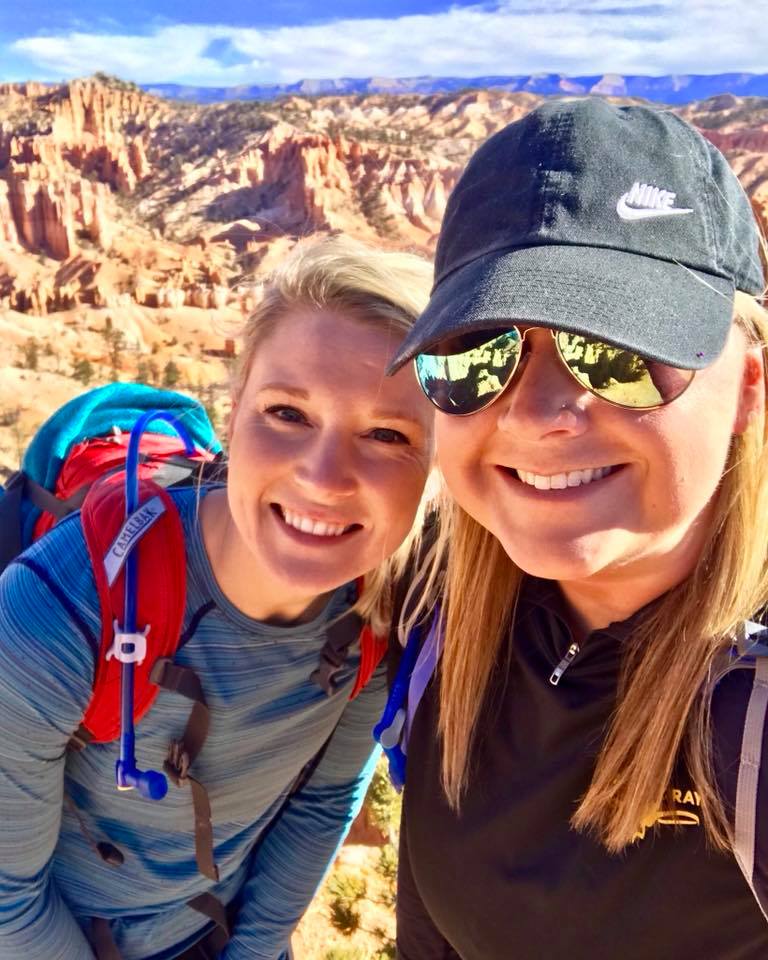
The company. It was so much fun going with my new friend Monica because even though we had all but just met, we had so many connections. Both in our 20s, both therapists (physical & occupational), both from the Midwest, both love the outdoors, and both can’t say no to spontaneous adventures. She’s probably also the only one who could’ve gotten me to do that long of a hike! 😉
If this trip taught me anything, it’s that you don’t always have to go to parks during their peak season, and honestly, it’s usually better if you don’t. The important thing is that you just get out there and explore when you can!
I moved to Utah in September 2017, and my adventuring started almost immediately. I work 4 x 10 hour shifts at the hospital, which is nice because it allows me 3 full days for exploring on my weekends.
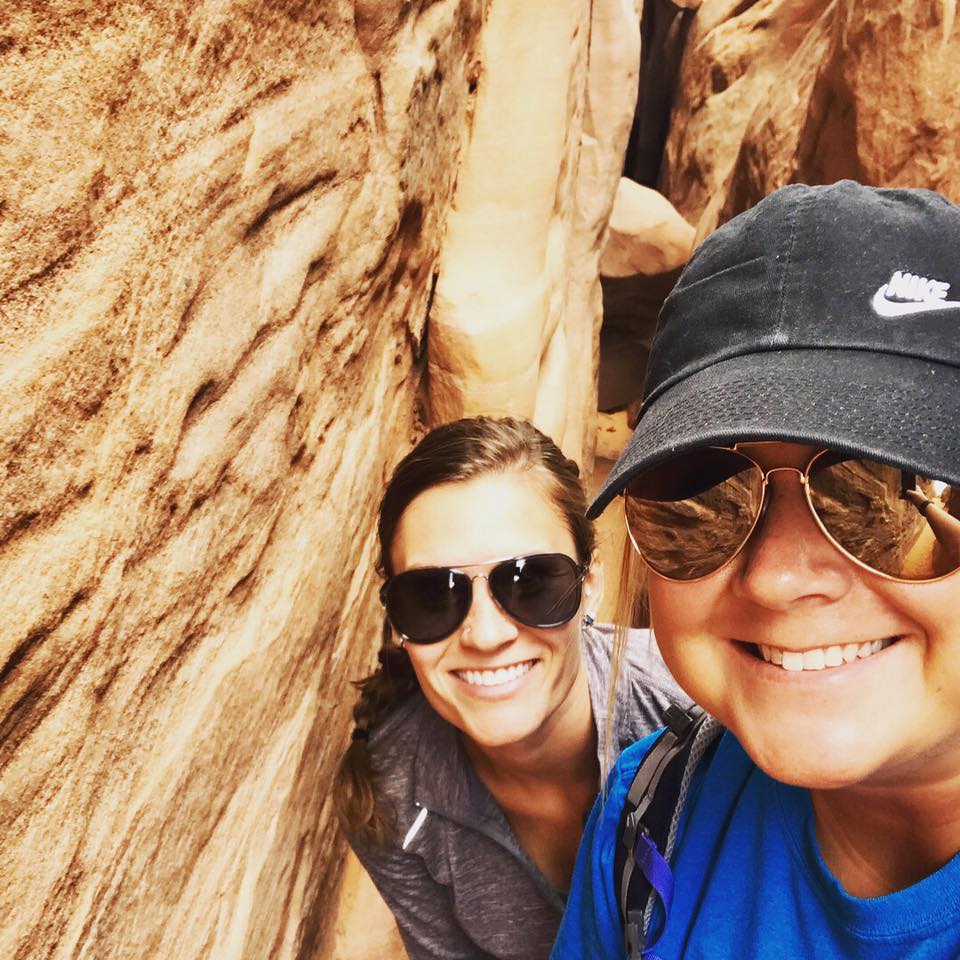
One of my good friends from grad school lives in California now, and drove to visit me one of my first weekends in Utah. With some great hikes and other suggestions from my coworkers, we ventured down to Moab to visit Arches and Canyonlands National Parks!
Arches
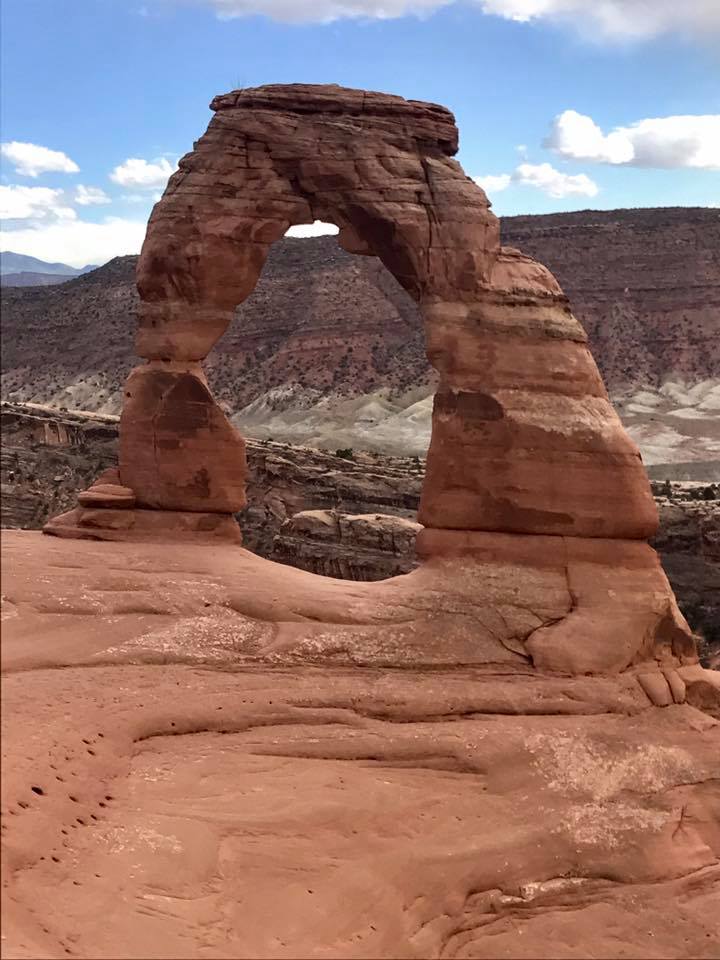
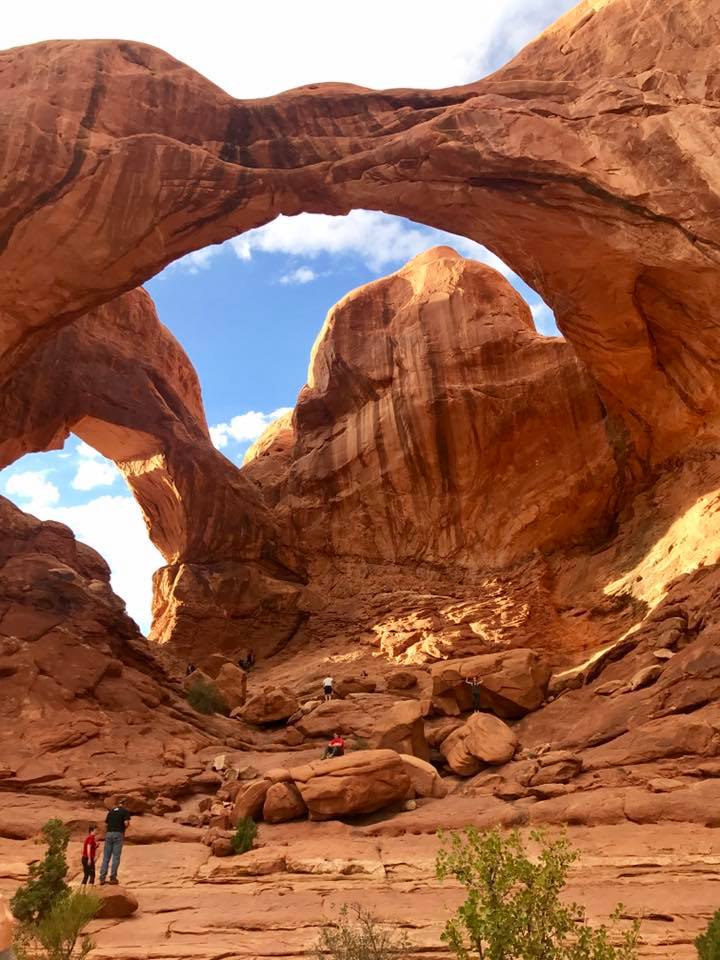
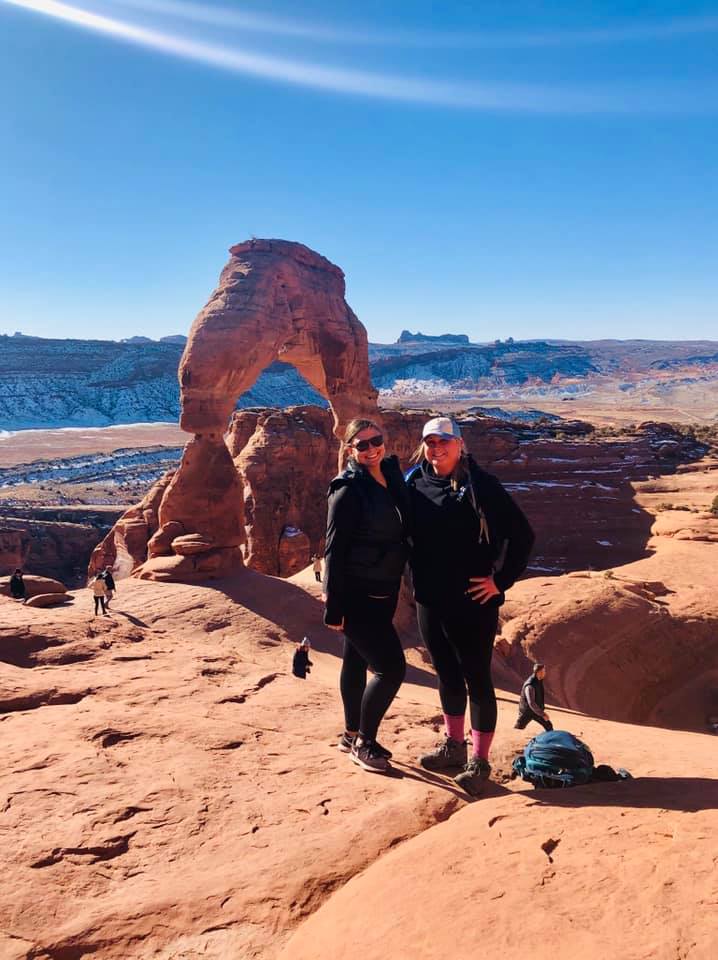
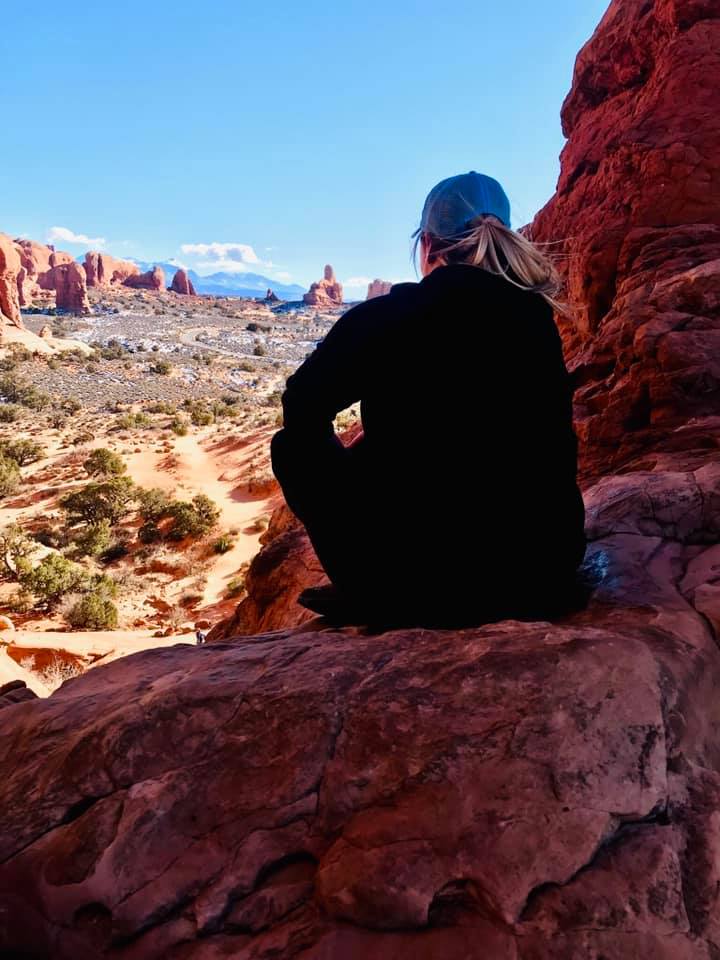
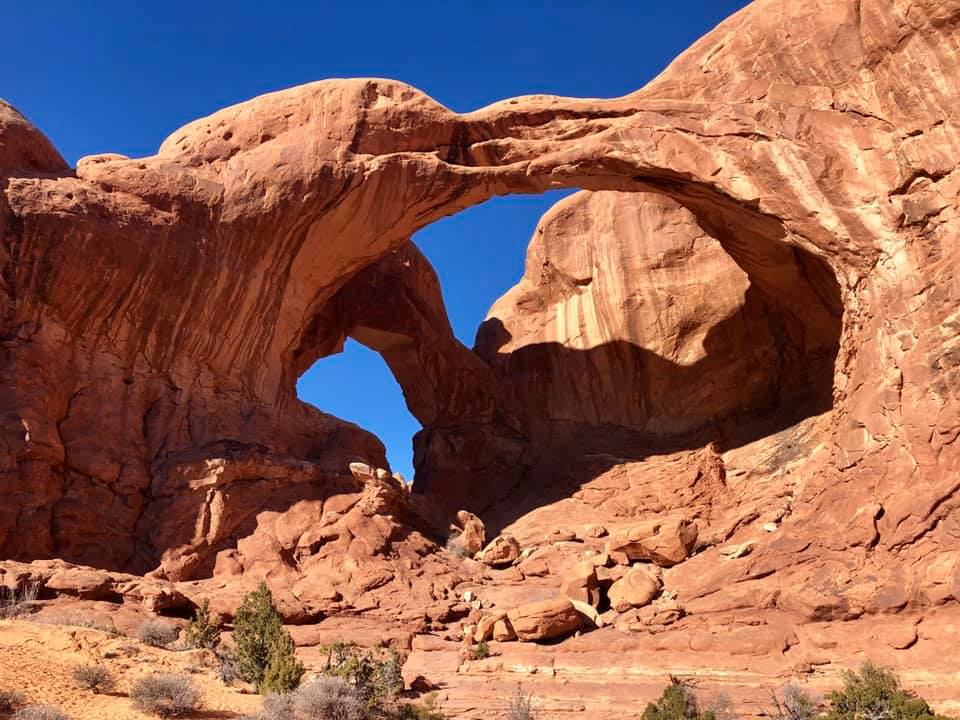
This park is a red-rock wonderland, and the arches are unlike any others in the world. Arches has over 2,000 natural stone arches, in addition to other remarkable land forms. One of my favorite things about this park is how many accessible, short hikes there are to the numerous arches in the park. We visited at the end of September, so the crowds and heat had both died down substantially, which really made everything more enjoyable.
Popular Hikes
Balanced Rock (0.3 miles)
The Windows (1 mile)
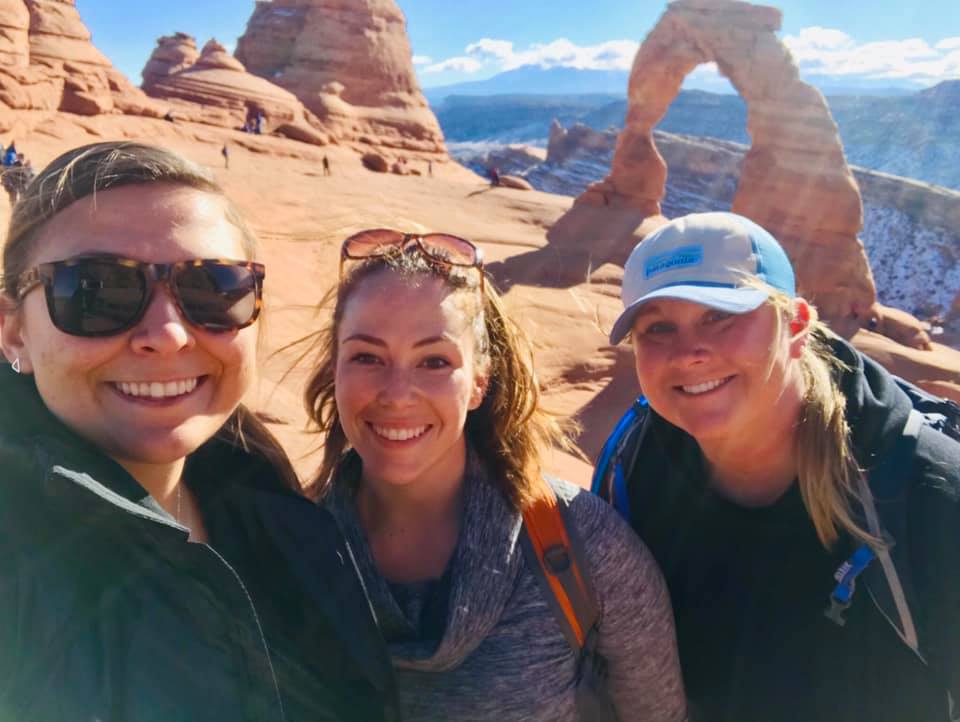
Delicate Arch (3 miles)
Sand Dune Arch (0.3 miles)
Skyline Arch (0.4 miles)
Landscape Arch (1.6 miles)
Double Arch (0.5 miles)
Fiery Furnace (permit or guided hike only)
After spending a beautiful day exploring the park, we found some BLM land to camp on for the night!
One of the best parts about living in Salt Lake City, is that it’s so easy to make it down to these parks for a quick day or two. I had another opportunity to head down to Arches this past December for a quick day trip, and it was somehow even more beautiful than I remembered. We left Salt Lake City early in the morning and made it down to Moab before 10 am, hiked a few of our favorite hikes, drove the scenic loop, and then stopped for some buffet pizza before heading home!
Canyonlands
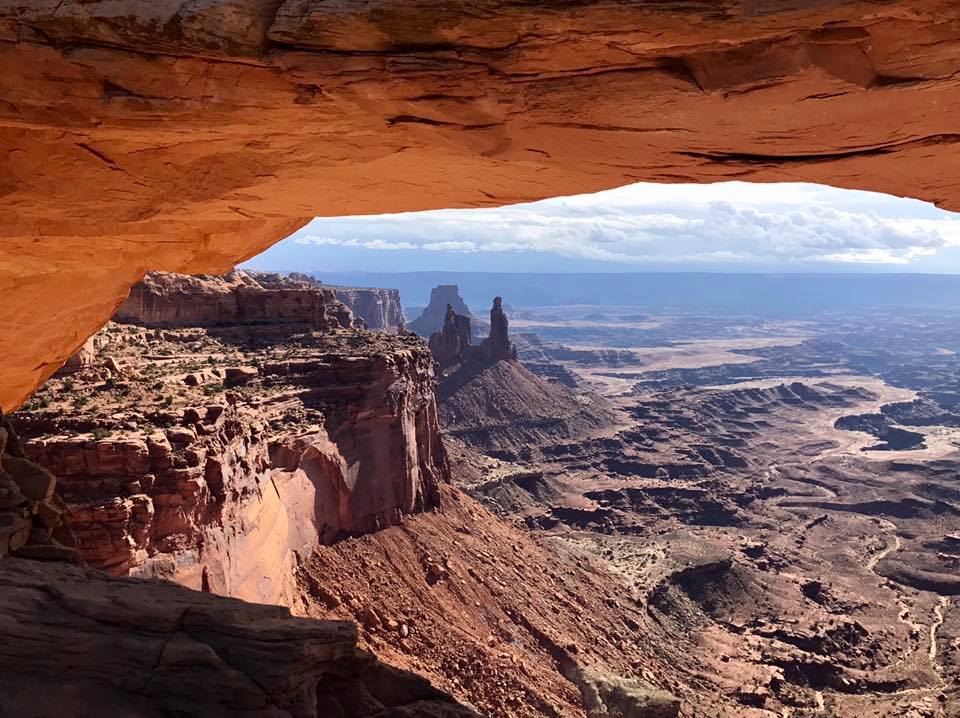
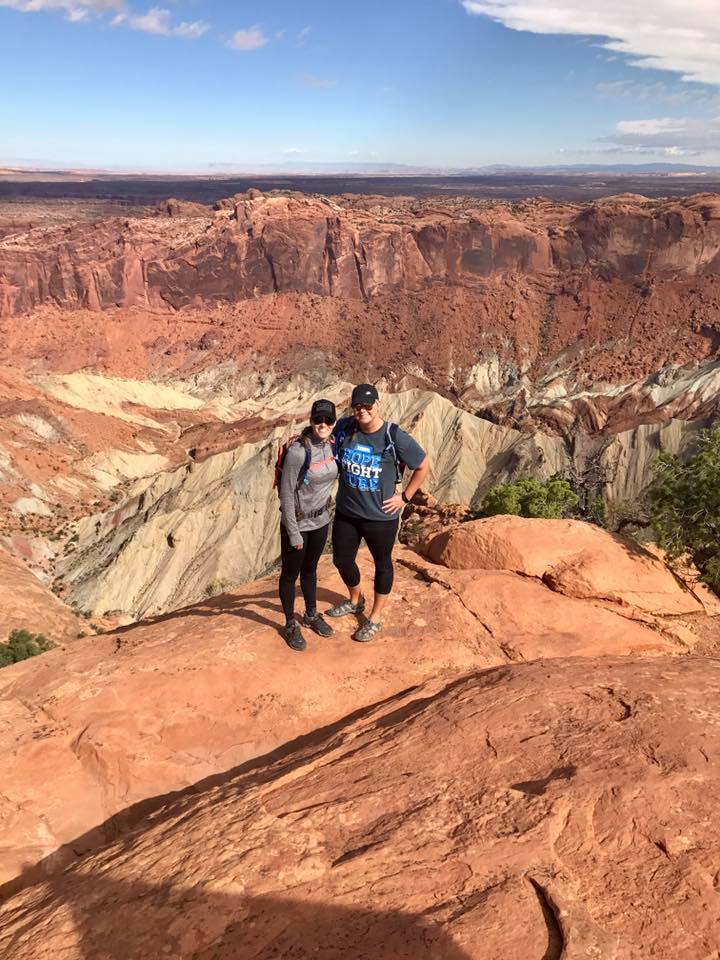
Canyonlands National Park is a quick 30-minute drive from Moab, UT. This park has hundreds of miles of hiking trails to explore. Both the Island in the Sky and The Needles areas offer short walks, day hikes, and backpacking trips, while The Maze area of Canyonlands is mostly just for backpacking. I’ve only been to Canyonlands once, and visited the Island in the Sky area when I was there. The Mesa Arch is a popular hike that leads to a cliff-edge arch. The arch has stunning views towards the La Sal Mountains, and is one that’s very popular with photographers. Other hikes we did this day included White Rim Overlook and Grand View Point. I haven’t made it back to Canyonlands for a second trip yet, but when I do, I’d love to hike in The Needles District!
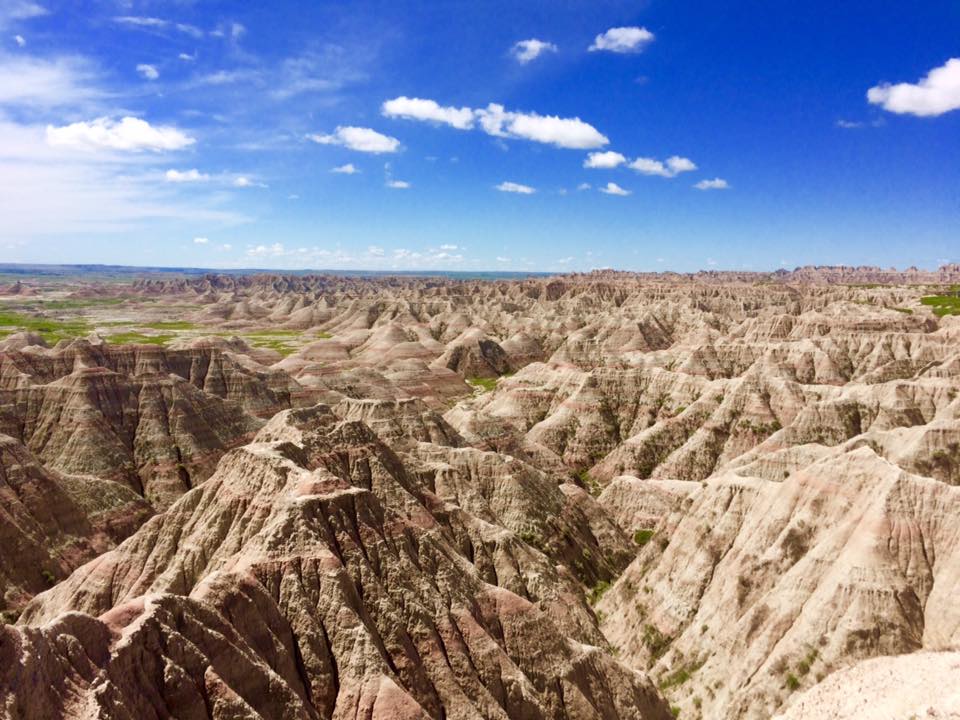
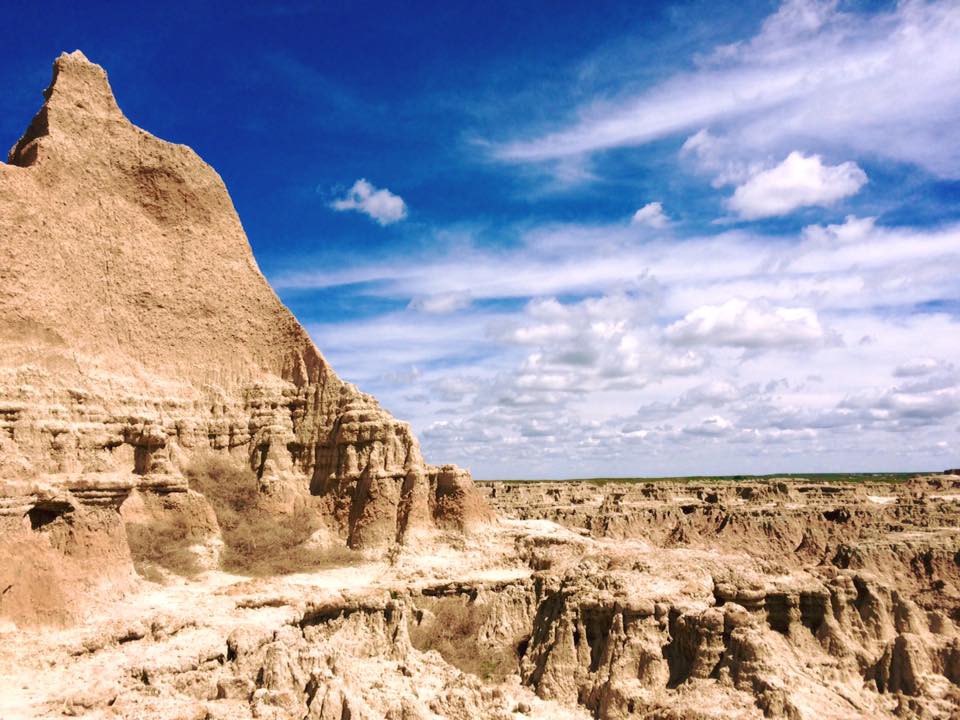
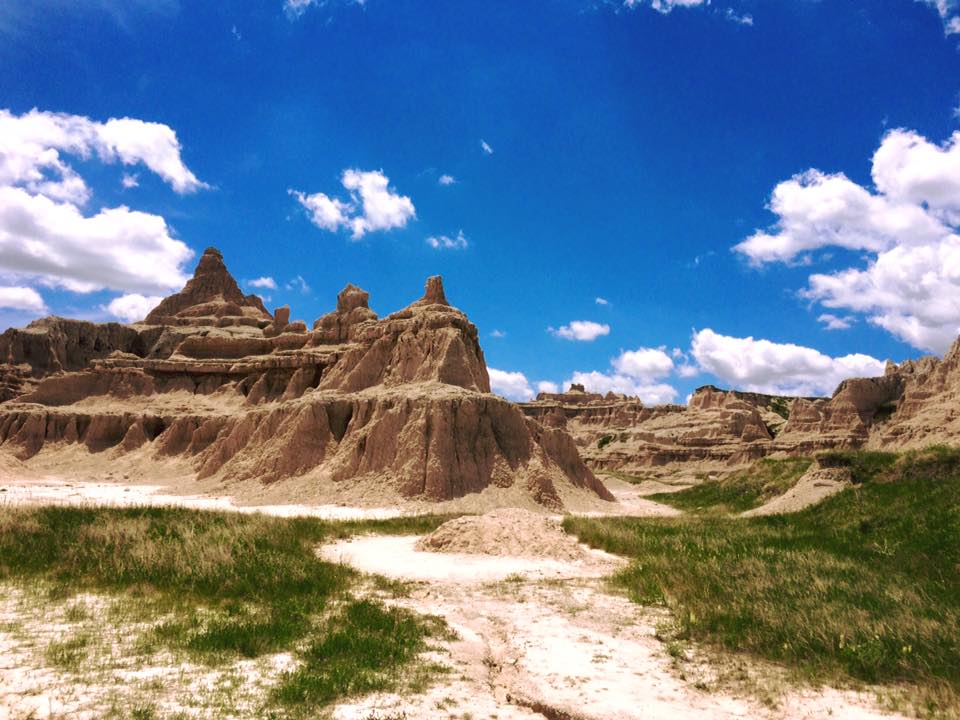
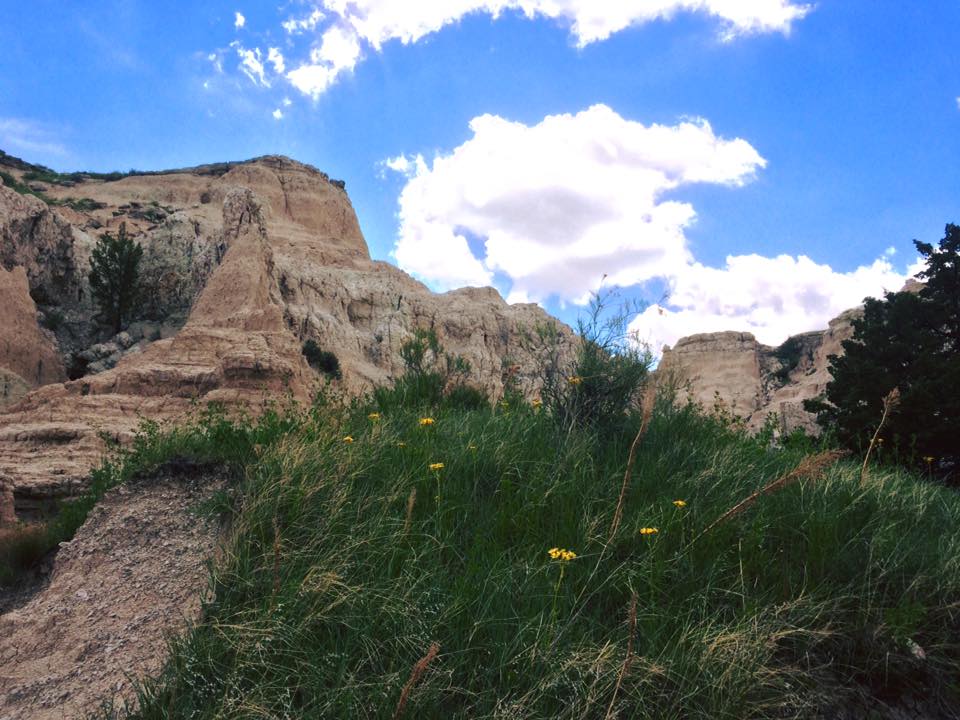
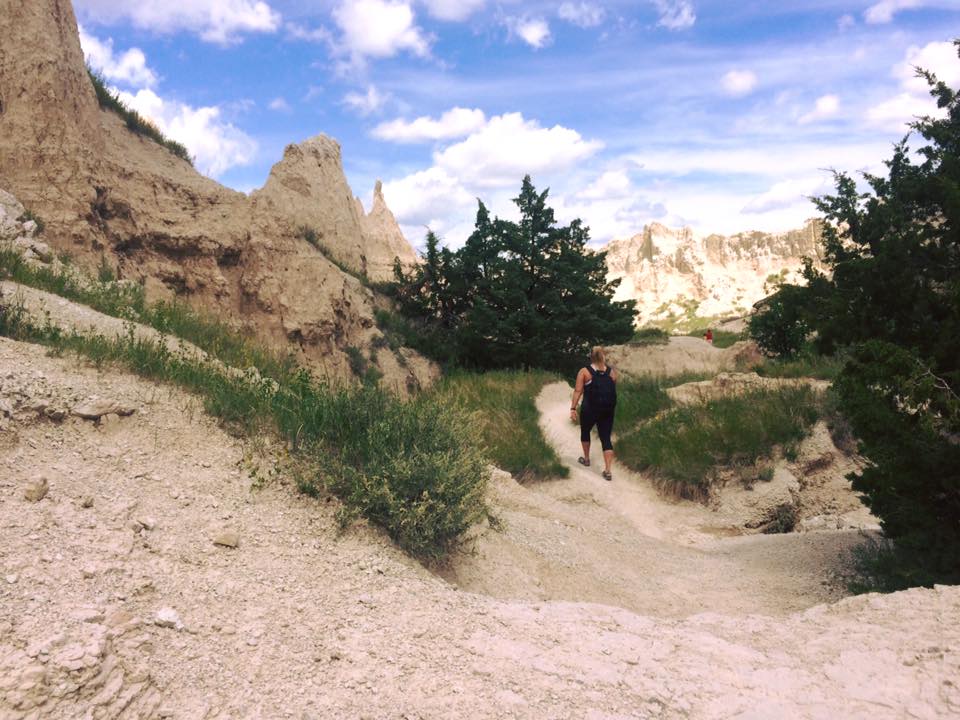
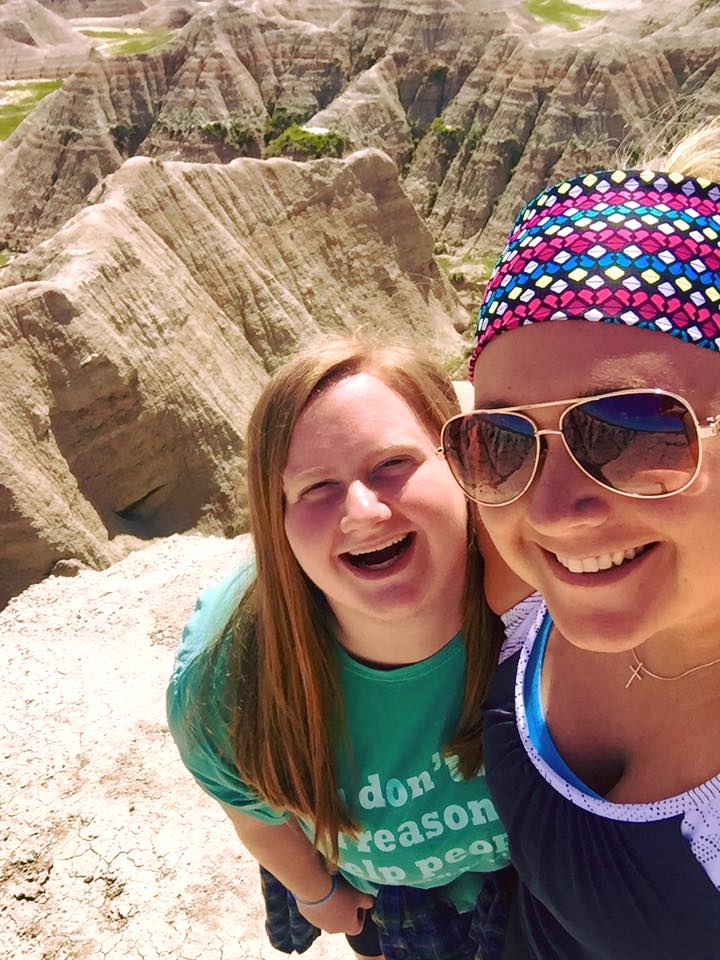
This trip was a belated birthday present to my sister. She had been wanting to check out Badlands National Park for a while, so on a free weekend we decided to hit the road! Our original plan was to just go to The Badlands for a few days, and if it worked out, maybe make it to Mount Rushmore as well. As it turned out, we only spent a day at The Badlands, decided to drive to Mount Rushmore the next day, and then kept on going towards Wind Cave National Park the following day. These parks were my 5th and 6th National Parks, and it wasn’t until few more down the road that I started getting postcards at every park, and writing what I did on each of them… so for these two parks I only have my memory and (mostly my sister’s) pictures.
The Badlands
For whatever reason, I had not done much research on The Badlands before we left. Turns out, this park is freaking beautiful! We did a few shorter hikes- The Door Trail, The Window Trail, and Notch Trail, and otherwise just explored on the boardwalks and at various overlooks. On the scenic drive we happened upon some bighorn sheep that were casually grazing on the side of the road. Part of our original plan was to camp in the park, but with a storm was on the horizon and being novice campers, we decided to head back on the road towards our next destination.
Mount Rushmore
After stopping at Wall Drug (very underwhelming if you ask me), Mount Rushmore was our next destination! We actually ended up making two stops here because the weather was gross the first day. After round 2, (and after Kaytlin was done making all her Nicholas Cage/National Treasure jokes) we ventured on towards our final destination, Wind Cave National Park!
Wind Cave
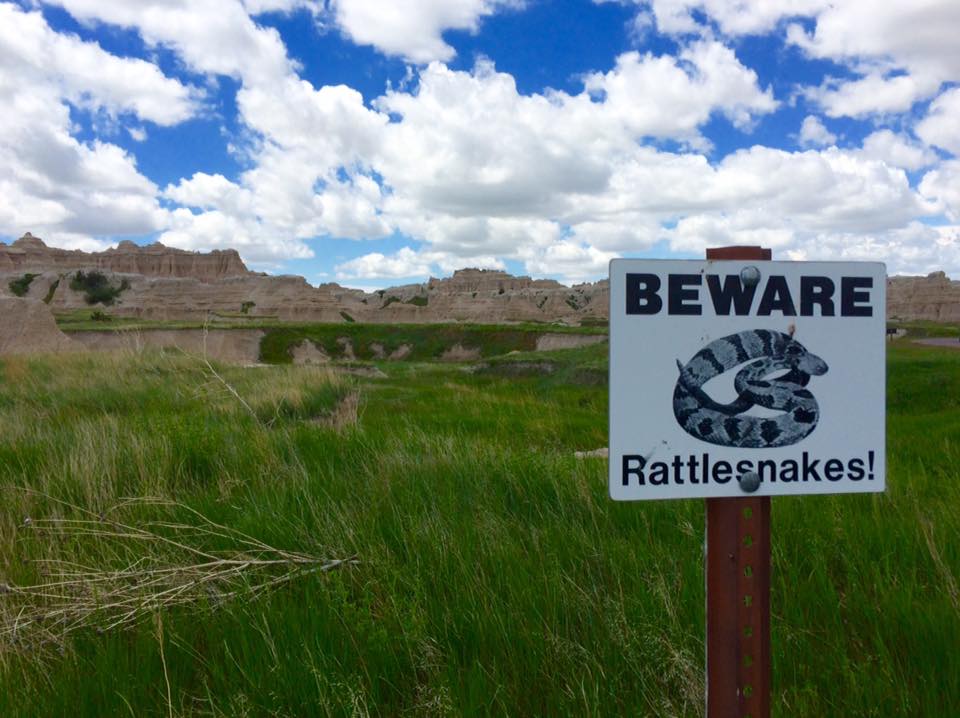
Similar to The Badlands, I hadn’t done much research on Wind Cave beforehand. Once we arrived, we signed up for the Natural Entrance Cave Tour at the Visitor’s Center. This tour was awesome and so informational! Throughout the tour we were able to view the cave’s famous boxwork, which is more abundant in this cave than in any other cave in the world. After the cave tour we walked around the park a bit, but with it being a small park with most of the trails around the prairie, we weren’t really looking to meet any rattlesnakes. On our way back to Iowa, we saw an abundant amount of Buffalo/Bison, which was just the cherry on top. Kaytlin had been wanting to see some the whole trip, and finally got to on the last day!
Overall this trip definitely exceeded its expectations. Quality time with my sister, spontaneous decisions, and beautiful views…who can complain?? In my opinion, South Dakota is an under-rated state, and while on the smaller size, these two parks are definitely worth checking out!
Southern Florida is home to three great National Parks! One of my favorite things about our National Parks is that they all have something unique to offer, and the Florida parks are no different. For future planning purposes, just know that two of them are very accessible, while the third is a little trickier to travel to.
The Everglades
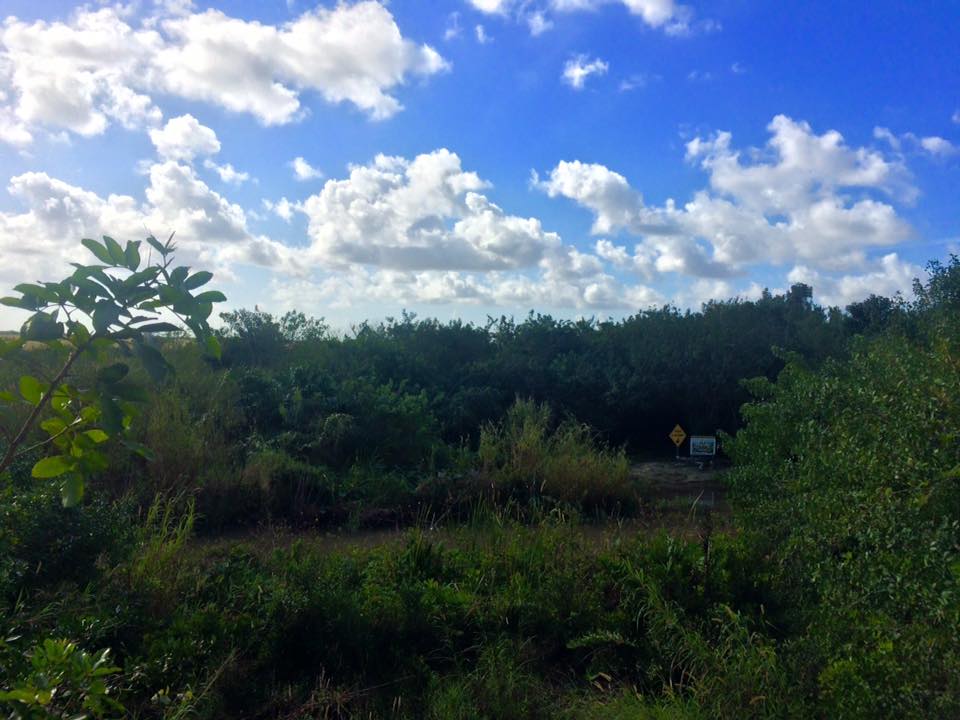
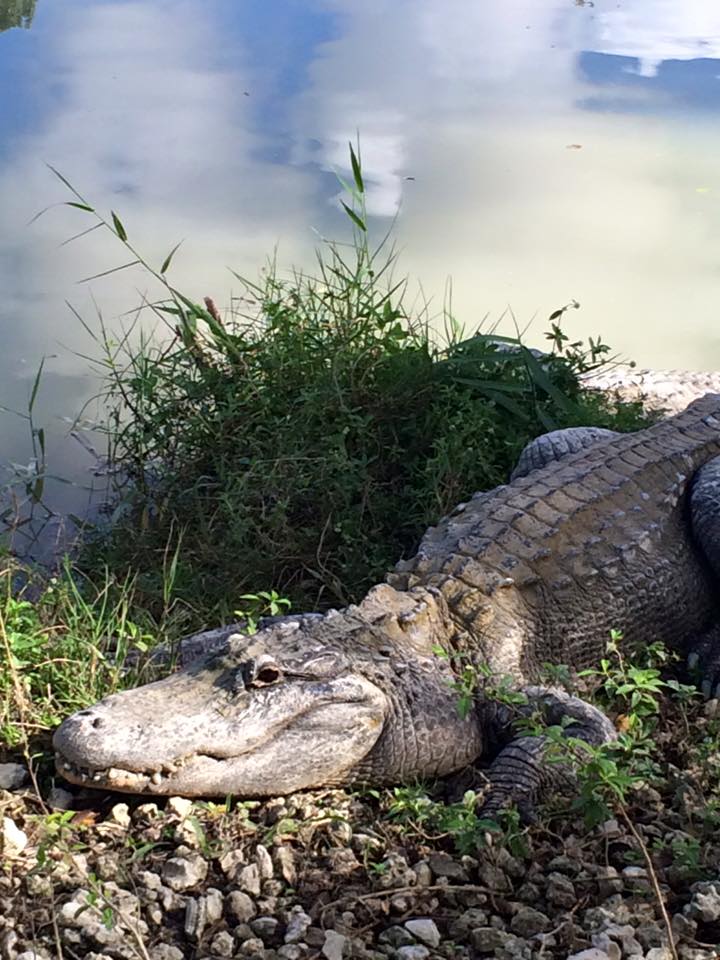
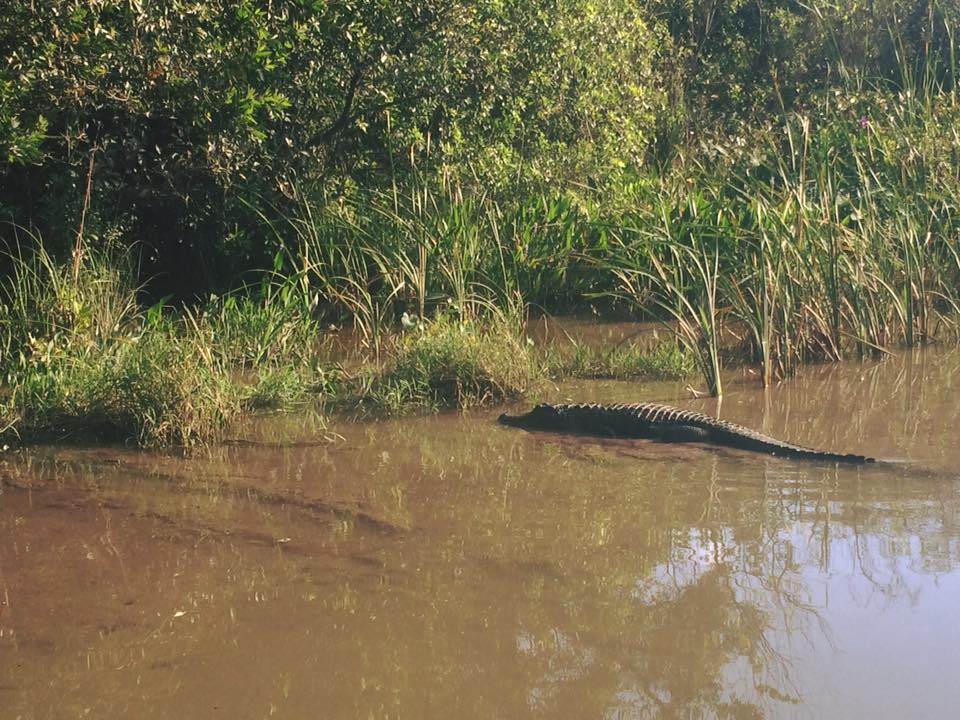
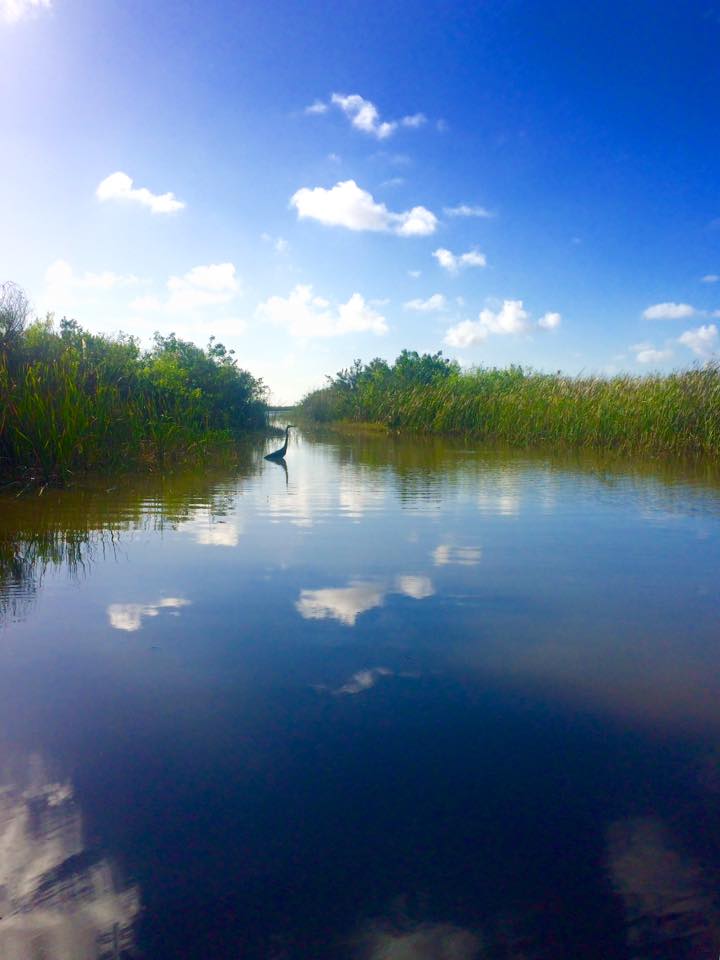
I’ve been to the Everglades twice, and both times had very different, but equally great experiences. The everglades are home to many birds, mammals, and reptiles, the most popular of which being alligators. The first time we visited, my family went to an area outside the official park lands, and took an air boat ride. Pro tip: go first thing in the morning before too many boats have gone out, and you will see so many more alligators!! The air boats are very loud, so after the morning hours you tend to see less alligators because of all the noise. Riding on an air boat was a really cool experience; I was channeling my inner Adam Sandler from The Waterboy the whole time. On an air boat you’re able to get some pretty remarkable views of the alligators, all while still maintaining a respectable distance. Air boats are only inches off the water, and thankfully we didn’t find out until after our ride that alligators are actually able to jump up to six feet out of the water! Another interesting fact we learned was that the average depth of the everglades is only about 4 to 5 feet, with the shallowest part being only inches and deepest being 9 feet.
The second time I visited, we traveled to the Ernest F. Coe Visitor’s Center. The Everglades have four visitors’ centers total, and the Ernest F. Coe Visitors Center is located about an hour and a half south of the Fort Lauderdale airport. I like stopping at the visitor’s centers to talk with Park Rangers because they always offer the best suggestions on how to utilize the time you have at the park.
We took some time to drive the scenic route and view a few of the overlooks, but we ended up spending most of our time at the Royal Palm area. At the visitors center I had asked one of the rangers, in somewhat of a joking manner, how likely it was for us to see an alligator. The Park Ranger looked at me and stated, “Oh that’s guaranteed.” Dumbfounded, I asked how they manage that from a safety standpoint? She said that it’s not a big deal during the day because alligators only hunt in the evening. Still a bit skeptical, we ventured out anyway. Sure enough, as we were walking along trail, an alligator came creeping out in front of us… and then it seemed like we were seeing them everywhere we looked!! We even saw some baby gators in the brush! The alligators seemed very relaxed, but they’re still wild animals nonetheless, so we maintained our distance. All in all, it was a very memorable experience!
Dry Tortugas
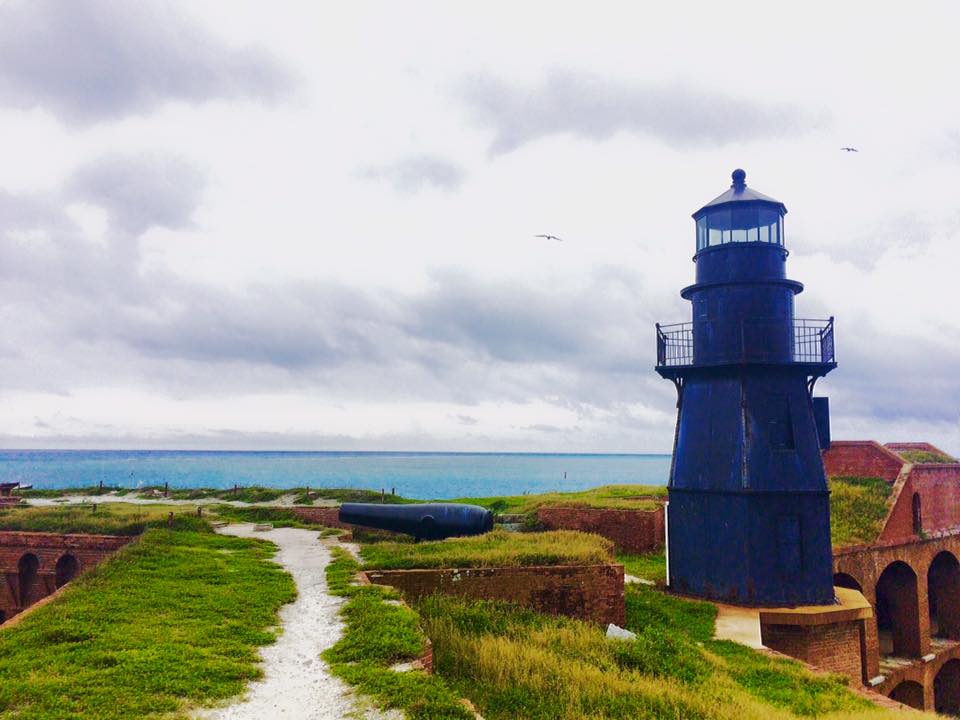
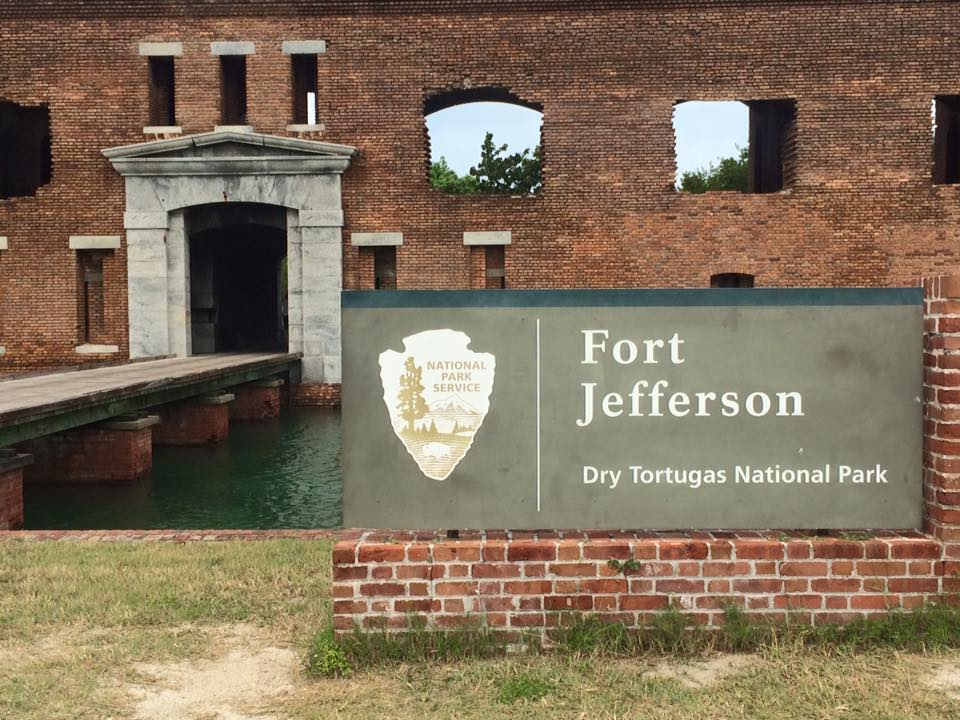
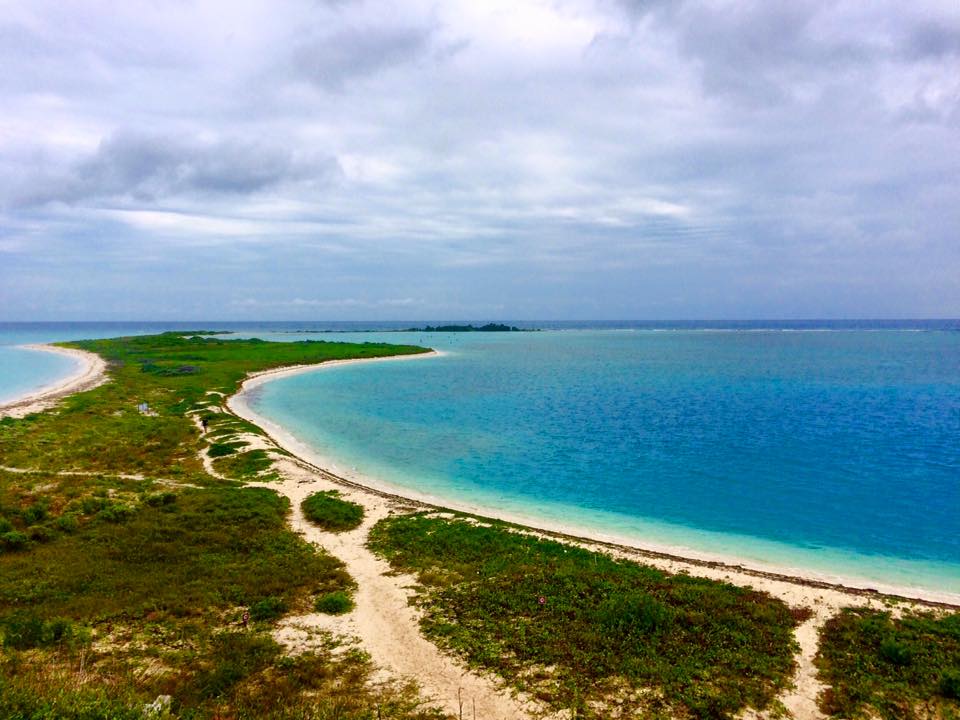
The Dry Tortugas are located 70 miles south of Key West, Florida. The most common way to get to the island is by ferry, specifically the Yankee Freedom III. However, you can also take a sea plane or rent a charter fishing boat, for a much higher cost. The ferry travels to the park year-round, except for on Christmas Day. It is recommended to book your tickets well in advance, especially if you plan on visiting in the spring or summer, as they will sell out (I may or may not know this from experience). The ferry ride to the park is about 2 hours and 15 minutes, and if you’re not planning on camping, the day trip will allow you about 4 and a half hours at the park. The ferry is pretty large, carrying about 175 passengers. They provide breakfast and lunch, as well as share interesting facts and history about the park on your ride over.
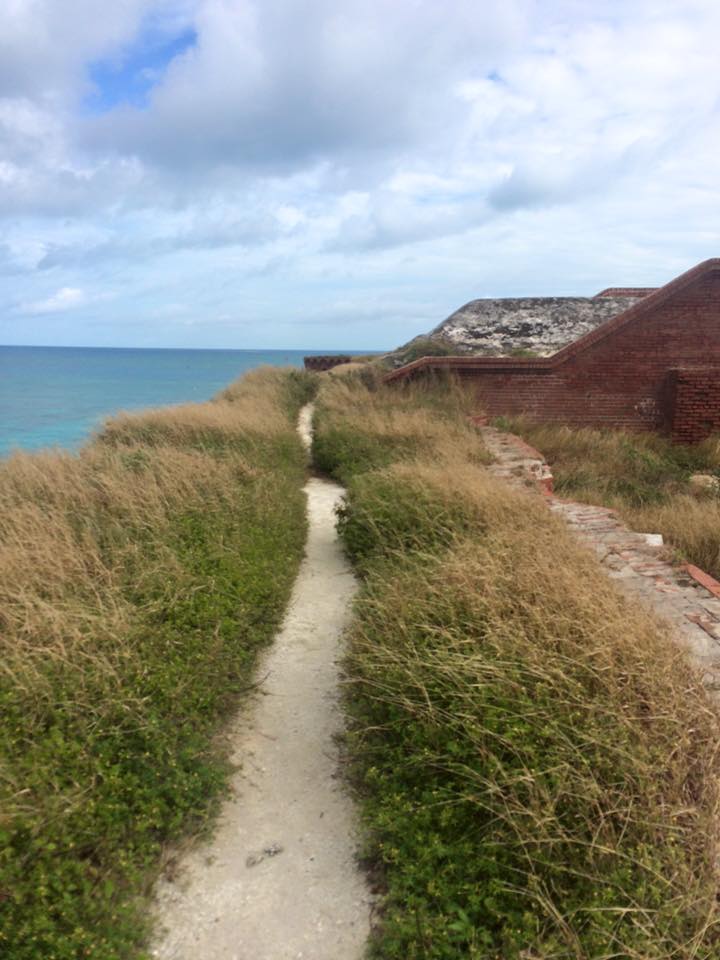
Even though the park is on a secluded island, there is so much to do. Once you reach the park, you can take advantage of a free guided tour of historic Fort Jefferson, which was once used as a prison during the Civil War. While on our visit, my sister, mom and I also took advantage of the snorkeling. Complimentary snorkel gear (snorkel, mask, and fins) are provided to all on the ferry, but you’re also allowed to bring your own if you choose. This area is ranked in the top 10 for snorkeling in the United States, so we were in heaven. We snorkeled around the moat wall, and when I think back on it, I still compare what we saw to scenes in Finding Nemo! We saw an abundance of coral, tropical fish, and even a manta ray. The Dry Tortugas not only offer crystal blue waters and pristine beaches, but also a lot history. It’s truly a magical place!
Biscayne
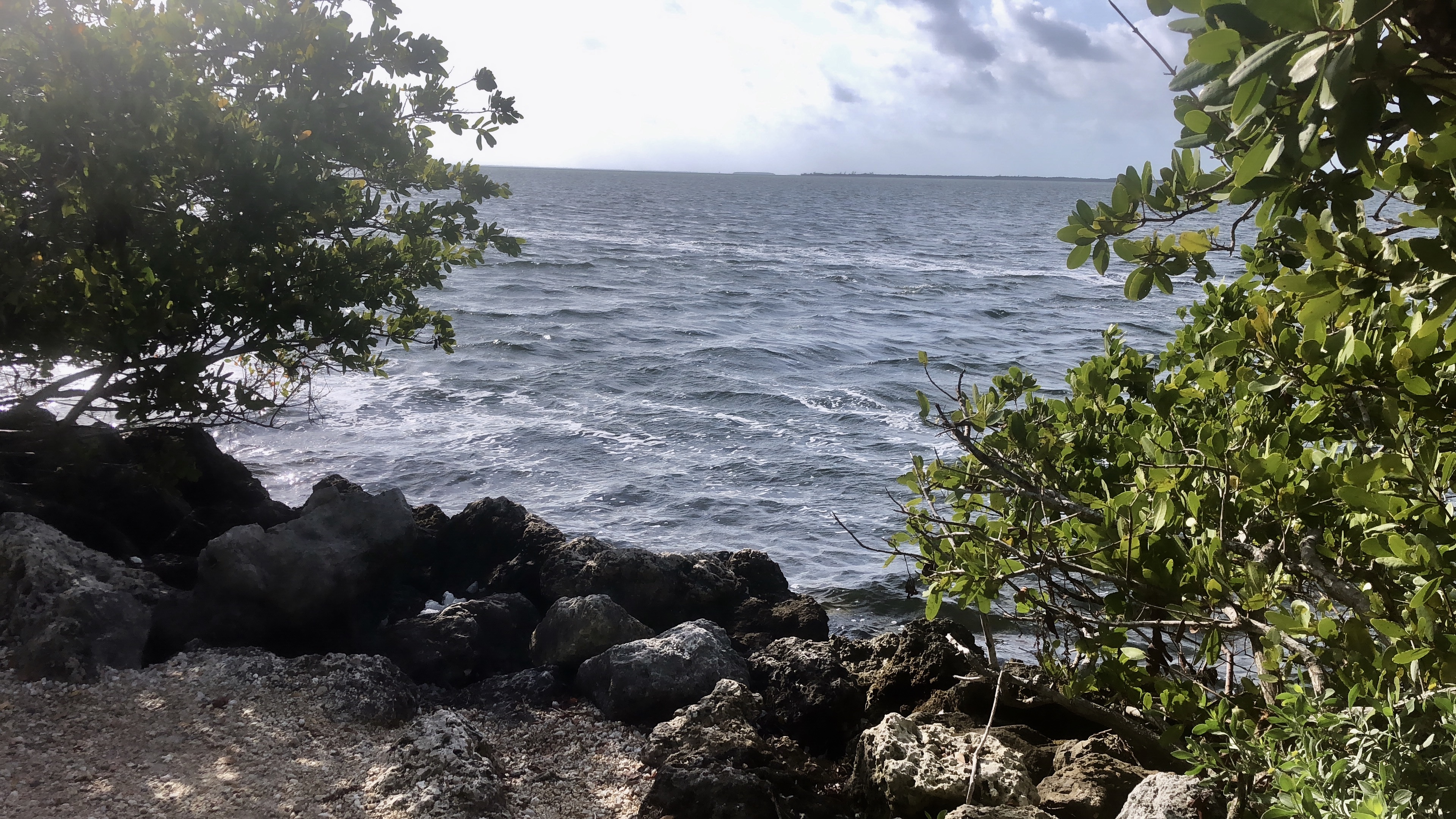
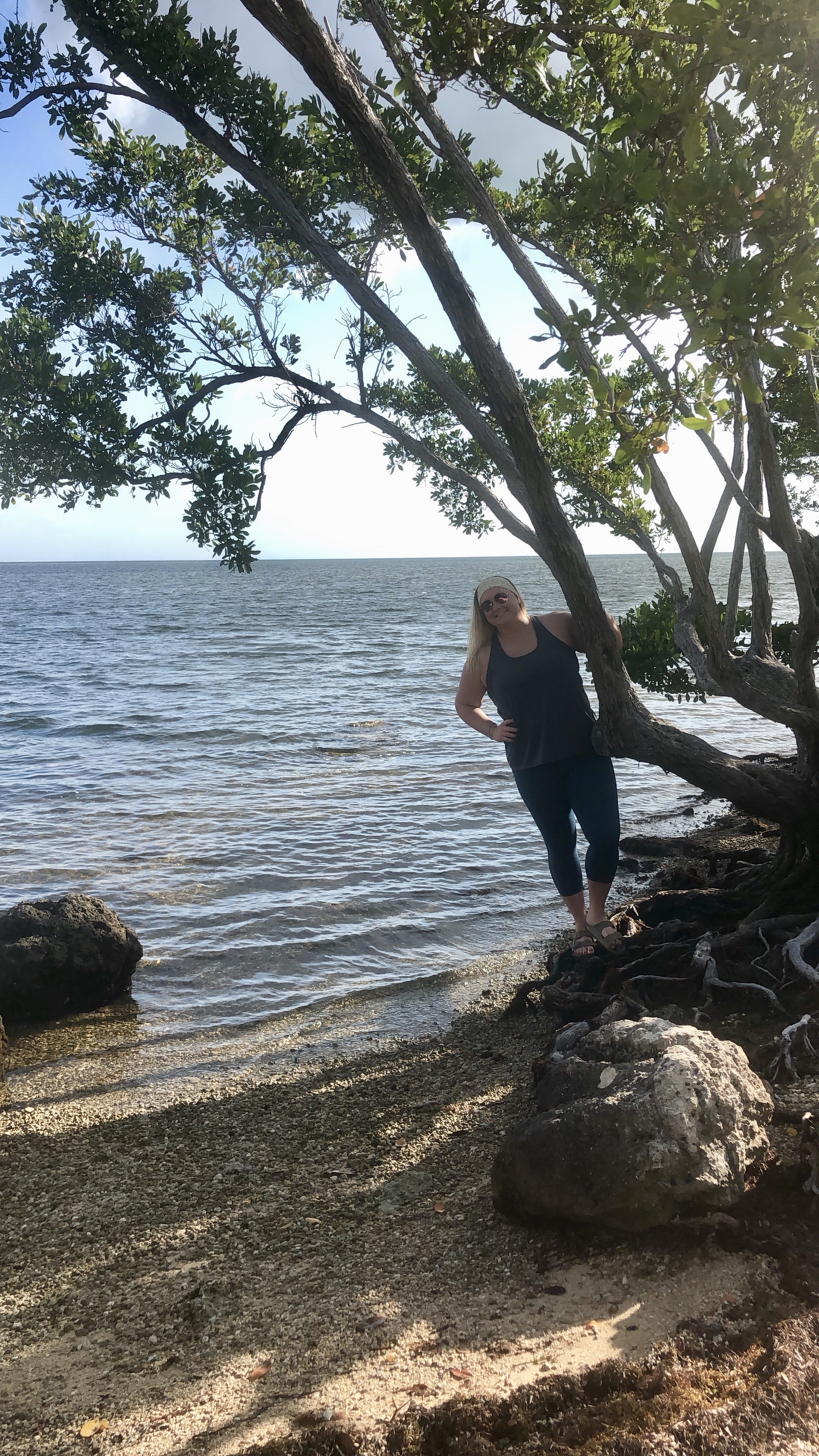
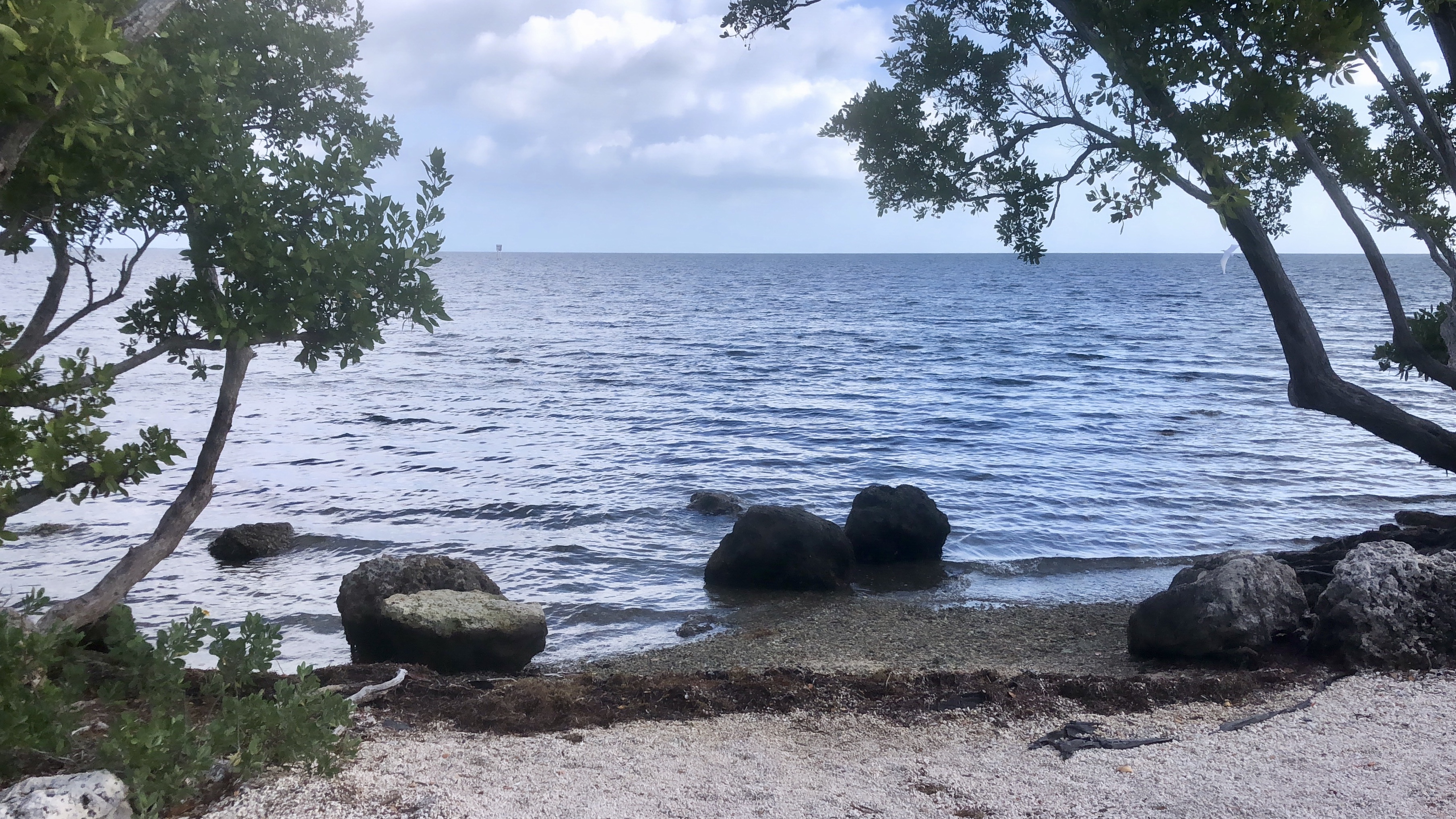
The Dante Fascell Visitor’s Center at Biscayne National Park is located about half an hour from The Everglades. Biscayne National Park is 95% water, so while there are many opportunities for excursions at this park, there is not much offered on land at the visitor’s center. Opportunities for excursions include snorkeling at a shipwreck and the coral reefs, cruises to Bocha Chita Key and the lighthouse (which can be heavy with mosquitos in the spring), sailing, kayaking, cannoning, and much more. We walked along one of the trails at the bay and were able to see some wildlife, but unfortunately the weather (very windy/choppy) and our sleep deprived state prevented us from taking advantage of the tours. At Biscayne you’re also allowed to bring your own boats, kayaks, canoes, paddle boards, etc. to make your own adventures. If I lived in Florida, I would definitely take advantage of this beautiful, protected area. Biscayne Bay, I’ll be back!



































 Krista Was Here