Krista Was Here

My National Park Adventures.

  • Indiana Dunes National Park

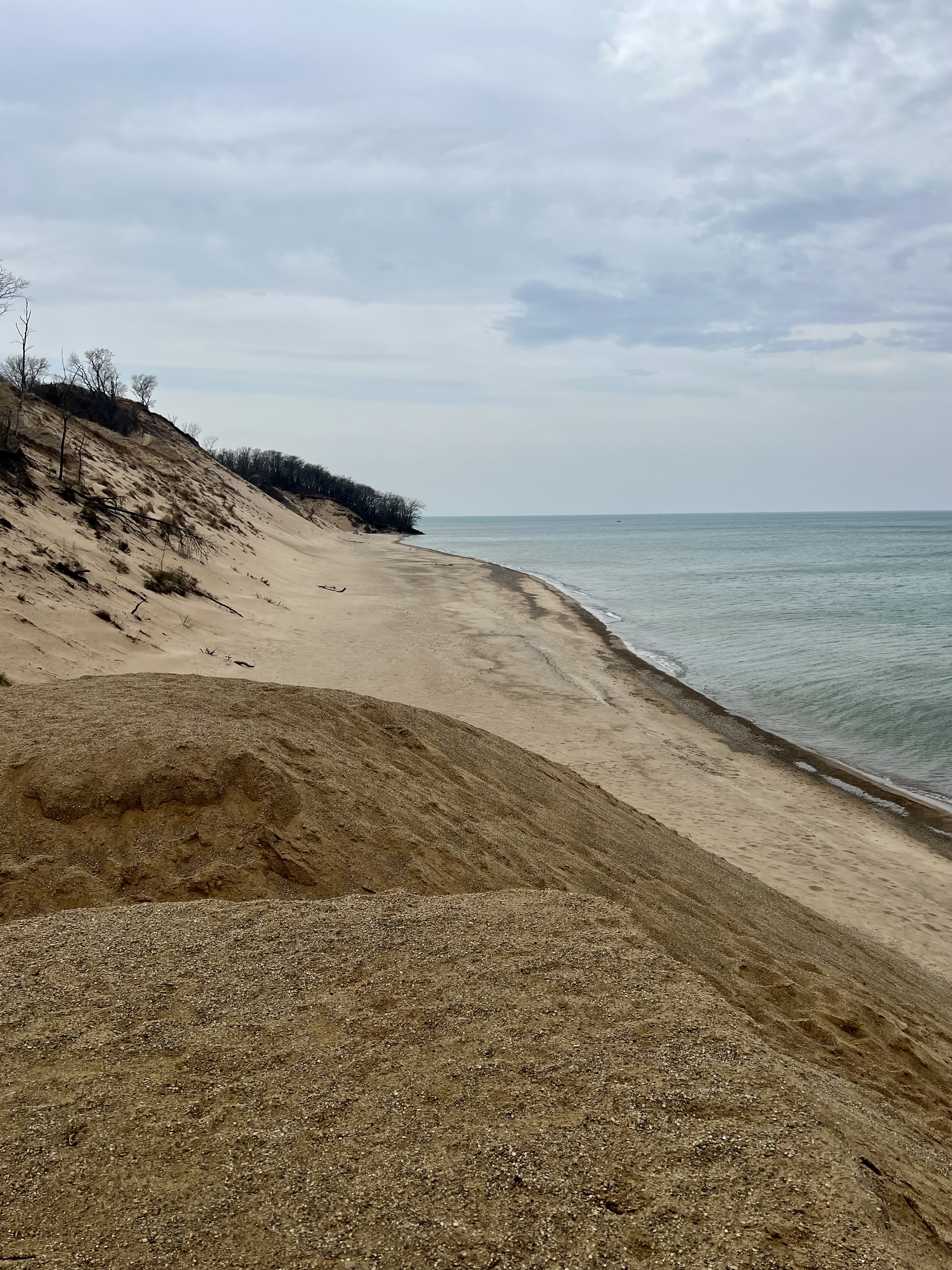
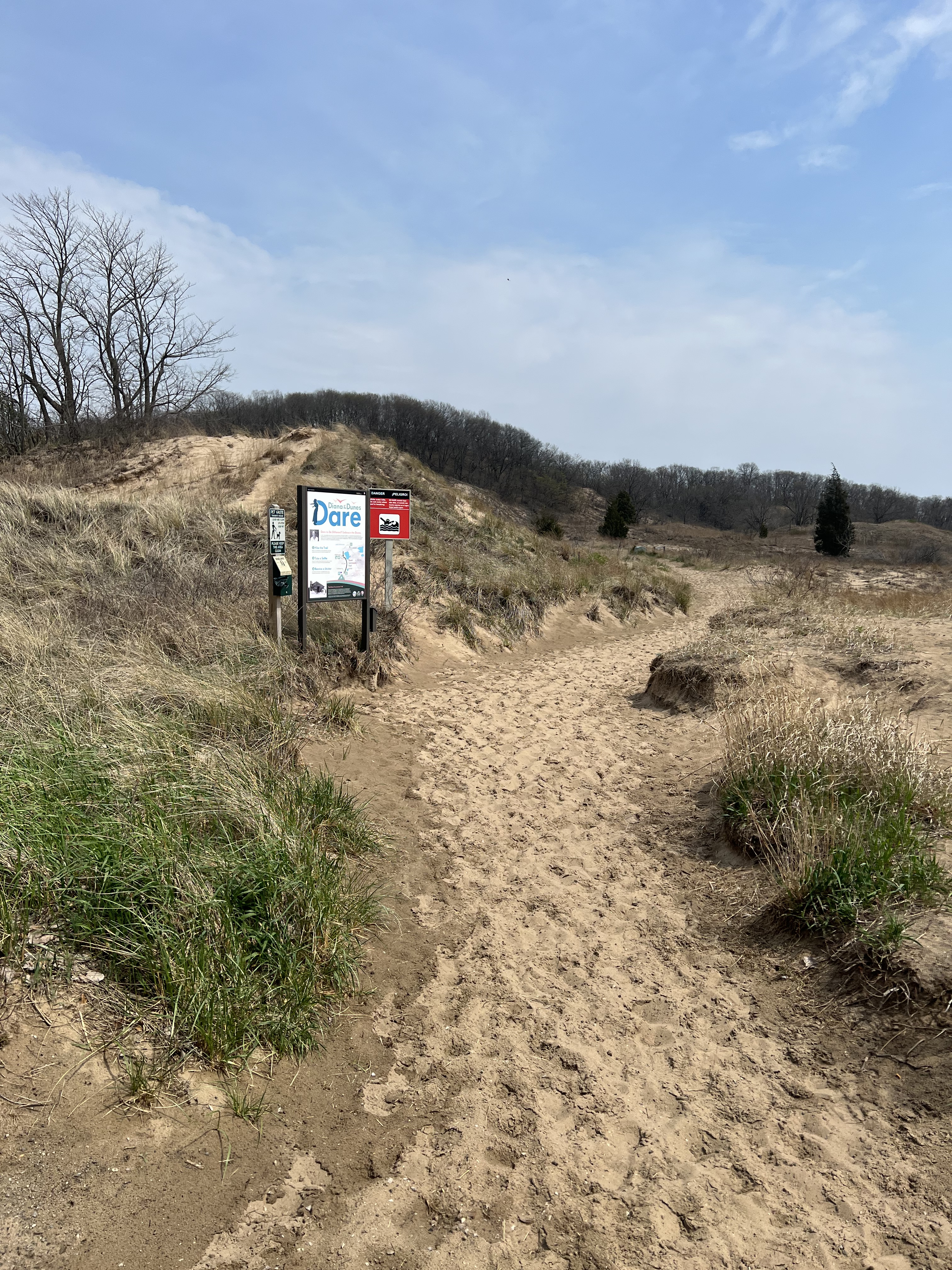
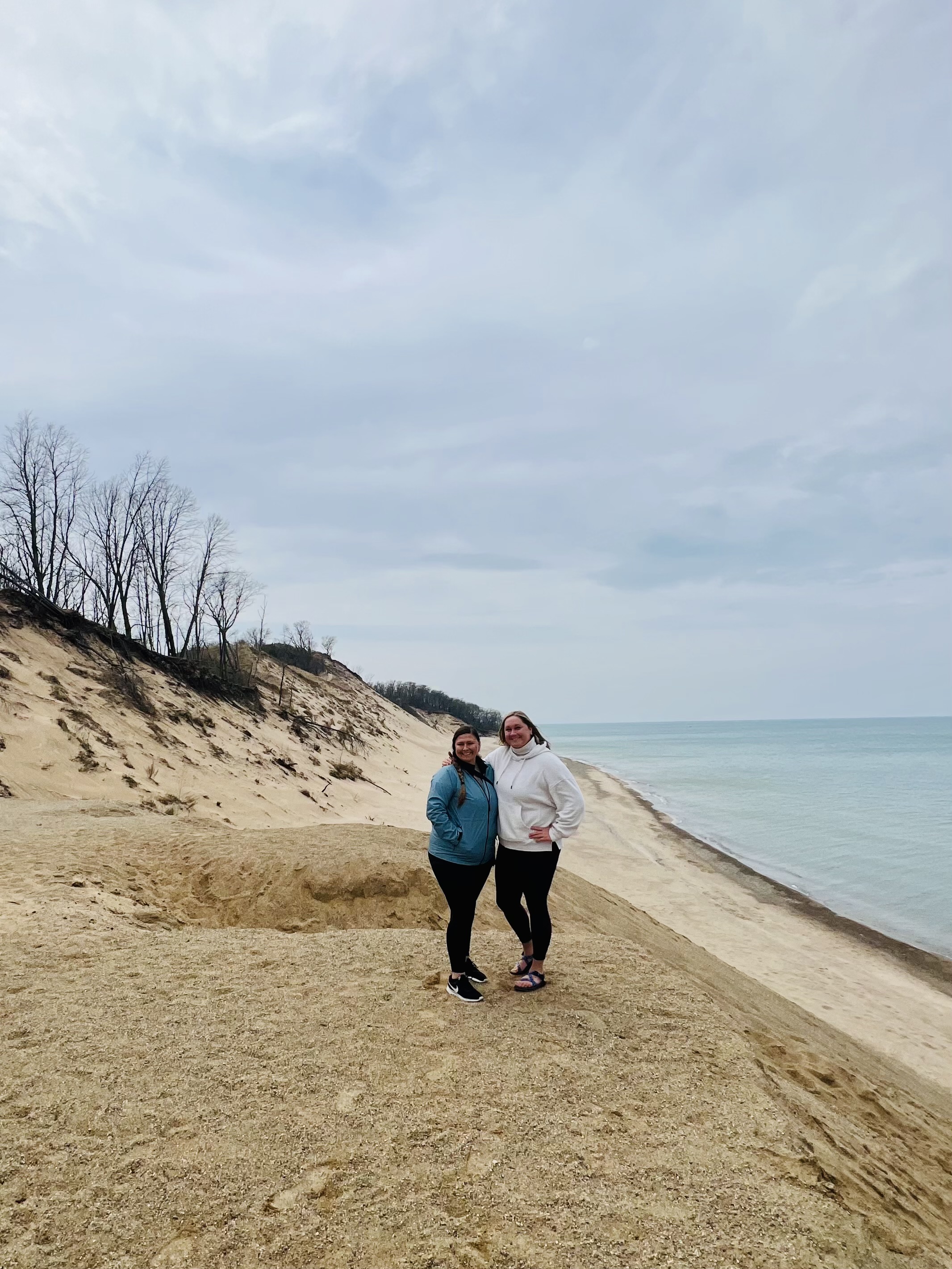
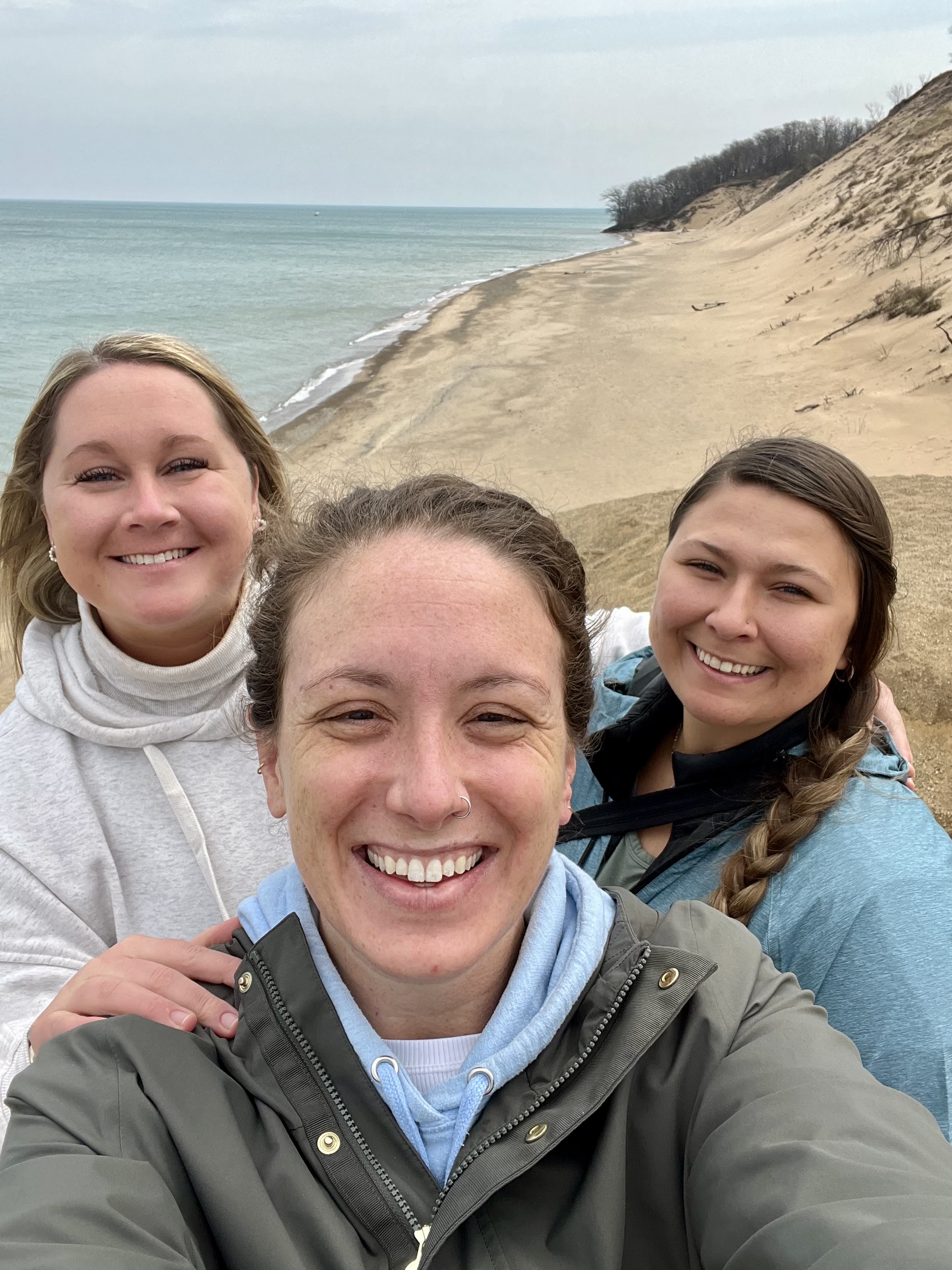
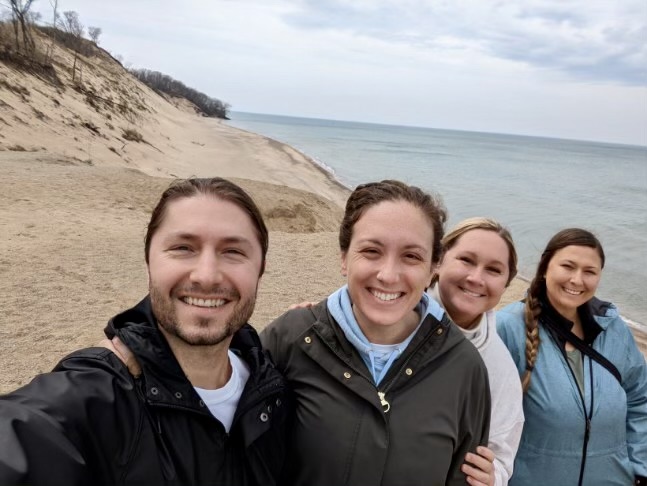
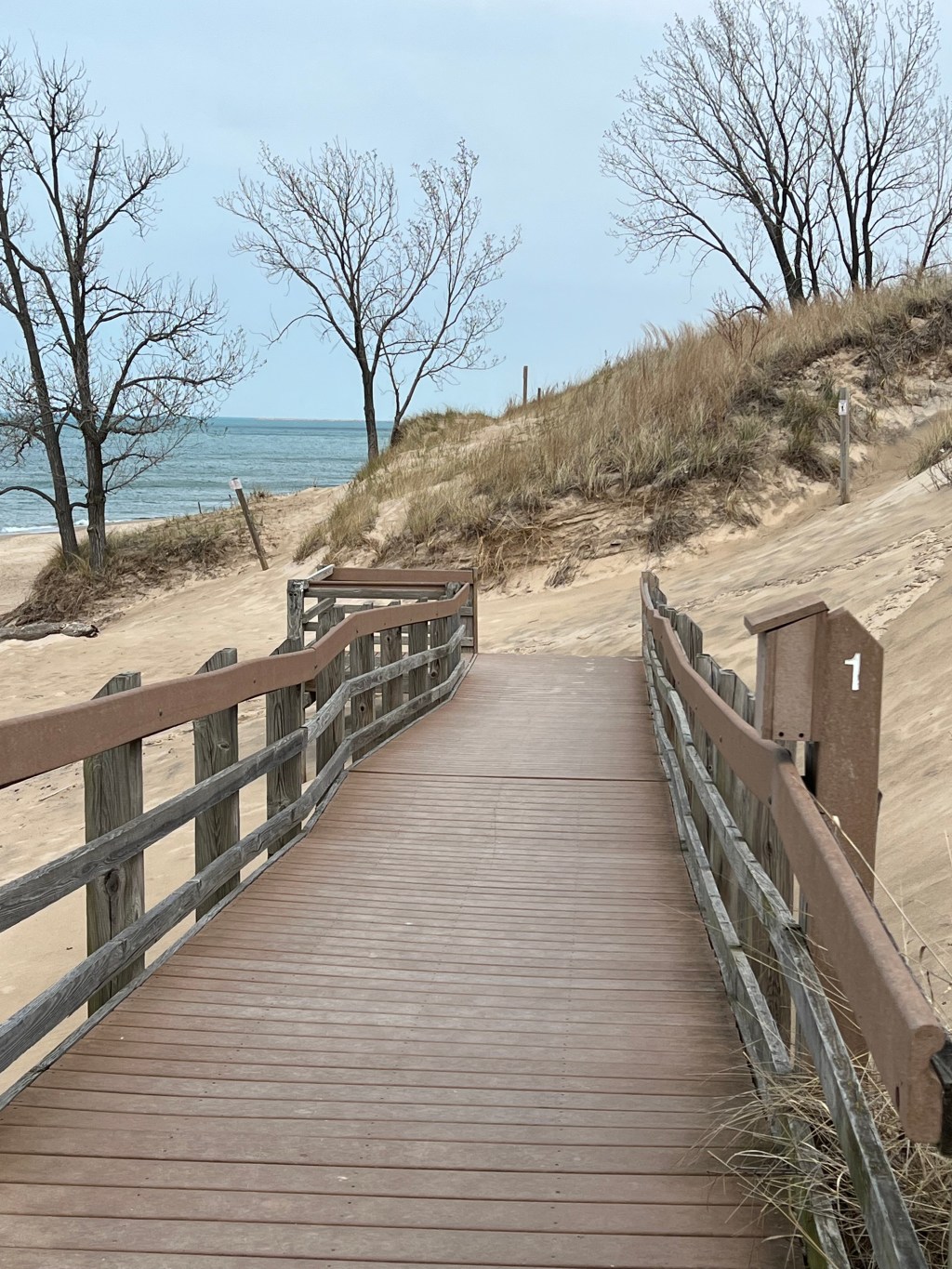
    The last stop on our spring parks trip was Indiana Dunes National Park.  This Park was upgraded from a National Lakeshore to a National Park in February 2019, making it America’s 61st National Park.  Indiana Dunes is located just an hour outside of Chicago, which is where we would be staying for the next two nights.

    This had been a special weekend for me. Even though these three parks (Hot Springs, Gateway Arch, & Indiana Dunes) aren’t the most popular or jaw-dropping parks, we were road tripping through the Midwest to see them all, which made it more fun. I’m from the Midwest originally, so it was special to be back on my stomping grounds. Plus, at our last stop in Chicago, we would be staying with my college roommate who I had not seen in 7(!) years. I couldn’t wait to see her– a lot of life happens in 7 years. Two days was not nearly enough to catch up, but we hit the ground running and did our best.
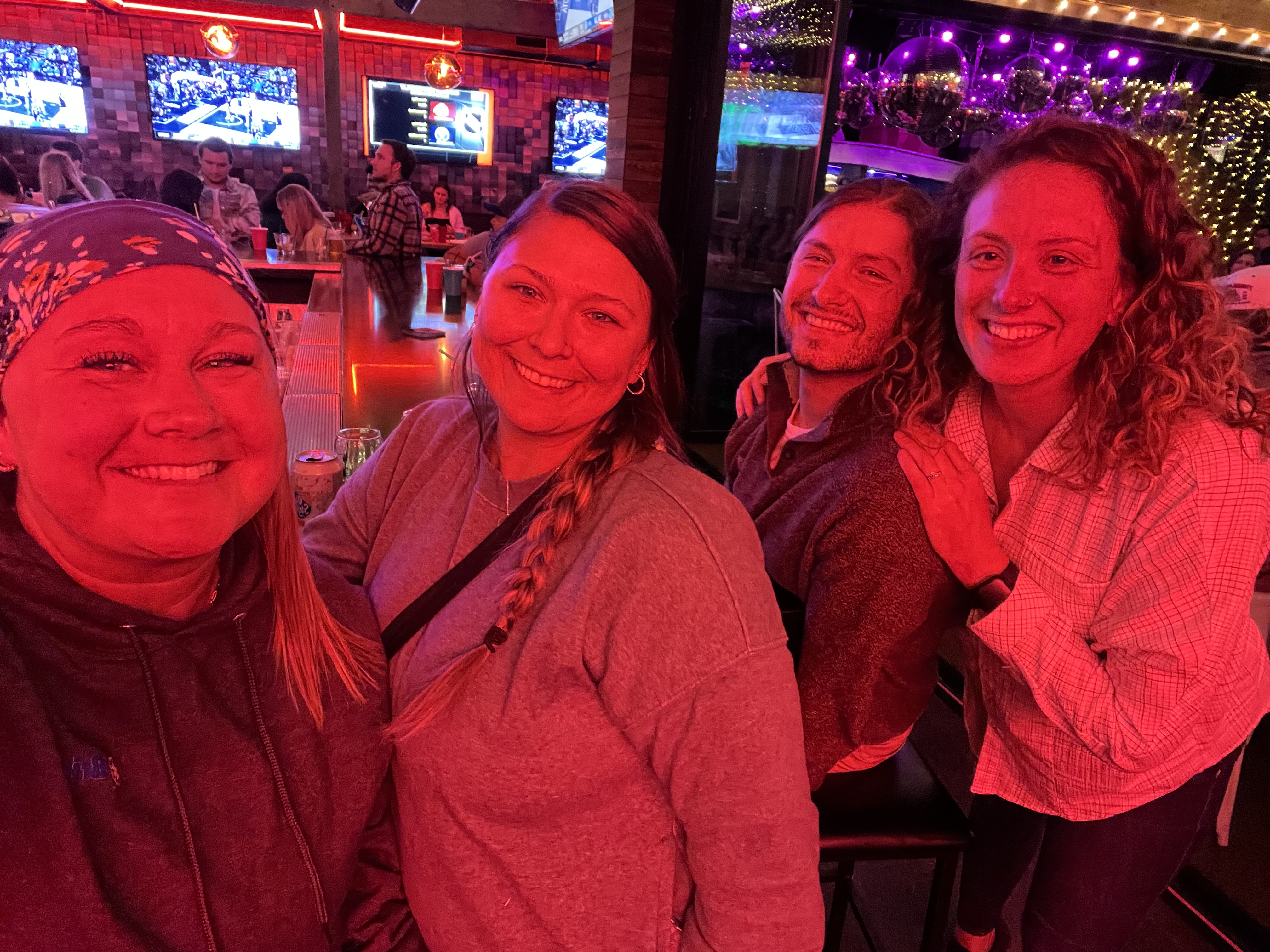
    My friend who I travel with had never been to Chicago (or the Midwest) before, so we all did our best to introduce her to as much as we could.  We had Chicago beef sandwiches, went out in Wrigleyville, and ordered deep dish pizza all in our first night. 

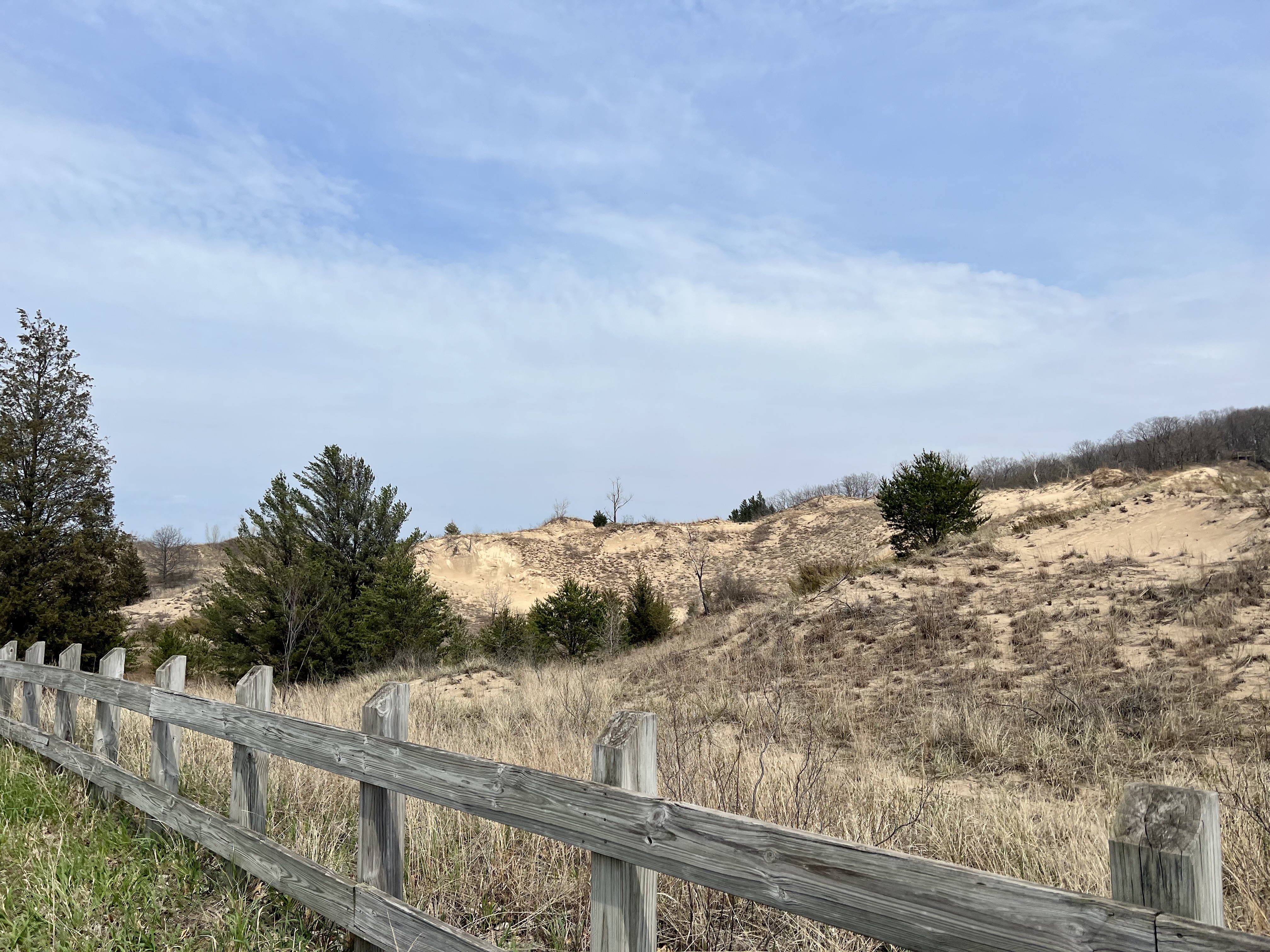
    The next morning, we recovered with some liquid IV and coffee and headed for the national park.  Before we headed for the Midwest for the weekend, it was forecasted to rain the whole time.  We had missed most of it up until this point, but that morning our luck ran out.  It was pouring rain our whole way to the park, and was still raining once we got there.  We hung out in the visitor’s center for a while—walked around, watched some informational films, and then eventually chatted with a park ranger.  We learned that Indiana Dunes National Park is the fifth most biodiverse national park, just behind Yosemite.  There are also two types of dunes in the park: foredunes and blowout dunes.  The foredunes are close to the beach and covered in vegetation.  Blowout dunes are caused by intense winds that rip the dunes apart.  The loose sand makes a “living dune,” which can move up to several feet per year.  

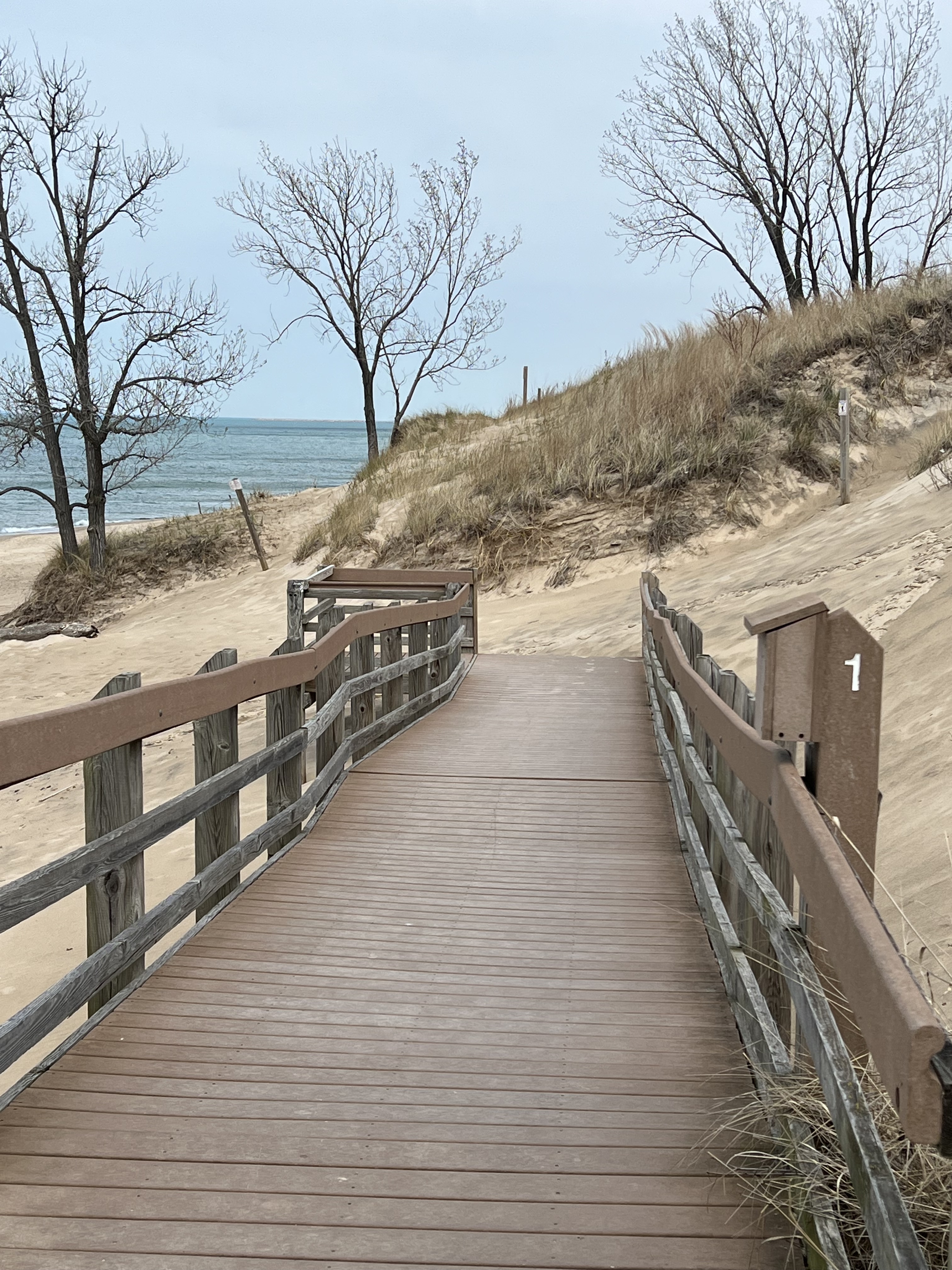
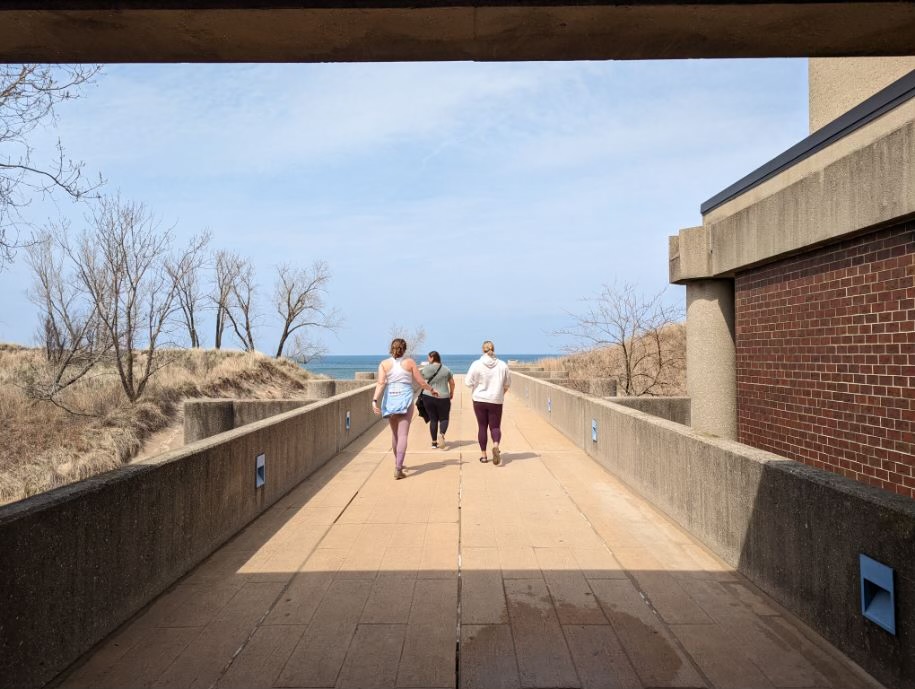
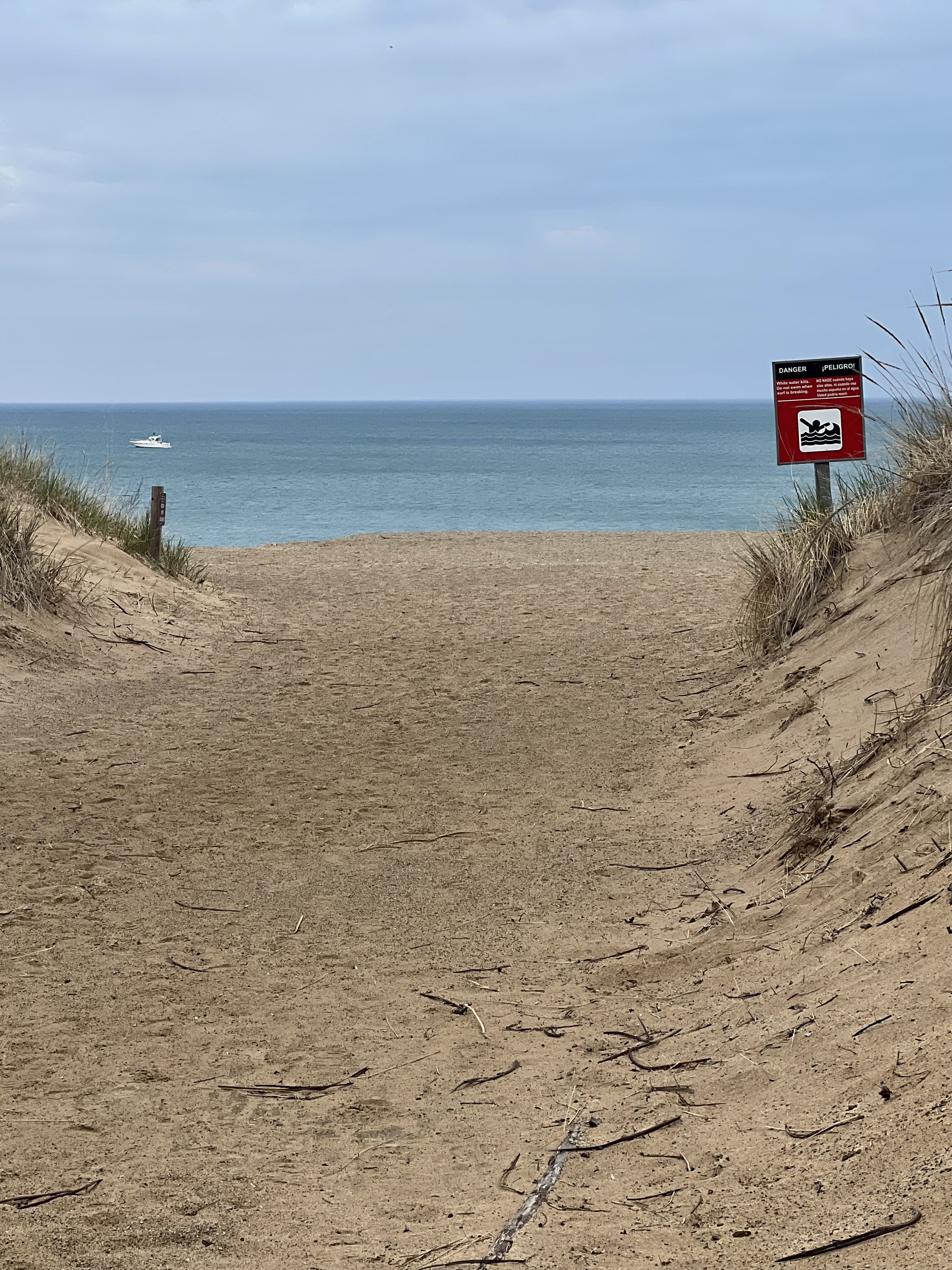
    Once the rain let up, we ventured out to explore the park, starting with the scenic drive.  We did a couple short nature walks along the trails and boardwalks, and walked along the shore.  This would definitely be a fun park to come to in the summer—Lake Michigan and these beaches are absolutely beautiful. 
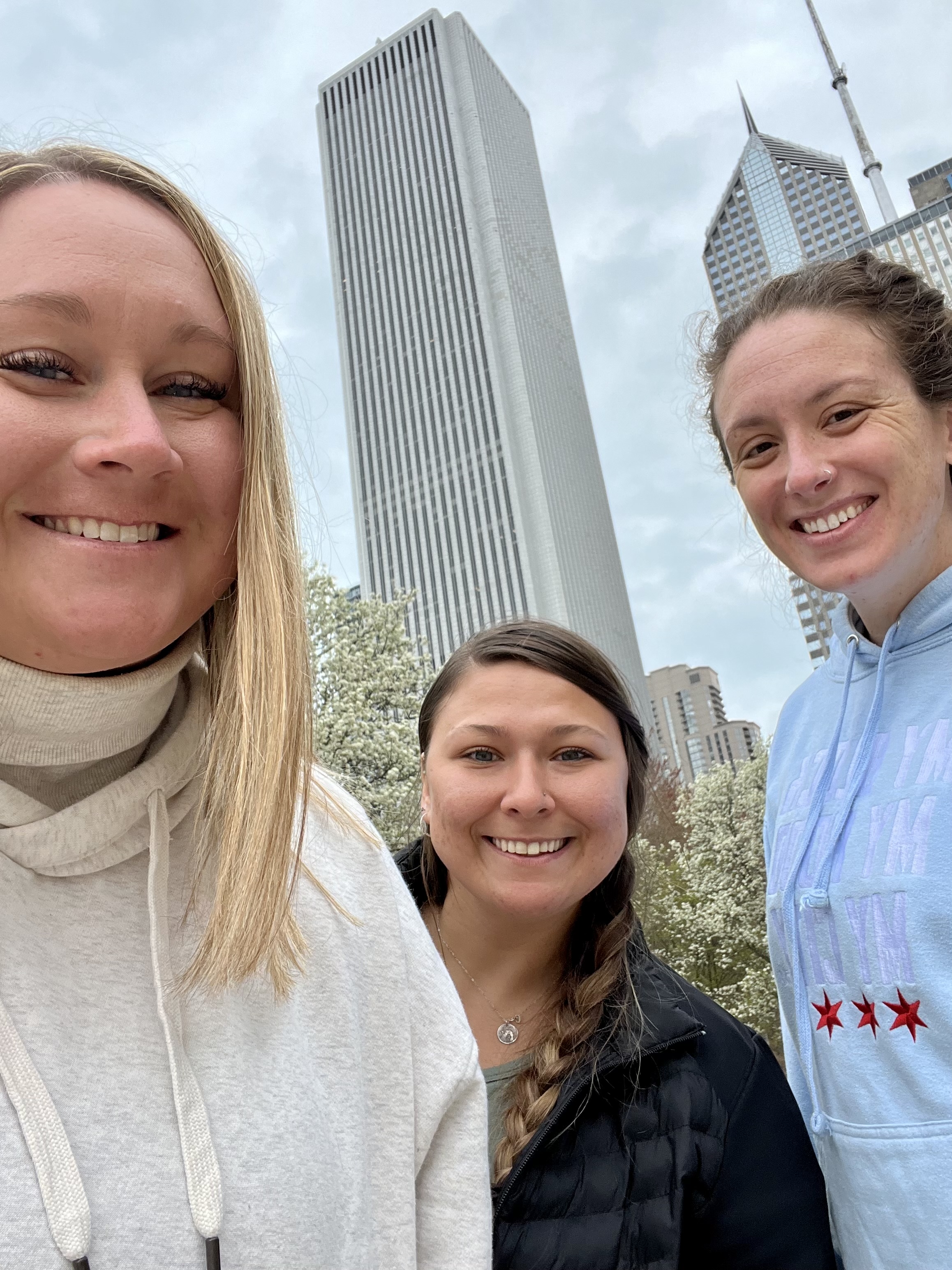
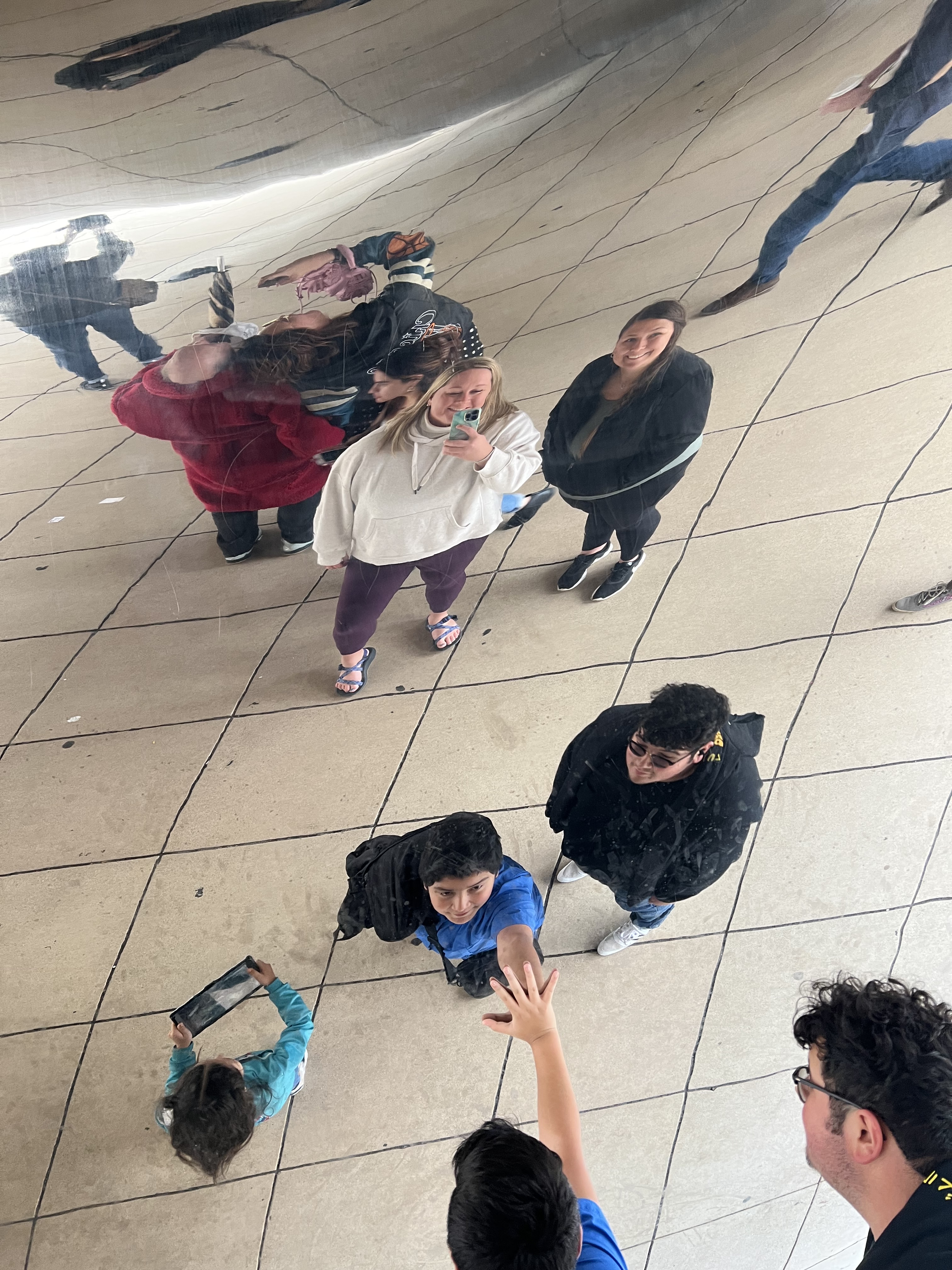
    We eventually made our way back to Chicago for a stop at Millennium Park and dinner at a brewery.  I love how over the years of traveling to the national parks, different people have adventured with us.  Sharing these experiences with friends and family along the way has really made this journey special.  
  • Gateway Arch National Park

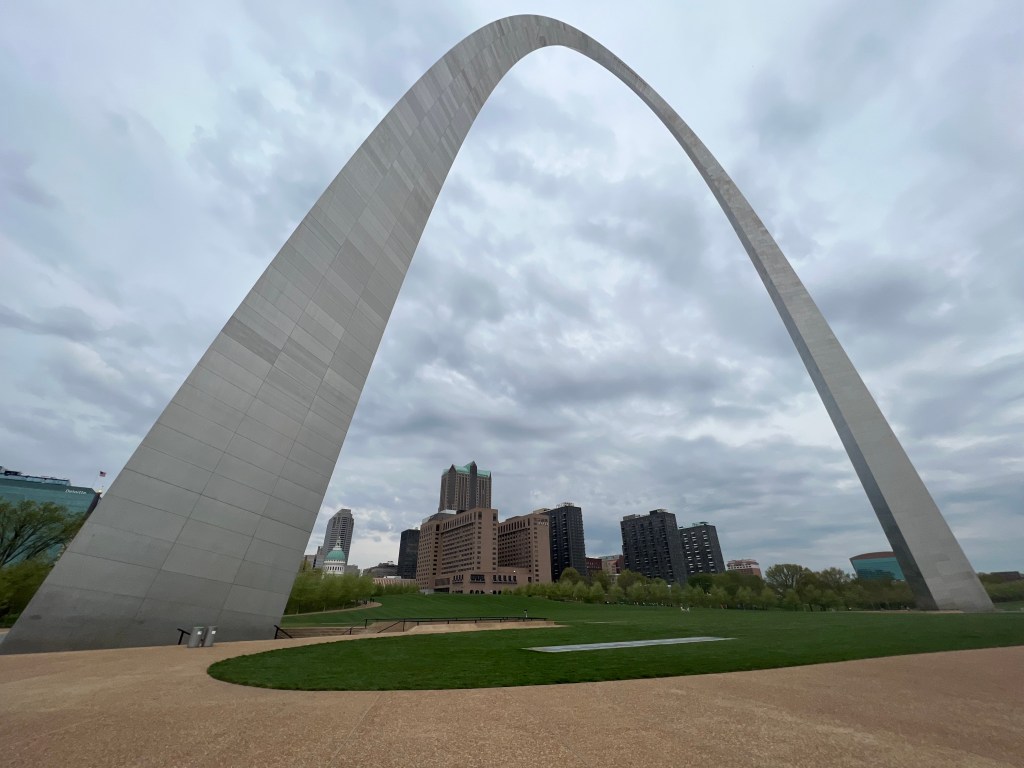
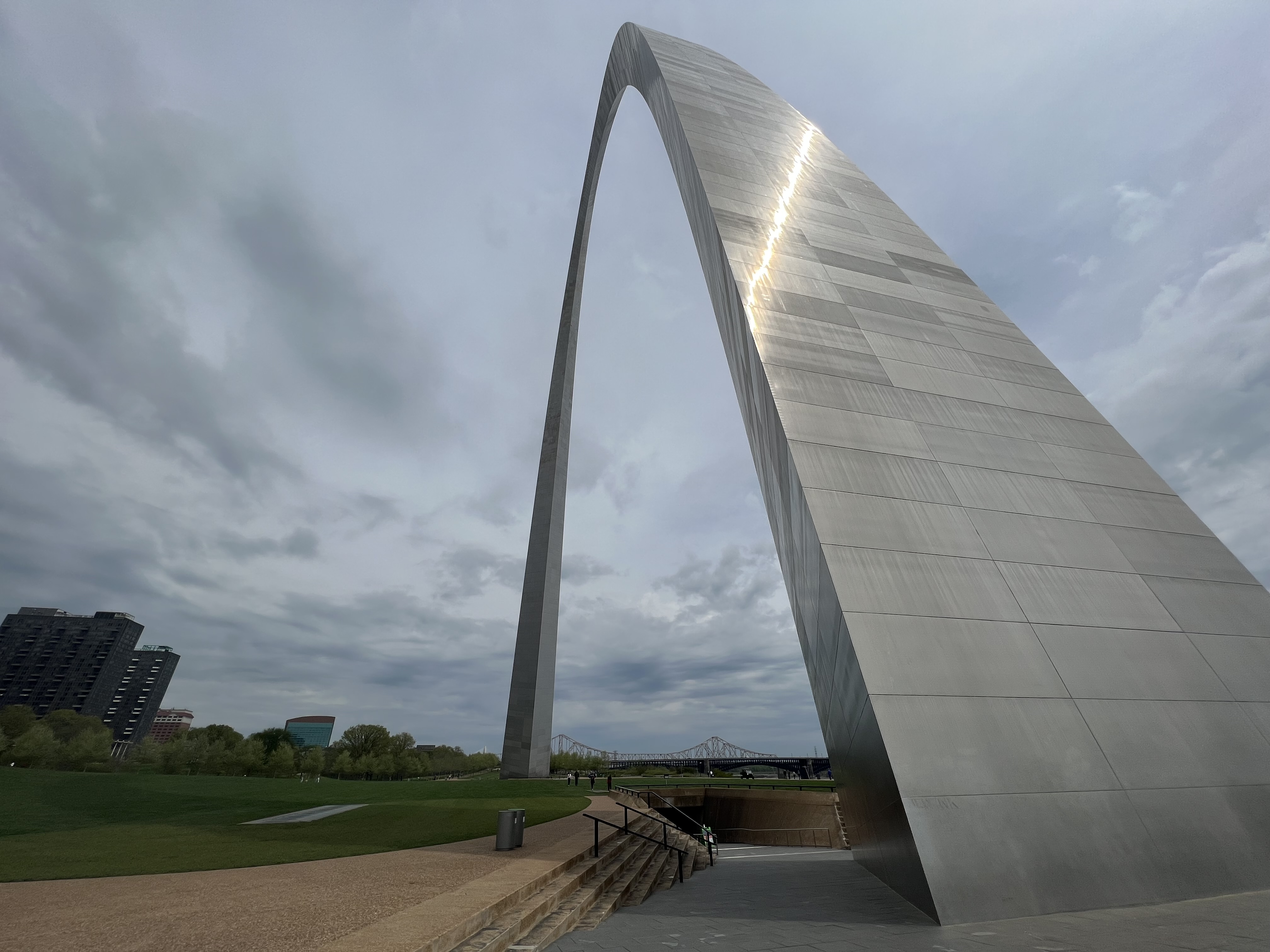
    The Gateway Arch was named an official National Park in February 2018.  Even though it is our nation’s smallest park, it offers a whole lot of history.  The Arch was originally built as a monument to symbolize the role St. Louis played in westward expansion during the 19th century. 


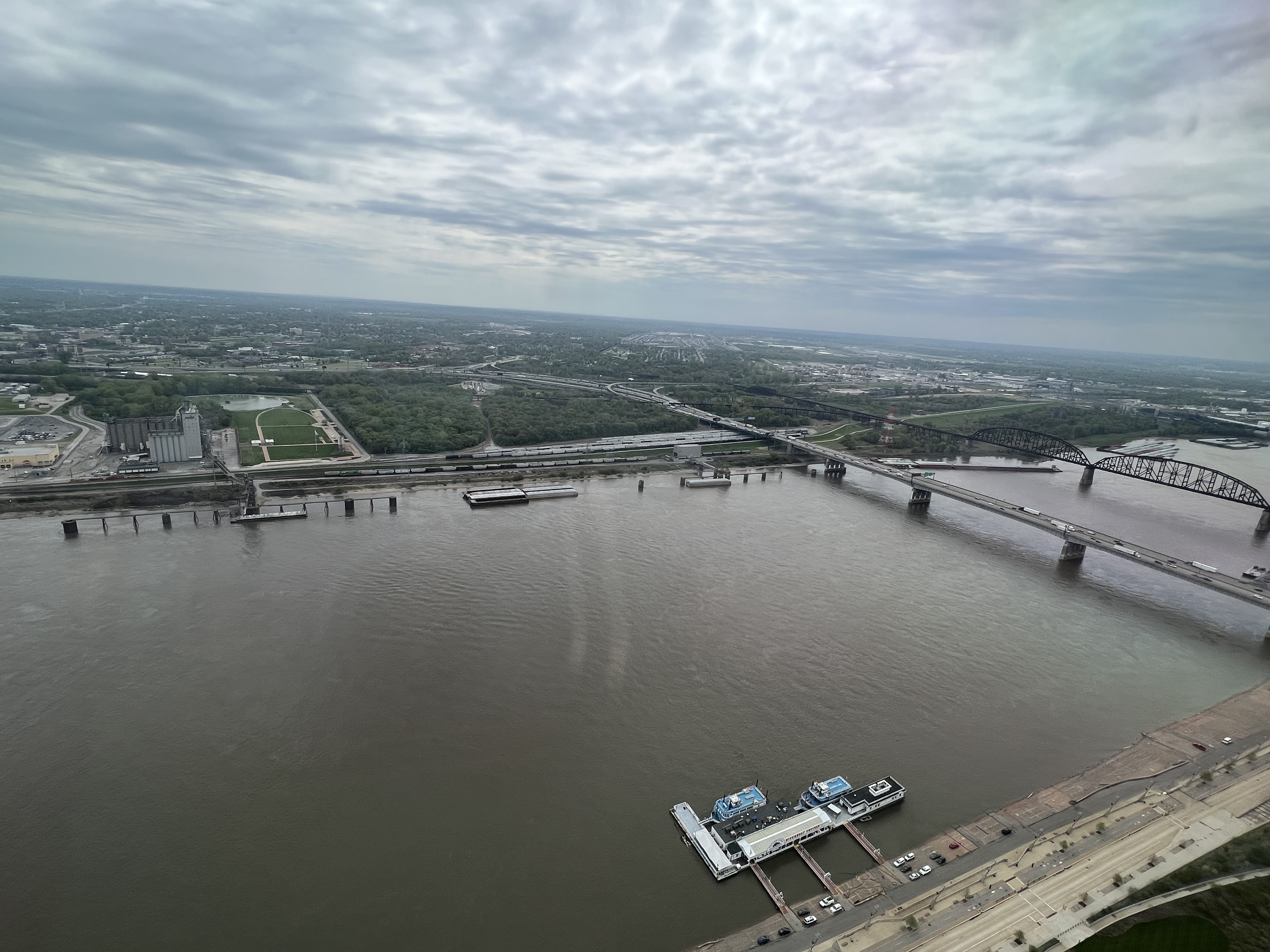
    The Arch measures in at 630 feet—uniquely just as tall as it is wide.  Its actually the tallest man-made monument in the United States.  On a clear day, visitors at the top of the arch may be able to see 30 miles in either direction.

    While visiting, we took a tram ride to the top.  We learned that an elevator, escalator, and Ferris wheel were all considerations to build to get people to the top.  The tram ride takes about 4 minutes up, and 3 minutes back down.  Each group is allotted 10 minutes at the top for pictures and views.  It’s a little eerie at the top, but the Gateway Arch is designed to withstand earthquakes and lightning strikes, and is built to sway up to 18 inches in 150 mph winds, so it’s a sturdy structure. 

    Before departing this urban park, we toured the museum at the base, had some snacks at the Arch Café, and took some cool pictures outside with the downtown scene in the background.

  • Hot Springs National Park

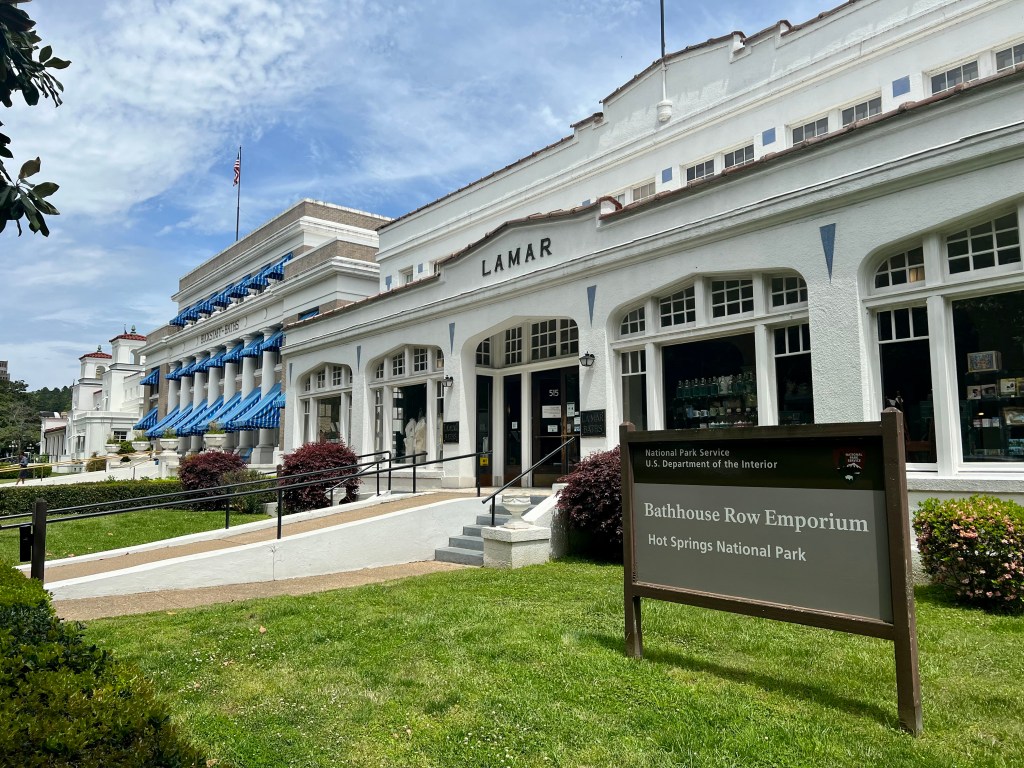
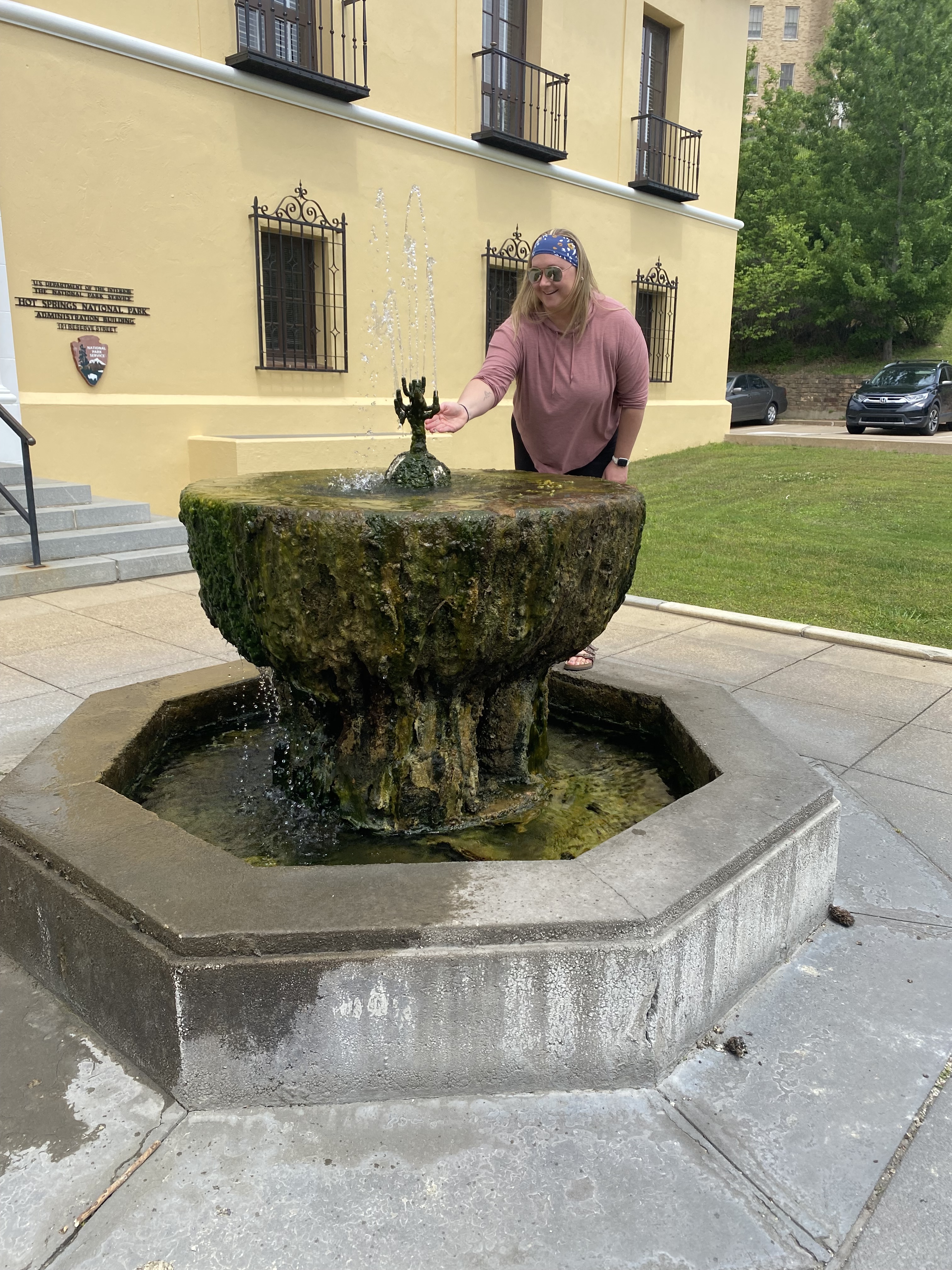
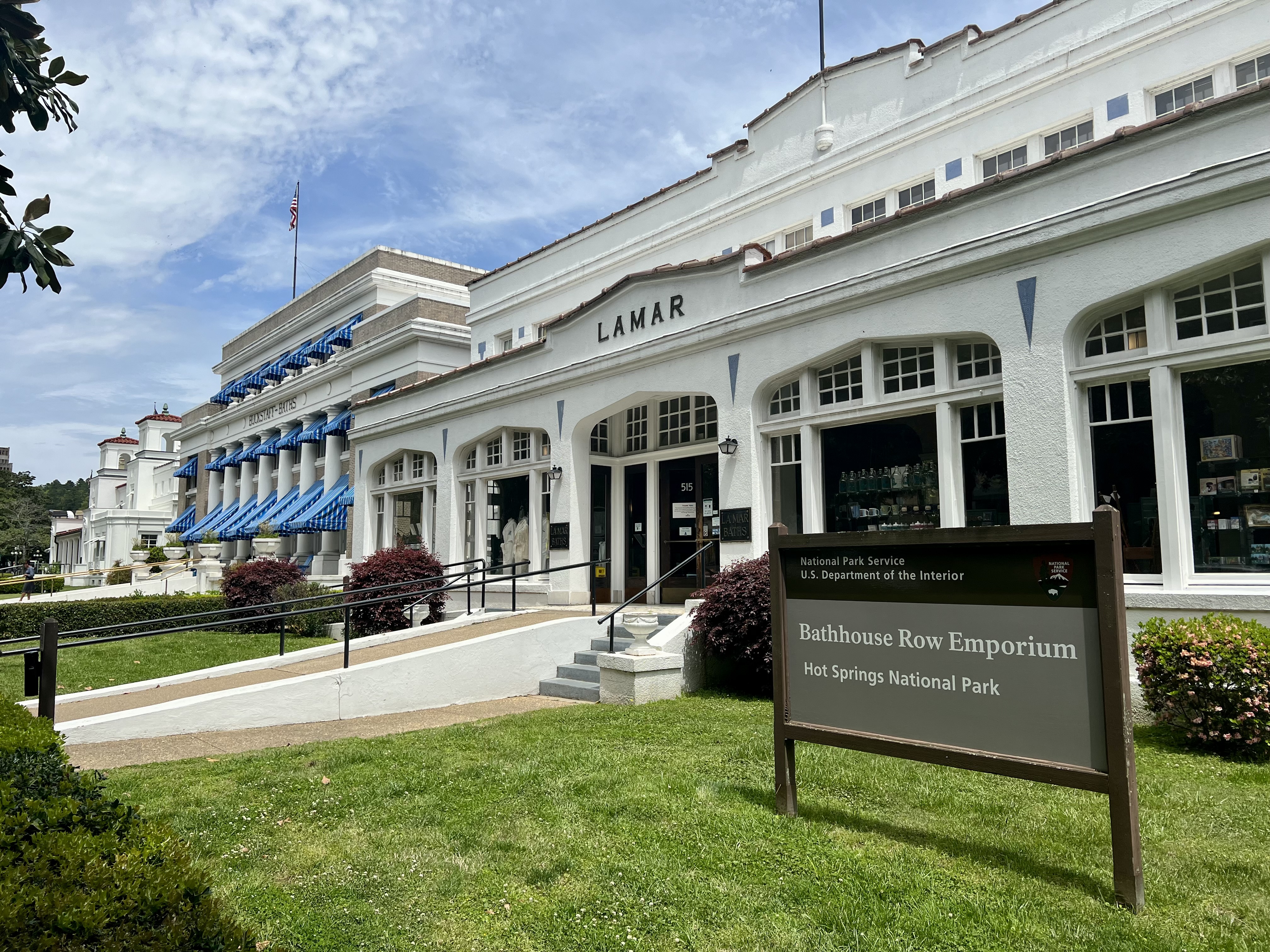
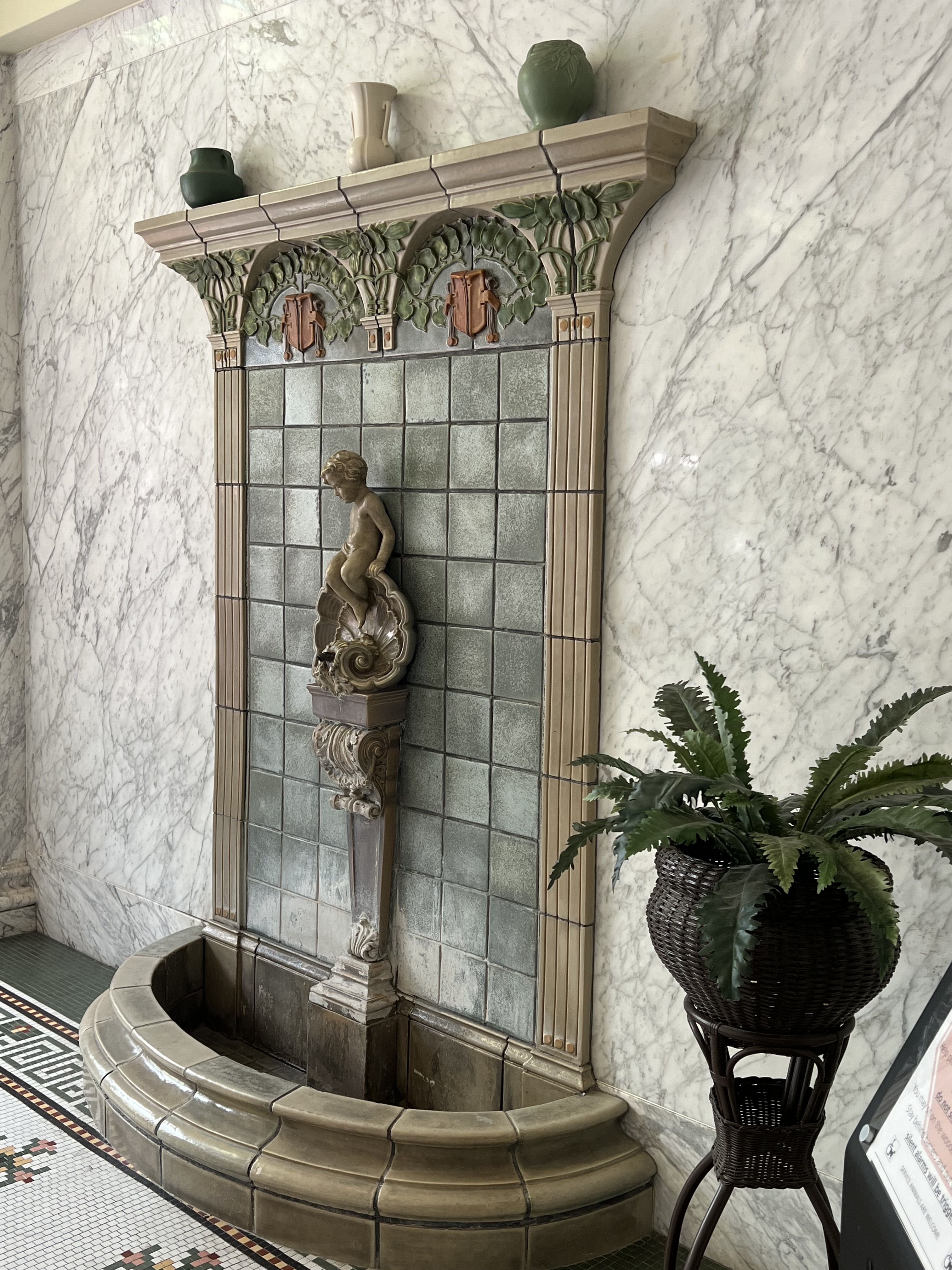
    Before traveling to Hot Springs National Park, I didn’t really know what to expect. For starters, I had no idea this park was in the middle of a city. However, Hot Springs is considered an “urban park,” and is indeed nestled in the heart of downtown Hot Springs. The Park is surrounded by shops, restaurants, bars, and other tourist attractions. There is no entrance fee, and although you cannot soak in any of the thermal springs outdoors, you are able to soak in the mineral water at a few of the Bathhouses.

    Quapaw Bathhouse opened in 1922, and is the longest bathhouse on the row.  Modern spa services are available, and you are able to soak in water from the hot springs here.  There is a large pool public pool, as well as several other smaller hot tubs available to soak in for a fee.  There is also a snack shack and refreshments available for purchase in this area.

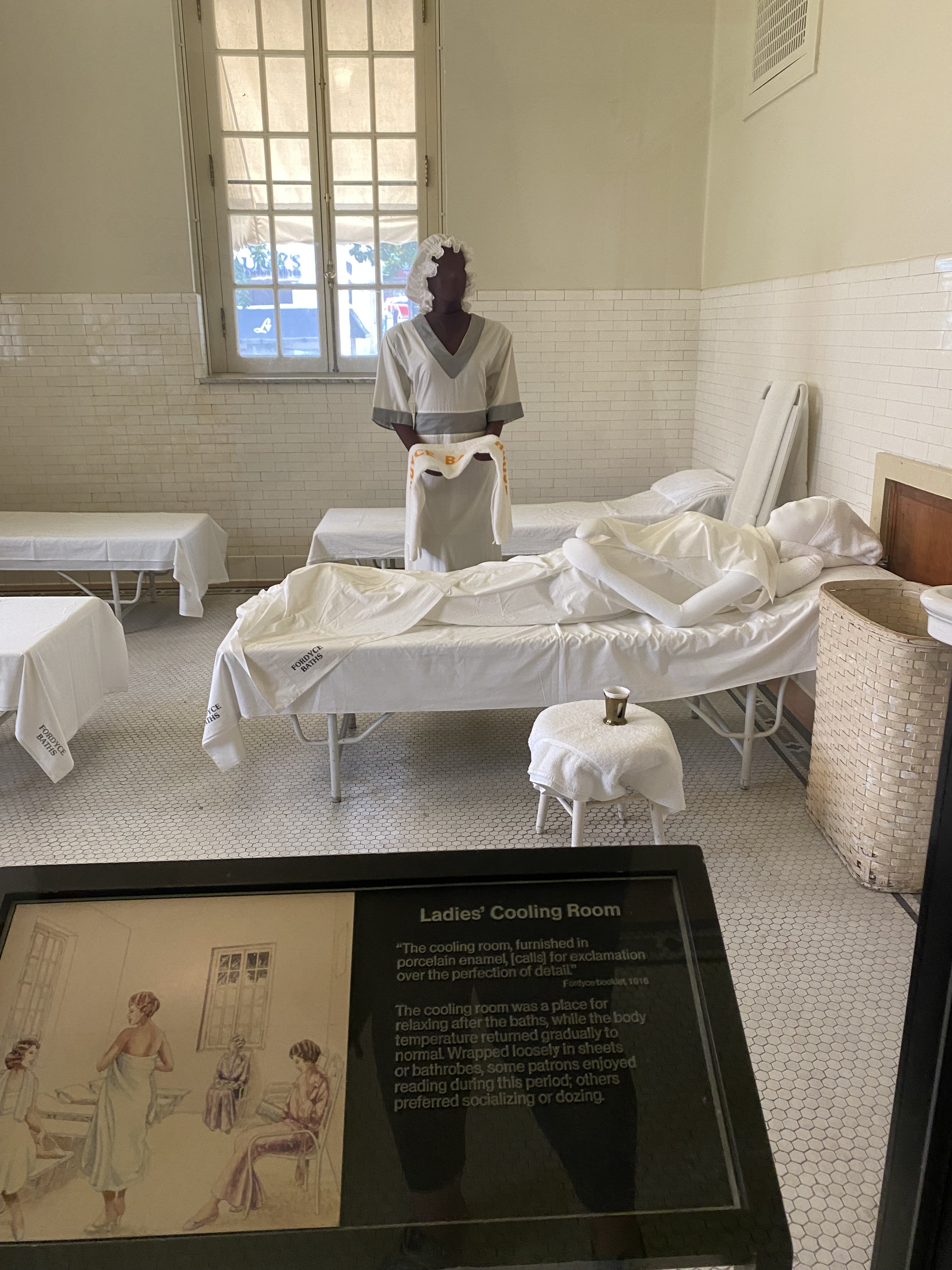
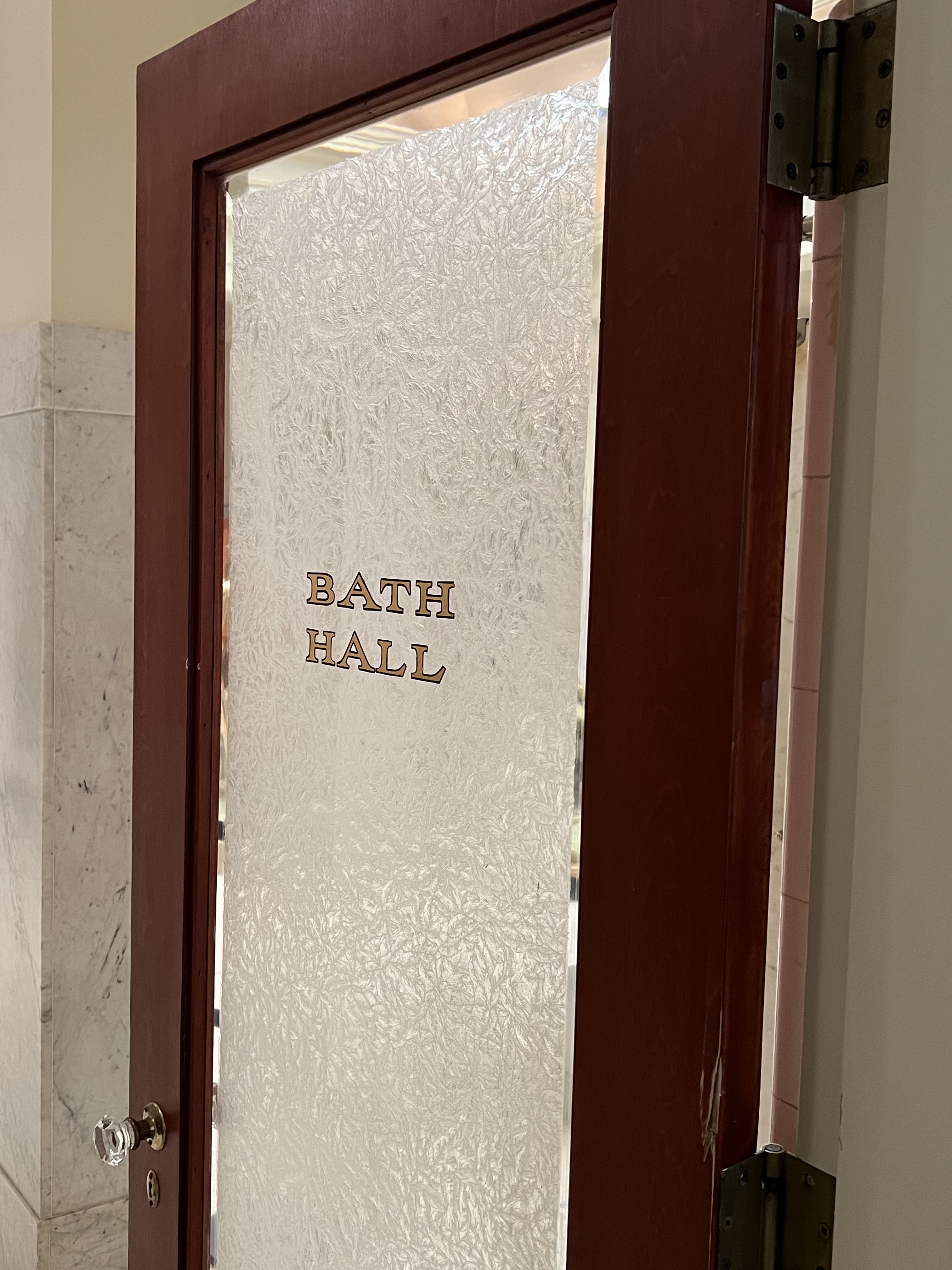
    Buckstaff Bathhouse is the best-preserved traditional bathhouse, and was built in 1912. While both bathhouses offered similar spa services (massages, pedicures, etc.), we opted for Buckhouse because it advertised a more traditional experience. Although I don’t think we realized what type of experience we were really getting ourselves into before we started, but it made for some great memories. We paid for the traditional experience, which included: whirlpool mineral bath soak, hot packs, steam cabinet, and a sitz bath. They used to include a loofah scrub, however that has since been nixed with Covid. We were both assigned a personal “bather,” that ushered us to each private station during the whole experience, which lasted about 1.5 hours. At my last station, I had a conversation with my bather—I found out she had been doing this for 42 years! Crazy to think about what all has changed in the past 40 years.

    We didn’t explore much outside of Bathhouse Row, however there are a few scenic drives just outside downtown Hot Springs— The North and West Mountain Drives.  Hot Springs National Park also offers 26 miles of hiking trails to various viewpoints.  Could definitely be worth checking out, maybe next time 😉

  • Petrified Forest National Park

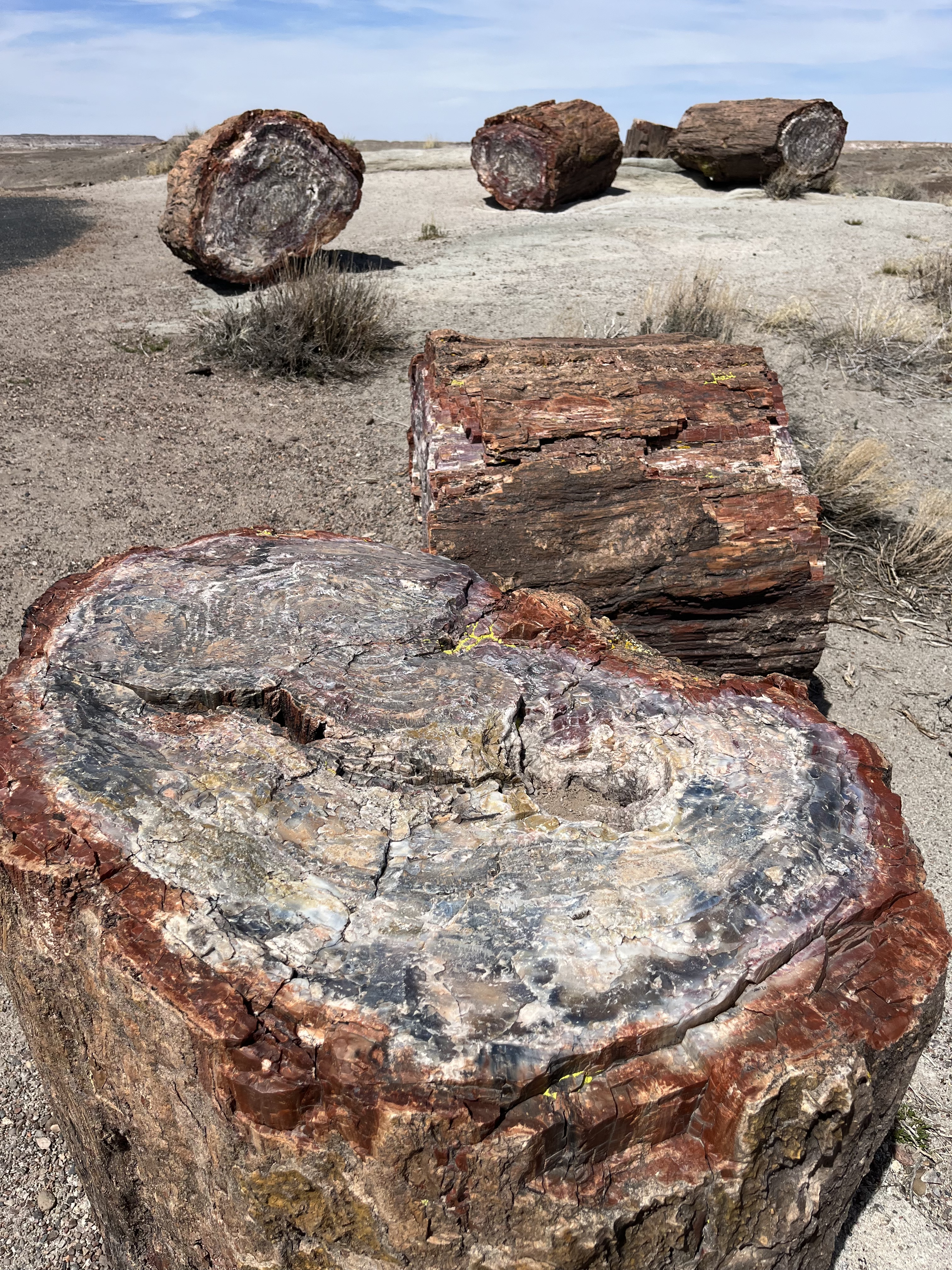
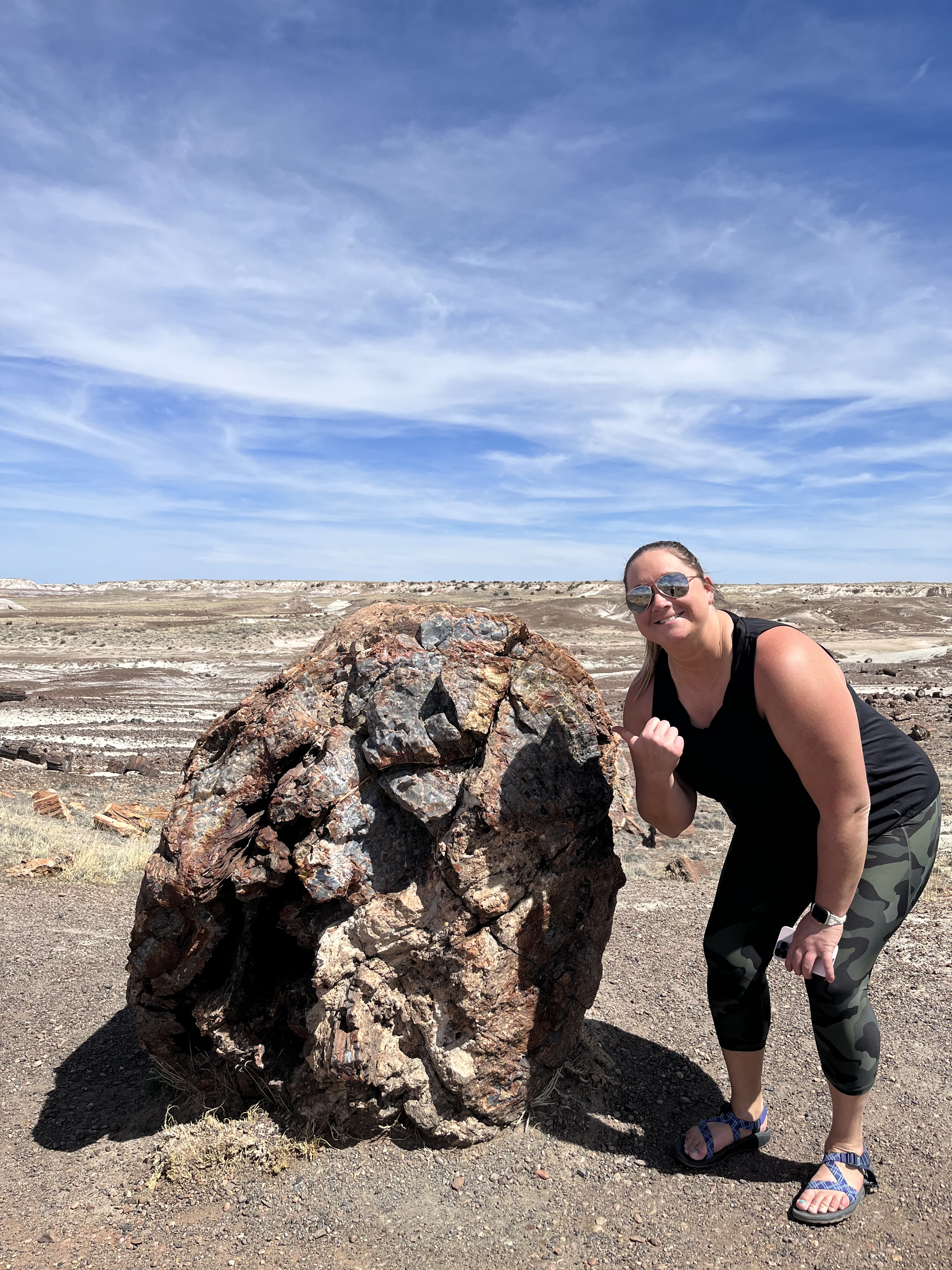
    Petrified Forest National Park is located in northeastern Arizona.  What once was a swampy forest is now a vast dry land flooded with petrified wood, some 225 million years old.  The history, geology, and unexpected beauty within this national park really impressed me.  With so much to see & explore, Petrified Forest is definitely worth a full day’s visit!


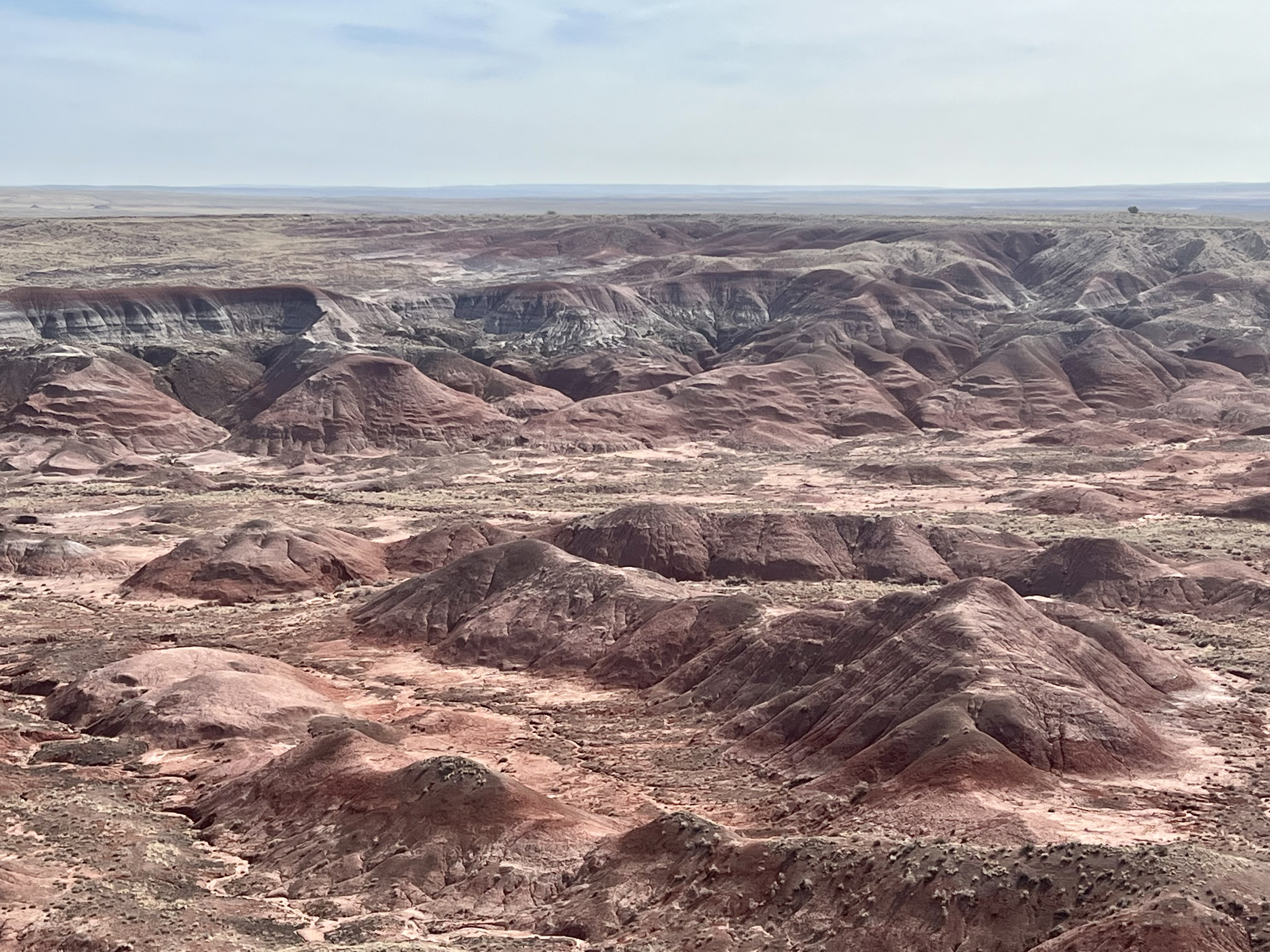
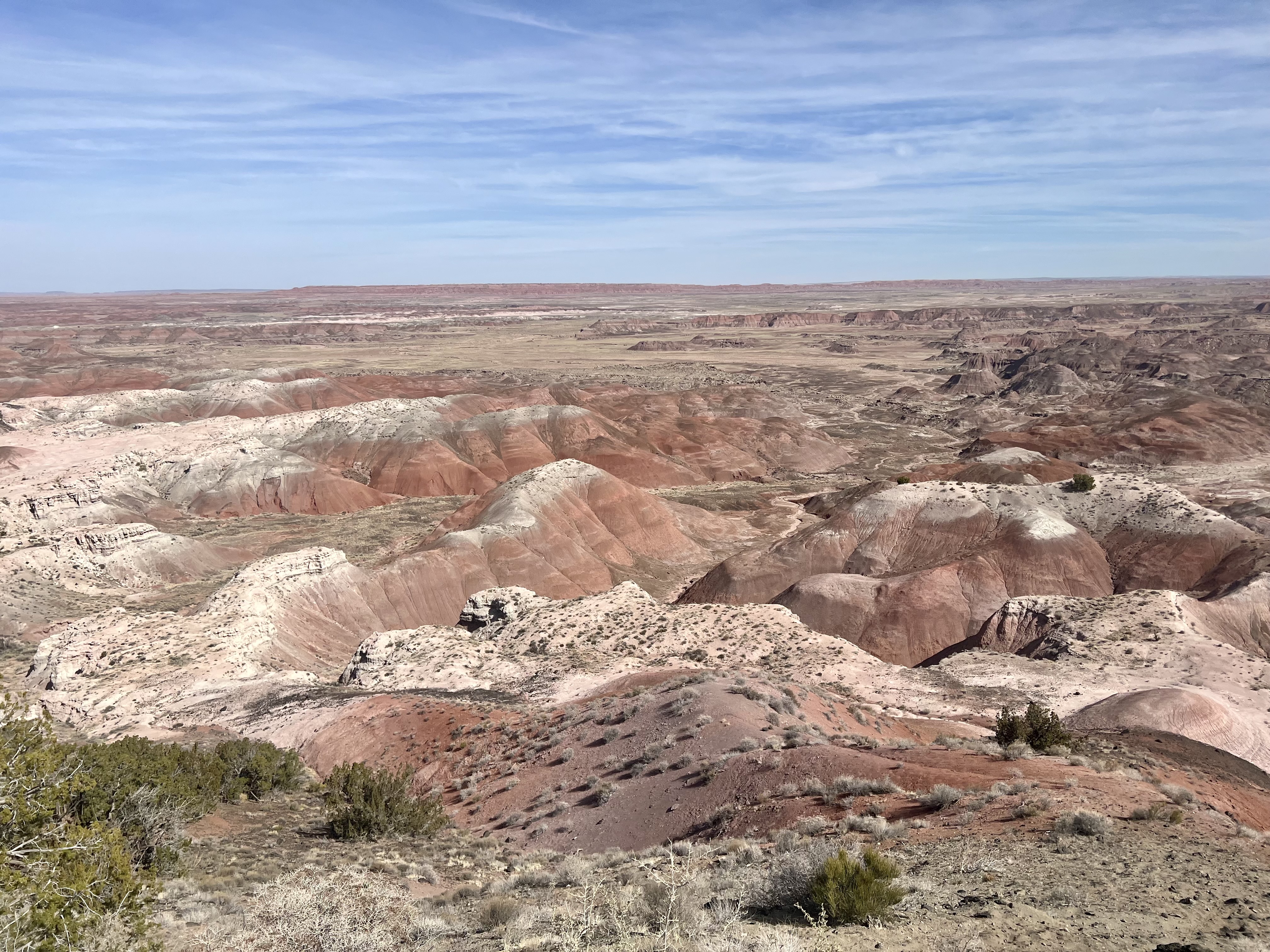
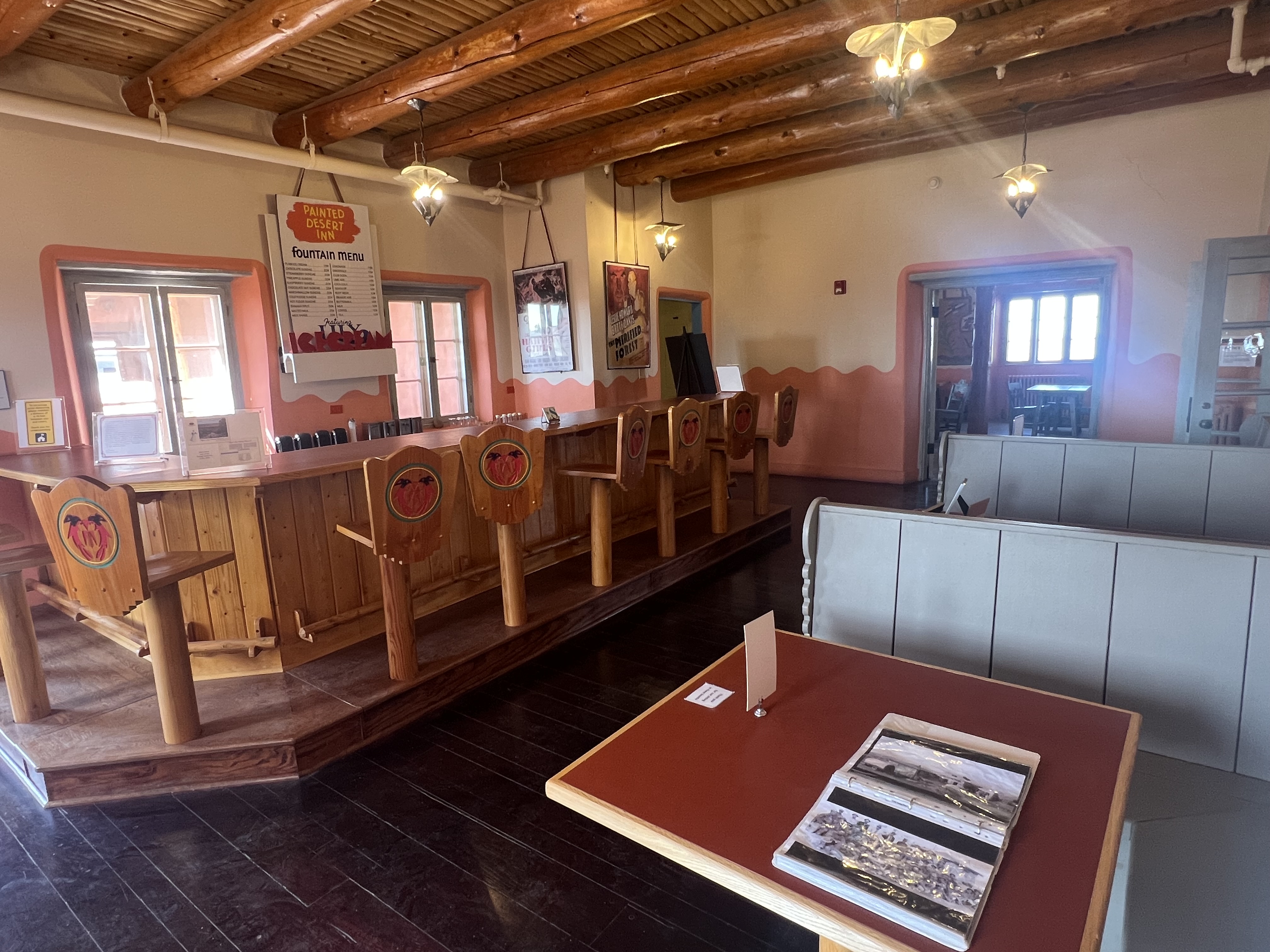
    We entered through the park’s North Side: The Painted Desert.  Here we stopped at the visitor’s center, then drove the park road for some colorful views of the painted desert.  We stopped at the Painted Desert Inn, which is a historic inn turned museum that offered fun exhibits and memorabilia. 

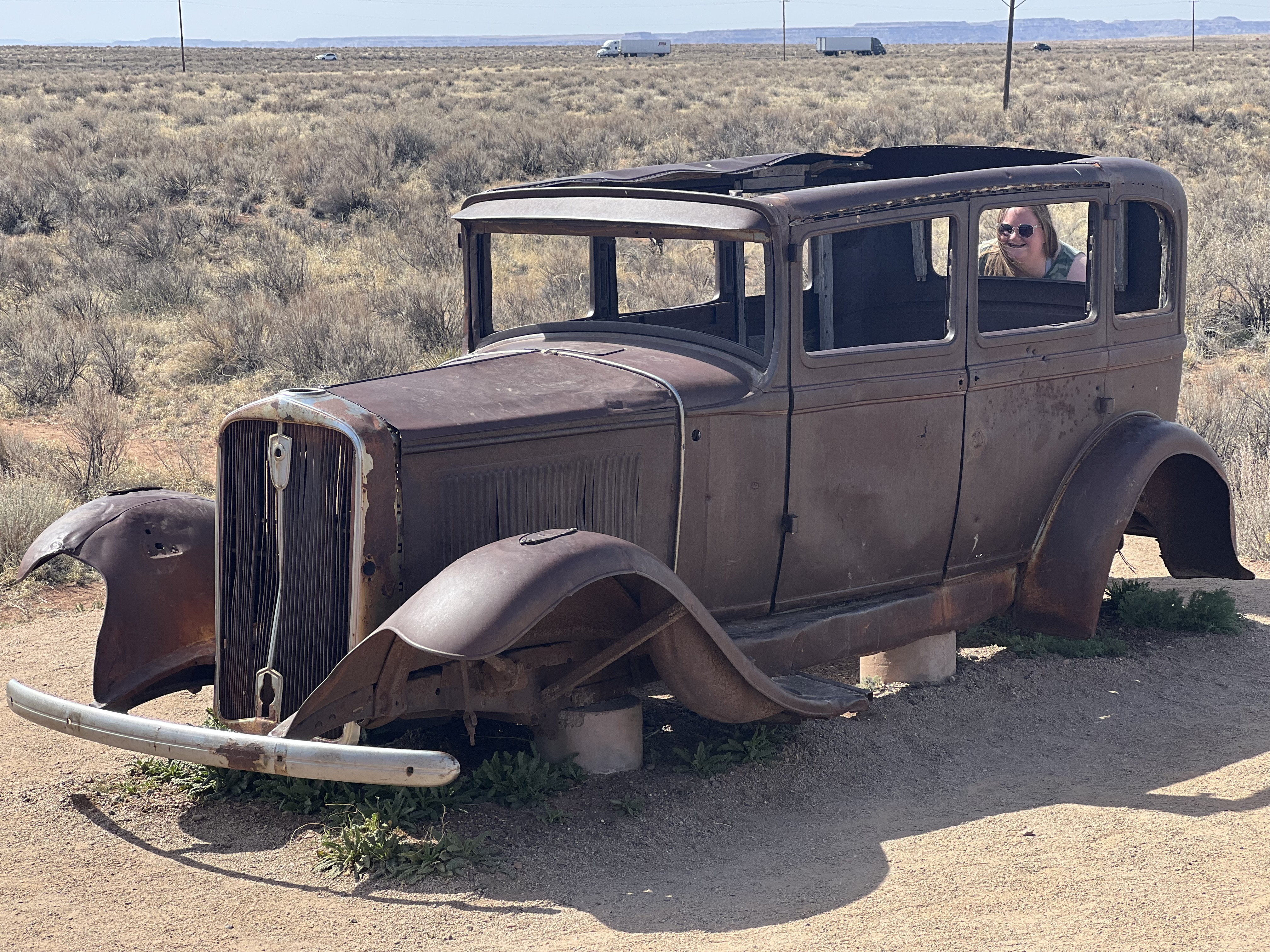
    Past the inn, we continued down the road towards the rusted 1932 Studebaker, which sits alone off the side of the road.  This car symbolizes where the famed Route 66 once cut through the park. 

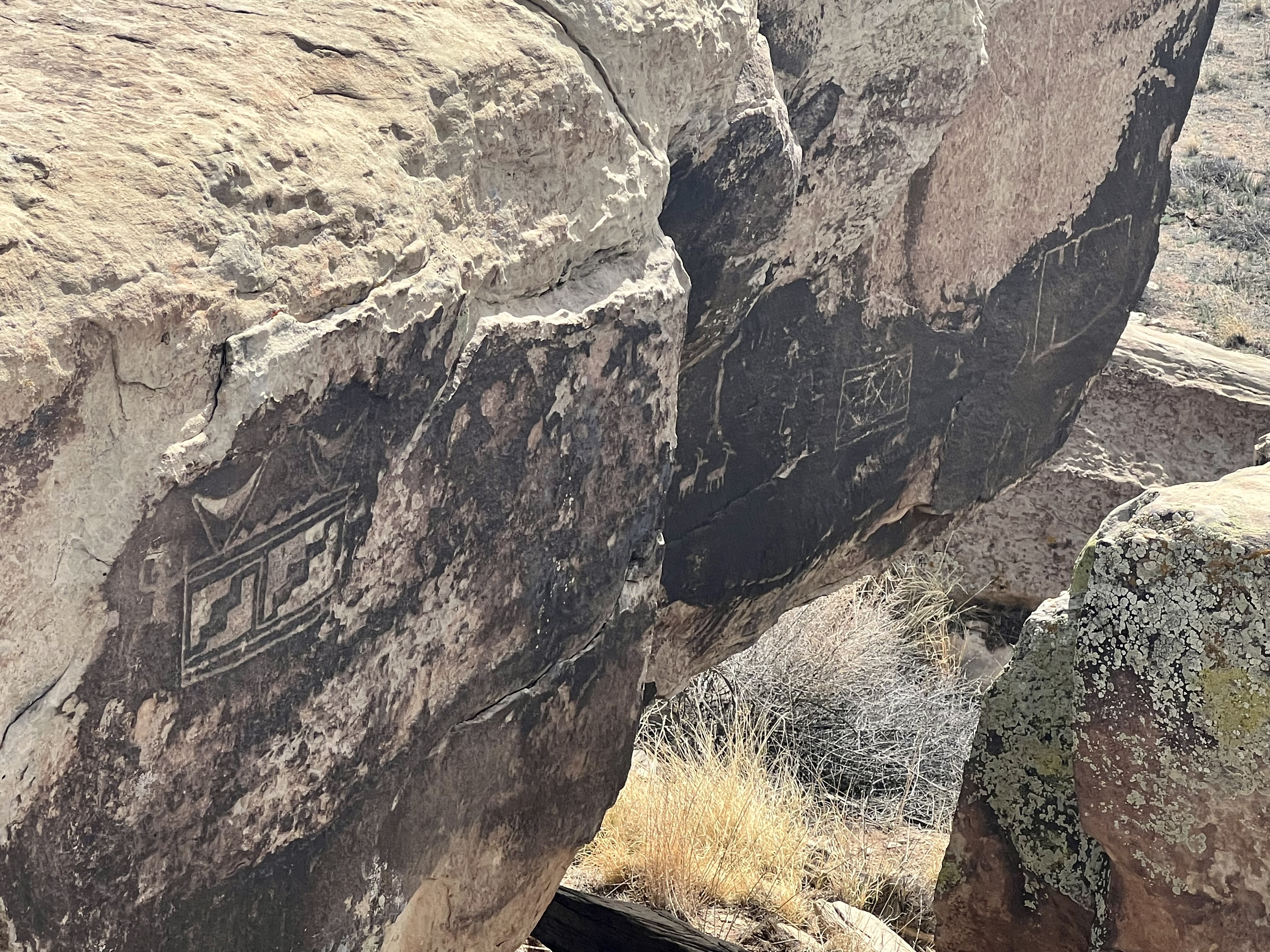
    Our next stop was the Puerco Pueblo, where you can view ancestral Puebloan homes and petroglyphs.  This was originally a 100+ room village that was occupied from 1250-1380 CE.

    Newspaper Rock was our next stop, where you can look down from an overlook to see over 650 petroglyphs, some as old as 2,000 years!

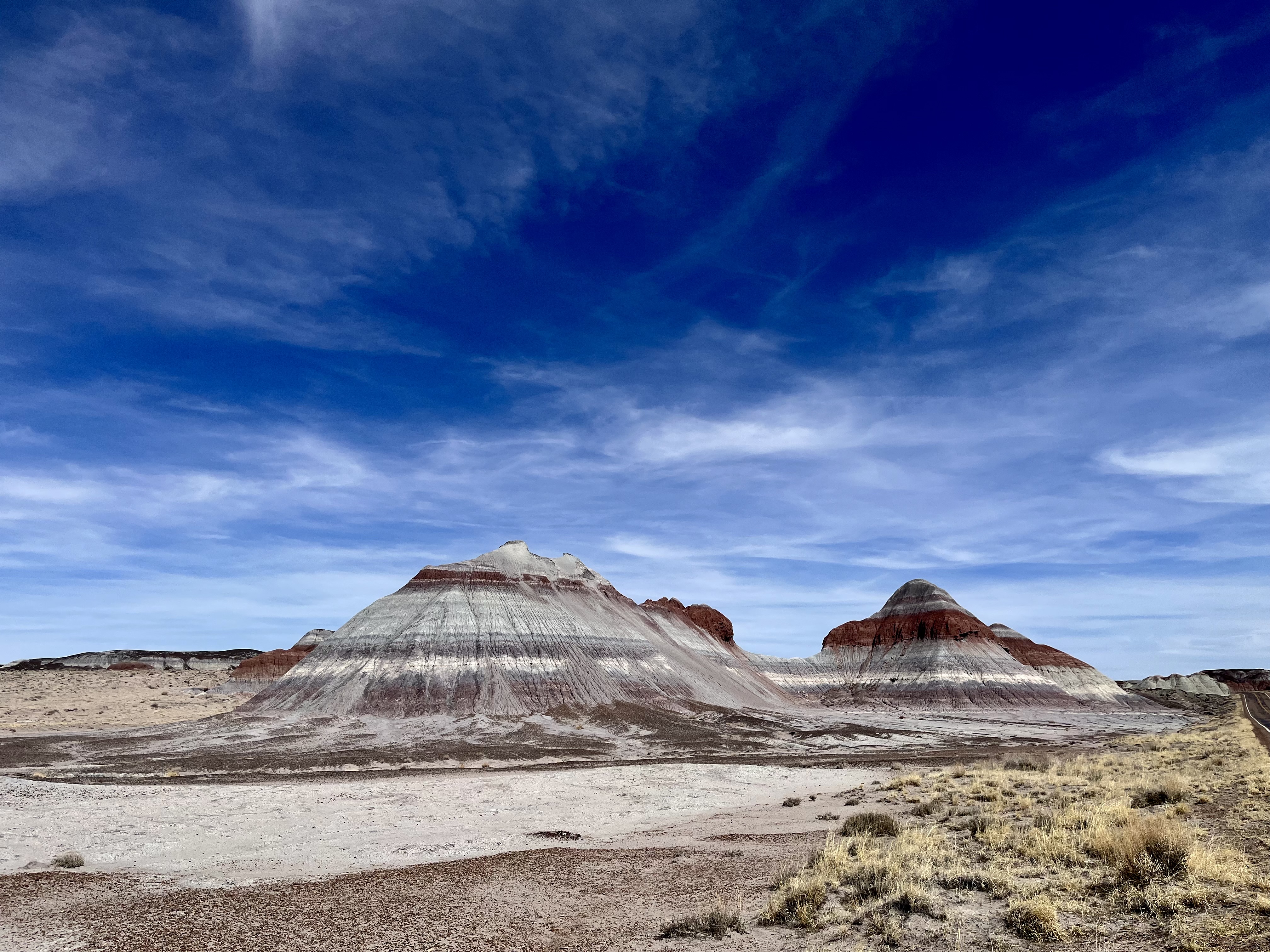
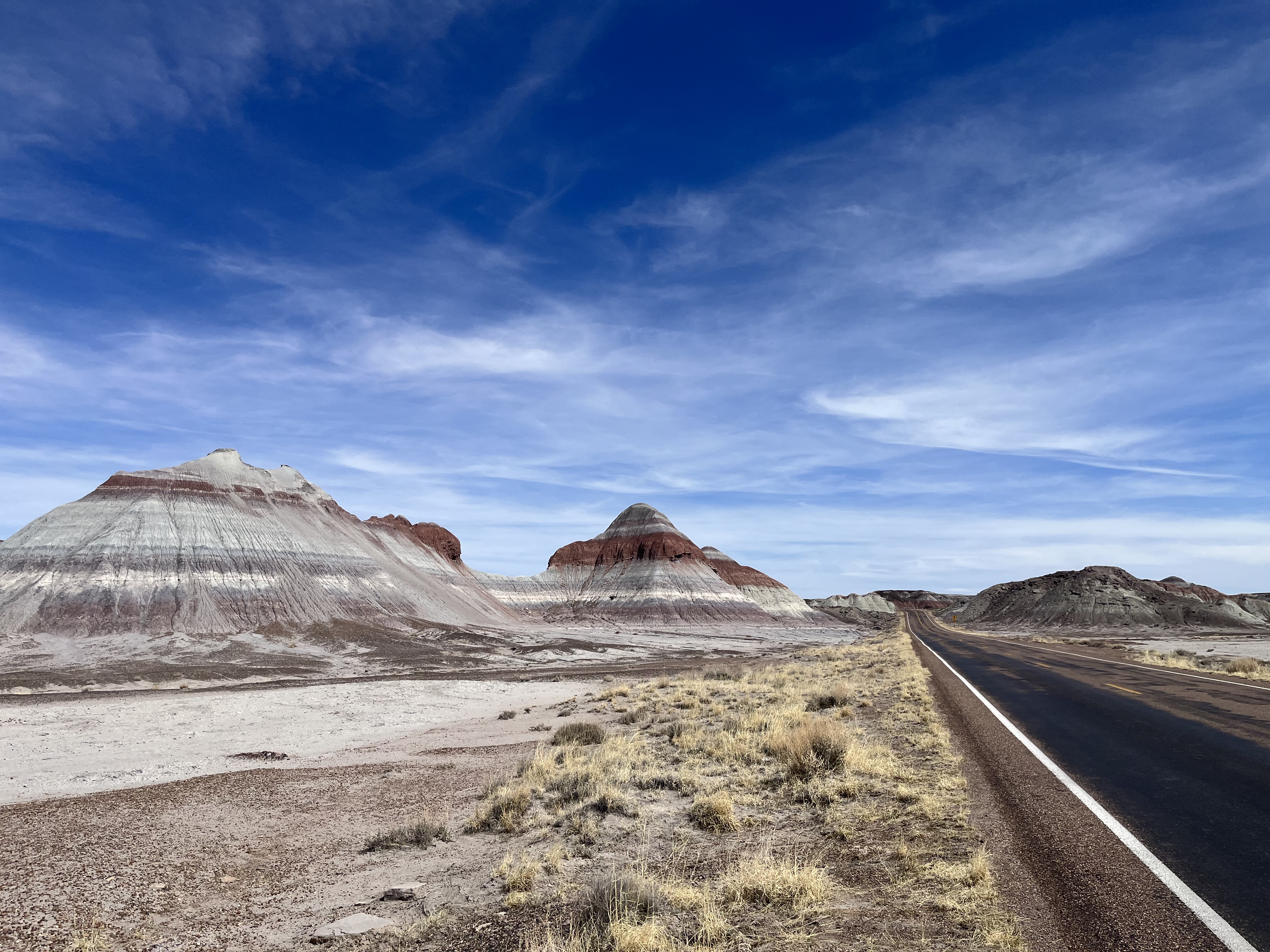
    After Newspaper rock, we passed some red and gray rock formations, named “The Teepees.”  We may or may not have thought we were looking for literal teepees at first, but then realized it was actually these immaculate rock formations.  My sister took some fantastic pictures– just beautiful!

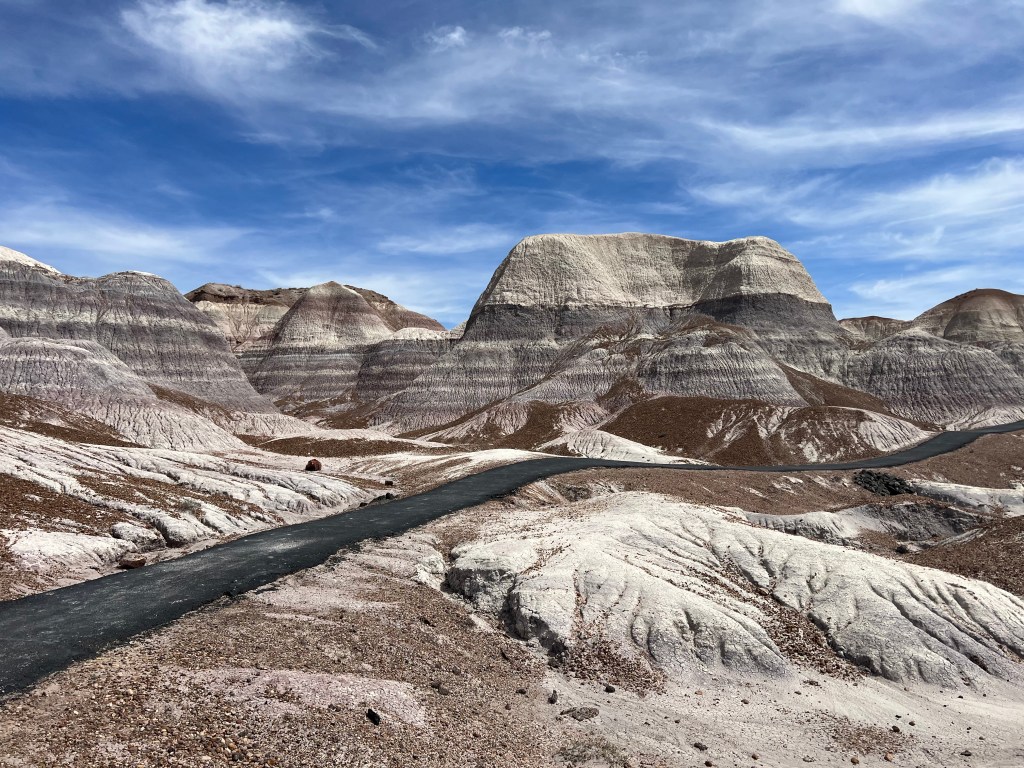
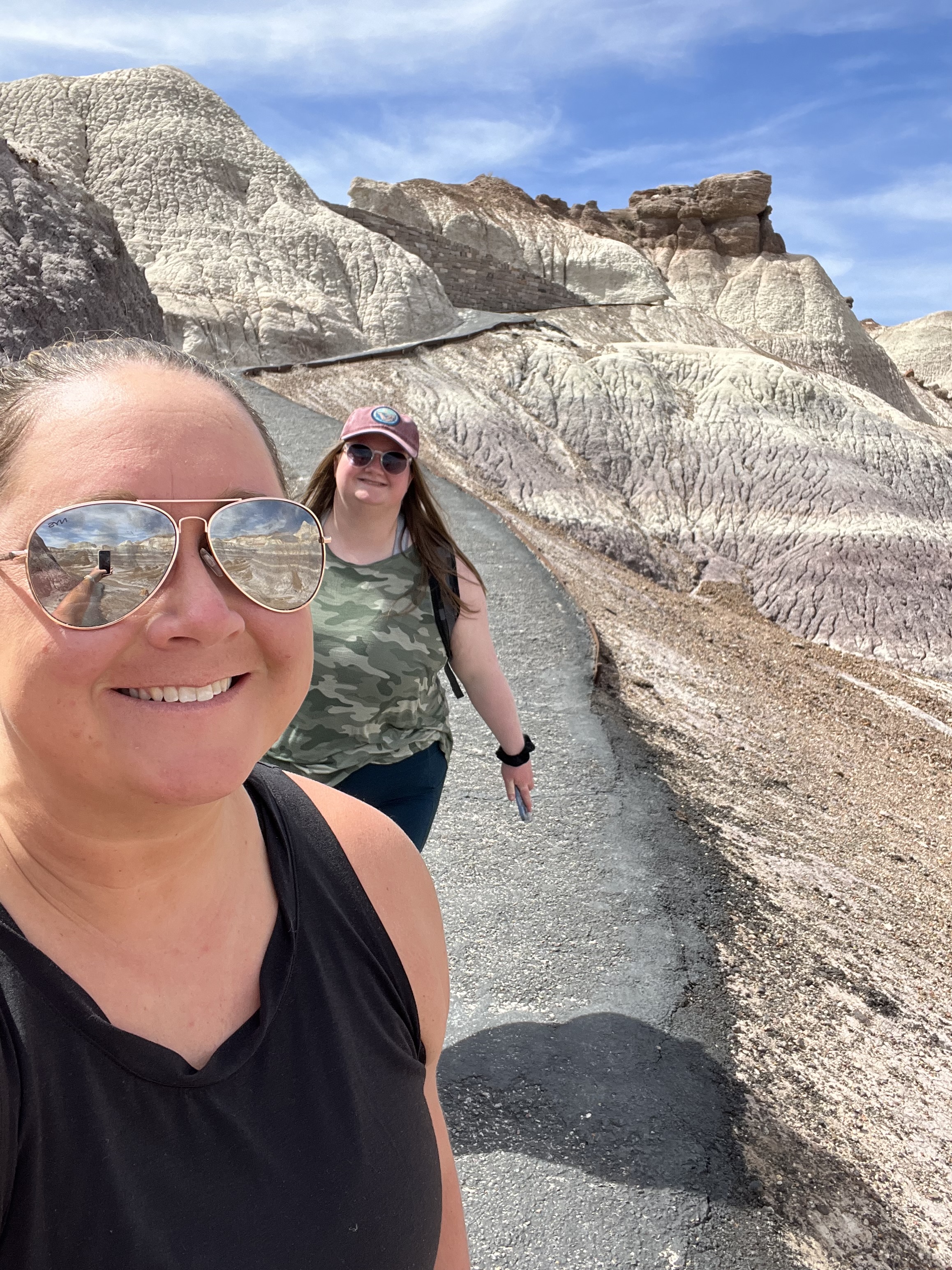
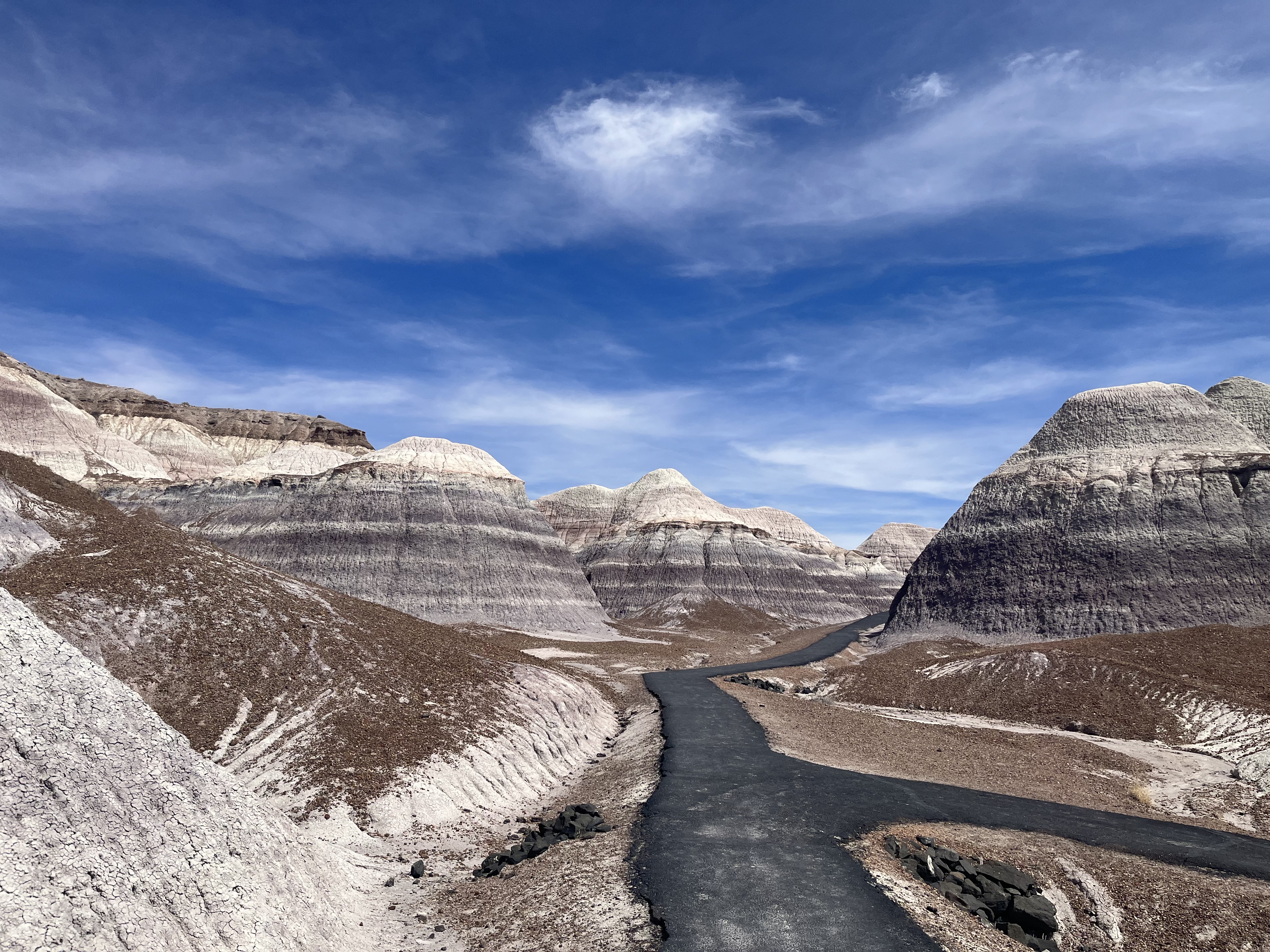
    Blue Mesa was probably one of our favorite parts of the park.  We walked the 1-mile RT trail down and around the blue bentonite clay cliffs.  These badlands were vibrant of blue, purple, and gray colors.  It was on this trail where we got our first glimpse of the petrified wood as well.  After hiking back up, we also drove the 4-mile loop road for more views of the Blue Mesas.

    We skipped the Agate Bridge (110 ft petrified log spanning a gully) & Jasper Forest, and instead headed straight for the Crystal Forest.  No regrets.  The Crystal Forest had a paved, 0.75-mile loop hike with hundreds of petrified logs and their quartz crystals right off the trail.

    Our last stop was at the Rainbow Forest visitor’s center and museum.  Right outside the museum is the Giant Logs Trail, which was an easy 0.5-mile trail viewing the park’s largest petrified trees.  “Old Faithful” is the showcase log, and is almost ten feet around at the base.

    If you have a full day, I would definitely recommend making all the stops we did.  However, if you just have a half day or only a few hours, pick one side of the park to explore. The highest concentrations of petrified wood are found in the southern end of the park, while the northern end highlights the human story and painted desert. Enjoy exploring this hidden gem!

  • Grand Canyon National Park

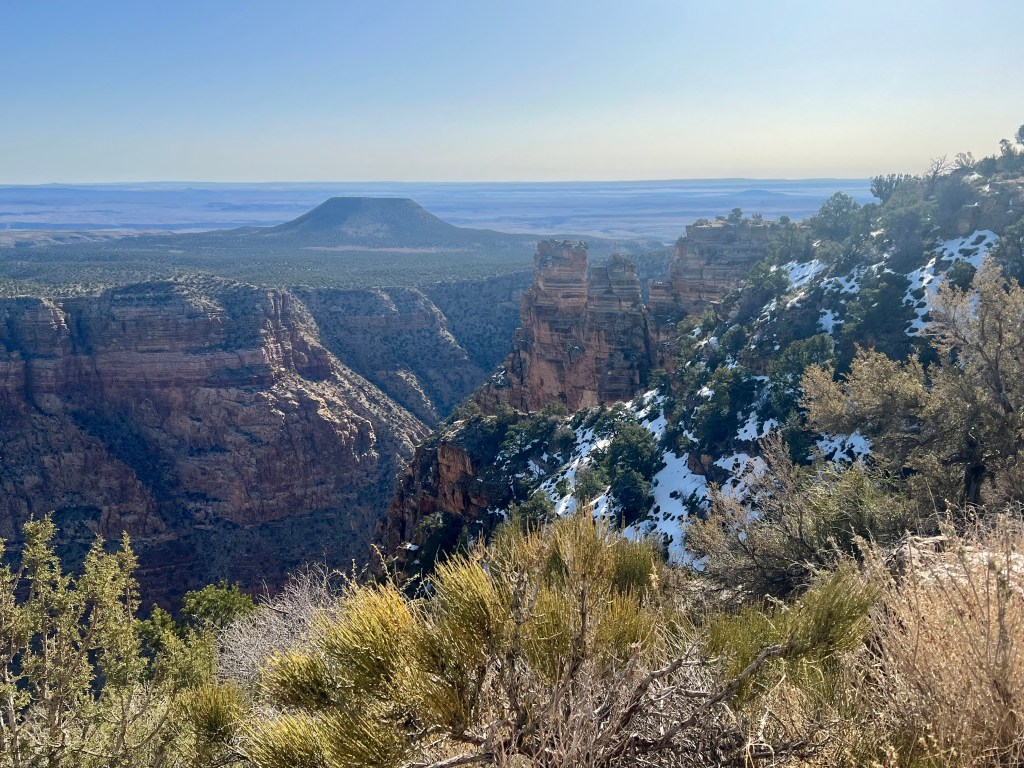
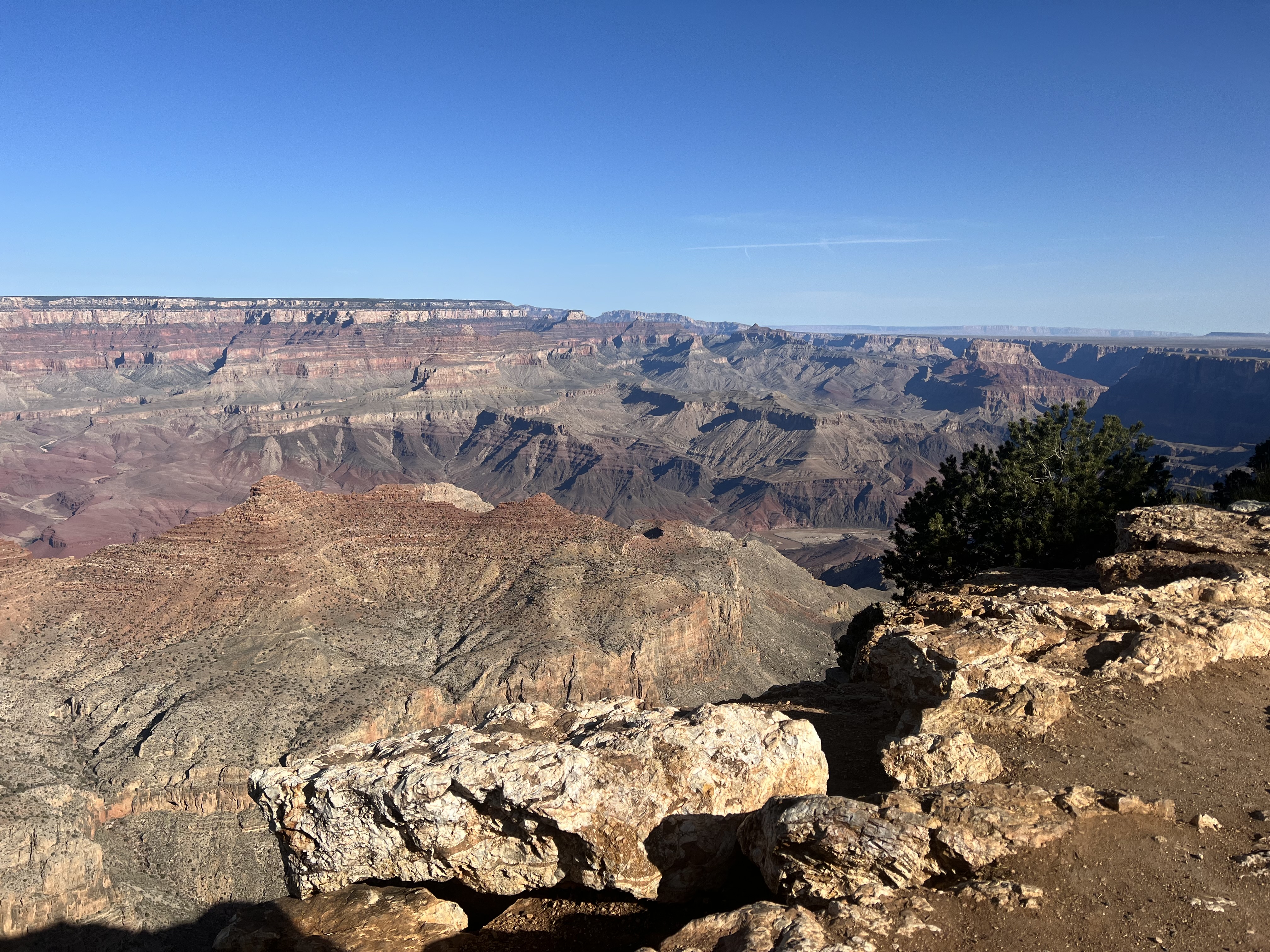
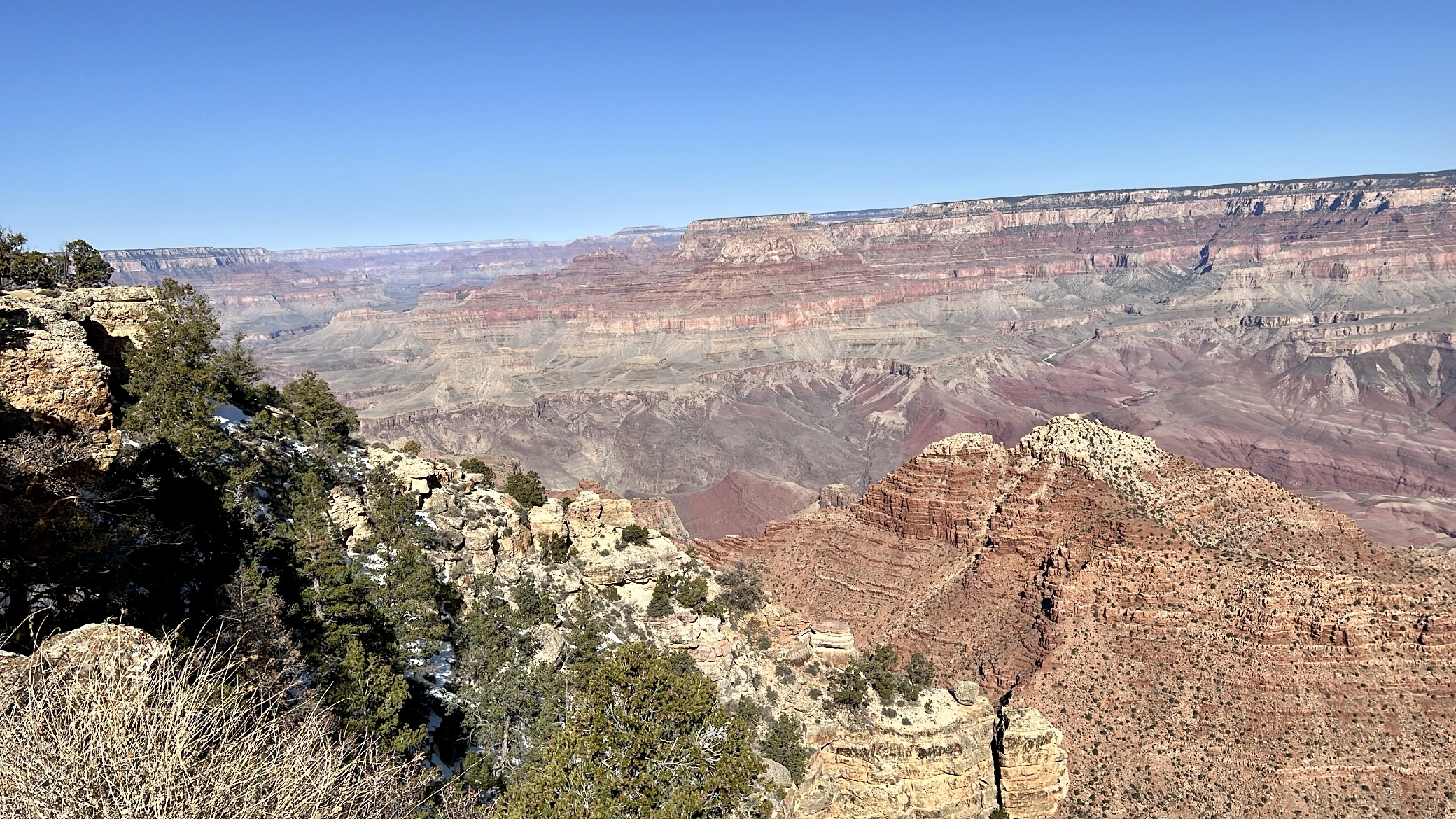
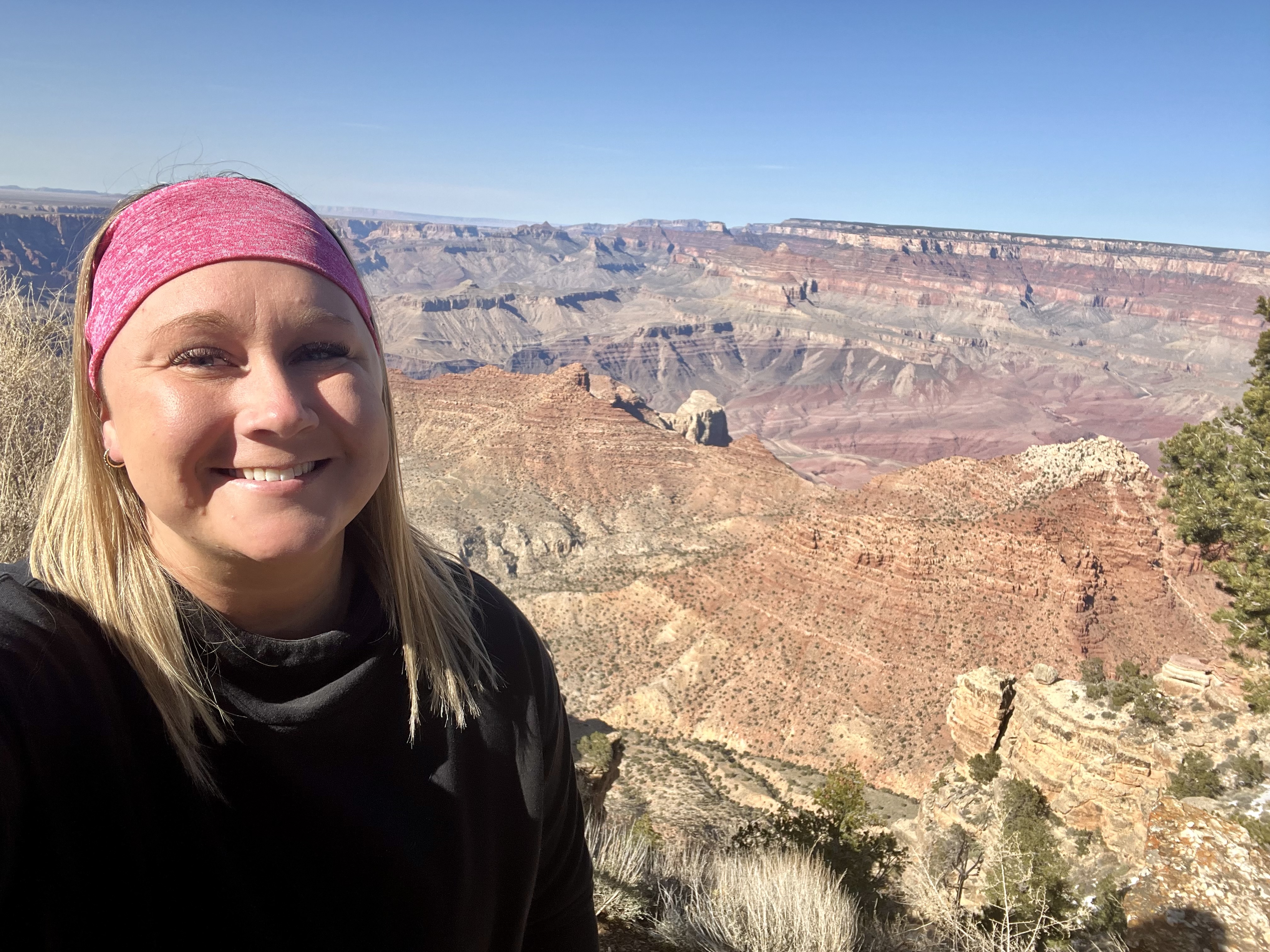
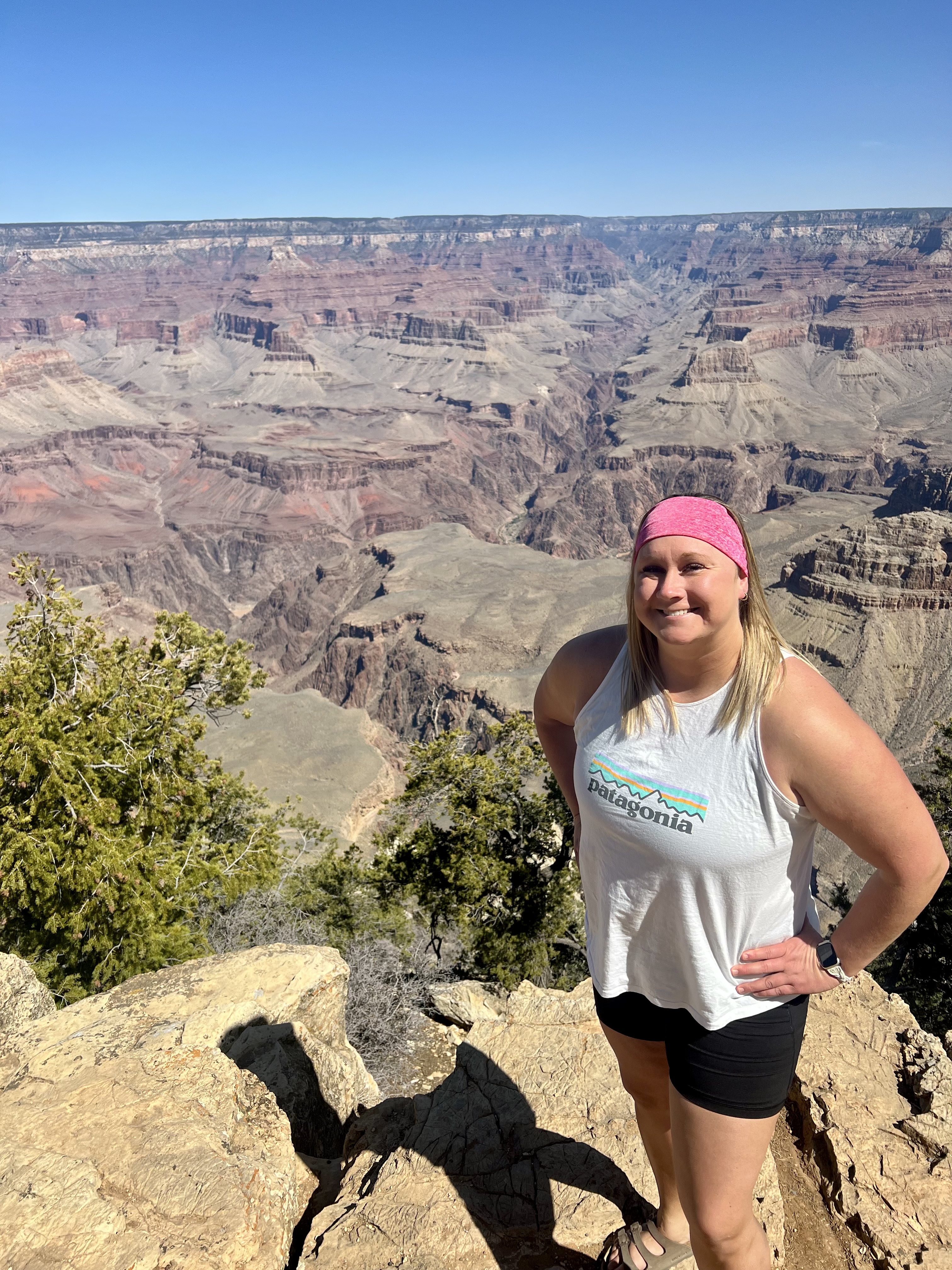
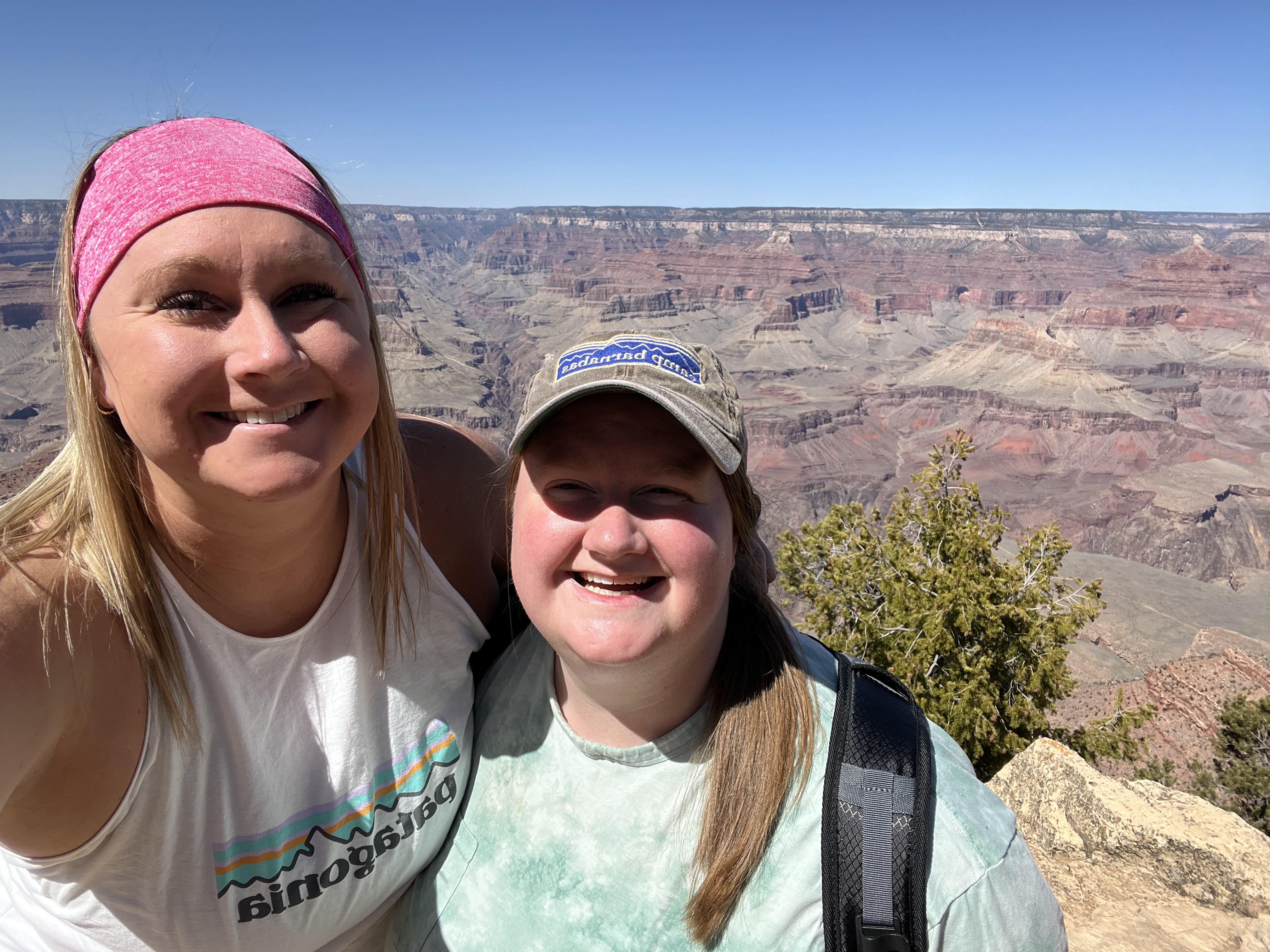
    The Grand Canyon became a National Park in 1919.  The canyon touches four different states (Arizona, Nevada, Utah, and Colorado) and covers an area of 1,900 square miles.  My sister and I visited the South Rim in March, which is the perfect time to visit before temperatures being to rise.  We visited the South Rim, which gave us the classic national park experience.  The North Rim is actually closer to Utah, and was more appealing to me, however the entrance was still closed.  The North Rim is closed annually from October ish- May ish due to winter weather conditions.

    The Grand Canyon is iconic to America, with thousands of tourists from across the world coming to visit each year.  It is one of the most visited national parks in the United States, with close to 6 million people visiting per year.  Best tips of advice: travel in spring or fall to avoid the harsh heat of the summer, arrive to the park early to avoid crowds (and get parking), and go on a hike (even if its short). 

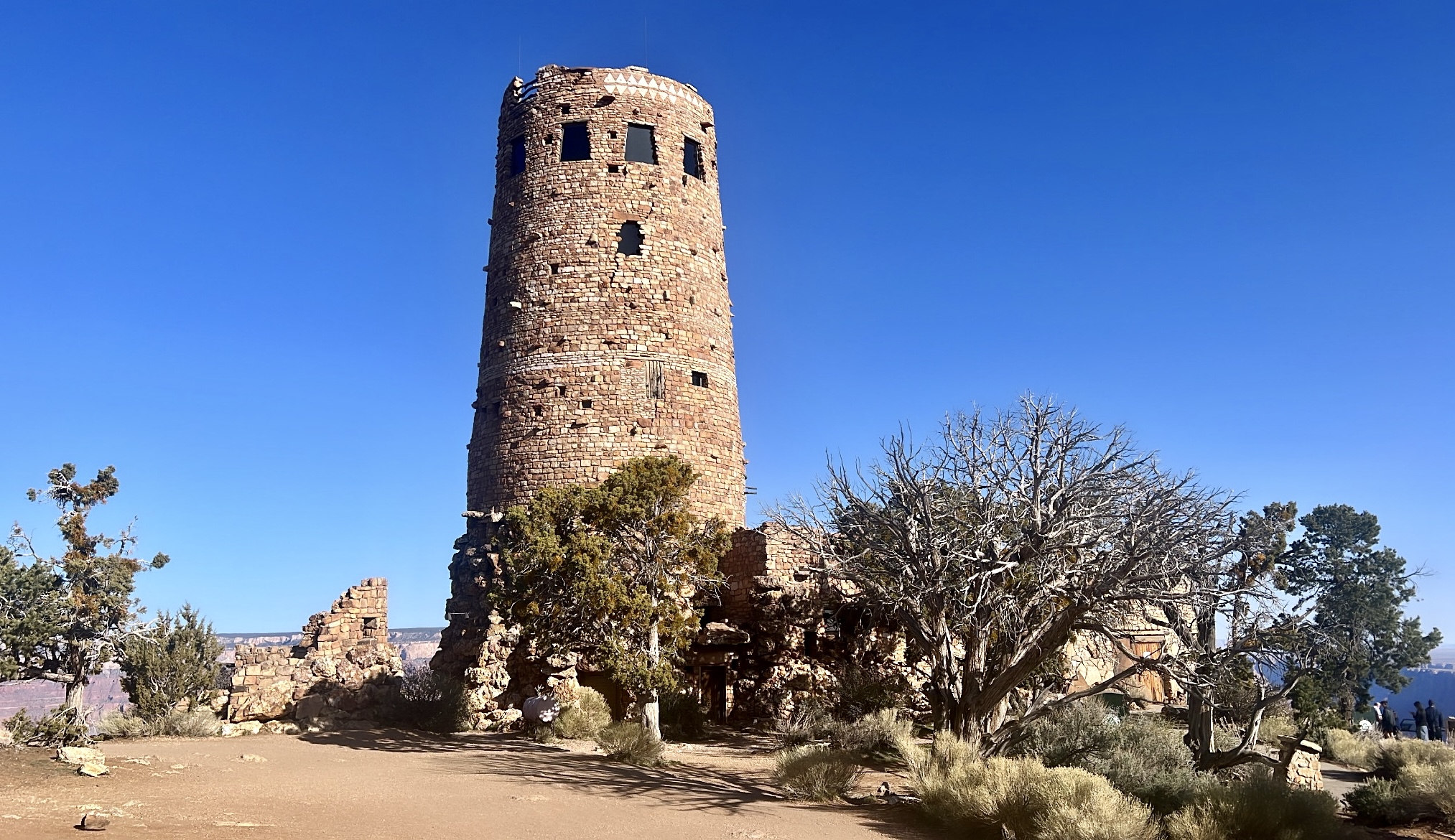
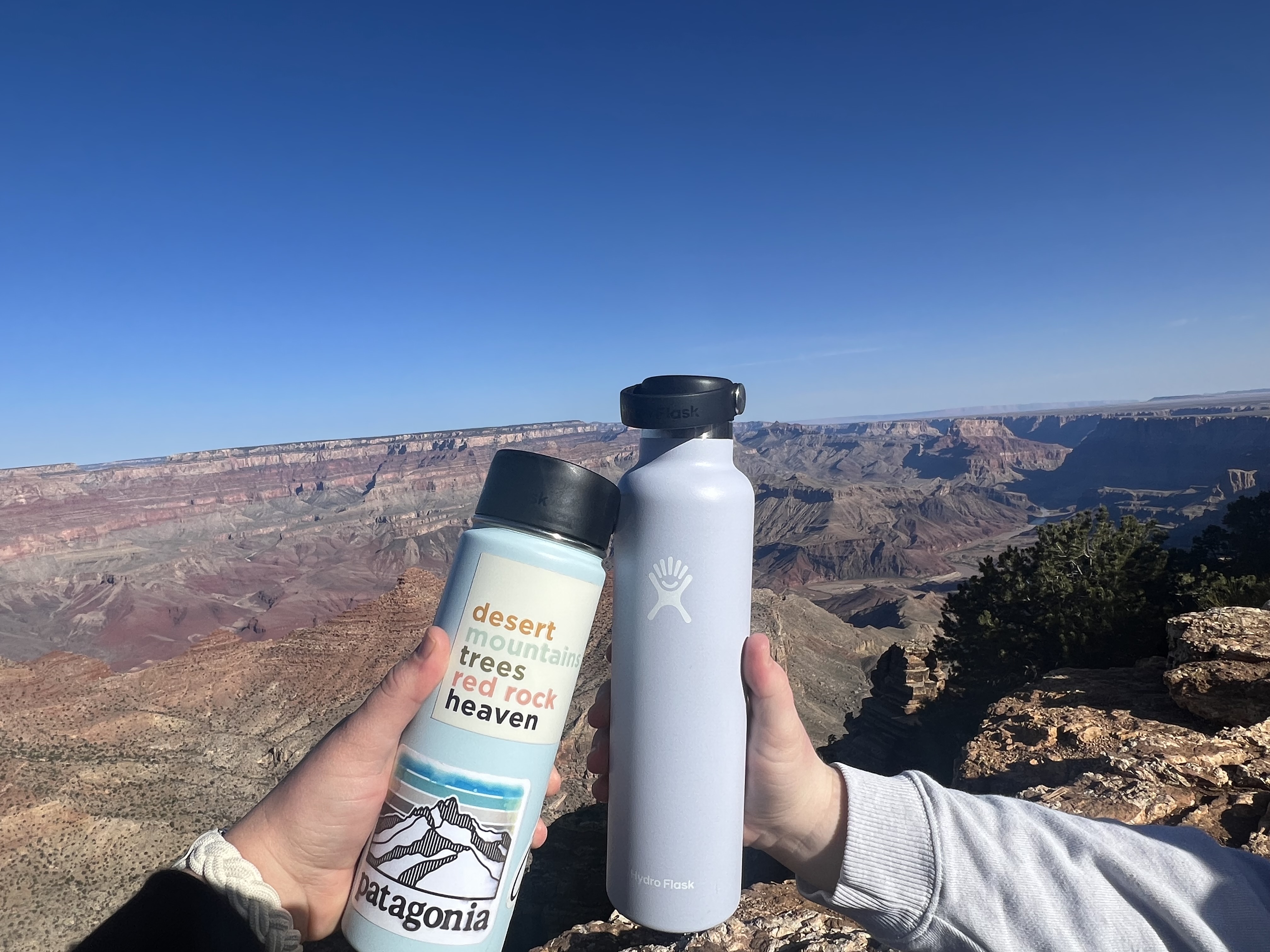
    We spent the night in Page, AZ the night before so I could show my sister Lake Powell and Horseshoe Bend—a few of my favorite places.  It was an easy drive from Page to the Visitors Center, and we arrived nice and early just in time for sunrise.  We stopped at the Desert View Watchtower and then drove parts of the park drive, stopping at viewpoints along the way.  After walking along the Rim Trail to Mather and Yavapai Points, we listened to a Ranger Talk and toured the Geology Museum.  We were continuing on to another destination that afternoon so we didn’t have excess time to do a more legitimate hike, but we were still able to take in the vastness of the canyon.

    Things I’d consider doing on my next visit:

    • Rafting on the river
    • Hiking down & back up the canyon (camping for a night at the bottom)
    • Helicopter tour
    • Rim to Rim to Rim (only if I was feeling bold)
  • Virgin Islands National Park

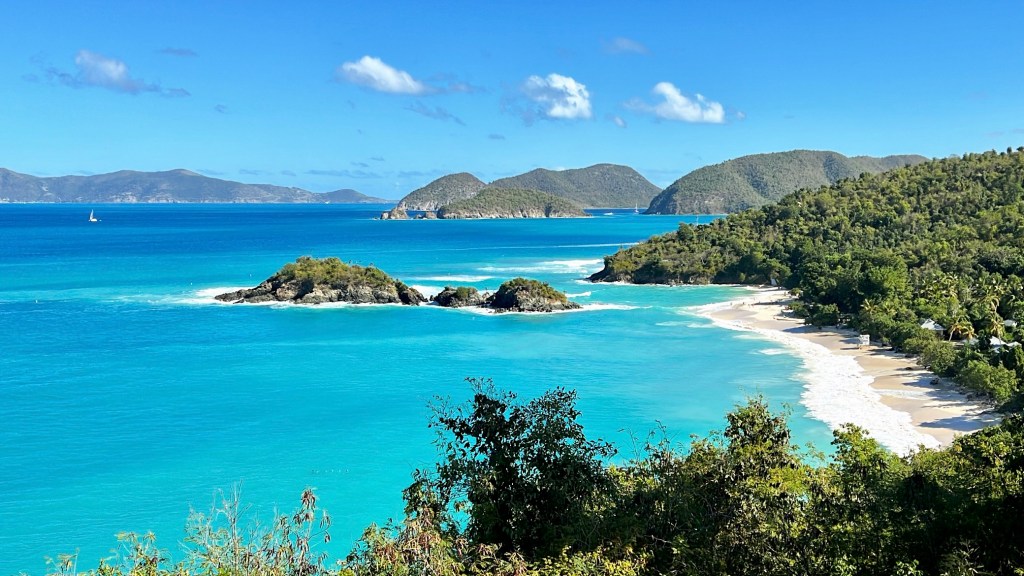
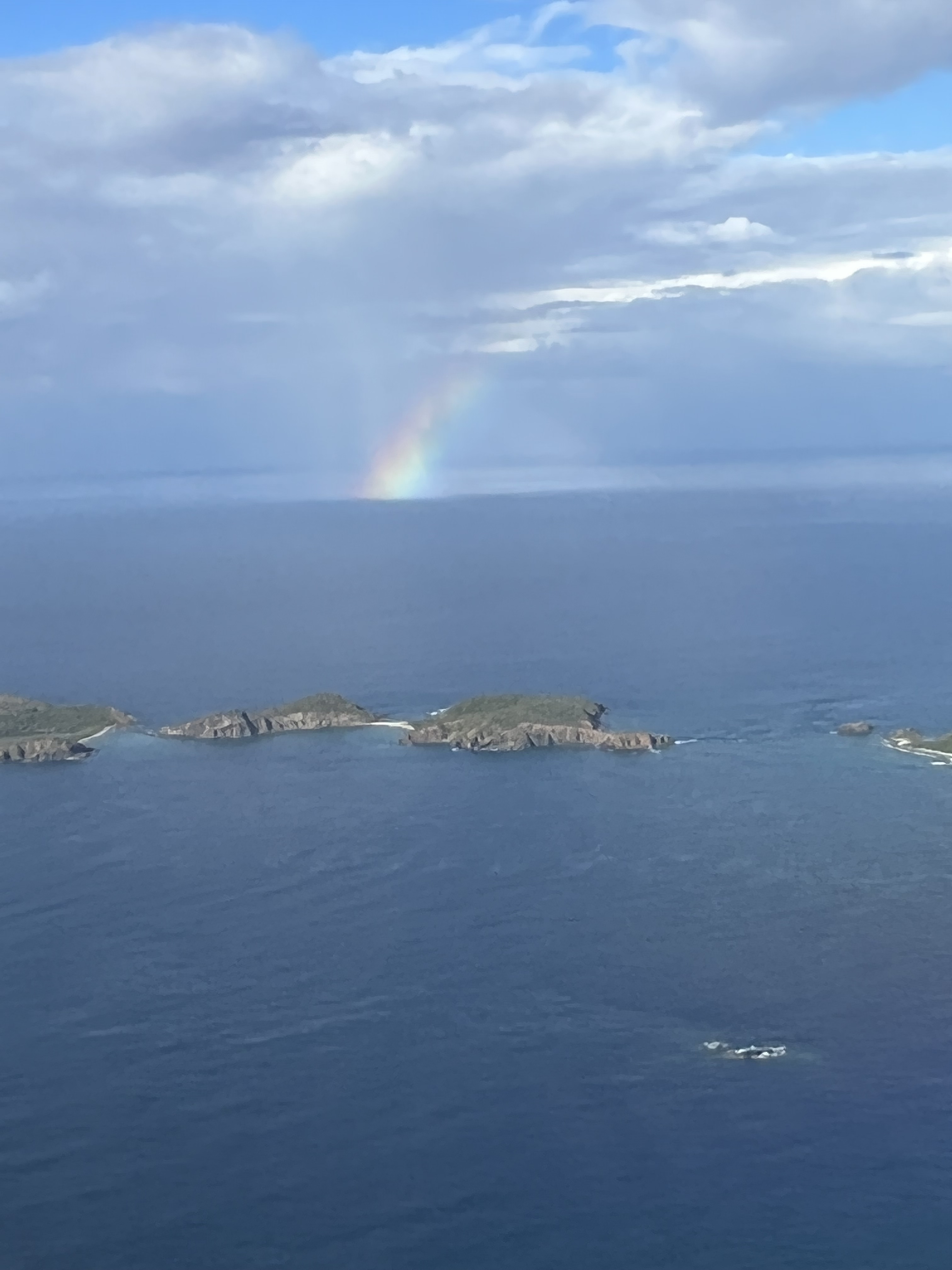
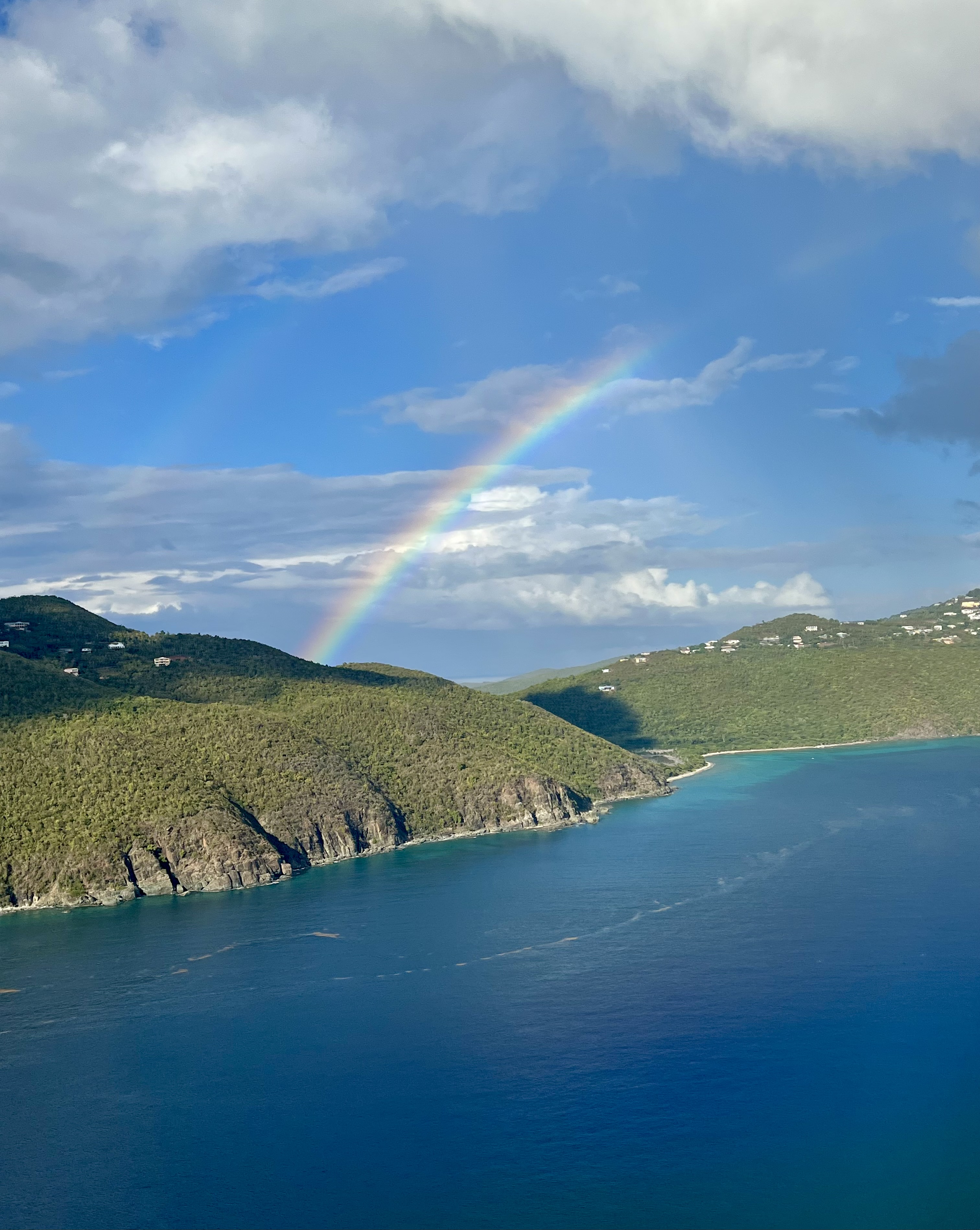
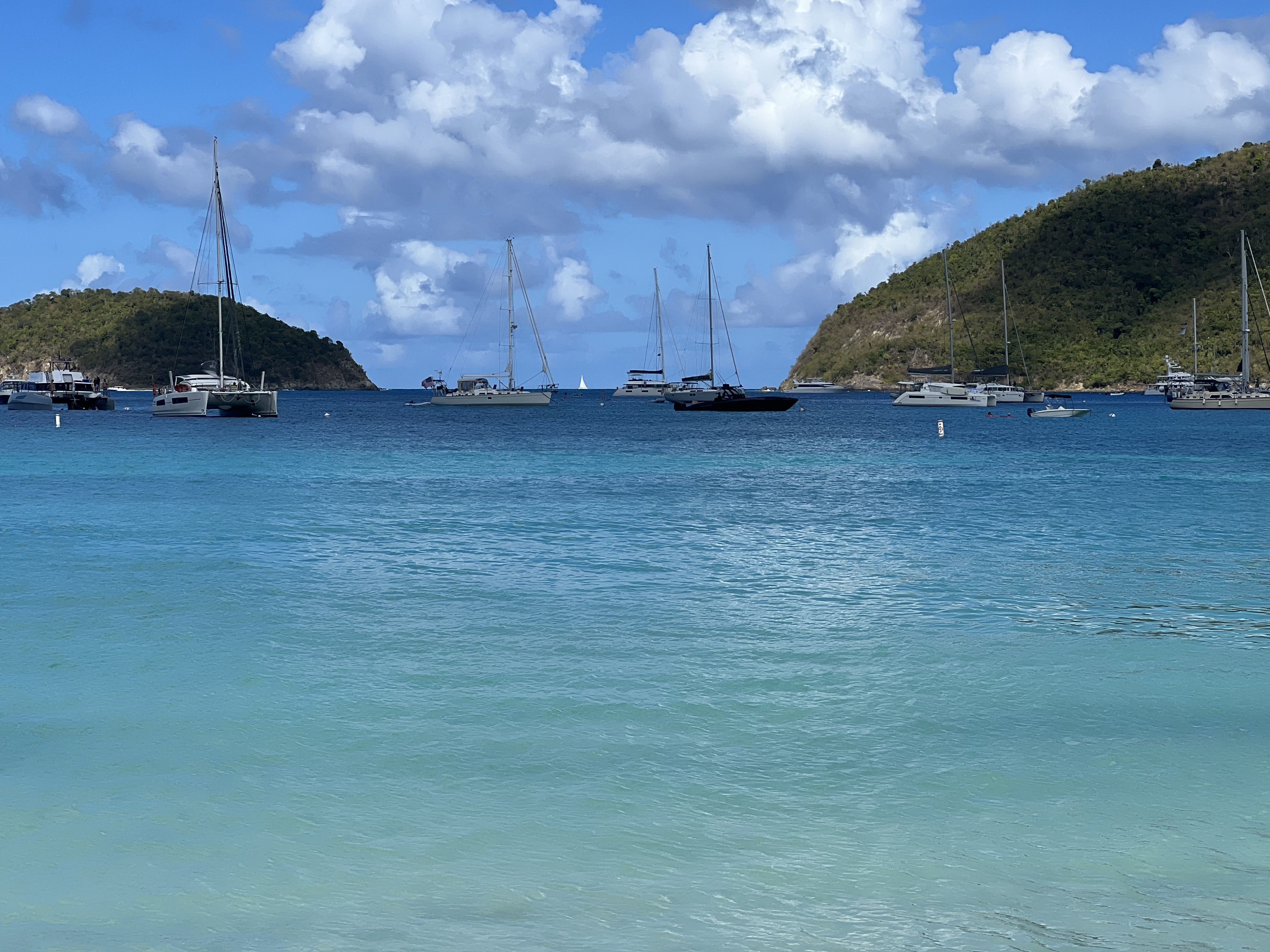
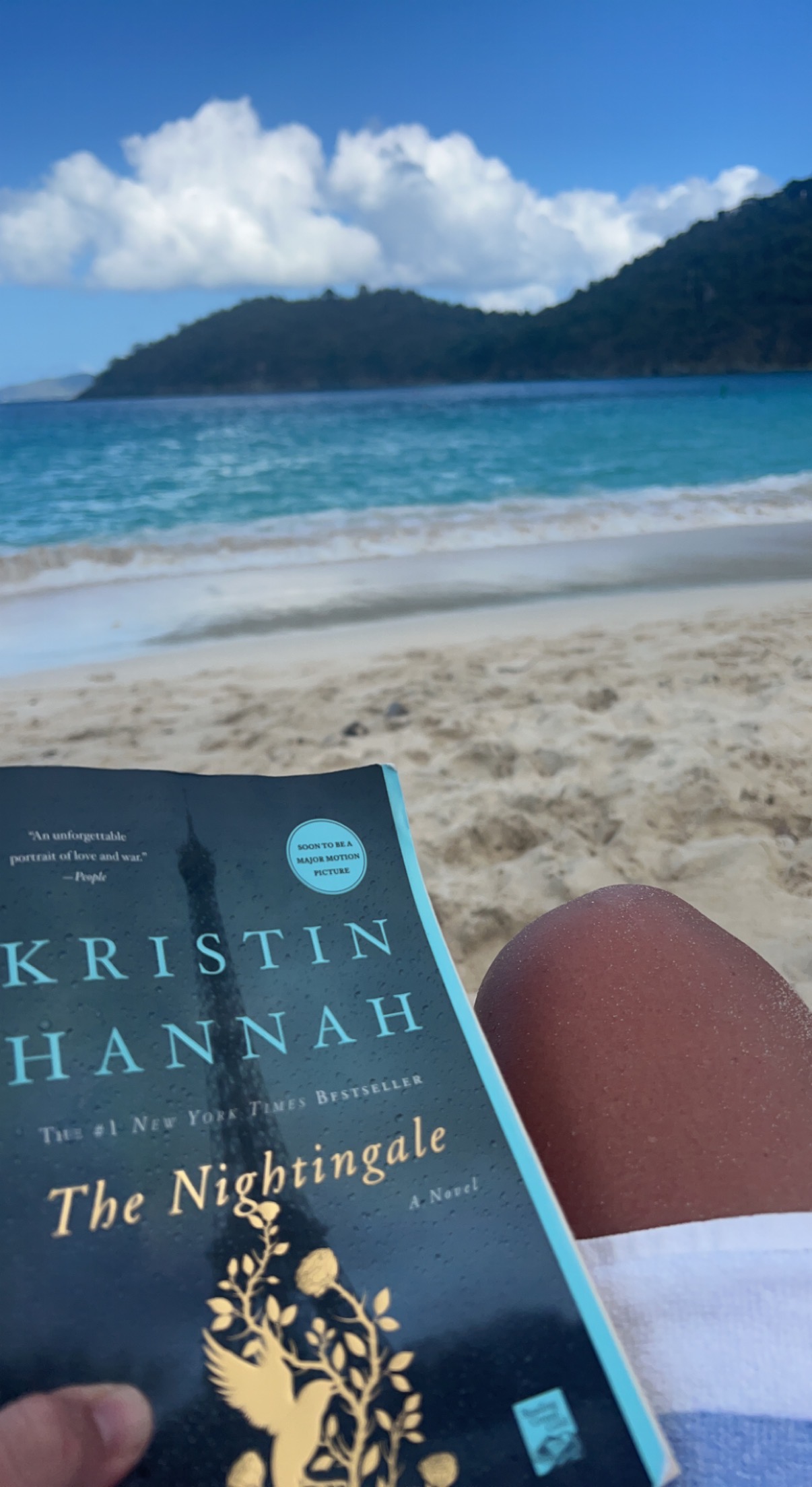
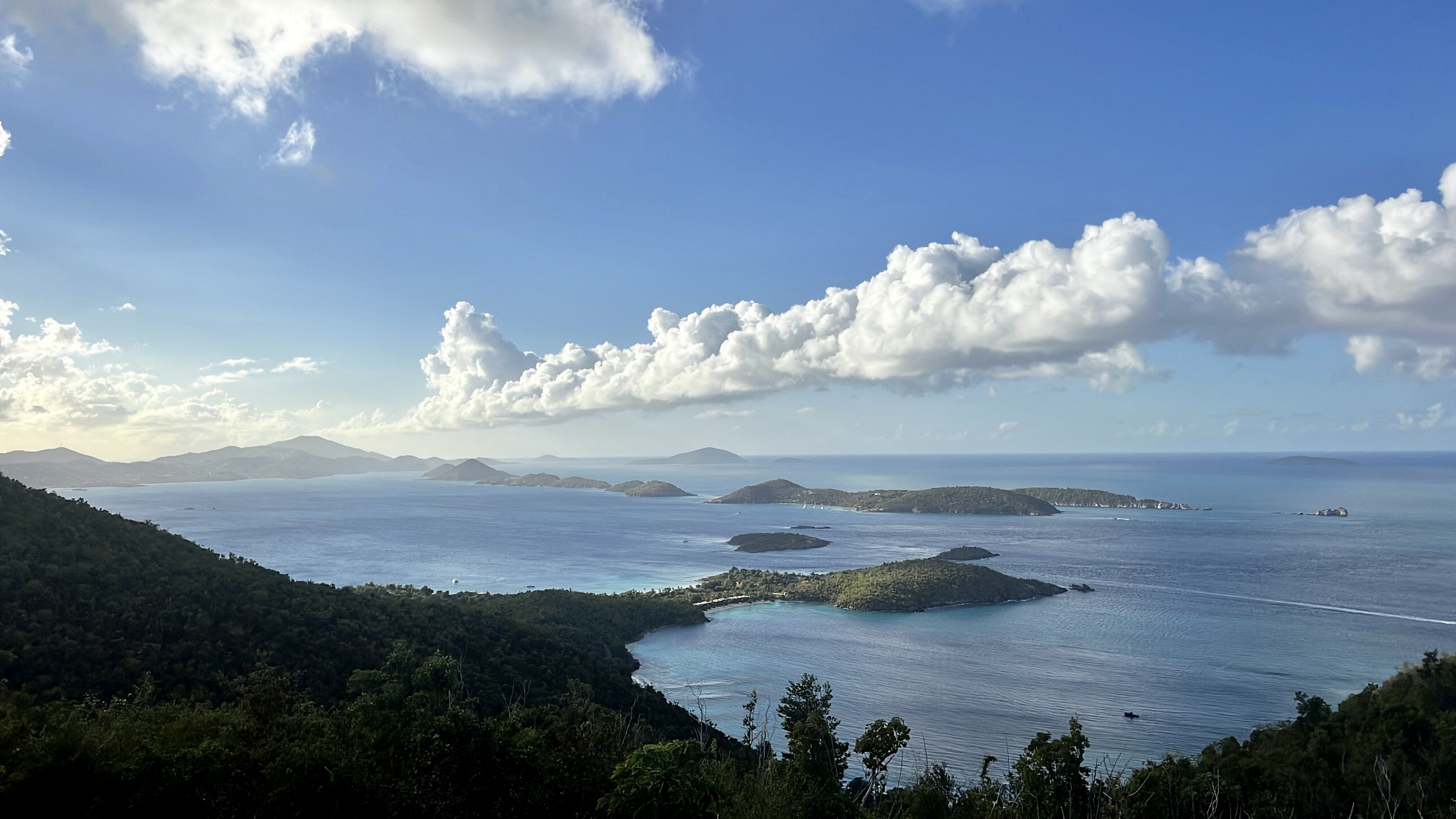
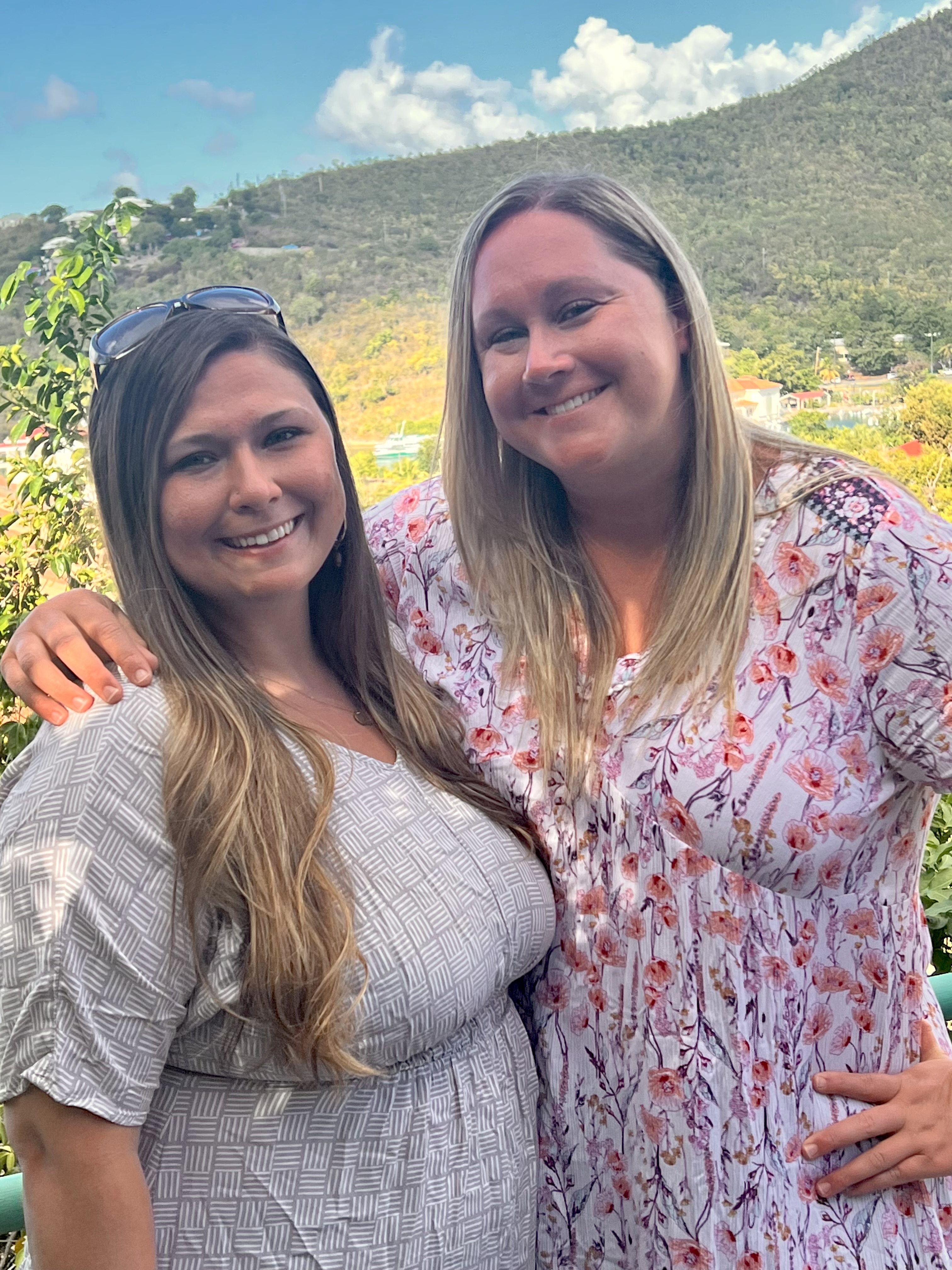
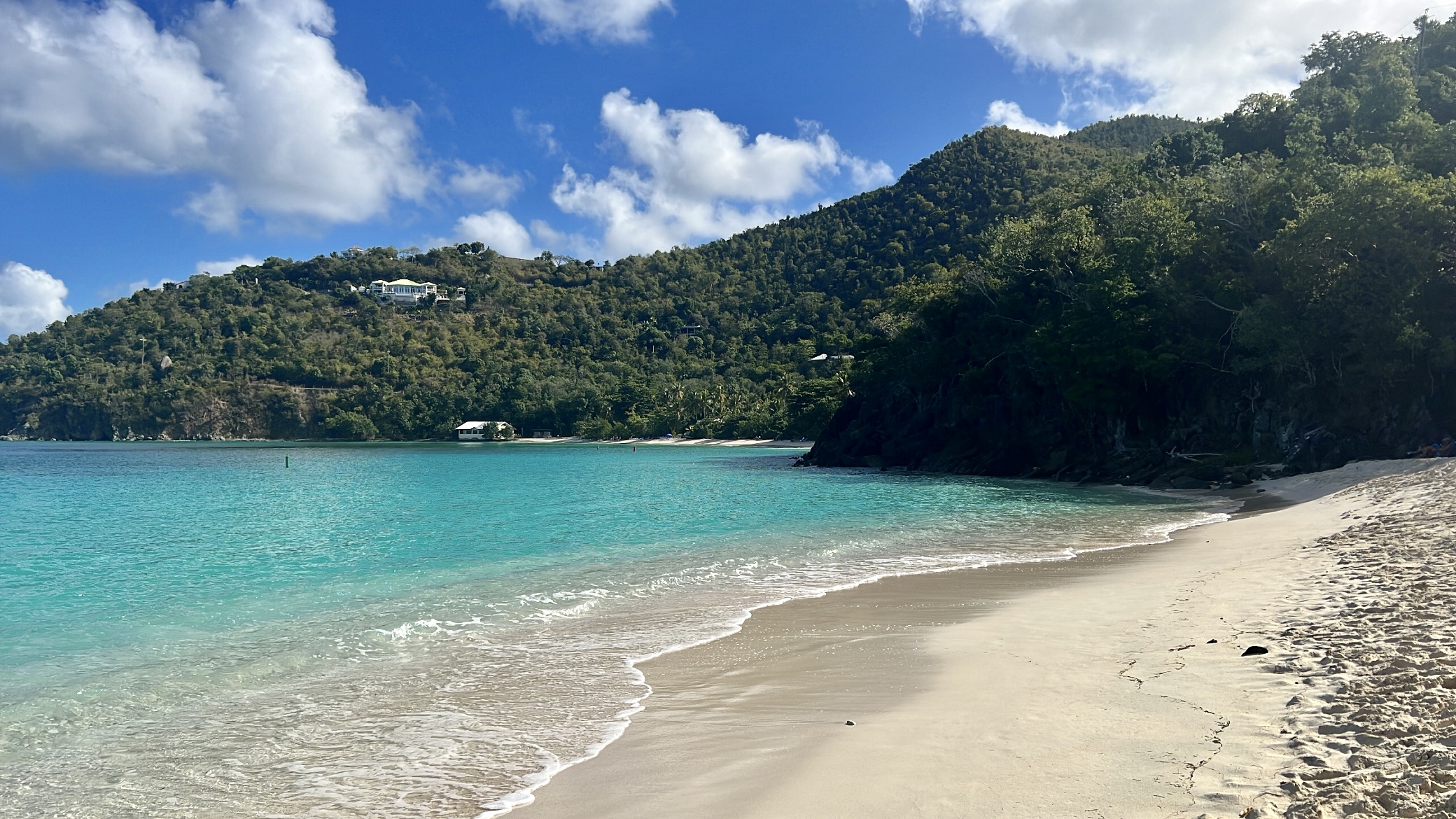
    The island of St. John covers the majority of U.S. Virgin Islands National Park. It’s a park known for its breathtaking beaches and tropical forests. This was a combo parks and birthday trip because both my mom and I have birthdays in January. I have yet to meet anyone who loves the beach & ocean more than her or I, so we decided this would be a fun trip together.

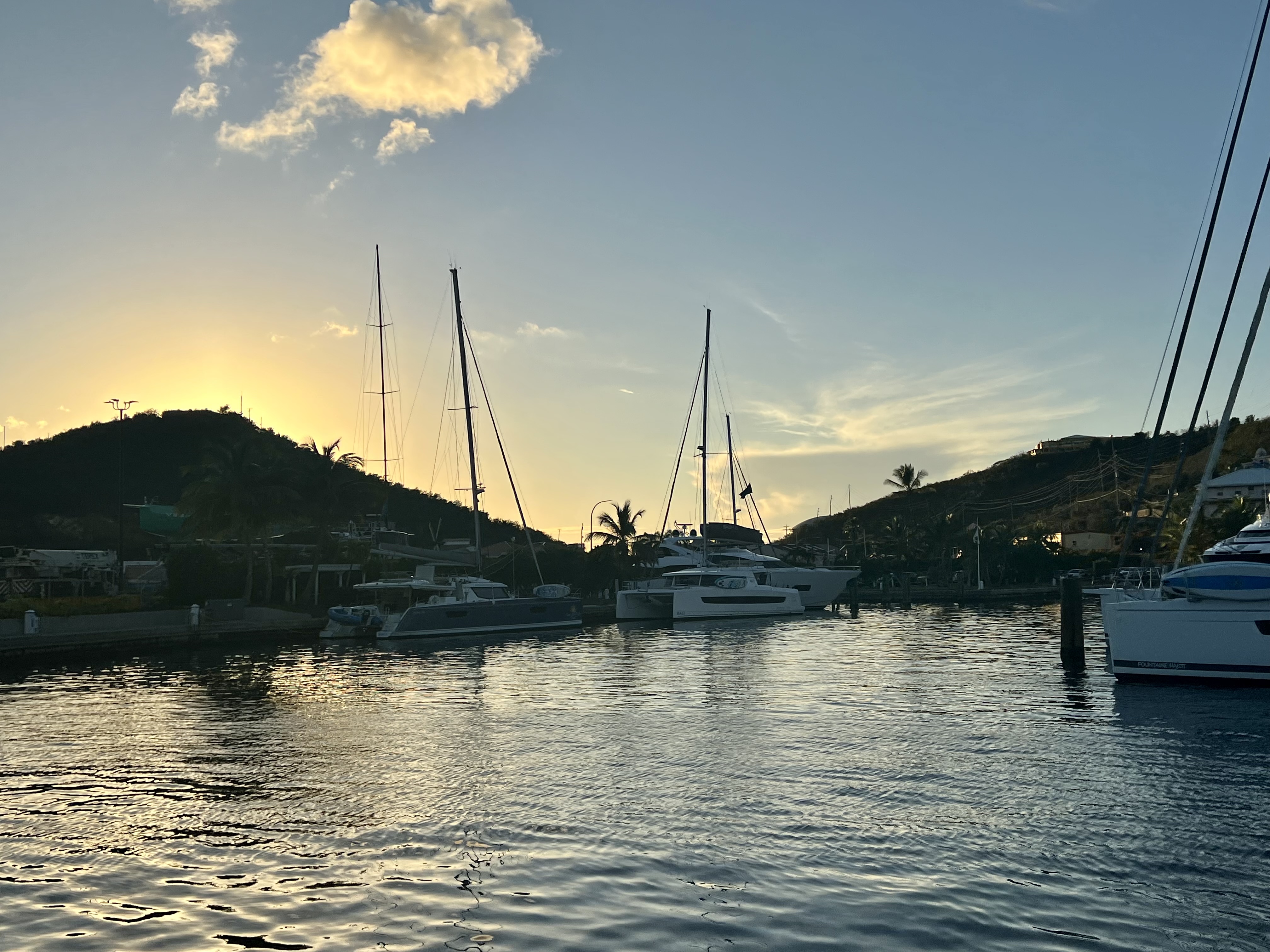
    We flew into St. Thomas, took a taxi from the airport to the ferry, and then a sunset ferry over to St. Johns.  It was beautiful!  After getting to St. John’s, we had quite the experience trying to get checked into VRBO, but eventually made it and settled in.  Our VRBO was at the top of a hill (more like a small mountain) near the restaurant and bar district in Cruz Bay, so we ventured down the hill for dinner that night.  We didn’t have reservations, and at the time didn’t realize how important that would be.  Turns out, it was extremely important… but, we got lucky and found seats at the bar at a restaurant called Banana Village.  The hostess told us people were already calling and making dinner reservations for 6 months in advance!! So crazy.  So, if you’re planning a trip to St. John’s in the near future, here’s your reminder to make reservations now if you plan on eating out! Lol.

    We had 4 full days on the island and were ready to make the most of it.  There is quite a bit of hiking around the island, however since we didn’t rent a car, navigating different hikes with group taxis and spotty cell service would have been tricky to say the least.  Its fine though because I was more than prepared to live the beach bum life all week 😊

    I’ve listed below a few of the hikes we considered doing before realizing the logistics and the layout of the island.  I recommend downloading AllTrails to help you out and provide you with more information on each hike.

    • Reef Bay Trail
      • Ruin sites, petroglyphs, waterfall, beach
      • Length: 4.4 miles, 1200 ft elevation gain
      • First mile is steep and descends into the jungle
    • Caneel Hill Trail
      • Panoramic views of Cruz Bay and Trunk Bay
      • Trail leads to top of Margaret hill (good at sunset)
      • Length 4 miles, 1700 ft elevation gain
    • Ram Head Trail
      • Southern most point on St. John
      • Accessed by Ram Head Trail via Salt Pond Trail
      • Route: starts on unpaved road, passes through beach, wraps around salt pond, another beach, and then to grassy/rocky ram head point
      • Length: 2-3 miles, 314 ft elevation gain

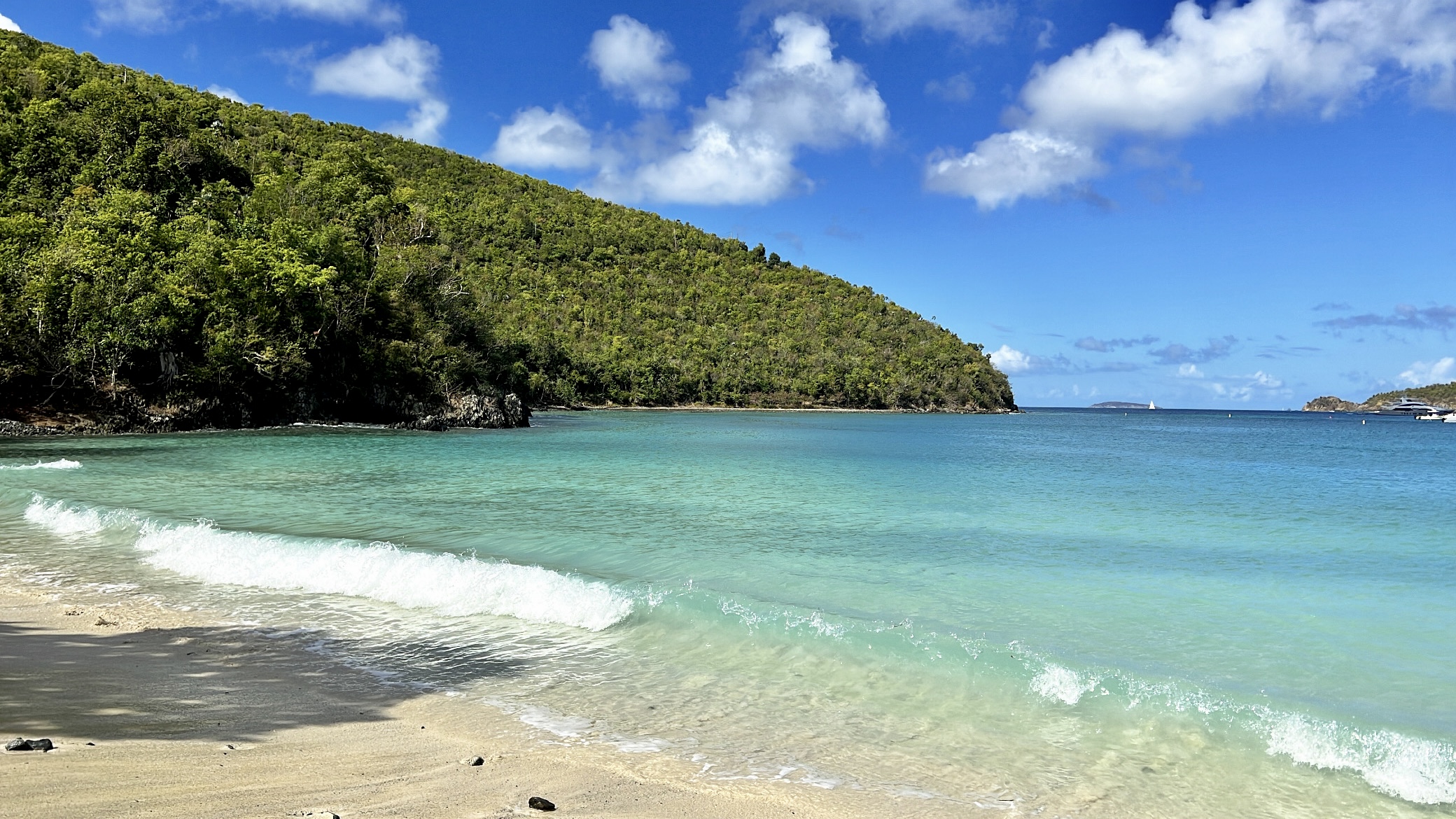
    The next day, our first full day, we walked down our big hill (small mountain) again to where the taxis hung out.  We stopped for coffee at Cruz Bay Landing, then took a taxi to Maho Bay.  This beach was recommended to us because it had food trucks, as we hadn’t yet made it to the grocery store.  This beach was nice, but the actual beach area wasn’t that spacious.  We hung around through lunch, then made our way to another beach down the road, Trunk Bay.

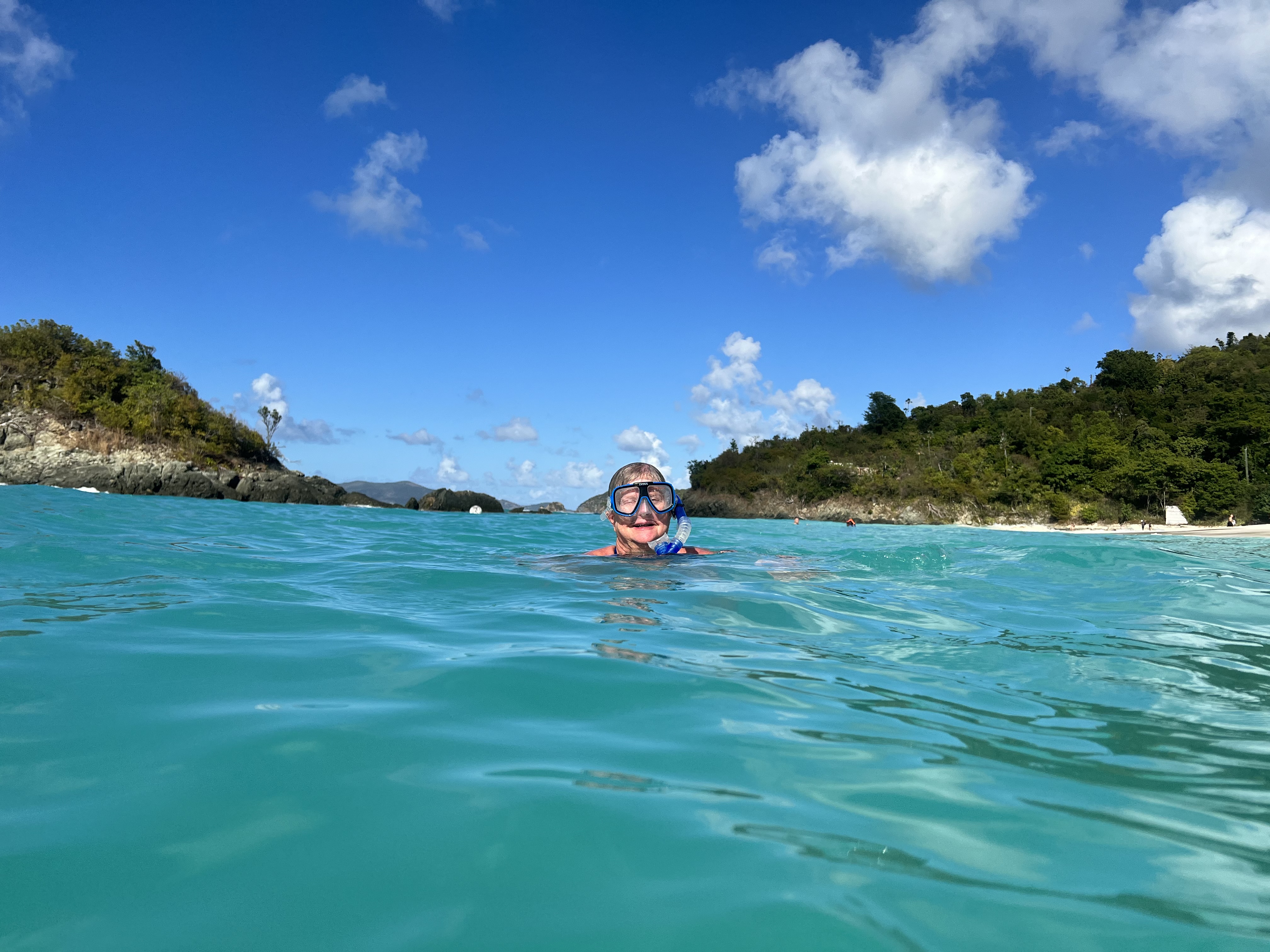
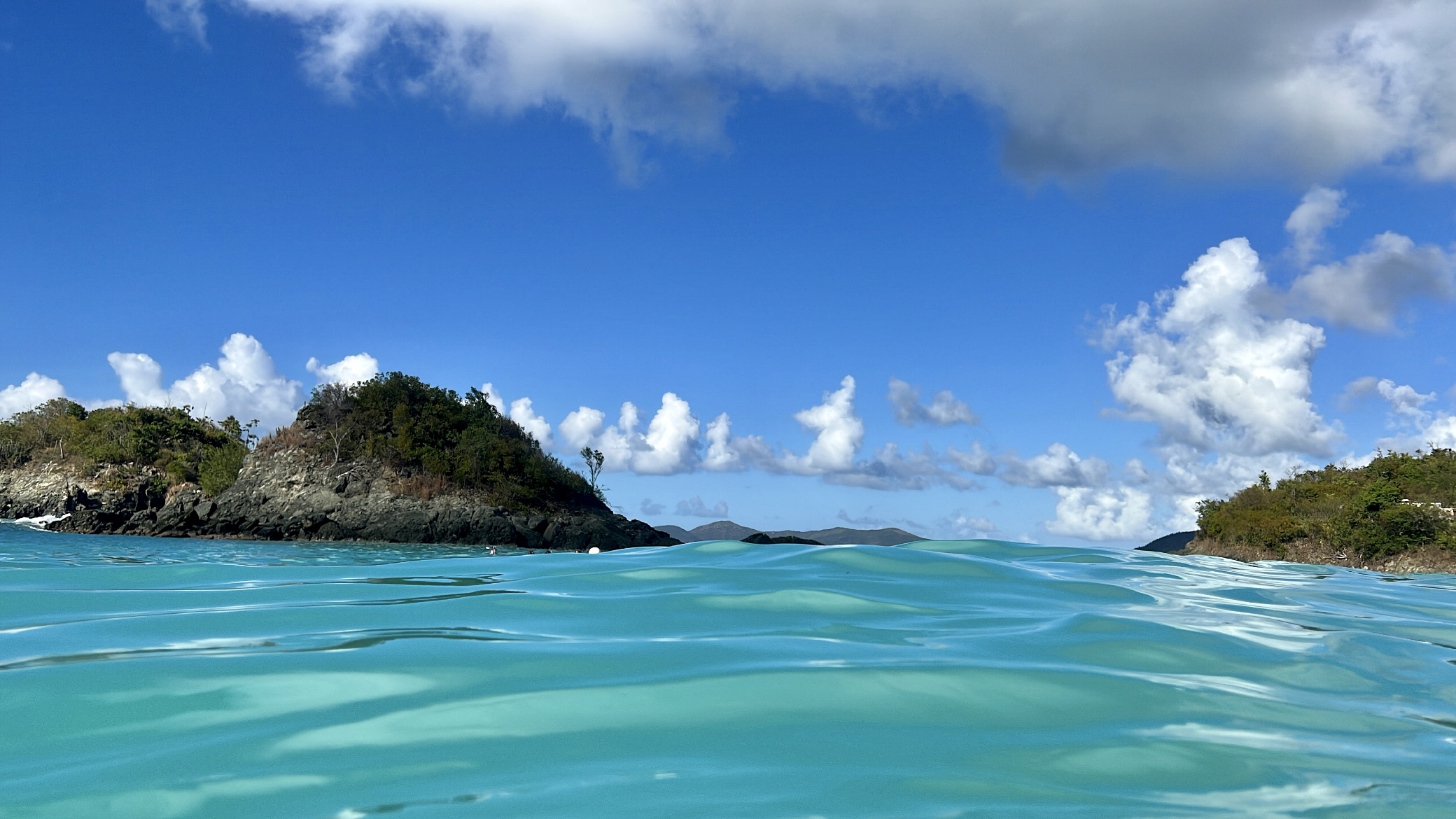
    Trunk bay is the official beach of the National Park, and the only one that requires a fee for access.  However, they let us in for free that day, and we found out the next day was actually a free parks day as well.  We played in the water at Trunk Bay, and loved all the beach space there was.  It was a little too wavy for good snorkeling, but it was still fun to be in the water.  That evening we ventured to the grocery store, and spent way too much money on way too little groceries.

    Second full day was spent at Trunk Bay again—however, today the waves were INSANE and most of the beach area from yesterday was engulfed by the high tide. Upon our arrival to the park, the park ranger told us that snorkeling was not allowed today because the waves were too dangerous. This was a bummer because Trunk Bay has an underwater snorkel trail that we weren’t able to see the day before either. However, a day at the beach is still better than no day at the beach.

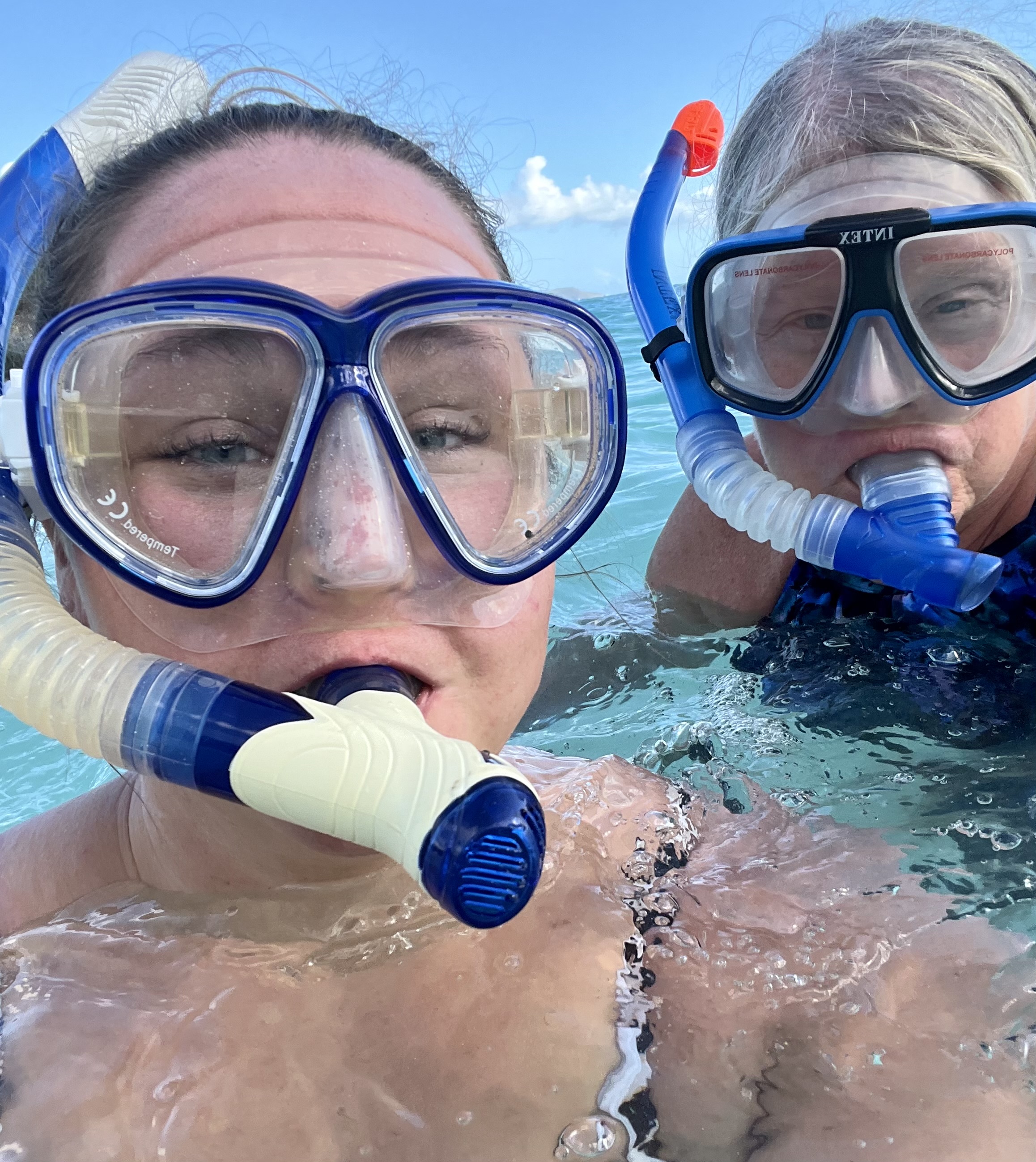
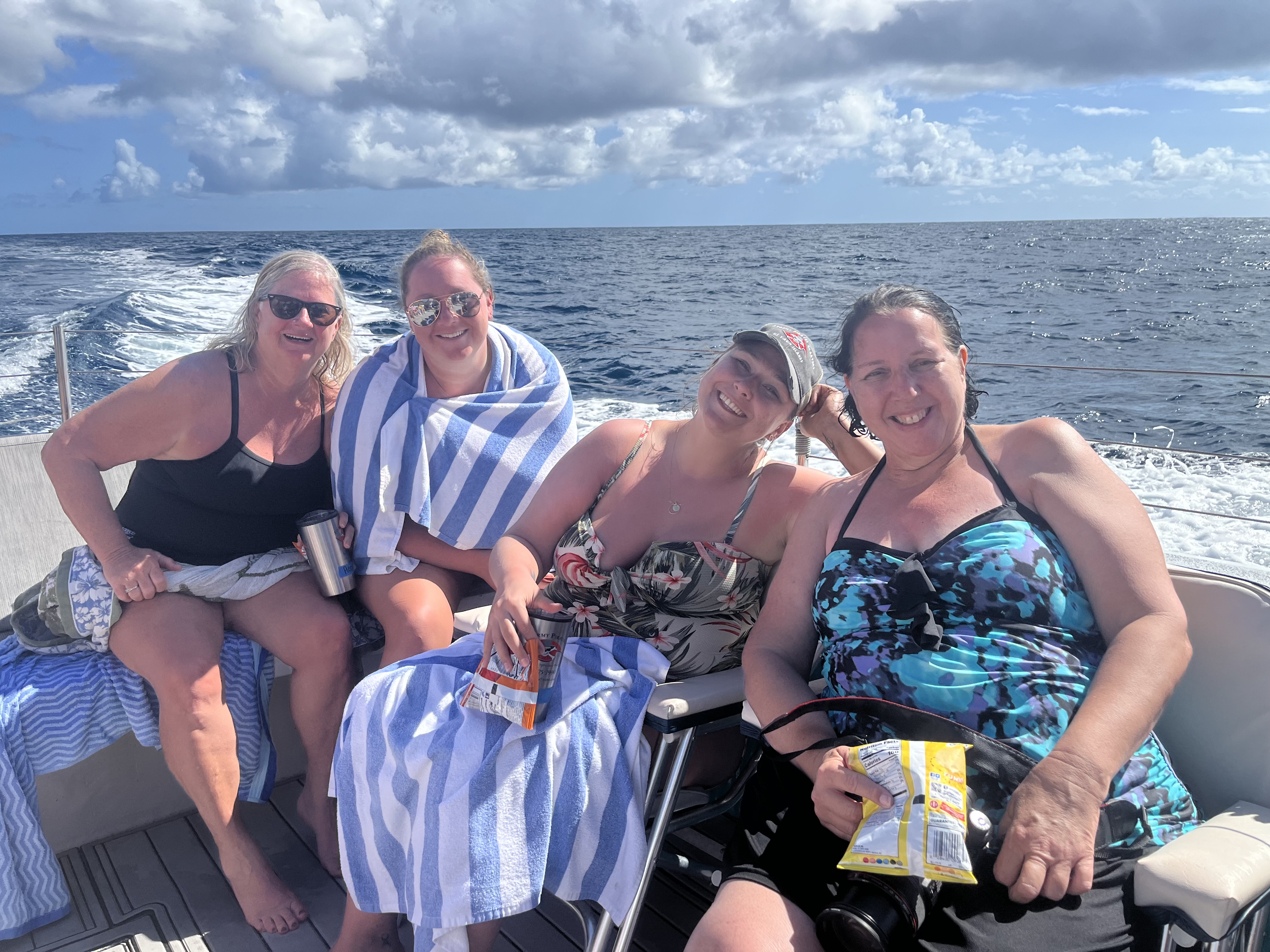
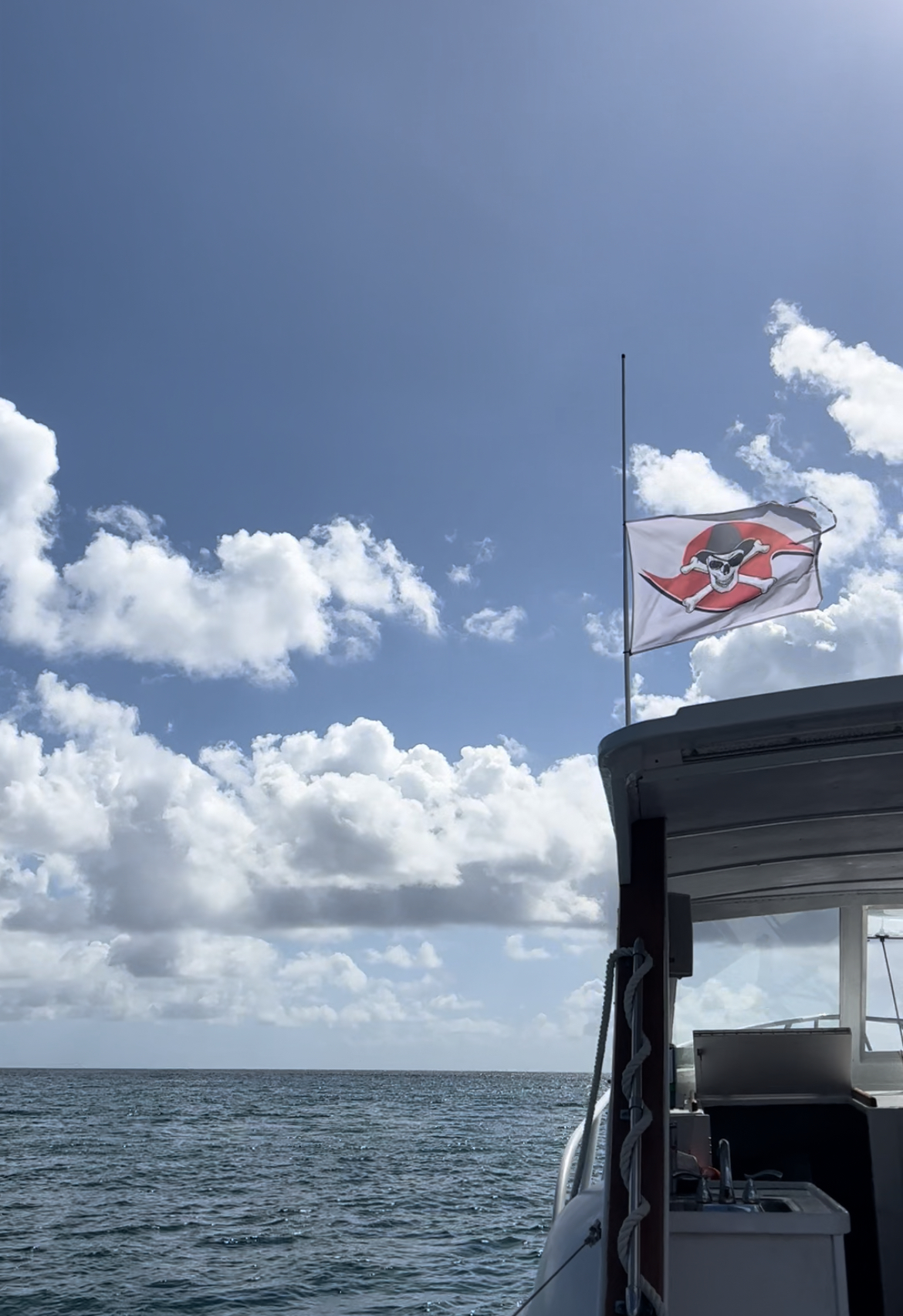
    The next day we decided to take a boat tour around the islands.  We booked a small private tour with a company called Stormy Pirates, which I would highly recommend.  It was a small group (10 people, including the 4 of us), and they provided unlimited drinks and snacks while on the boat.  We stopped a few times to snorkel, and got lunch at this popular placed called Lime Out.  It’s a floating taco joint in the middle of the ocean!! Very popular.  After our day on the boat, we stopped at the official visitor’s center and then got some ice cream before heading back to the VRBO for the evening.

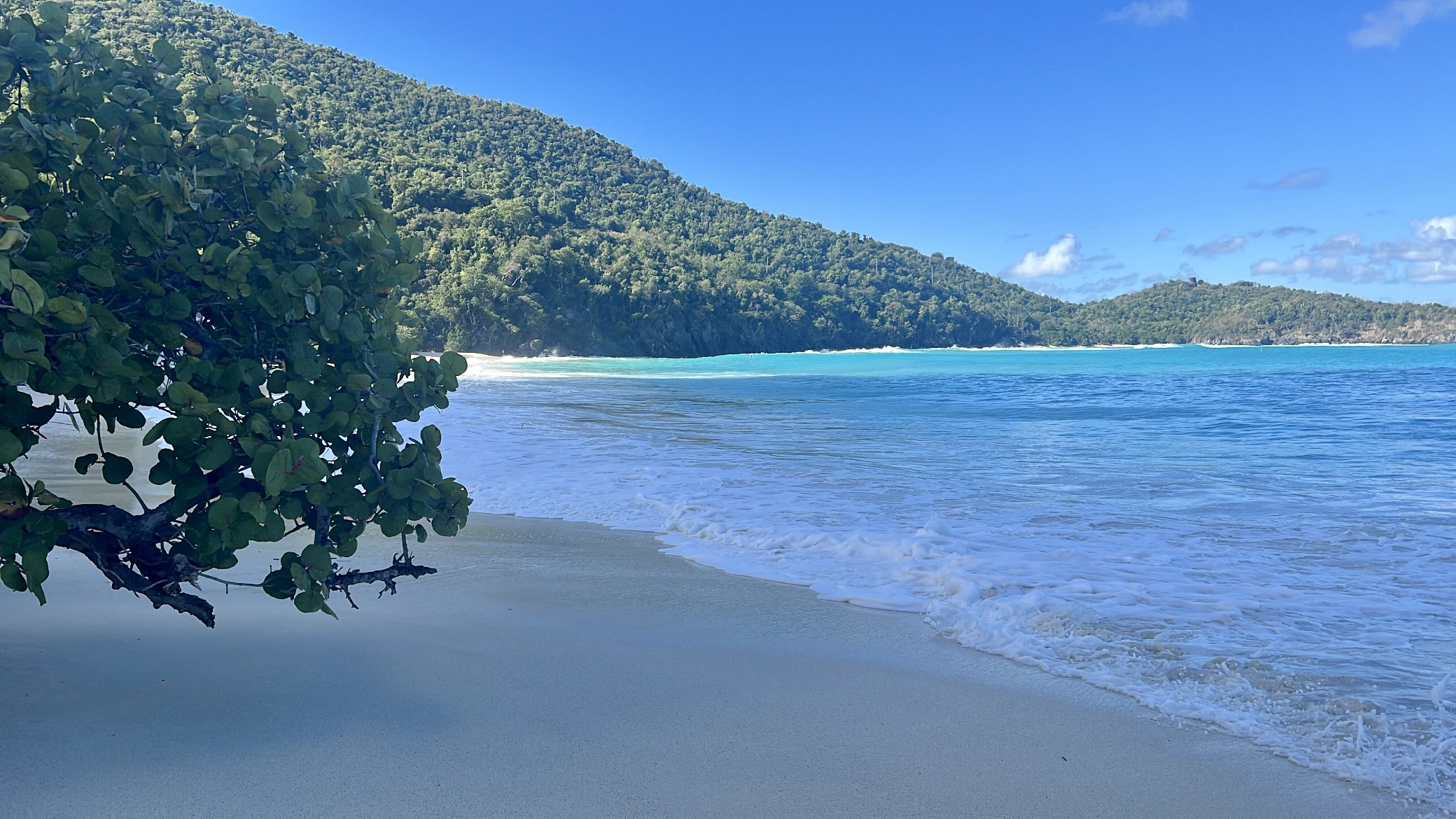
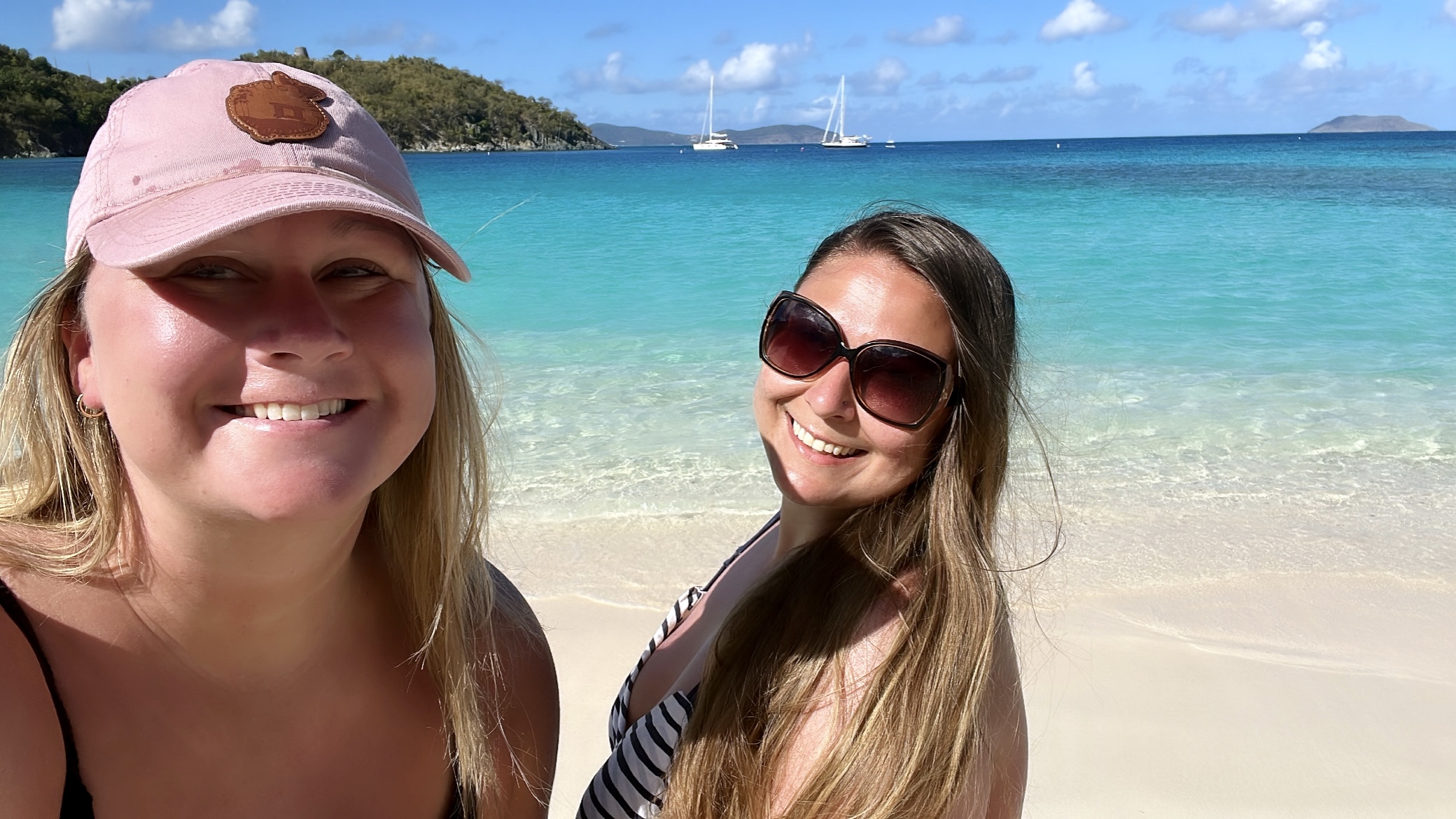
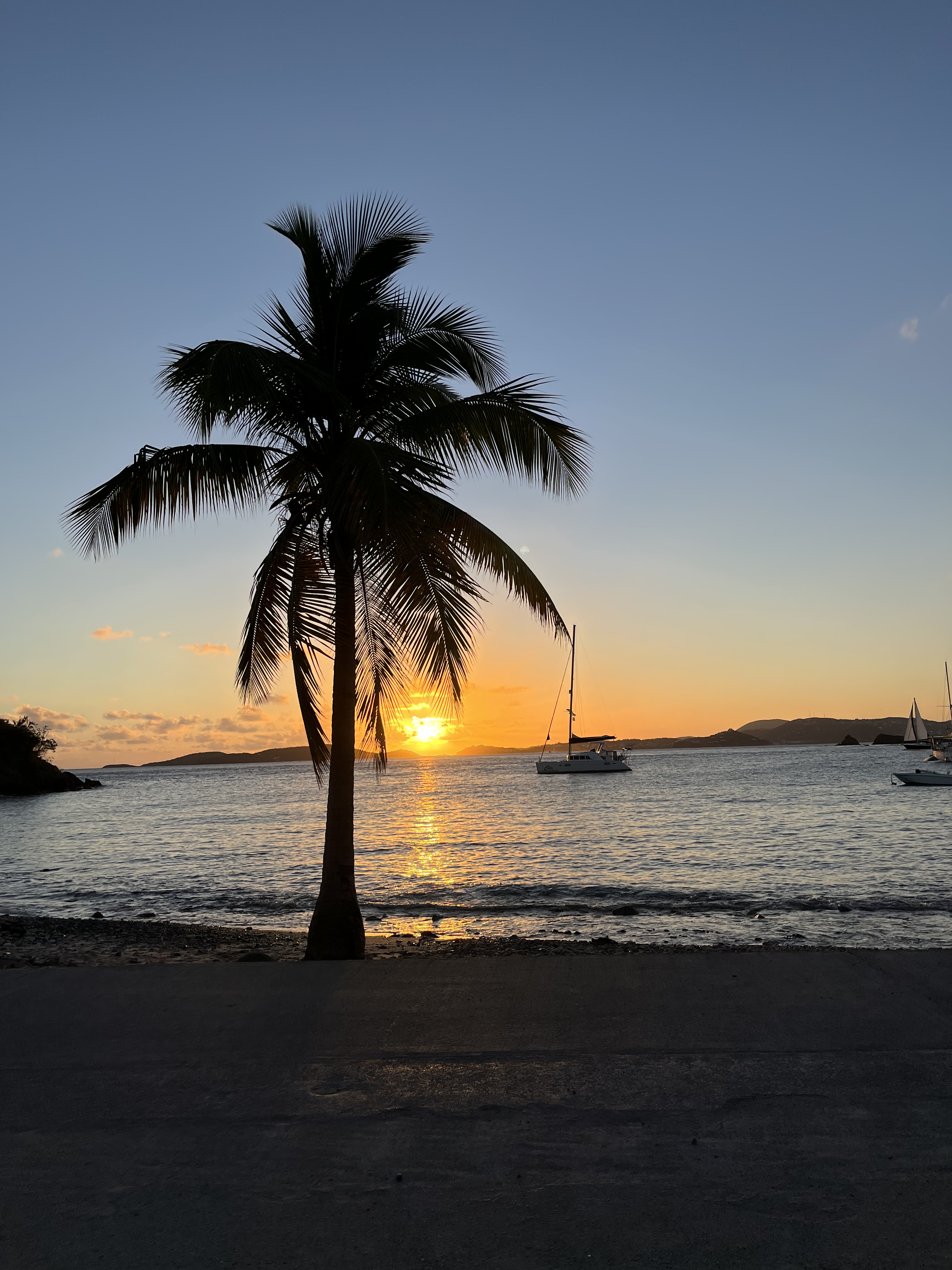
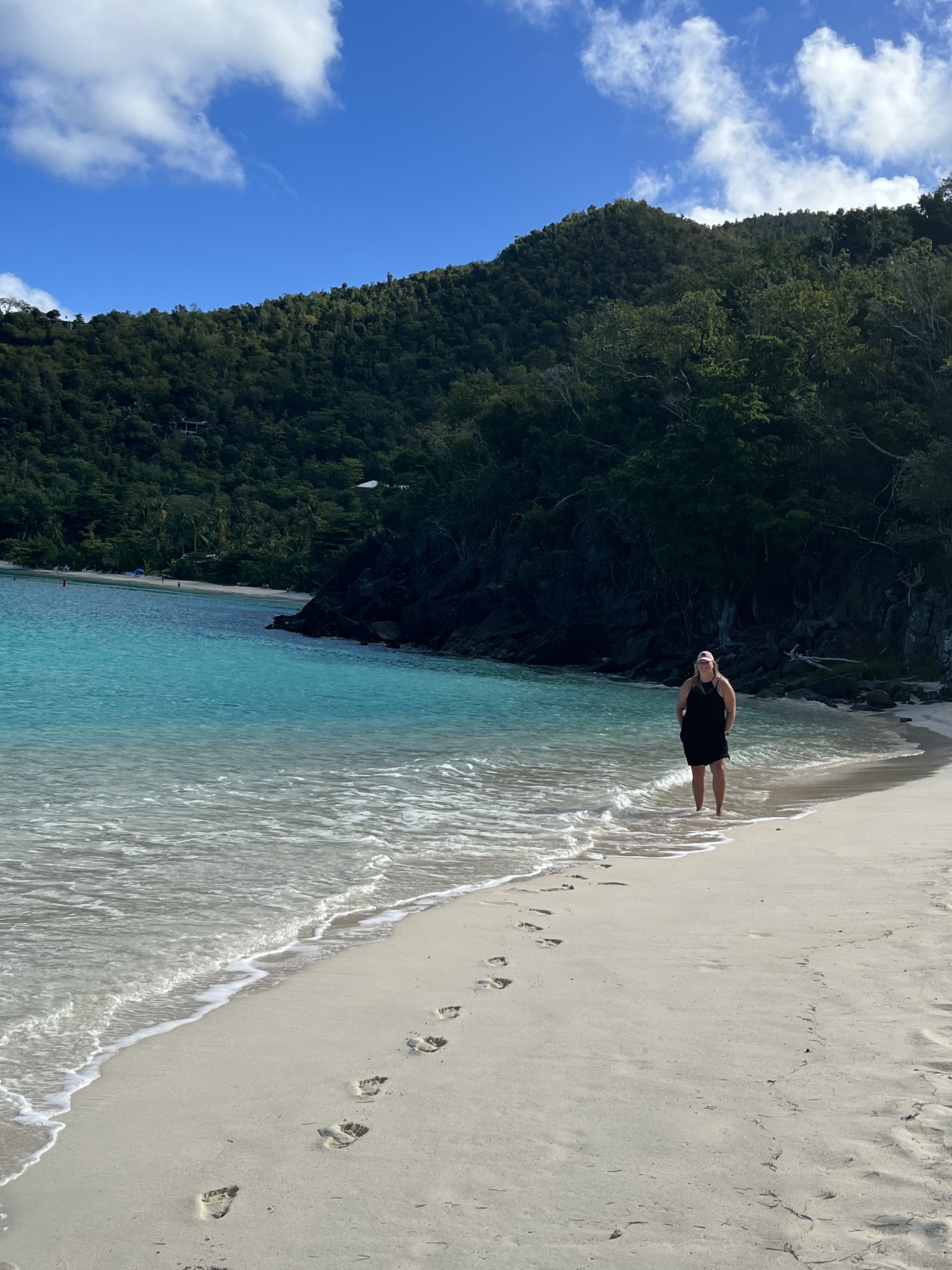
    Our last full day on the island was spent at Hawksnest beach.  The waves had finally calmed by the end of our trip, so I was able to do some snorkeling around the reefs at this beach.  I also snorkeled my way to another beach around the corner, which had a lot to see along the rock wall/cliffs.  After spending the day at the beach, we had dinner at a restaurant called the Windmill.  It sits high up on the island, so you get a great view overlooking everything.  We ate dinner and stayed for sunset, and it was such a nice way to end our trip.


    Saying goodbye to our island oasis/home away from home for the week!

  • Saguaro National Park

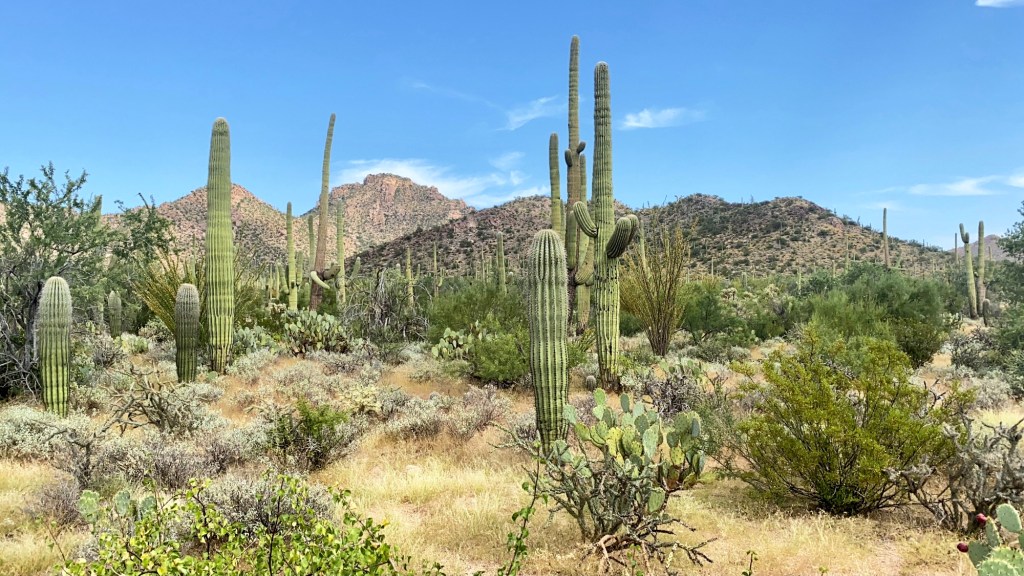
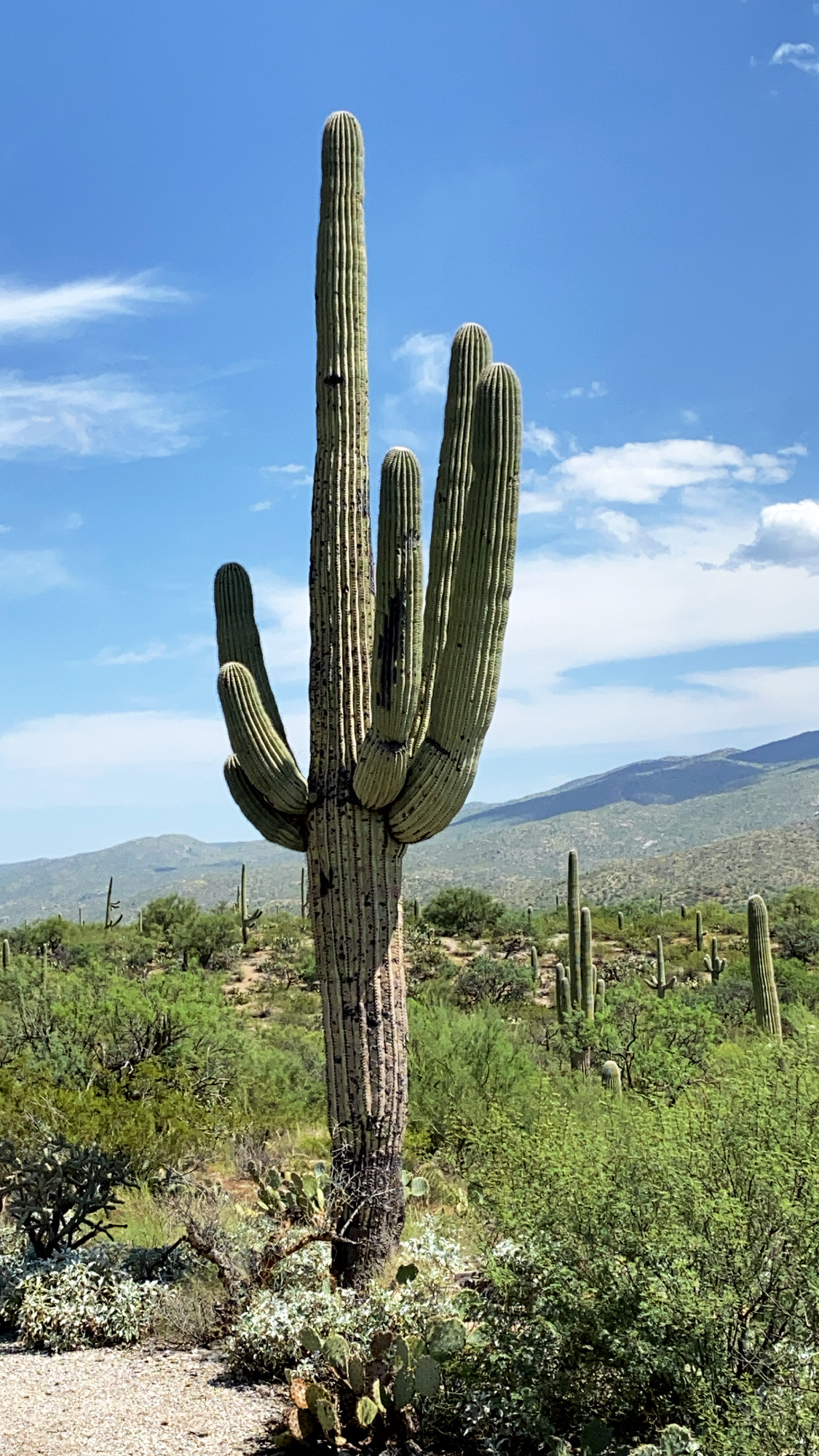
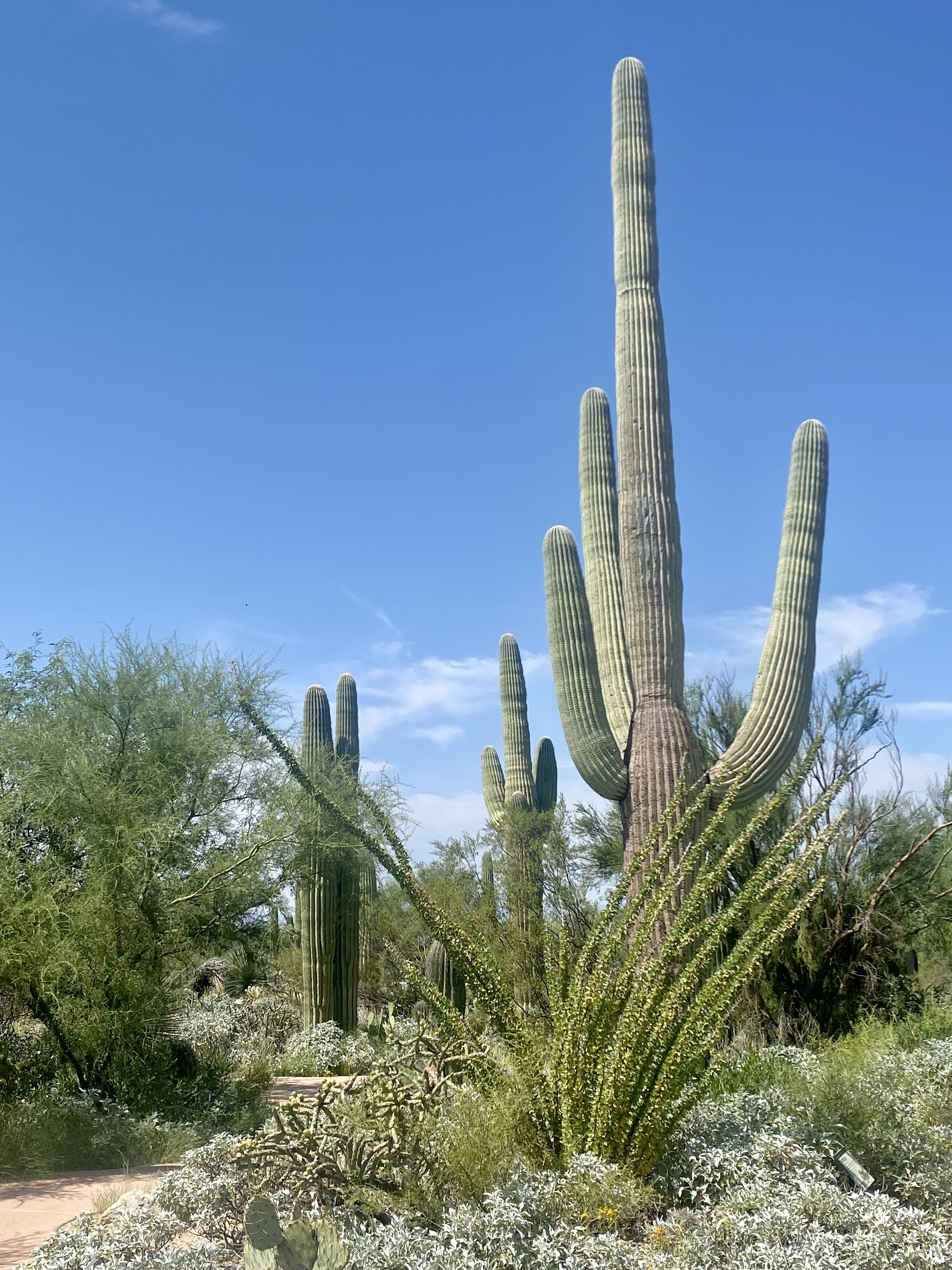
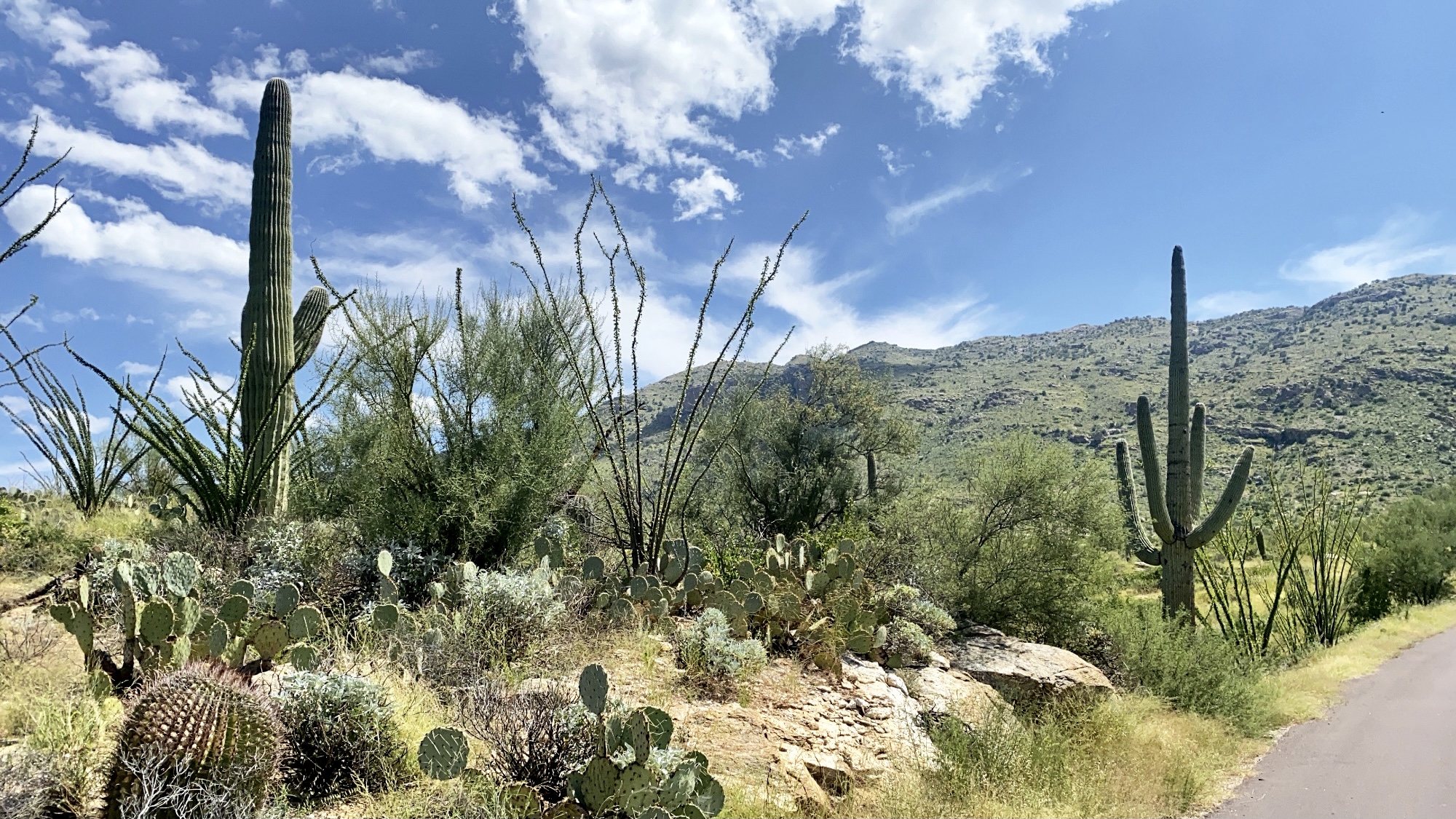
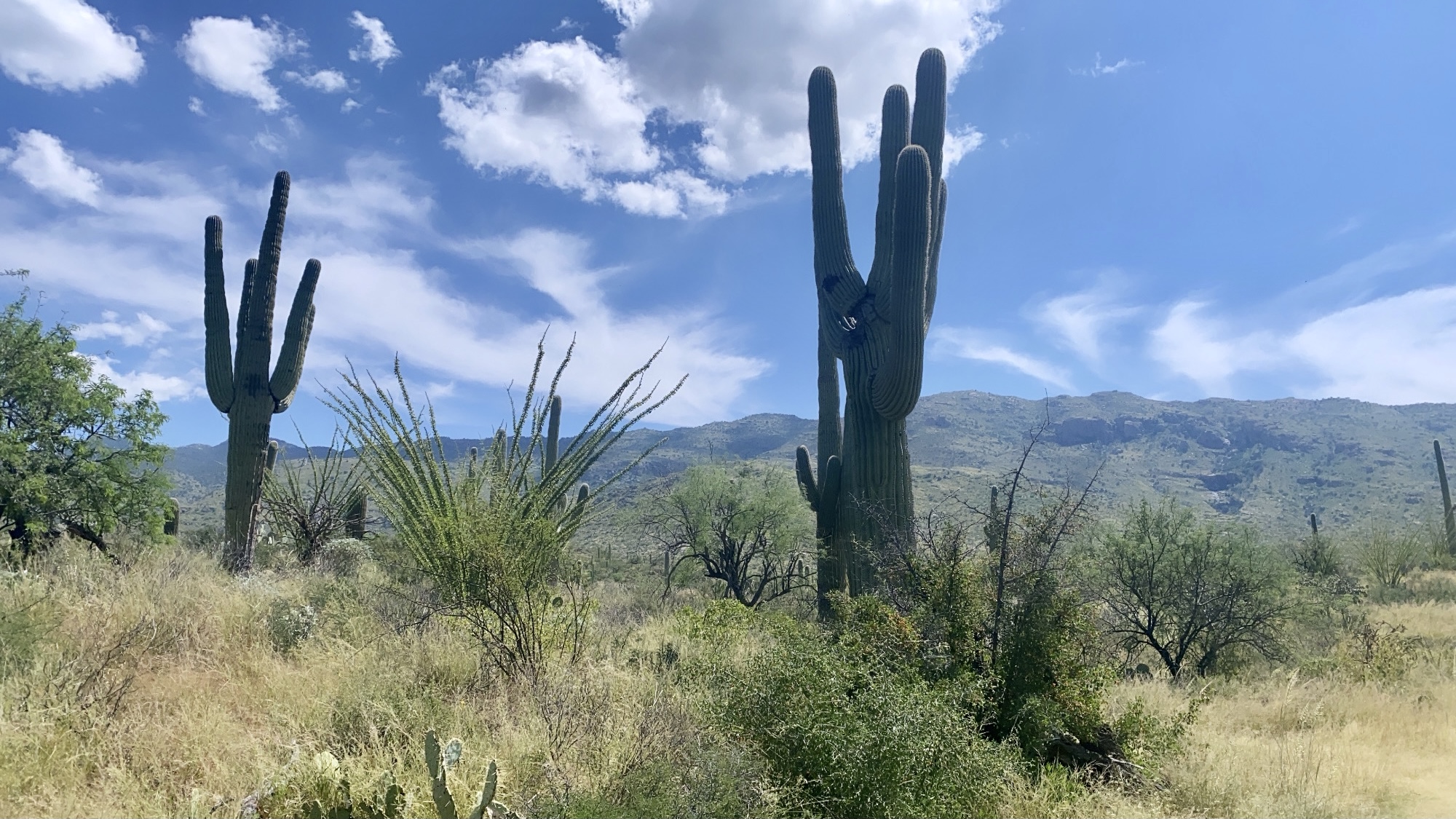
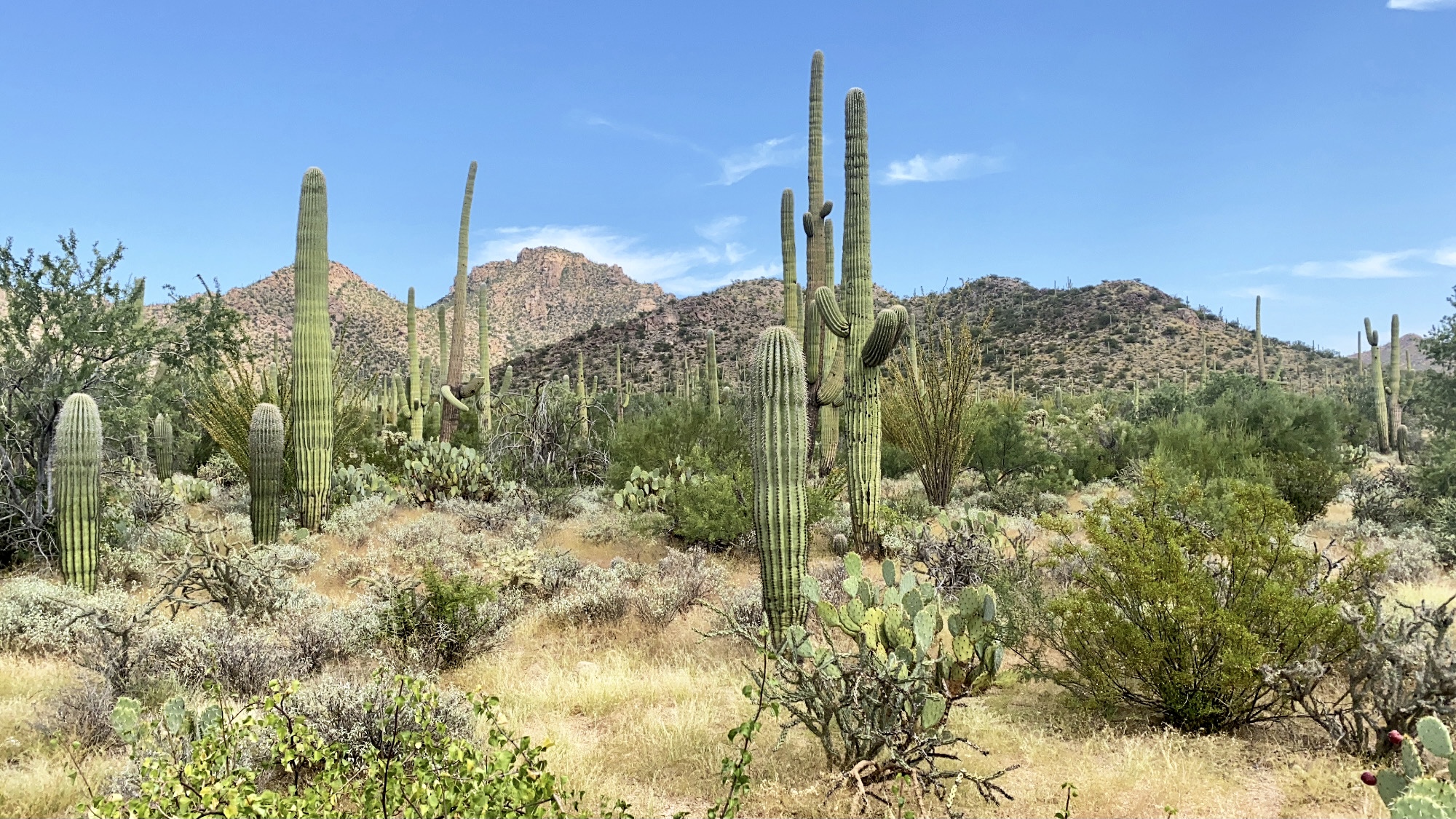
    Saguaro National Park was my second solo park adventure.  This Park ranges in elevation from 2,180 ft in the Tucson Mountain District to 8,666 ft elevation in the Rincon Mountain District.  The vast differences in elevation create widely varied habitats in each region of the park, making them both equally awesome to explore.


    I started off at the east side of the park, which is the Rincon Mountain District.  However other than the park loop drive, this park mainly only has access to backcountry trails.  I leisurely drove the Cactus Forest Loop drive, stopping to take photos whenever I wanted (because there was hardly anyone else around), and then I hiked the Desert Ecology and Mica View Loop trails.

    When I first planned this short but sweet solo weekend adventure, I wasn’t sure if I would have time to explore both sides of Saguaro.  Since the east side of the park was not crowded at all, and only really housed backcountry hikes, I decided to drive across Tucson and explore the west side of the park before heading back to the airport.  The two sides of the park are about 55 minutes apart from each other.  The west side of the park is known as the Tucson Mountain District.

    The west side of the park has more abundant, dense cactus forests.  While exploring this side of the park I hiked the valley view overlook, signal hill petroglyphs, and desert discovery trail.  I enjoyed having time to explore both sides of the park—I liked the park loop drive on the east side of the park better, but the hikes through the dense cactus forests on the west side were so incredible!

    Happy exploring!! ❤

  • White Sands National Park

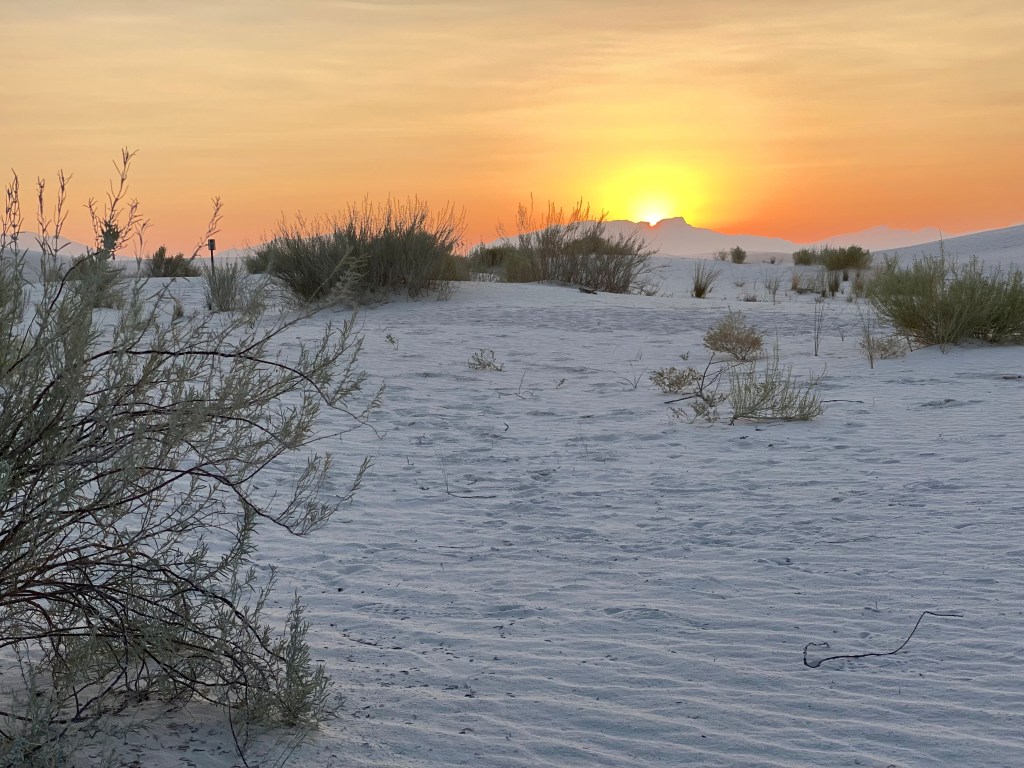
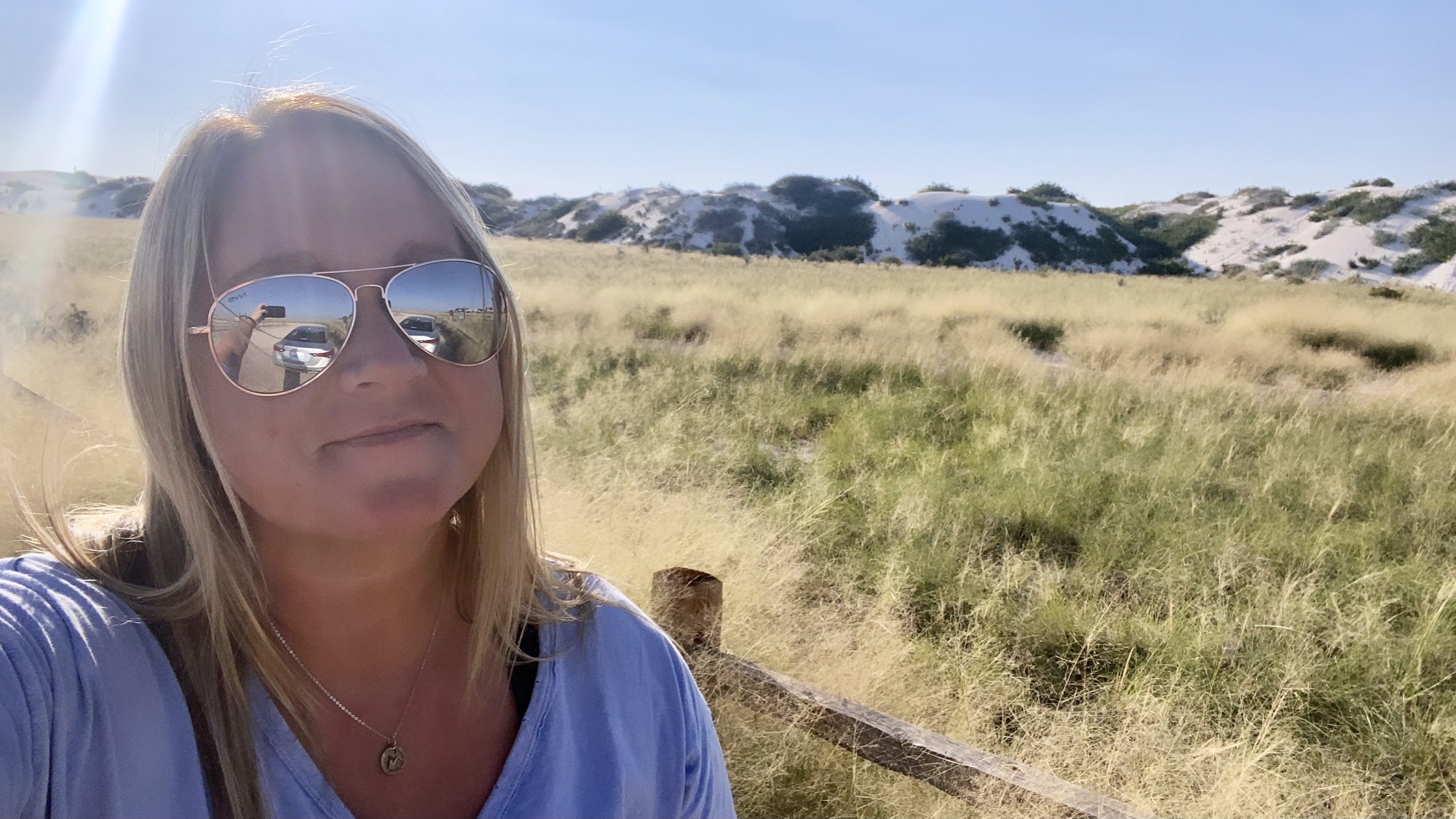
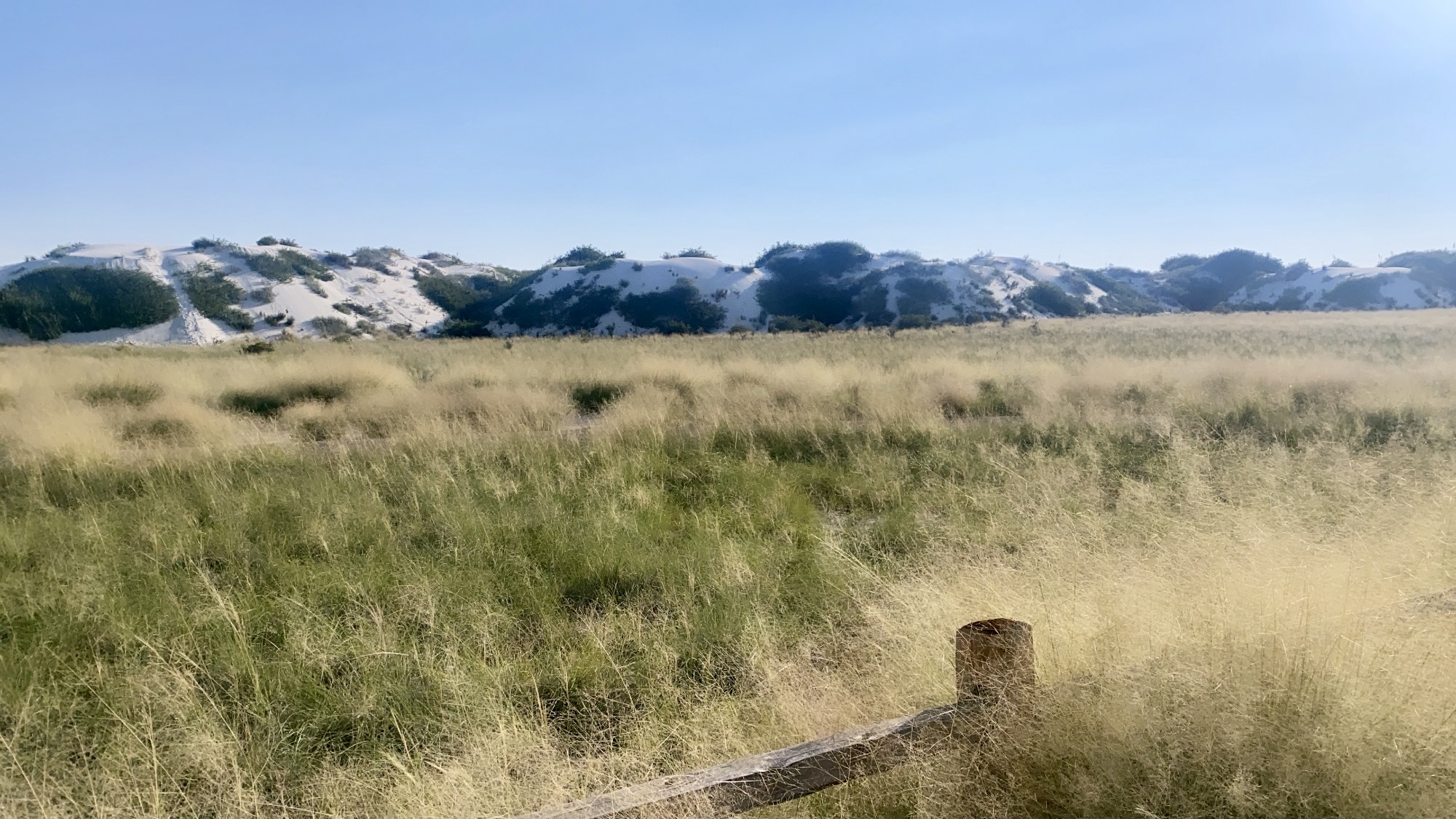
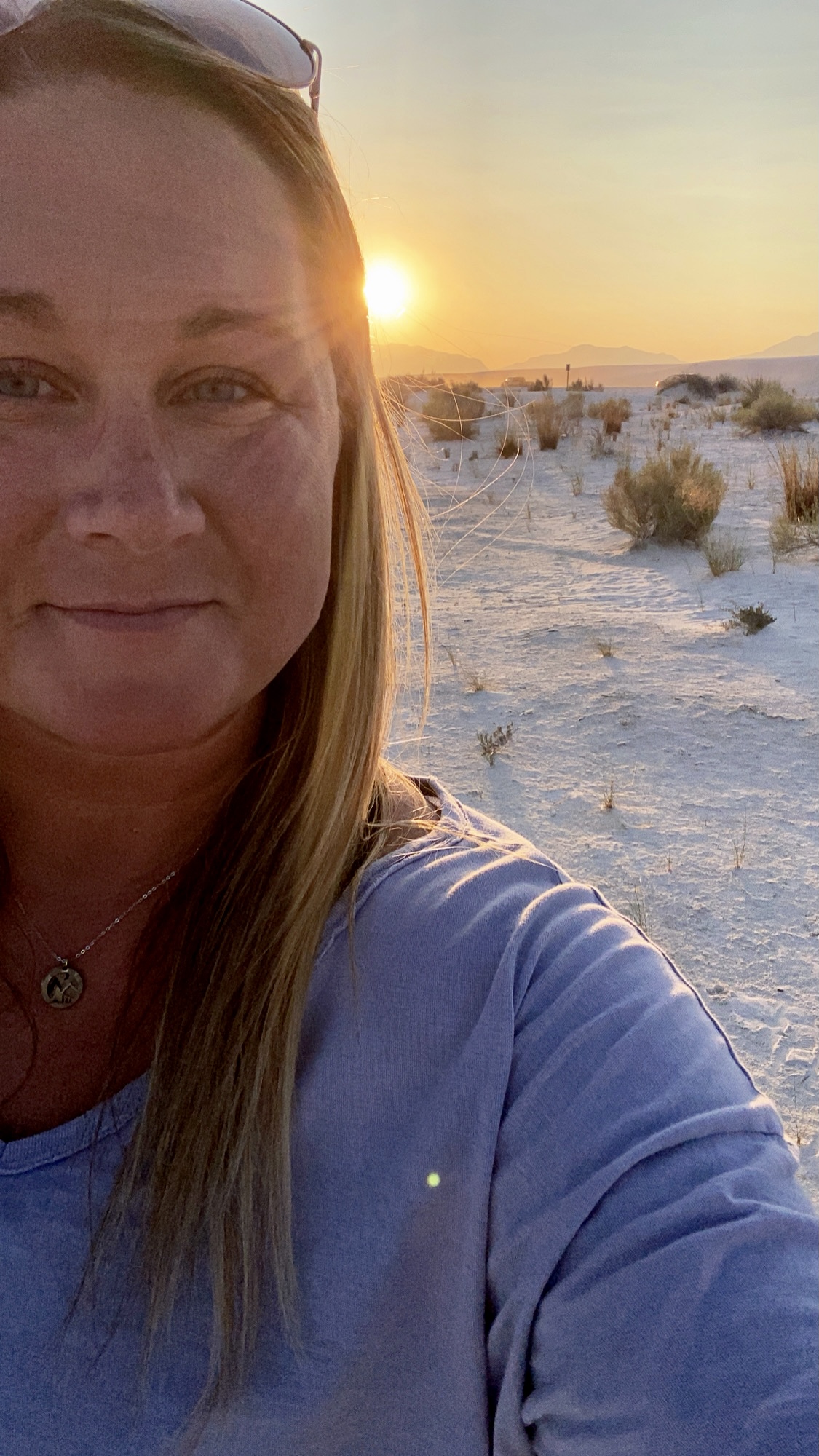
    I set out for my first solo parks trip in the fall of 2021 to White Sands National Park.  This national park is located in New Mexico in the Tularosa Basin, completely surrounded by the White Sands Missile Range.  White Sands was upgraded from a National Monument to a National Park in December 2019. 


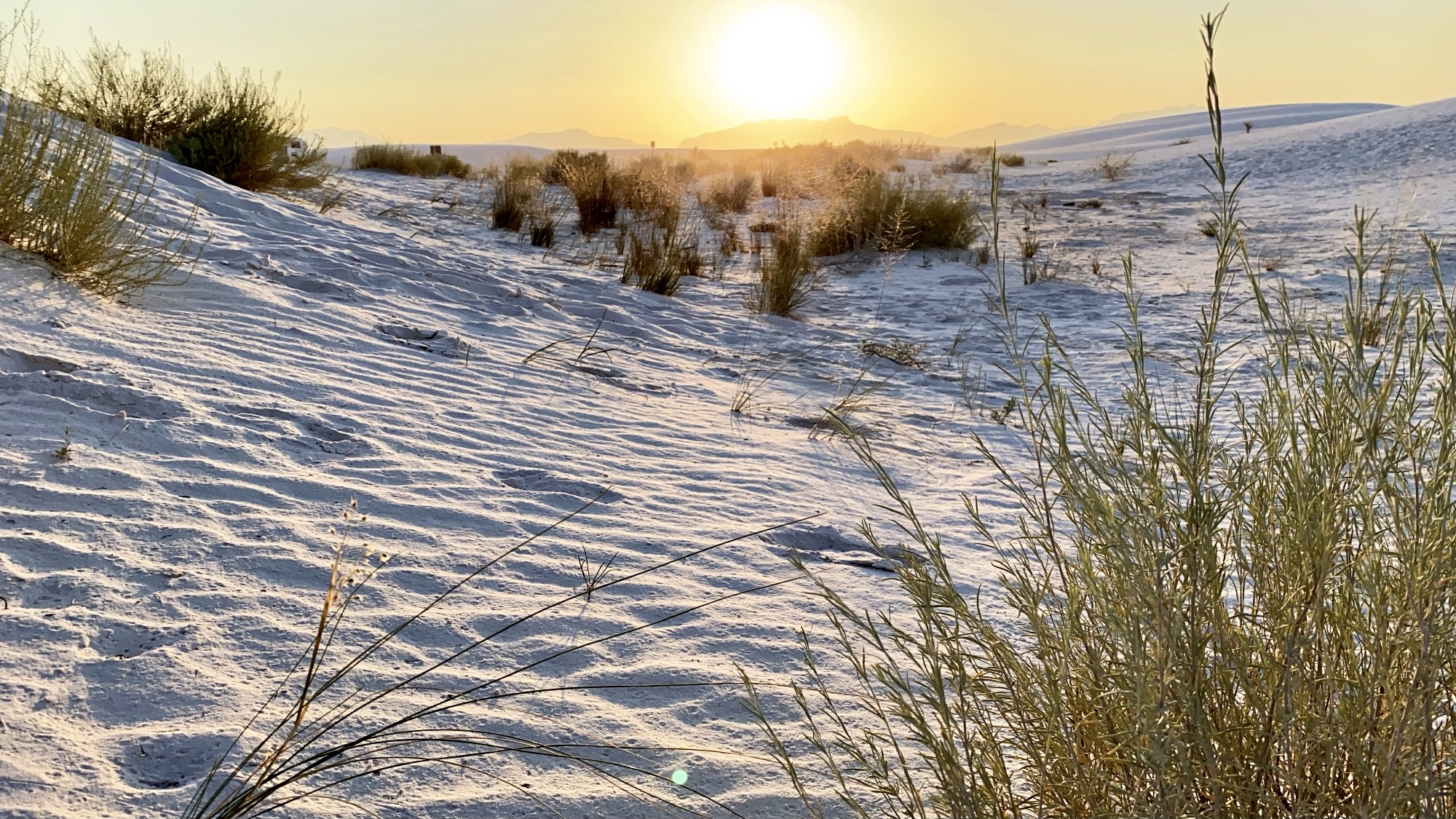
    I arrived to the park around 5 pm.  I had just missed the visitors center hours, but arrived in time to explore a bit before meeting up for the ranger-led sunset hike.  I drove the 8-mile (one way) dunes drive, stopping at pull-offs along the way.  I walked the Dune Life Nature Trail, taking in the beauty and stopping every few steps to take pictures. 

    Eventually I made my way to the trailhead where the ranger-led sunset walk would be.  The first thing the ranger said to me when I arrived was, “Shoes are optional for this hike, you can go barefoot if you want.”  An immediate smile came across my face– no shoes AND a sunset hike??  I was definitely in the right place. 

    Throughout the hike I learned a lot about this new national park.  I learned it inhabits the world’s most active sand dunes—because the winds are always changing, the dunes are actively moving from one area to another.  The whole area used to actually be a lake, a very long time ago.  These sand dunes are also home to the world’s largest region of gypsum.  What’s cool about gypsum is it doesn’t absorb heat from the sun, so even when its hot outside, the dunes are comfortable to walk on, hence why we were able to walk around barefoot.

    Another cool fact I learned about this park was that giant sloth tracks were found in 2018, with human tracks in them.  One of the rangers said that was part of what helped transition White Sand Dunes from a National Monument to a National Park.  White Sands National Park encompasses the globe’s largest collection of ice-age fossilized footprints. 

    All in all, this was the perfect park to travel to for my first solo trip.  Its small, but packed with history and provides some of the most amazing sunset views.  My time was relatively short, but oh so sweet!

  • Katmai National Park

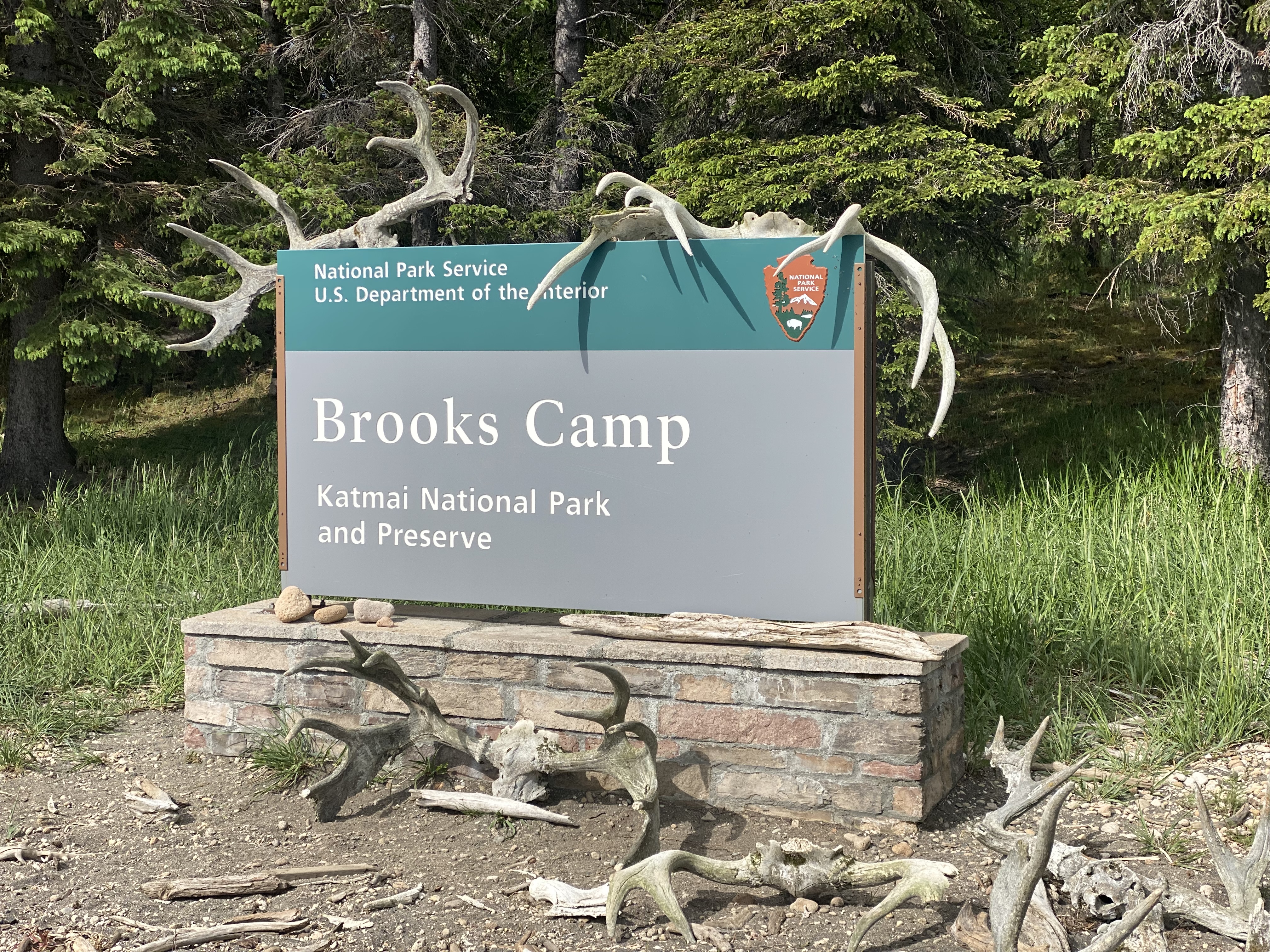
    Katmai National Park was the last stop on our 2021 Alaskan summer adventure, and an adventure it was.  To get to Katmai, we had to first make our way to King Salmon, Alaska. King Salmon is an eclectic place.  The “town” consists of a few places for lodging, a restaurant/bar/coffee shop/gas station combo, a bank, and the airport.  The town might not look like much, but it is known to be a gold mine for fly fishing. 

    After finding our way to the motel through a windstorm and zero cell service for directions, we decided to eat dinner at the local pub, the Sockeye Saloon.  We dined with every dad, brother, son, uncle, and grandpa combination you could think of- all there on the ultimate guys’ fishing trip.  We had a brief moment of panic because we heard all the trips had been cancelled to the park today due to the heavy winds.  With only one park day allotted for Katmai, if it were to be cancelled, we would have to reschedule for another year.

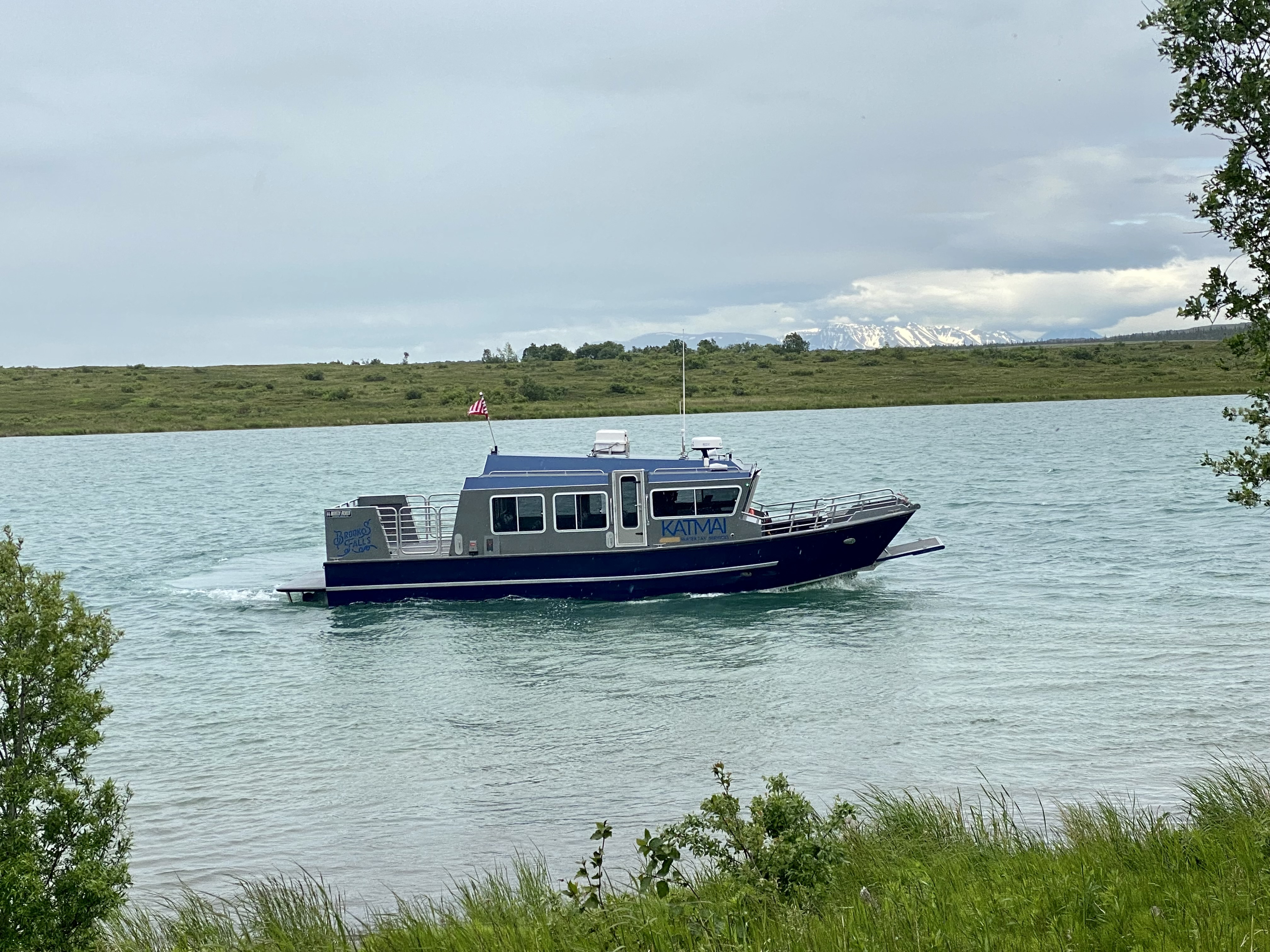
    Thankfully, the next day our only mishap was being scheduled on a slightly different time for the water taxi, but only by a few hours, so we were still able to spend the majority of the day at the park.  The ferry ride across the lake was easy-peasy compared to our boat ride in Kenai Fjords 😉.

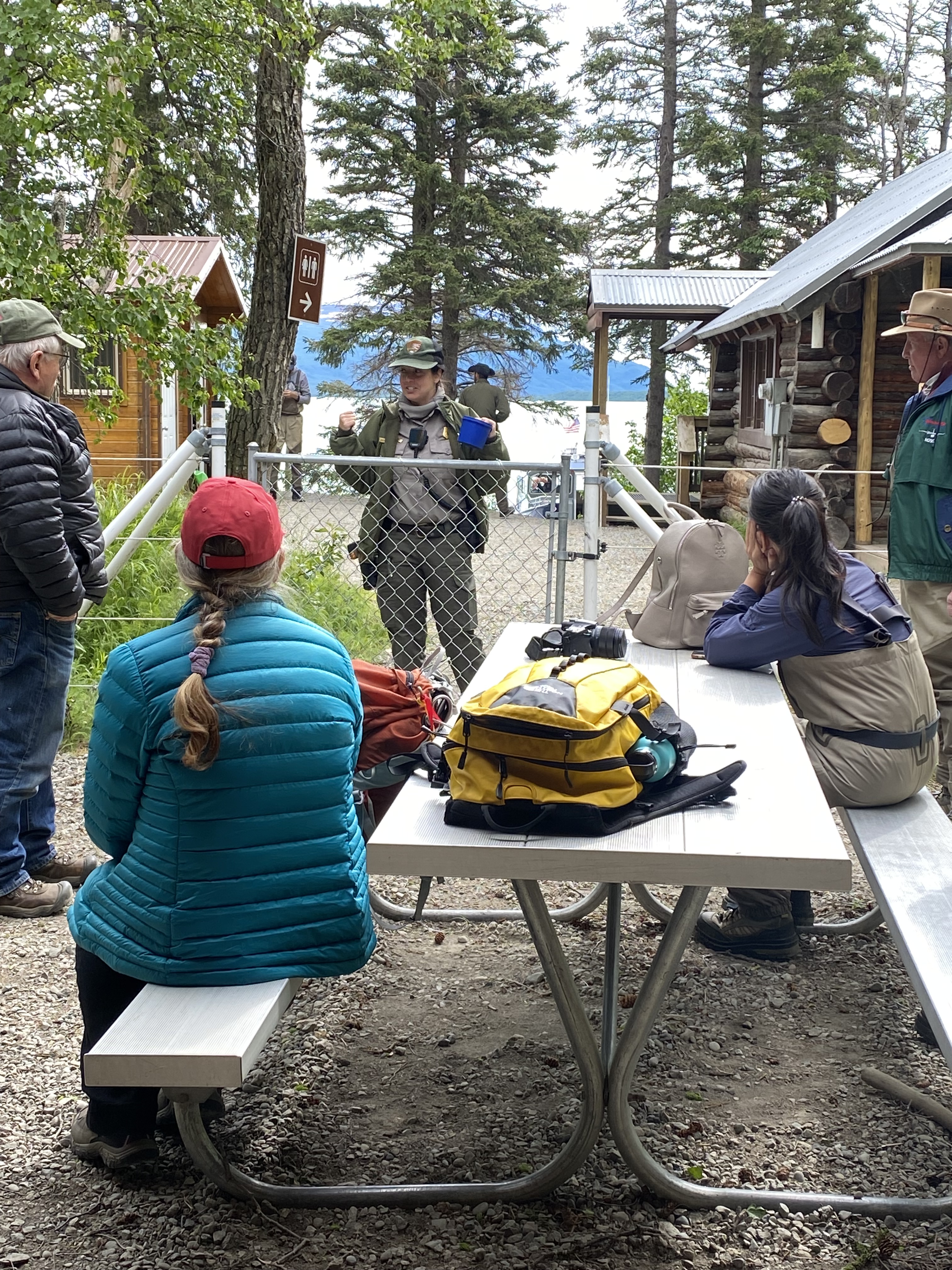
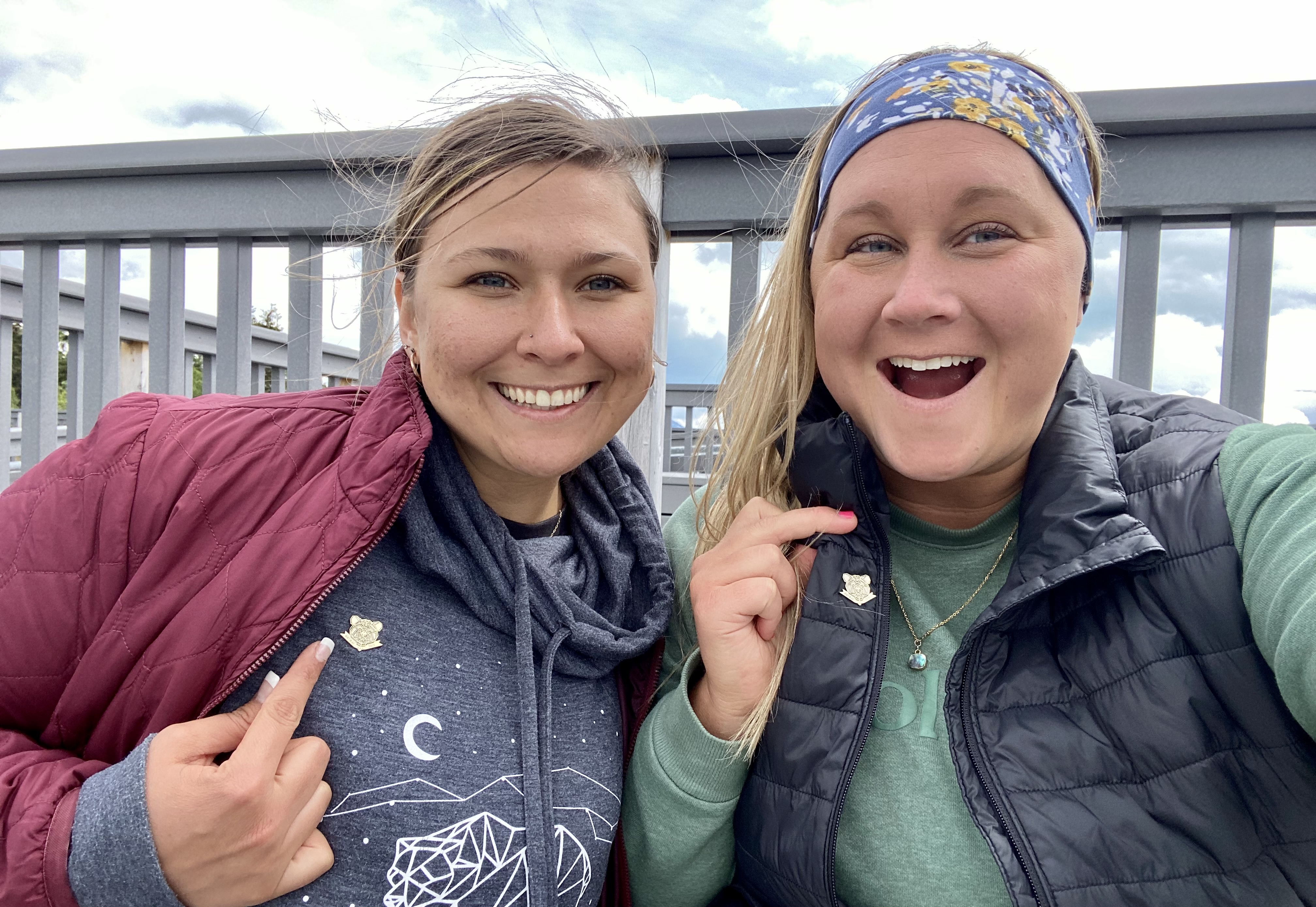
    The first stop at Katmai National Park is Bear School.  Bear school is required for entry into the park, and upon “graduation” you are given a pin, which must be visible to the park rangers throughout your visit.  During bear school, you go over rules and guidelines of what to do when you come in contact with a bear, because the likelihood of that happening is very high.  Unlike most other bears in the wild, the bears at Katmai are very habituated to humans, usually they don’t even realize or care you’re there.  The general rule of thumb was, you should never be doing anything that changes a bear’s behavior.  Then other obvious rules, like don’t have any food or drink, or anything scented on your person, only eat in designated areas, store food appropriately, etc. 

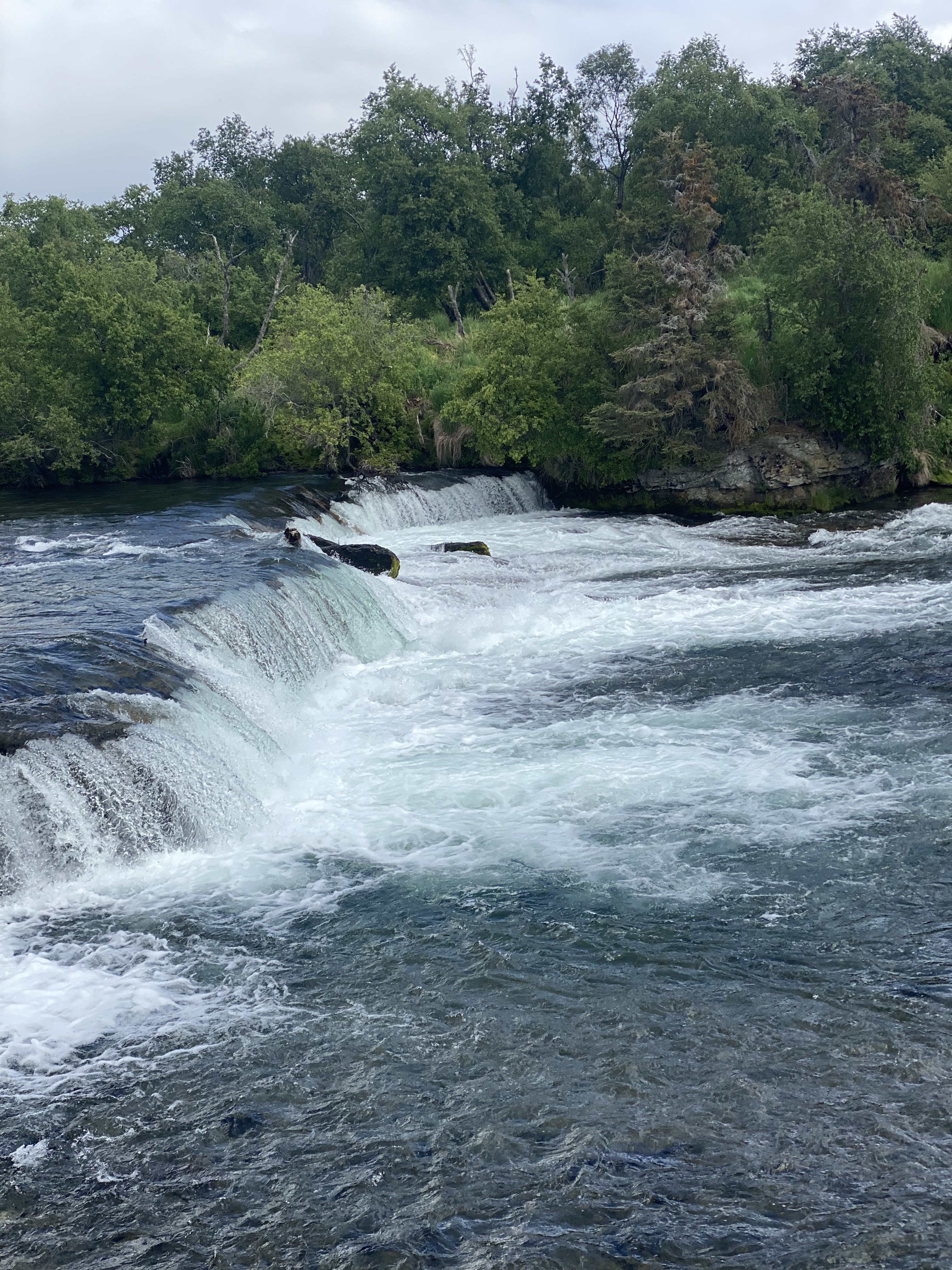
    We quickly found out the salmon had not started running yet, so unfortunately the bear activity was pretty minimal.  There had not been any bears spotted at the famous Brooks Falls yet this season, which is the iconic fishing spot for grizzlies in Katmai.  We were trying to keep a positive attitude, and hoping to at least see one “good” bear—just one really solid bear experience, and we said we would be happy.

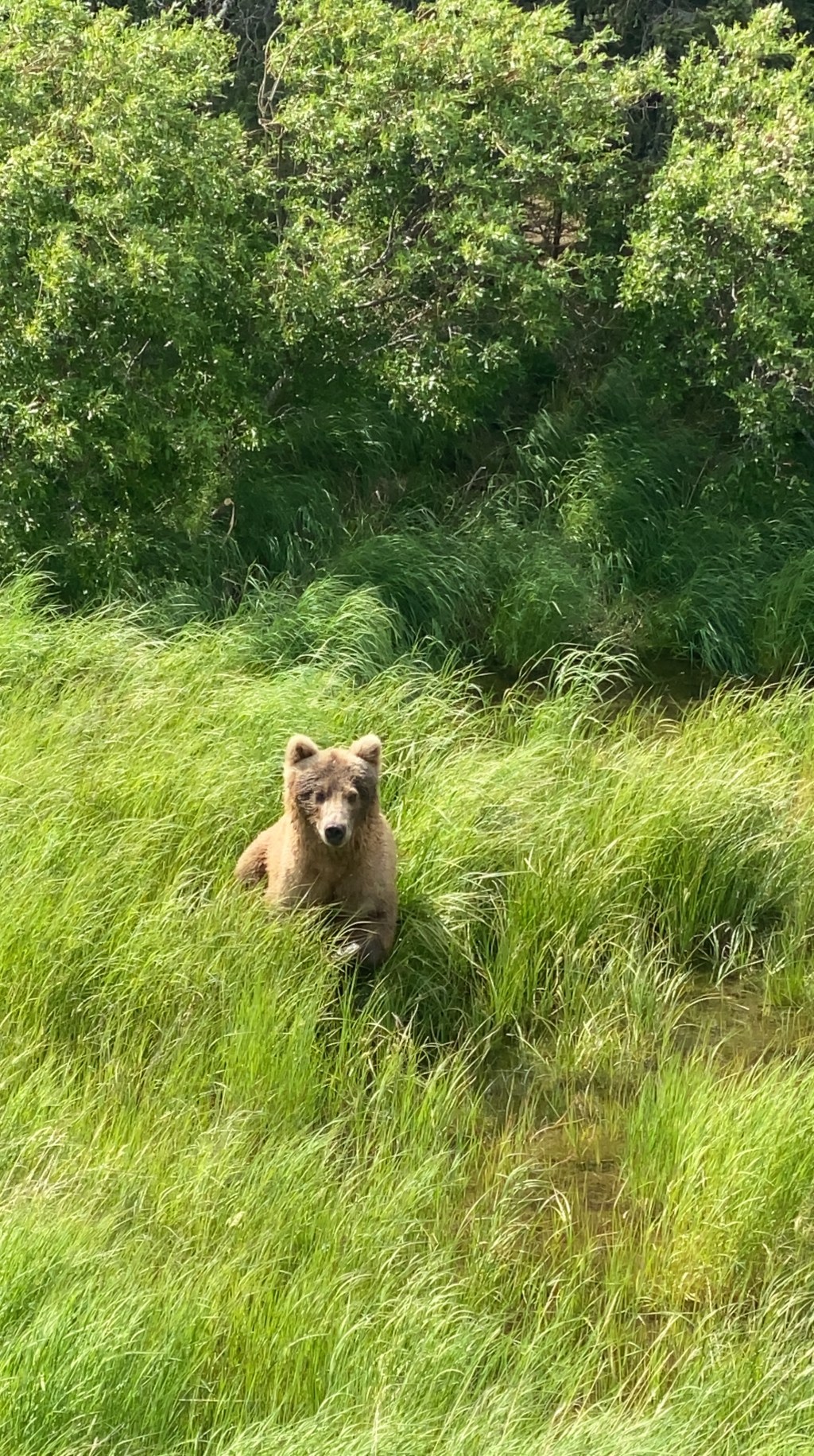
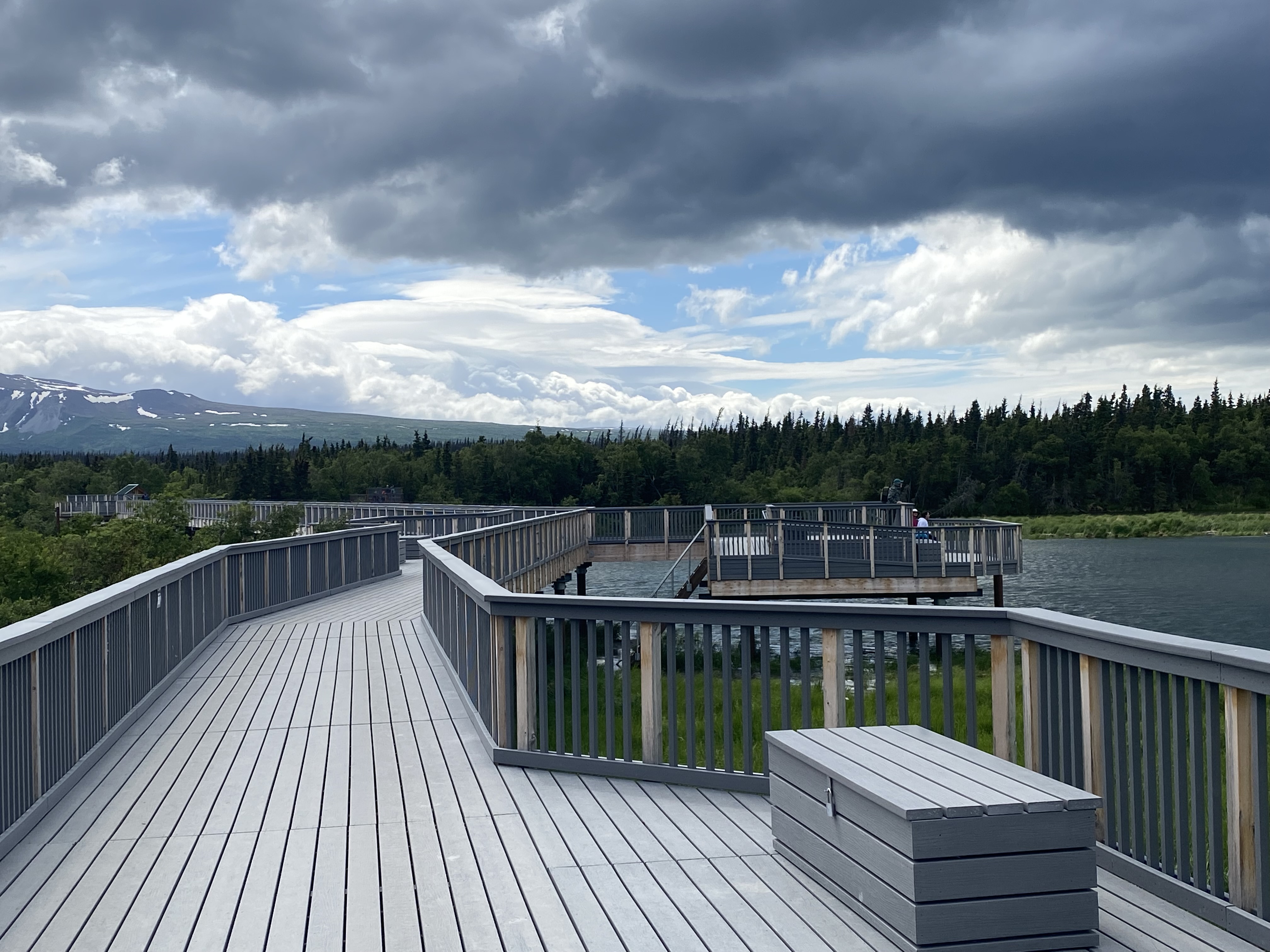
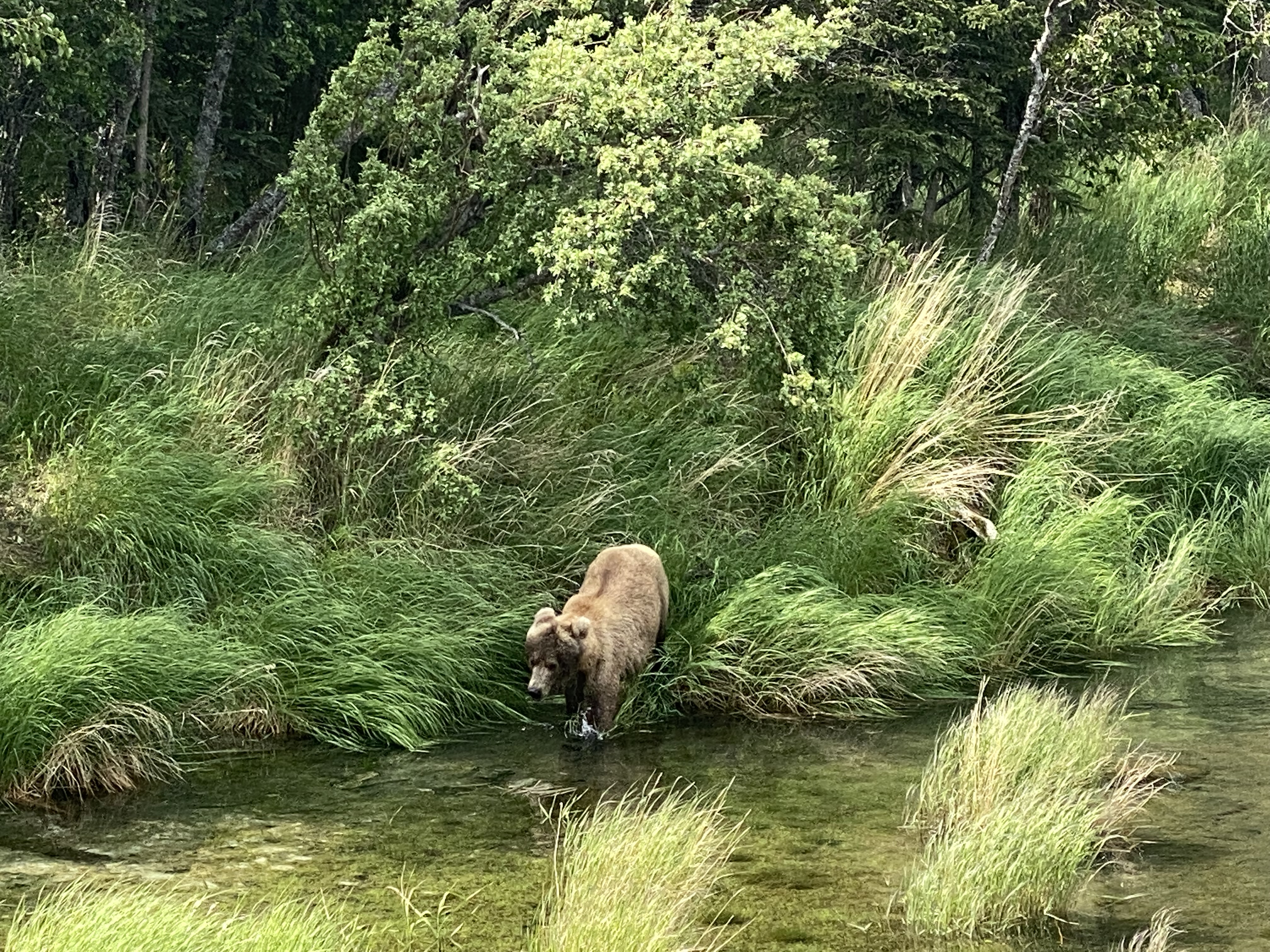
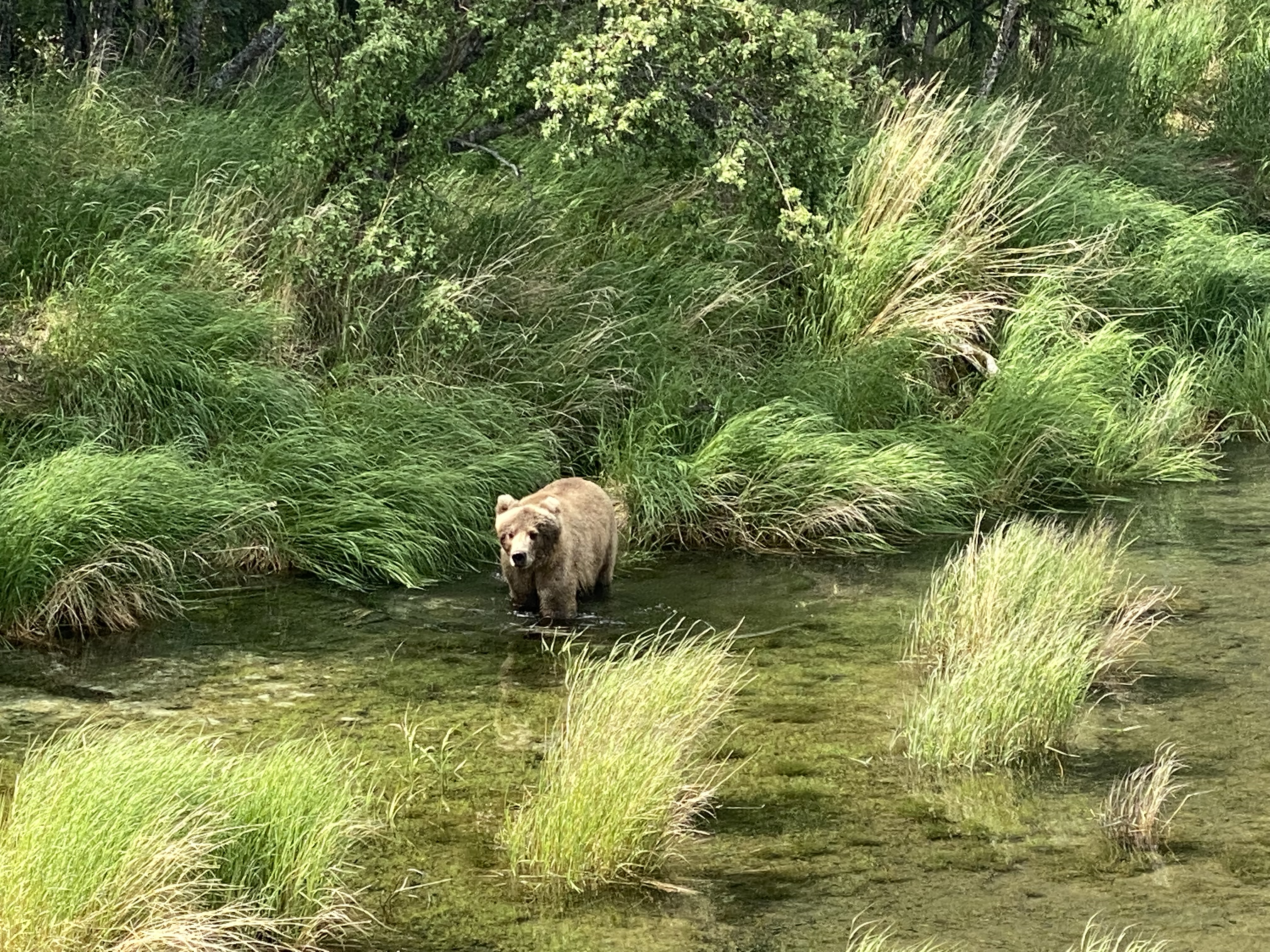
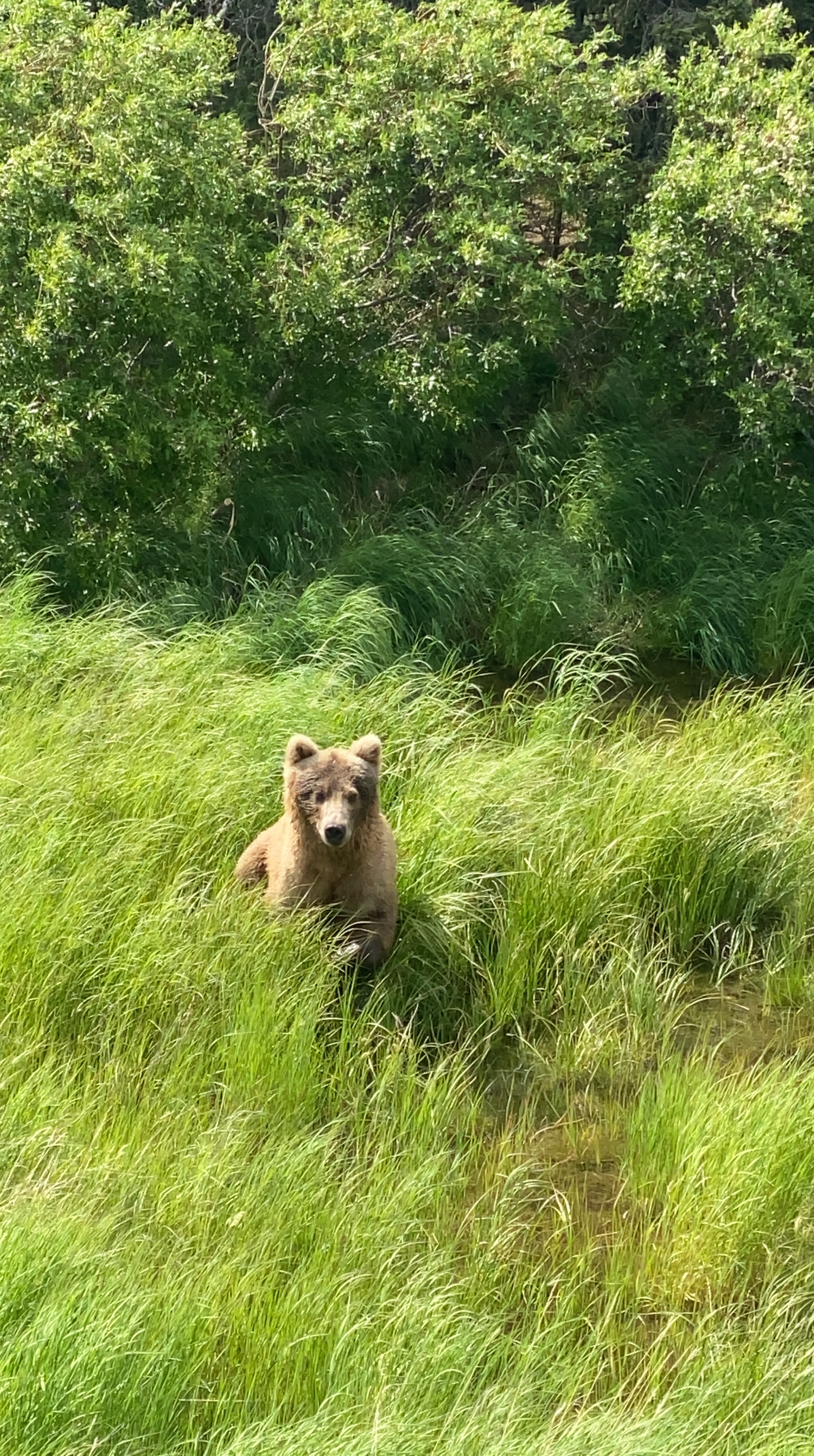
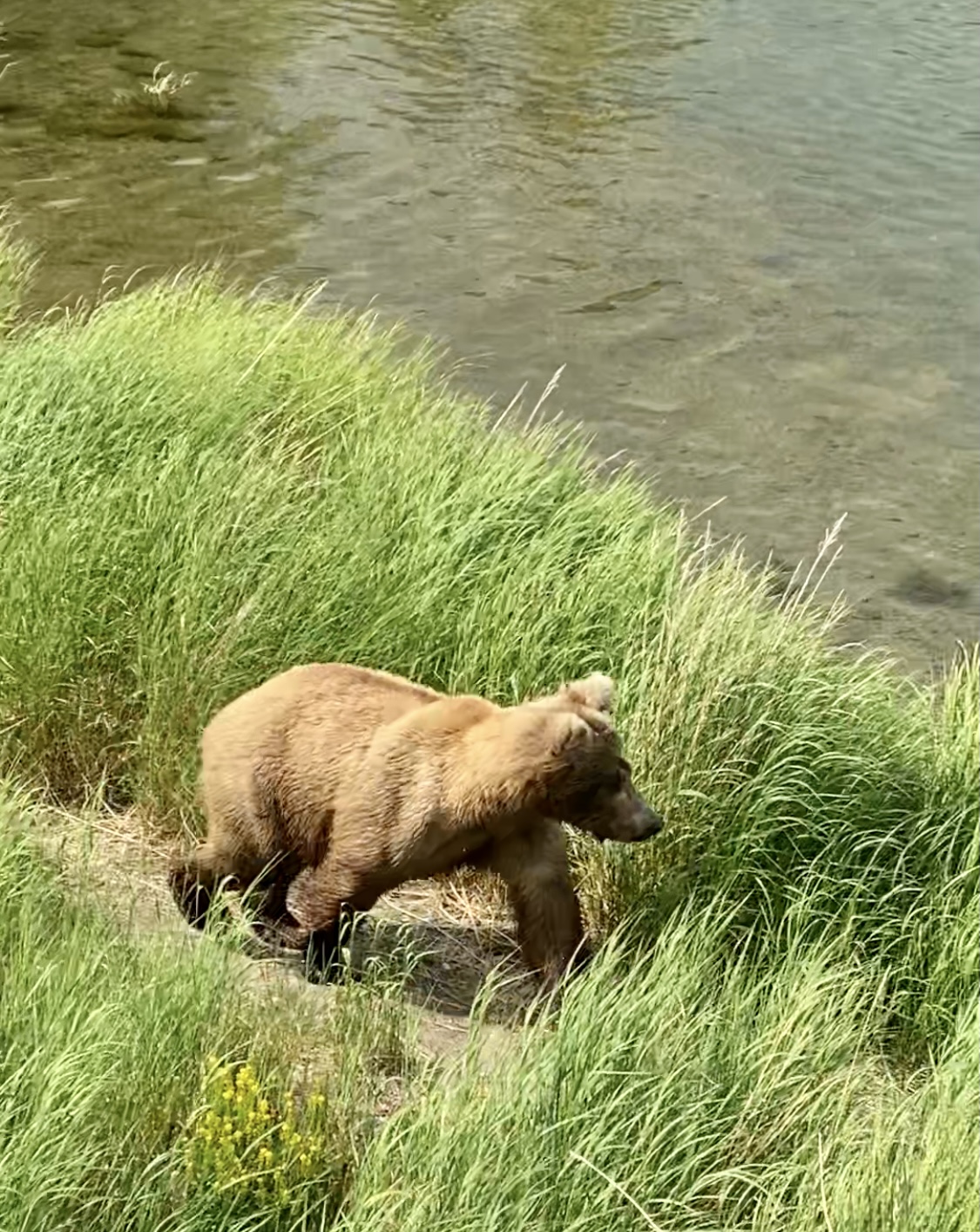
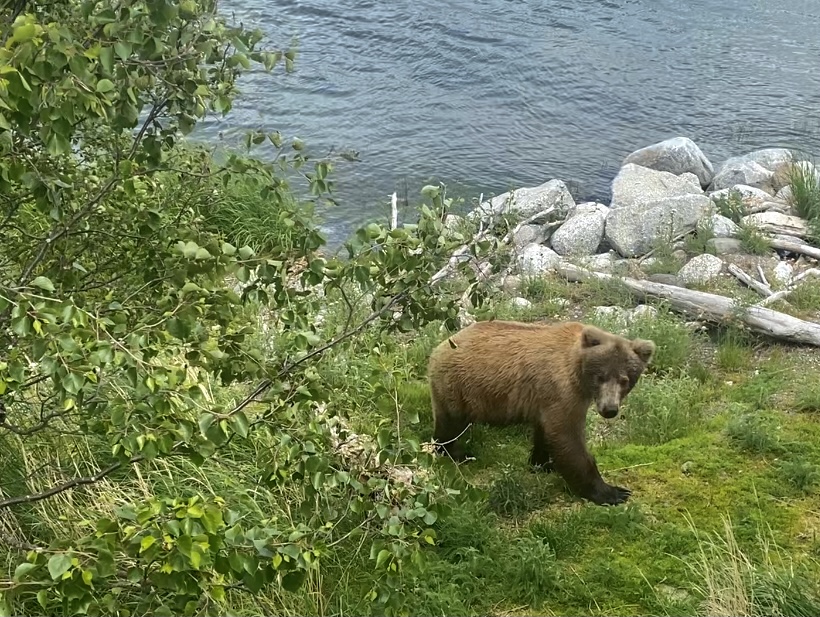
    There are many viewing platforms throughout the park that are secure, but to get to the falls, its an actual hike through the woods, where you often encounter bears.  We tagged along with another group, but no bear encounters were had on the trail, or again at the falls.  We decided to back to the river area where a viewing platform was, and many people were fly fishing.  All of a sudden, some commotion started happening and we ran towards the viewing platform.  While on the platform, we got to have the BEST bear experience, where we saw what was thought to be a 3 year old bear trying to catch a beaver.  He was the cutest bear, and he ended up coming right in front of us!!  It was an amazing and surreal experience that tattooed smiles on our faces.  After a while, that we headed towards the picnic area to eat lunch.  While we were eating lunch, TWO more bears ran by, chasing each other right in front of the fenced off picnic area- yet again, not caring that we were around, or even noticing.

    After lunch and another thrilling event, we decided to go park it by the river, where we had seen our other bear.  While on bear watch, we chatted with people a variety of people—some were on return trips, while others visiting for their first time like us.  We were yet again blessed with another bear– and this was a BIG one, our grand finale bear!  I actually didn’t even bother taking pictures of this big guy, I just wanted to soak in the moment and be fully present- not miss a thing!

    The rest of our day went by quickly, and before we knew it, we were boarding the water taxi back to King Salmon.  Our final day was quite the travel day as we made our way safely back to Utah, reminiscing on the best Alaskan adventure trip– already dreaming about next year.


    Pop Quiz: what is the difference between brown bears & grizzlies??

    It is often a matter of where the bear lives, what they eat, & what the locals prefer to call them. Generally speaking, “brown bears” live near the coast and supplement their diet with lots of fish and other protein-rich foods. Coastal brown bears can weigh over 1,000 lbs and stand nine feet tall on their hind legs! They are the largest omnivorous land mammals in the world. “Grizzlies” are brown bears that live at least 100 miles inland, and their diet consists of more non-meat foods such as berries, roots, and grasses.

  • Kenai Fjords National Park

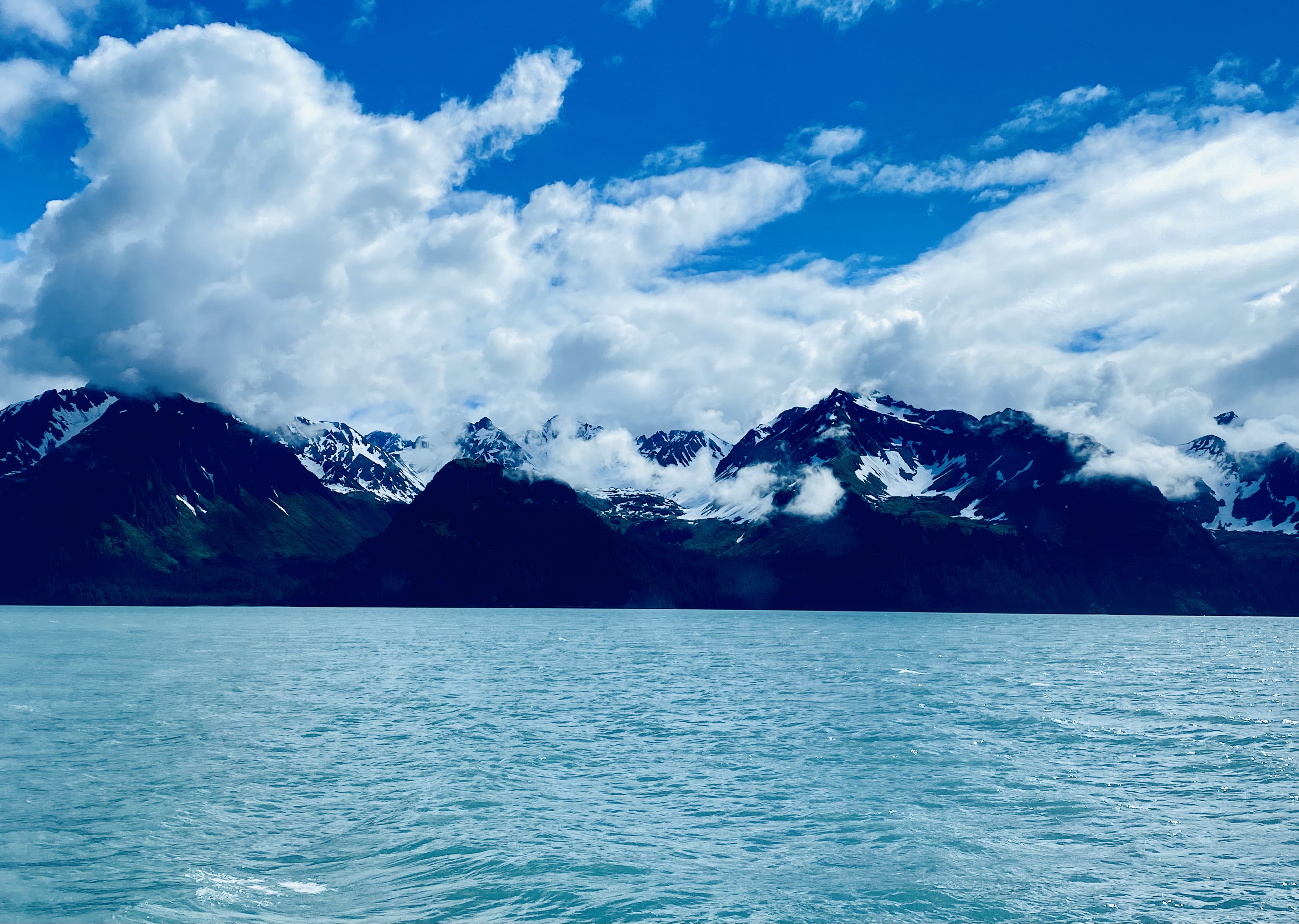
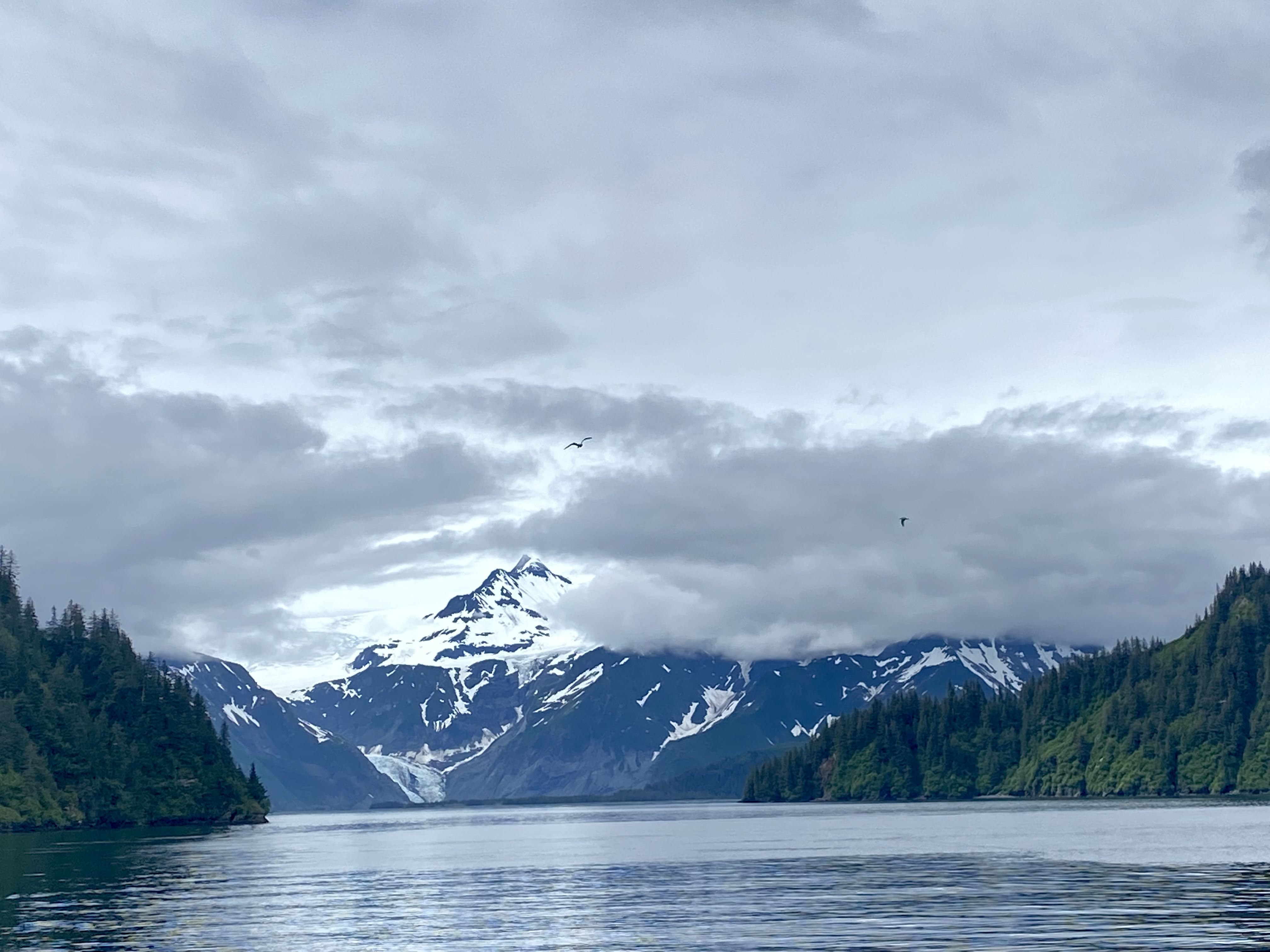
    Kenai Fjords National Park is located on the Kenai Peninsula, just outside the town of Seward, AK.  This National Park gets its name from the vast fjords lining the coast of the park.  The combination of marine life and icefield environments make this park incredibly special, just so special in fact, it has become one of my most favorite parks of all time.  Peak season is from June-August, with limited services offered in May and September. I recommend dedicating at least two days to explore Kenai Fjords- one to spend on the water, and the other on land.


    The 3 days we spent in Seward were some of my favorites of our trip.  We stayed in another cute cabin, just outside of town.  The first day was quite rainy, but we spent it getting settled, exploring the town, touring the Sea Life Center, and then making a nice, warm meal inside our cabin.   

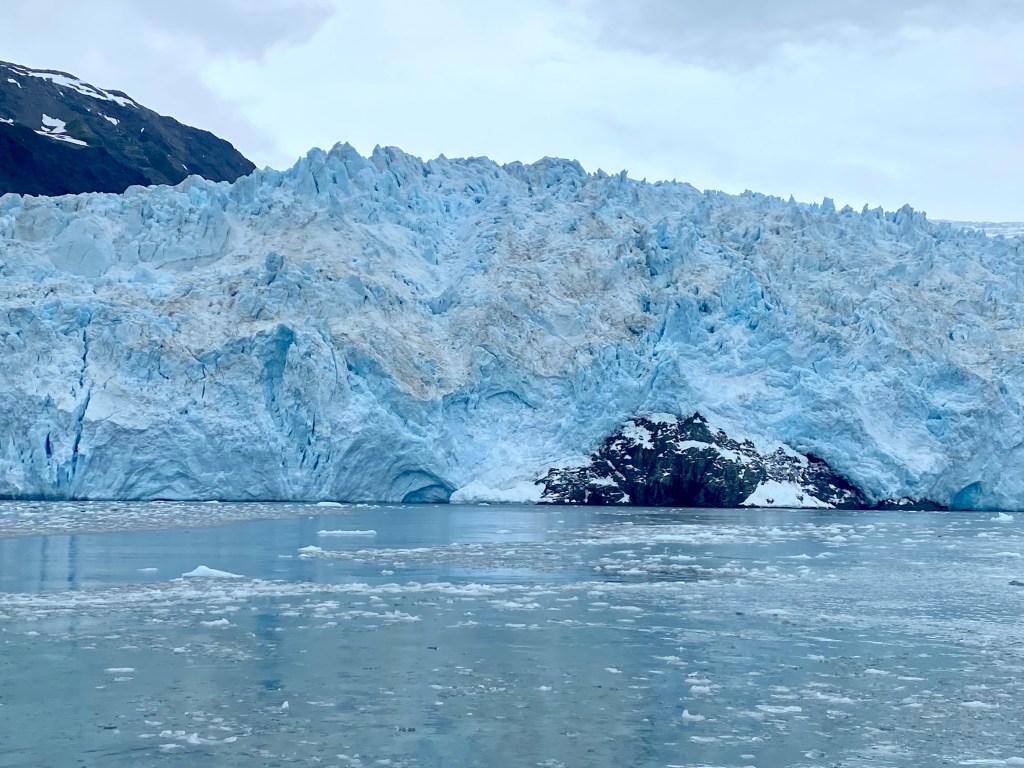
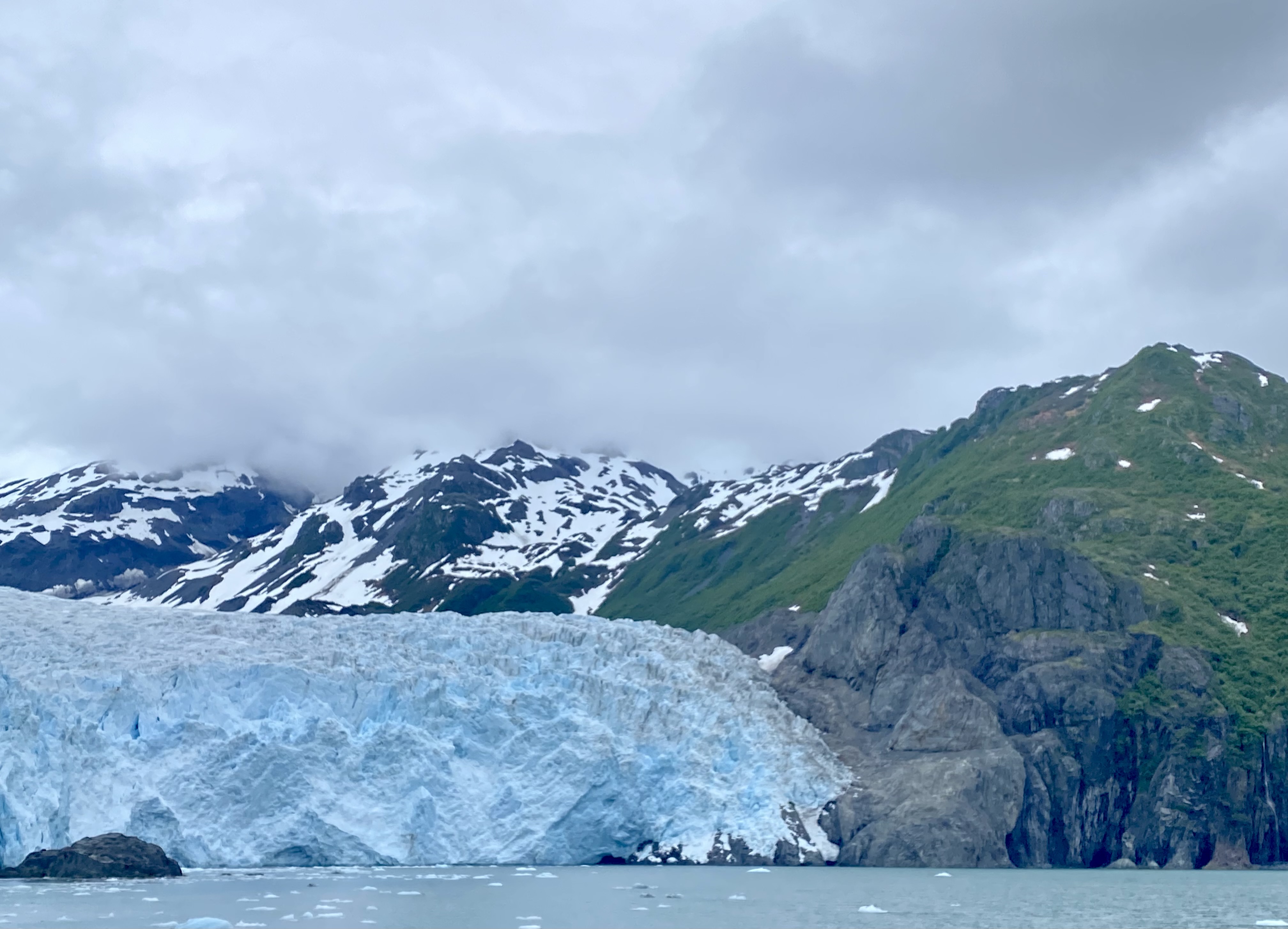
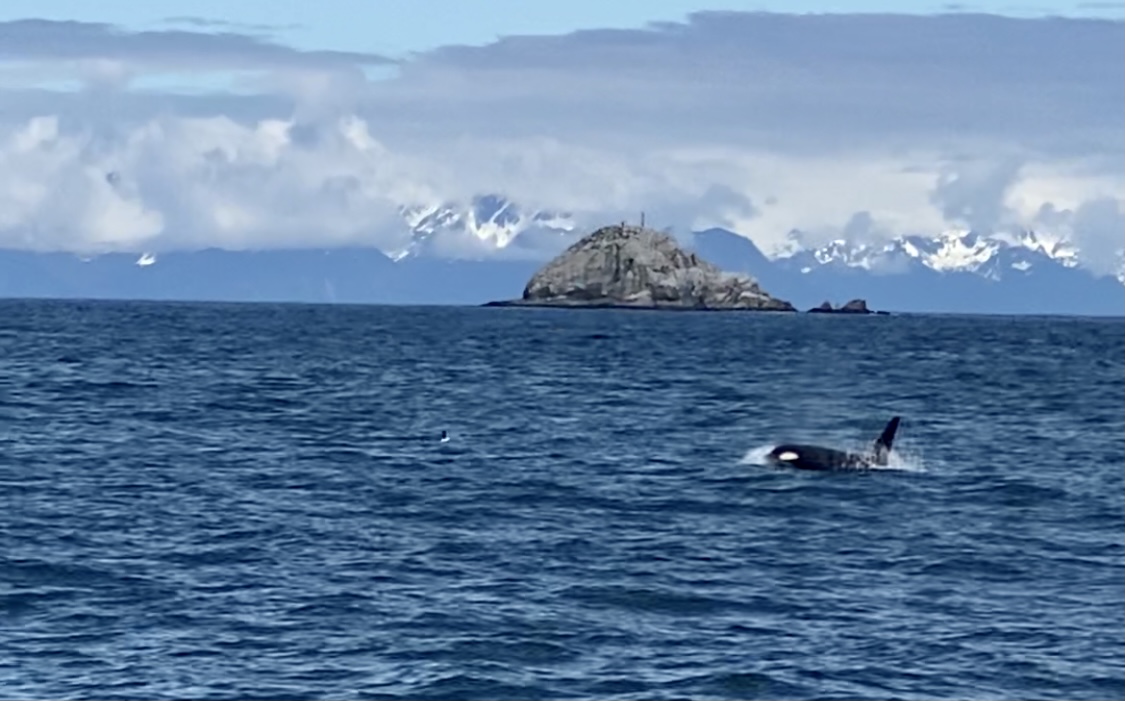
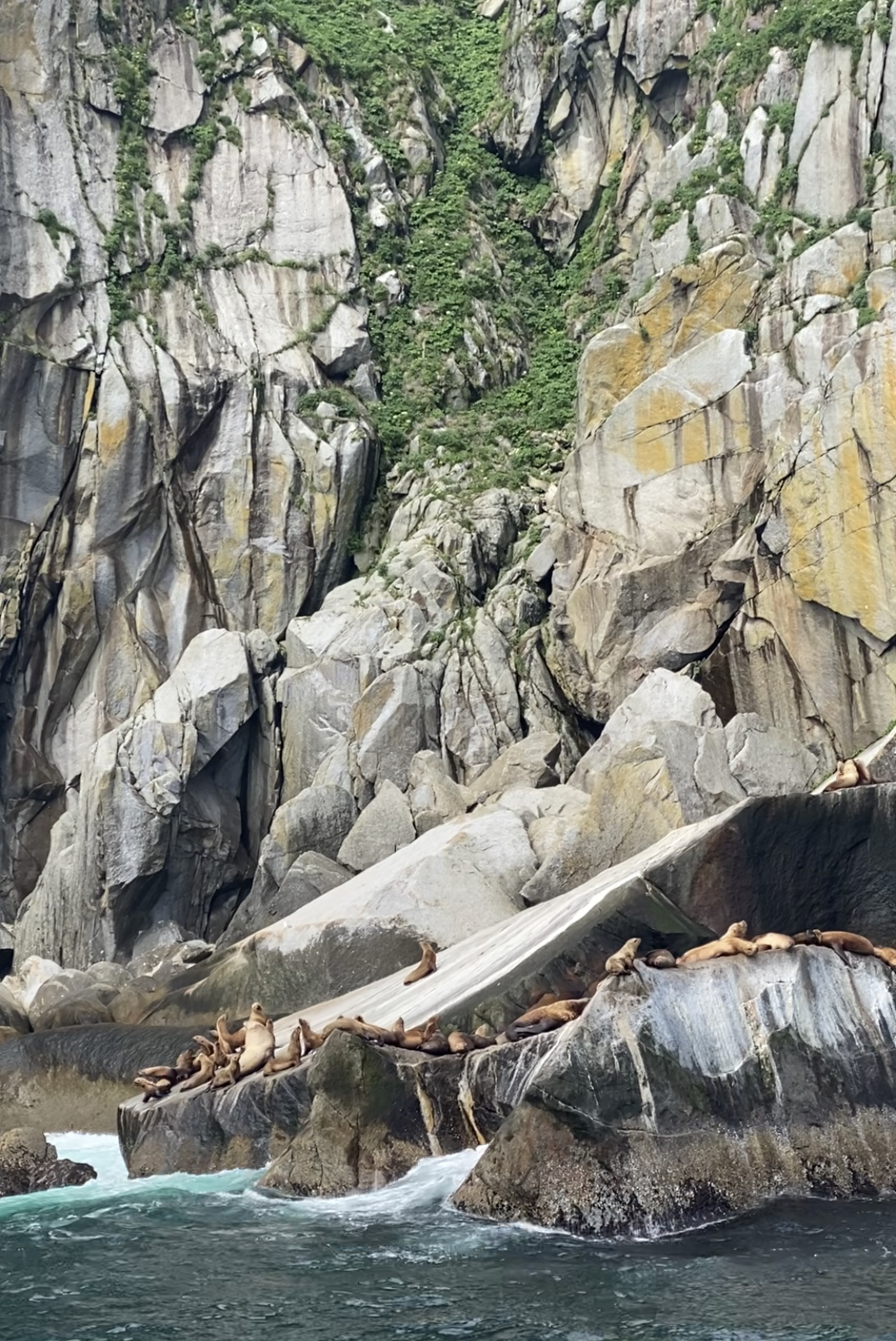
    The next day was our water tour, and thankfully, the weather seemed to clear up for our trip.  We booked a 6-hour tour through Kenai Fjords Tours, which left from the Seward Marina.  I am definitely a water person, so this excursion was something I had very high hopes for.  We were able to see puffins, otters, sea lions, seals, orcas, and humpback whales! This trip did not leave me disappointed.  Probably one of the coolest things we got to see and experience was a huge pod of Humpback whales bubble-net feeding RIGHT in front of our boat!  You really knew it was a rare and special occasion because the whole boat crew was freaking out as well.  We also got up close and personal with Ialic Glacier, which is a part of the Harding Ice Field, and saw it calving multiple times.  I really can’t say enough amazing things about our tour– it is something I will never forget!

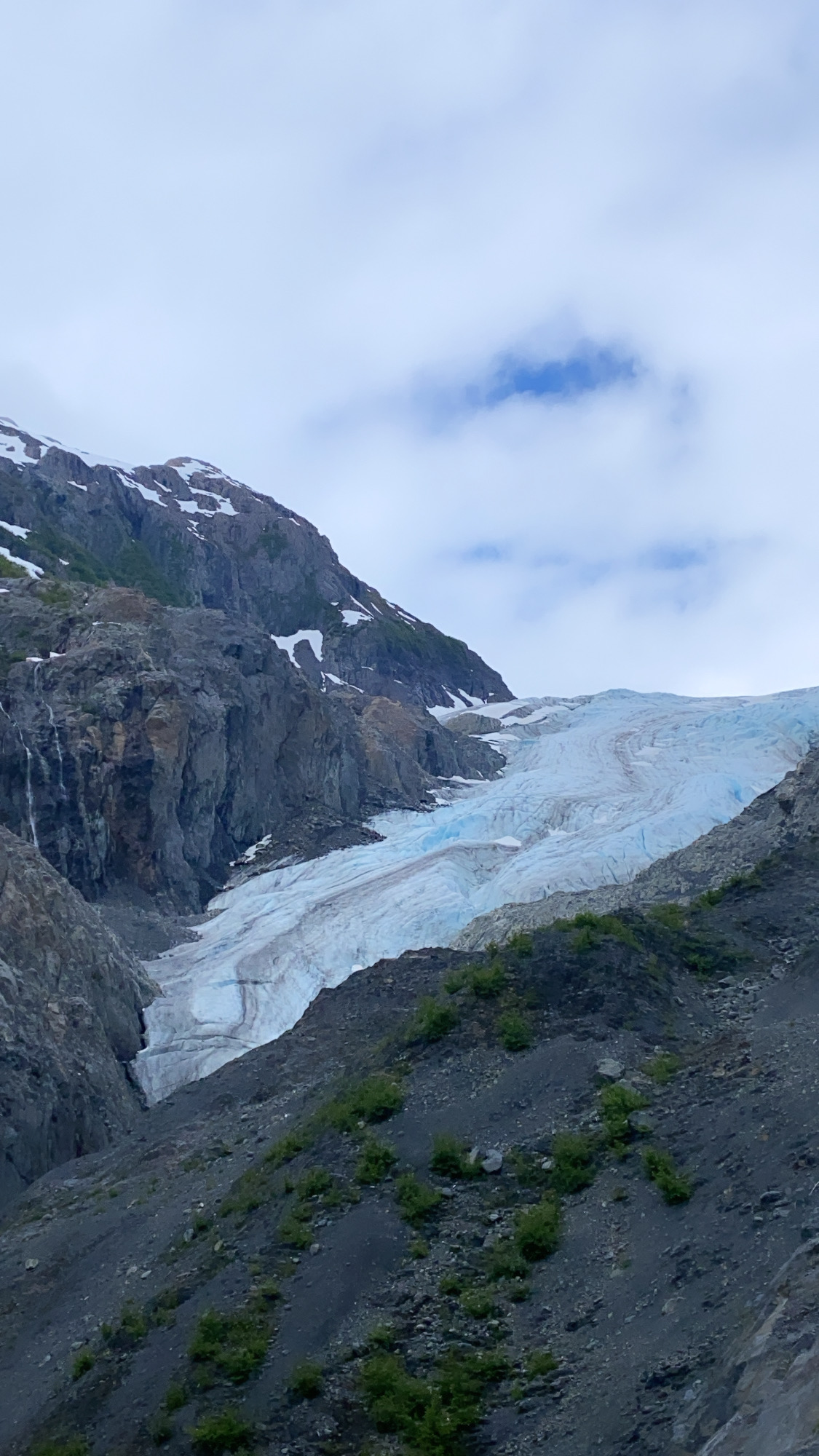
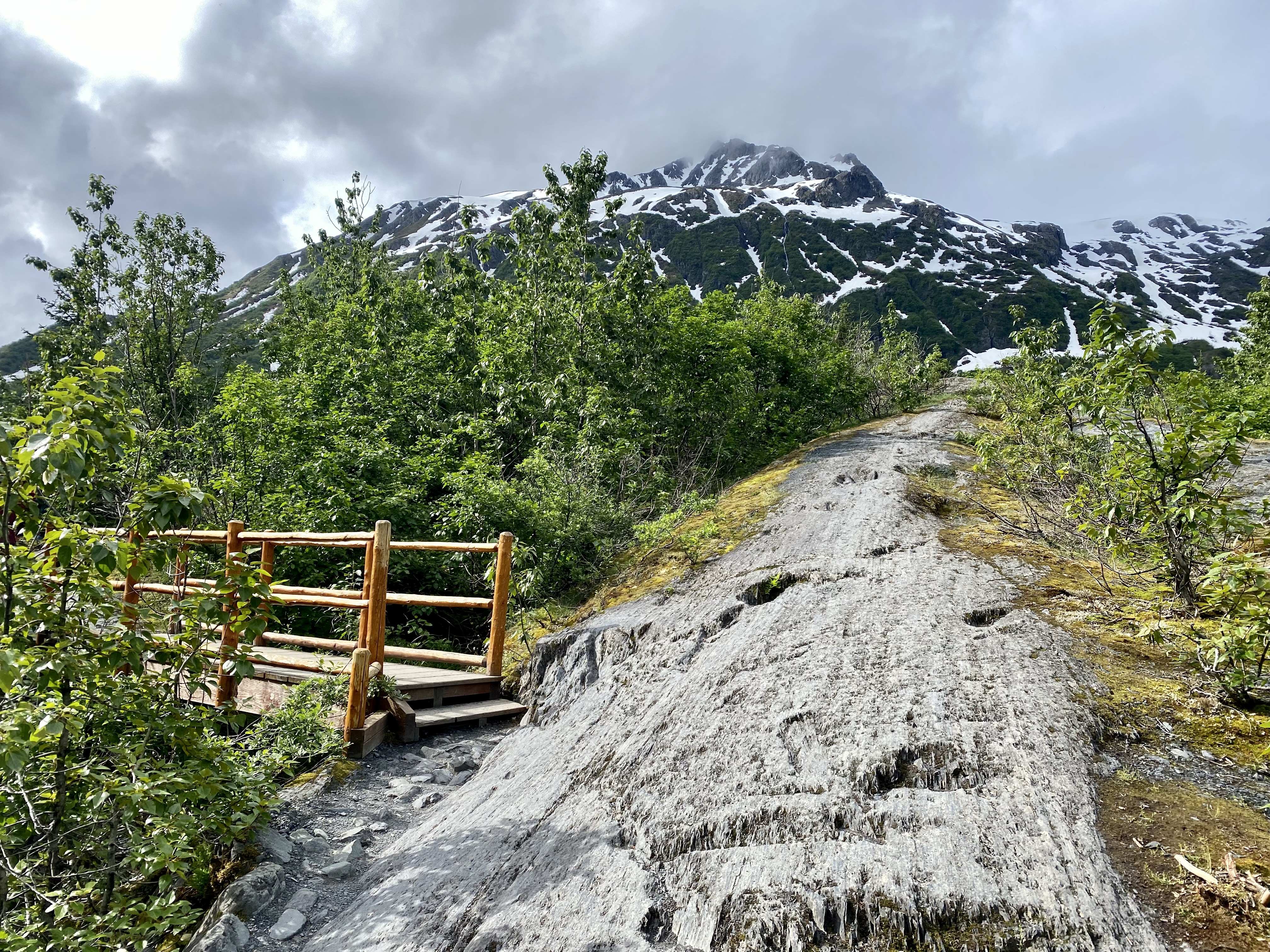
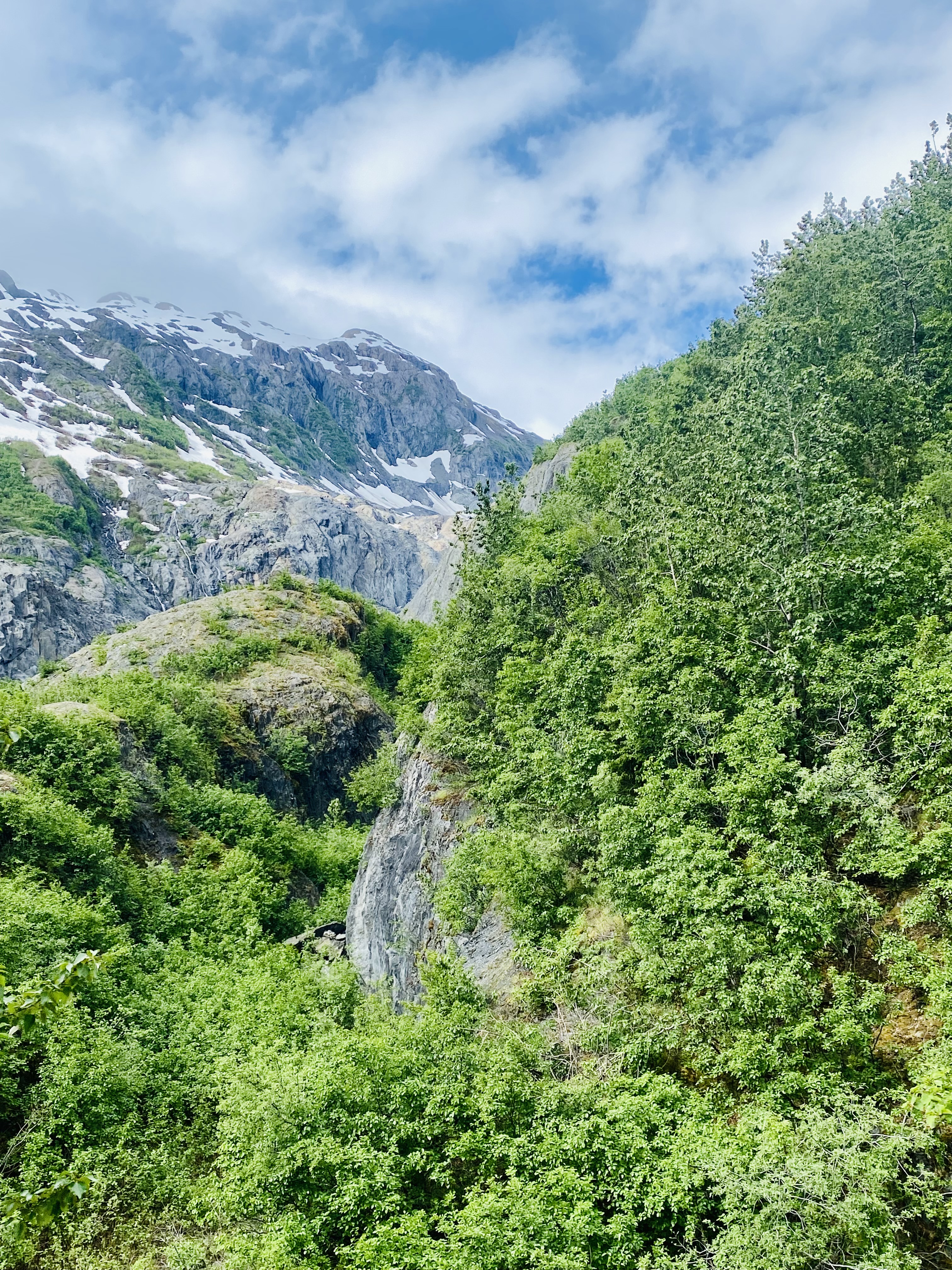
    Our last day was spent on land in the Exit Glacier area of the park.  We hiked around to the glacier viewpoints and overlooks.  No bear sightings were had by us, but one was reported right before we started our hike in the morning, as well as right after we had gotten off the trail later that afternoon.  We chatted with a park ranger after our hike about glaciers and bears and then stayed to listen to her talk about Lichen.  We learned that glaciers have a normal growth and retreat period, but Exit Glacier has been retreating at a significantly faster rate and is no longer actively growing.  Throughout the park there are signs with years on them that signify where the glacier used to be.  To cap off the afternoon we headed to downtown Seward for a late lunch and some sweet treats. 


    And just because I love marine wildlife so much, here’s some fun/interesting info from a brochure on our water tour. Each summer, Kenai Fjords becomes the feeding grounds for 4 different species of whales:

    1. Humpback whale: most spend June-September feeding in Alaska before migrating to the Hawaiian Islands or California where they will breed and give birth.
    2. Orcas: resident orcas are highly social, travel in pods, and hunt fish via echolocation.  Transient orcas travel in small numbers and hunt mammals such as seals and larger whales.
    3. Gray whale: travel from Baja, Mexico to Kenai Fjords- the longest migration of any mammal.
    4. Fin whale: second largest species of whale, and they live up to 90 years!
    Other mammals:

    • Sea otters: small, speedy, & ridiculously adorable
    • Sea lions: live in Kenai Fjords year-round and are the largest member of the seal family.  They fish at night and rest during the day.
    • Harbor seal: also year round residents of Kenai Fjords, they have no external ear flap and eat fish and shrimp.
    • Dall’s porpoise: powerful swimmers with sharp, rapid movements.  They often ride the bow waves of the tour boats.  

    Moral of the story—if Kenai Fjords isn’t on your list, put it on there & put it at the top! You won’t regret it.